

Fraction collectors
We personally find you the right used, refurbished and new fraction collectors instruments & equipment from verified suppliers.
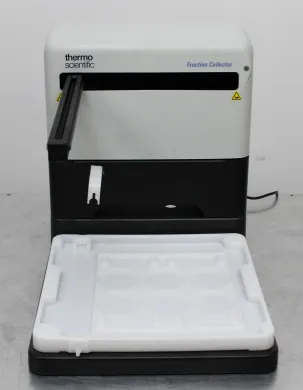
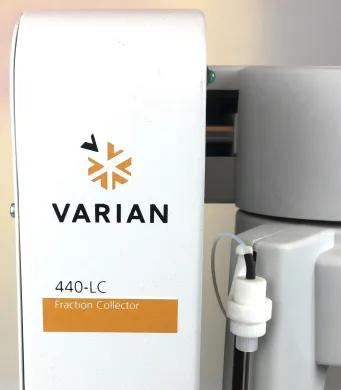
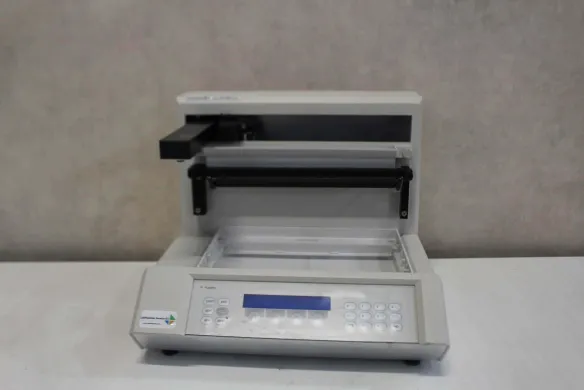
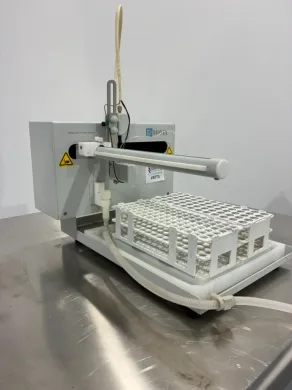
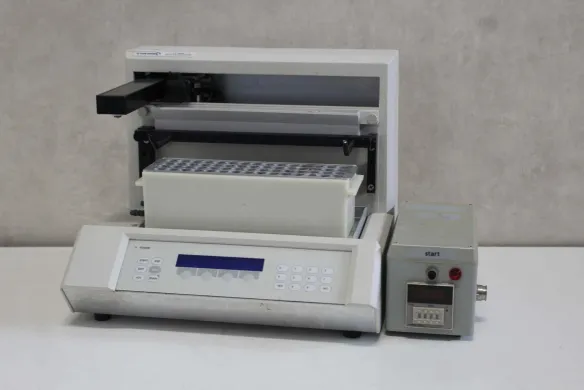
Fraction collectors are laboratory instruments that divide the continuous output of a chromatography column into separate timed or volume based portions, directing each into its own tube or well so that peaks eluting at different times are captured apart. They sit downstream of HPLC, FPLC and preparative separation systems, where recovering a purified compound depends on collecting the right eluate at the right moment. Across the Questpair catalogue, 141 fraction collectors are listed, both new and used, from 10 verified suppliers and distributors in 6 countries. Of these, 96 percent of the listings are used. The field they serve, preparative and analytical chromatography, is what shapes how any one model is chosen.
Updated:
Fraction collectors product list


Not the exact instrument you need?
Tell our scientists what you are after. We track it down, including off-market supply.
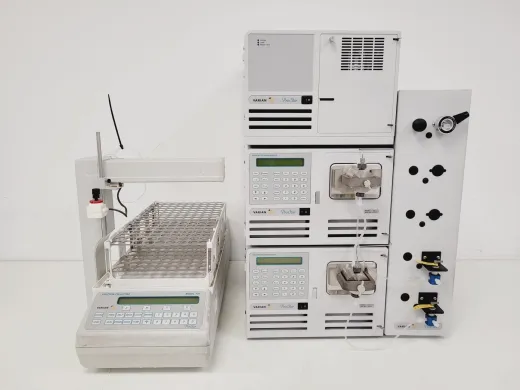
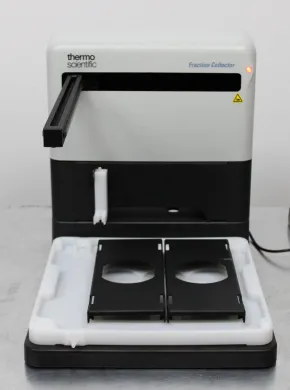
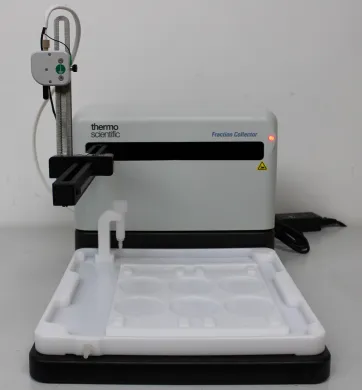
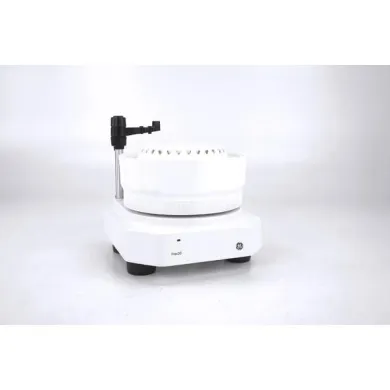
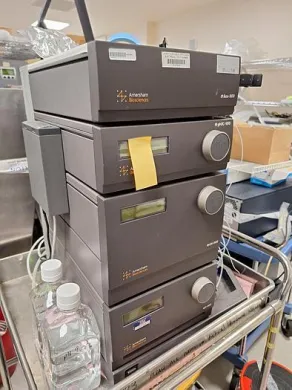
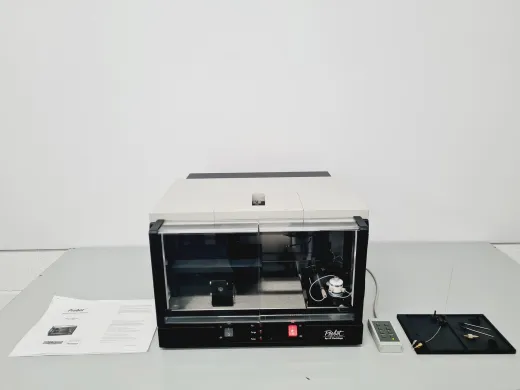
Not the exact instrument you need?
Tell our scientists what you are after. We track it down, including off-market supply.
Showing 1–40 of 123 listings
Show 40 more listingsBuying guide
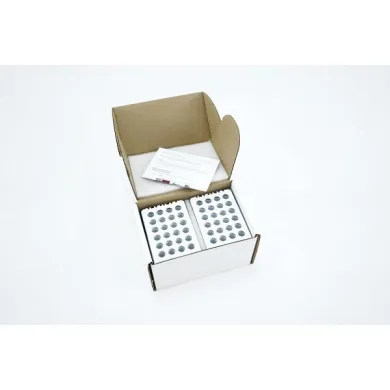
What settles the choice of a fraction collector is the collection logic it supports, because that is what matches the instrument to the separation running ahead of it. A unit that collects only on a fixed time interval suits a reproducible analytical method where peaks arrive on schedule. A unit that collects on a detector threshold, starting and stopping each tube as absorbance rises and falls, suits preparative work where yield matters and a peak must be caught whole rather than sliced across tube boundaries. Peak based collection needs a signal input and the firmware to act on it, so a buyer whose work is preparative should confirm that the model does more than drop a tube every thirty seconds. Rack format follows from this: the number of positions, the tube or microplate sizes accepted, and the total volume per position decide whether a run finishes in one rack or needs an interruption to swap.
On a used unit, the mechanical path is what to verify. The collection arm or carousel moves for every fraction across a working life, and wear there shows as missed positions or drips between tubes. Ask whether the drive still indexes cleanly and whether the dispensing tip or diverter valve has been replaced. A fraction collector carries no calibrated measurement in the way a balance does, so recalibration is less the issue than confirming the moving parts and the tubing are sound and that any software or controller board still communicates with the pump or detector it is meant to follow.
Price spans a wide band here. Listings range from EUR 94 to EUR 43.044. The low end covers bare standalone collectors with a simple rack and time only collection, the kind that fit a modest budget for a teaching or routine lab. The upper end covers integrated preparative systems with large capacity racks, peak detection and system control built in. The average listing sits at EUR 3.554. The dominant names are Gilson, Cytiva, GE Healthcare, Agilent, Waters, and refurbished units listed for sale across these makers cost less than their new equivalents, which is what makes a capable preparative collector reachable second hand when the same model new would not be. Parts availability and the ease of comparing one model against another both improve where a brand is well represented in the listings.
Types of Fraction collectors
Which fraction collector types are listed?
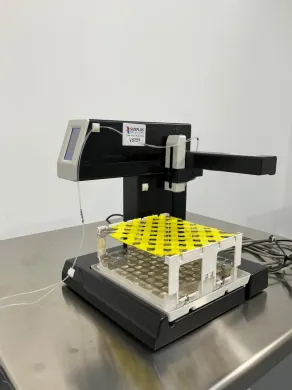
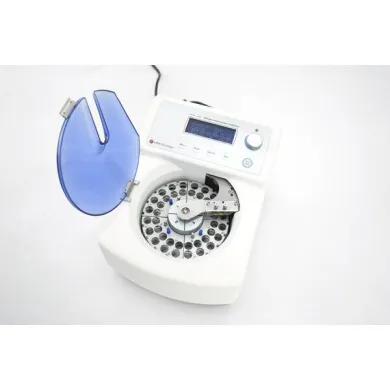
Among the listings that specify a type, the catalogue separates into a few recognisable forms. The plain fraction collector is the standalone device, a rack and a moving dispense head, run by its own timer or by a signal from an external detector. The automated fraction collector adds programmable logic and a larger working envelope, collecting on peak thresholds and handling long unattended runs. Alongside these sit units described as chromatography accessories and HPLC accessories, collectors sold as part of or sized to match a specific separation platform rather than as a general instrument. A smaller share appears under laboratory automation and bioprocessing equipment, where the collector is one station in a larger purification or process line.
These types do real work in molecular biology and the life sciences. A fraction collector downstream of an FPLC system is the standard tool for protein purification, capturing each eluting species as a separation resolves a mixture into its components. In genomics and proteomics laboratories, preparative chromatography with automated fraction collection isolates nucleic acids, peptides and purified proteins for downstream analysis, so a bioprocessing fraction collector for protein purification is a routine search among researchers equipping a purification bench. The bioprocessing listings reach further, into biomanufacturing, where fraction collection on a process scale recovers a target biologic from a production run.
The brands behind the fraction collector listings
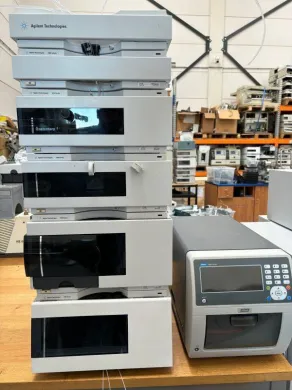
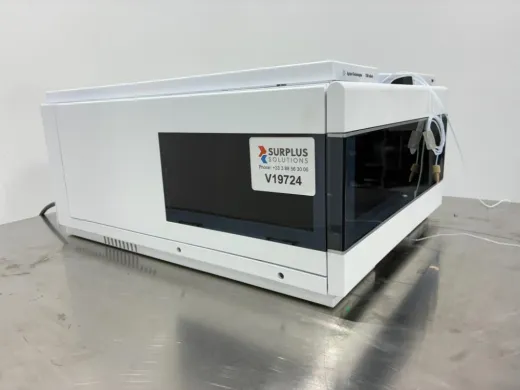
The names that recur in these listings are Gilson, Cytiva, GE Healthcare, Agilent, Waters. For a buyer, a well represented brand means a model is easier to place against alternatives and easier to keep running, since parts and compatible racks circulate more readily where many units are in the field. Gilson and Cytiva appear at the preparative and purification end; Agilent and Waters reach the fraction collector market through their HPLC platforms, so a unit from either tends to pair cleanly with that maker's system. Price level tracks this split, with standalone collectors sitting below integrated platform modules.
What a used fraction collector costs here
New and used units are both listed, and 96 percent of the listings are used. Prices run from EUR 94 to EUR 43.044. That spread is wide because it covers everything from a simple time based collector to a full preparative station with peak detection, and the used share is where most of the range below the average sits. The catalogue draws these units from 10 verified suppliers and distributors.
Frequently asked questions
What is a fraction collector?
A fraction collector is a laboratory instrument that divides the continuous eluate from a chromatography column into separate portions, each directed into its own tube or well. It lets peaks eluting at different times be captured apart for recovery or further analysis.
What does fraction collector mean?
The term refers to the device that collects fractions, meaning the discrete timed or volume based portions of a separation's output. It sits downstream of HPLC, FPLC and preparative systems to capture the right eluate at the right moment.
How do fraction collectors work?
A moving dispense head or carousel indexes over a rack of tubes or a microplate, switching position by a timer, a measured volume, or a signal from a detector reading the eluate. Each position holds one fraction, so the collected tubes map to the separation as it ran.
What types of fraction collectors are there?
The catalogue separates into the standalone fraction collector, the automated fraction collector with programmable peak based logic, and units listed as chromatography accessories or HPLC accessories that match a specific separation platform. A smaller share falls under laboratory automation and bioprocessing equipment, where the collector is one station in a larger line.
What are fraction collectors used for?
They recover purified compounds from chromatography, capturing each eluting species as a mixture resolves into its components. Common uses include protein purification downstream of FPLC, isolation of nucleic acids and peptides in genomics and proteomics labs, and process scale recovery of a biologic in biomanufacturing.
How do I choose a fraction collector?
Start with the collection logic: fixed time intervals suit a reproducible analytical method, while detector threshold collection suits preparative work where a peak must be caught whole. Then check that the rack format, position count and tube or microplate size match your run volume so a separation finishes without an interruption to swap racks.
Refurbished versus used fraction collector, what is the difference?
A used unit is sold in its existing condition, while a refurbished one has been checked and reconditioned before listing. For either, confirm the drive indexes cleanly and the dispensing tip or diverter valve is sound, since the mechanical path wears across a working life.
How much does a fraction collector cost?
Listings range from EUR 94 to EUR 43.044, with the average at EUR 3.554. The low end covers bare standalone collectors with time only collection, and the upper end covers integrated preparative systems with large racks, peak detection and system control.
What are the main fraction collector brands?
The names that recur in the listings are Gilson, Cytiva, GE Healthcare, Agilent and Waters. Gilson and Cytiva appear at the preparative and purification end, while Agilent and Waters reach the market through their HPLC platforms.
Is there a warranty on a refurbished fraction collector?
A warranty is often possible and is arranged in consultation for the specific listing. Terms depend on the individual unit and seller rather than a central policy.
Can I get parts for a fraction collector?
Parts can be sourced via Questpair. Consumables such as dispensing tips and racks, and compatible spares, circulate more readily for brands that are well represented in the listings, since many units are in the field.
How long does a fraction collector last?
The limiting factor is the mechanical path, since the collection arm or carousel moves for every fraction across its life. With the drive indexing cleanly and the tip or diverter valve maintained, a unit can serve for many years.
New versus refurbished fraction collector, which should I buy?
Used and refurbished units are listed at lower prices than new, which is what makes a capable preparative collector reachable second hand. Weigh the individual listing on its mechanical condition and software compatibility, and note that warranty is arranged in consultation for that specific unit.
Where can I buy a fraction collector?
The Questpair catalogue lists 141 fraction collectors, both new and used, from 10 verified suppliers and distributors across 6 countries. You can compare models and conditions within the catalogue.
What is the lead time and shipping on a fraction collector?
Lead time and shipping depend on the individual listing, the supplier and their location across the 6 countries represented. The listing itself carries the specifics, and Questpair specialists respond within one hour if you need to confirm before ordering.
Does a fraction collector need calibration and maintenance?
A fraction collector carries no calibrated measurement the way a balance does, so recalibration is less the concern than confirming the moving parts and tubing are sound. Maintenance centres on keeping the drive indexing cleanly, replacing a worn dispensing tip or diverter valve, and checking the controller still communicates with the pump or detector it follows.
Which fraction collector types are listed most, and who reaches for each?
Standalone and automated fraction collectors make up the recognisable instrument listings, while chromatography and HPLC accessory units are sized to a specific platform. A routine or teaching lab tends to reach for a simple time based standalone collector, a purification bench for an automated peak based unit on an FPLC line, and a biomanufacturing group for the bioprocessing listings that recover a target at process scale.
Which brands dominate this category, and what does that mean for a buyer?
Gilson, Cytiva, GE Healthcare, Agilent and Waters recur across the listings. A well represented brand is easier to place against alternatives and easier to keep running, since parts and compatible racks circulate more readily where many units are in the field, and an Agilent or Waters collector tends to pair cleanly with that maker's HPLC system.
What separates the cheapest fraction collectors from the most expensive?
The bottom of the band is a bare standalone collector with a simple rack and time only collection. The top is an integrated preparative system with large capacity racks, detector based peak collection and built in system control, so the difference is collection logic and capacity rather than brand alone.