

Sieves
We personally find you the right used, refurbished and new sieves instruments & equipment from verified suppliers.
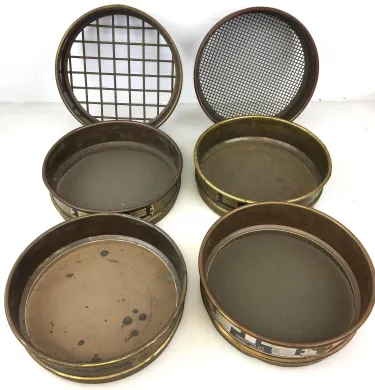
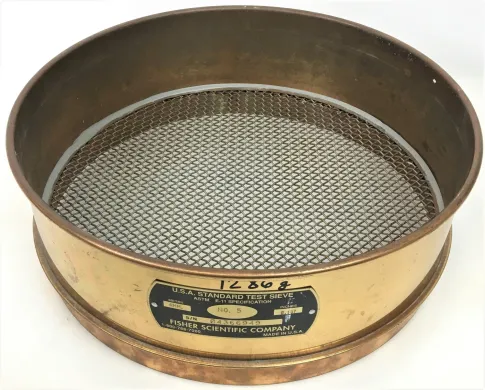
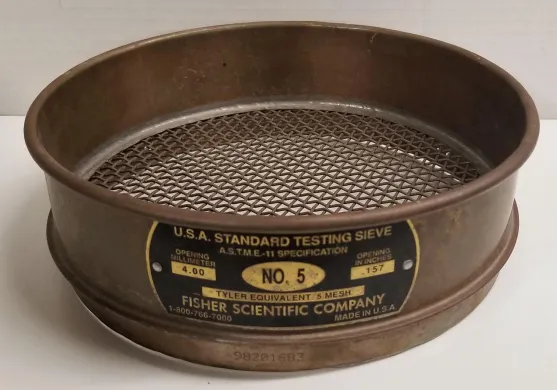
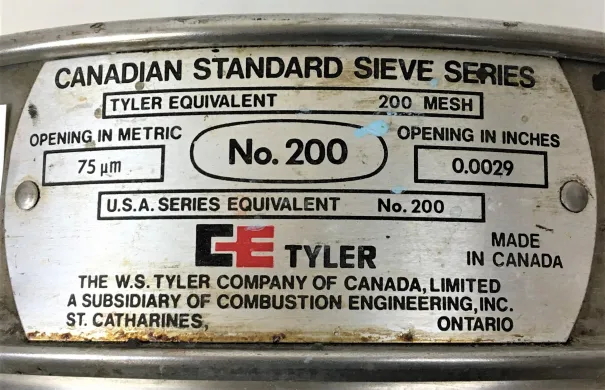
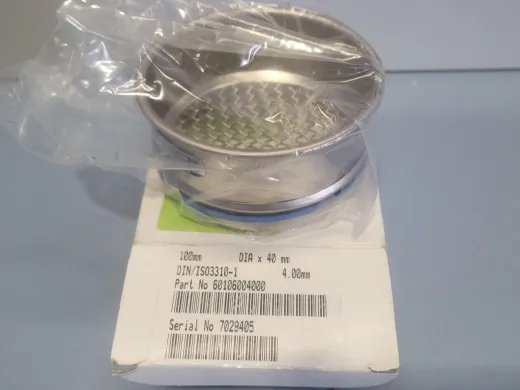
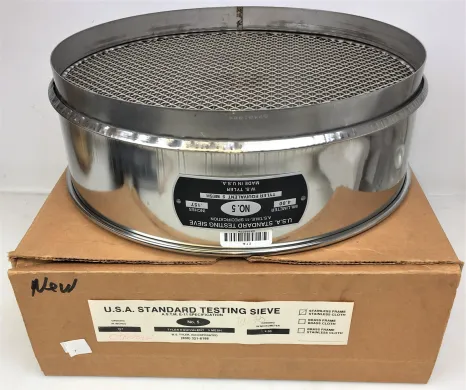
Sieves are mesh-based separation tools that sort particles by size, passing material through a defined aperture to retain anything larger and let anything smaller fall through. In the laboratory they anchor particle size analysis, where a stacked column of graded apertures splits a sample into fractions a specialist can weigh and plot. The Questpair catalogue holds 132 sieve listings from 7 verified suppliers and distributors across 7 countries. Of these, 94 percent are used. New, used and refurbished units appear side by side, in stainless steel and brass, from woven-wire test sieves down to single-aperture control screens. Prices in the catalog span a wide band, from entry-level frames to full analytical sets.
Updated:
Sieves product list



Not the exact instrument you need?
Tell our scientists what you are after. We track it down, including off-market supply.
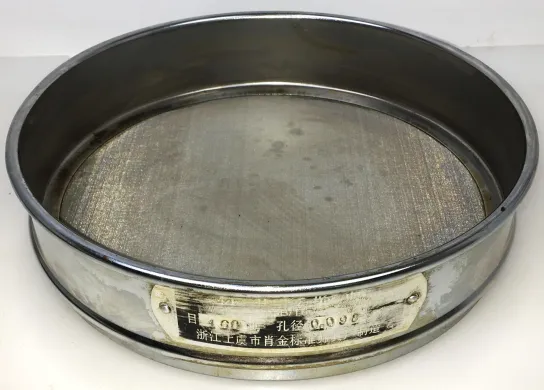
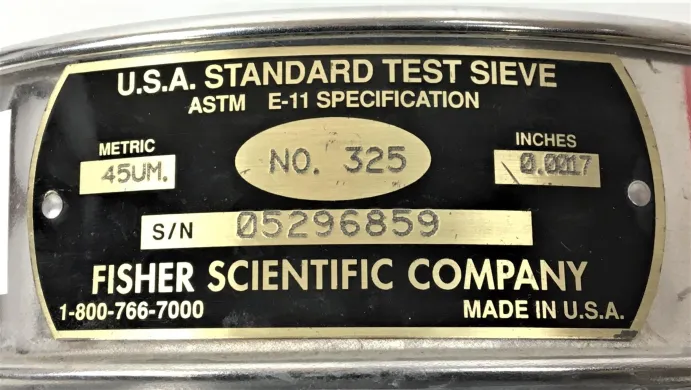
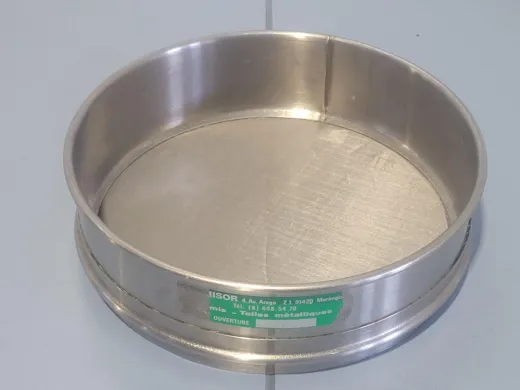
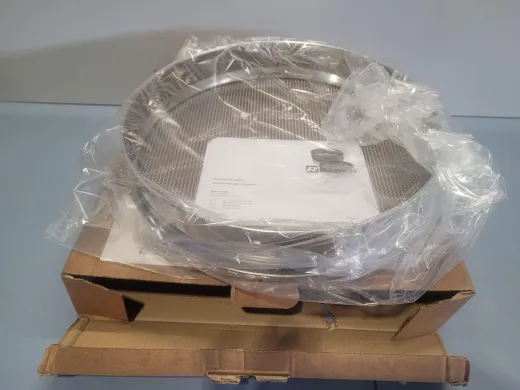
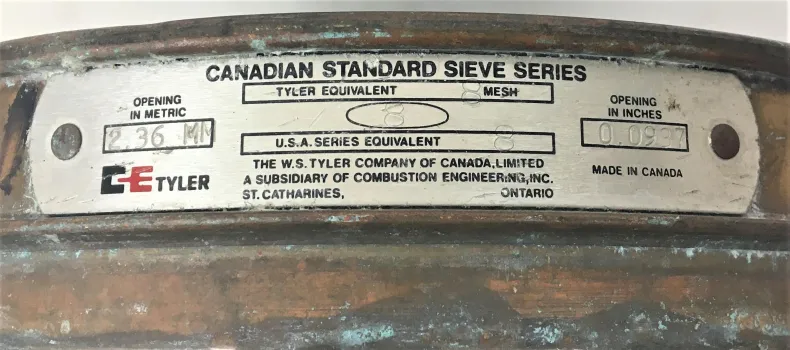
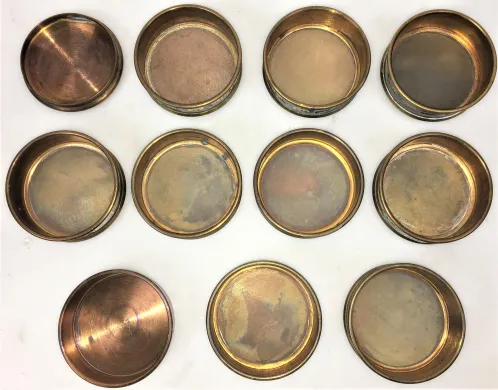
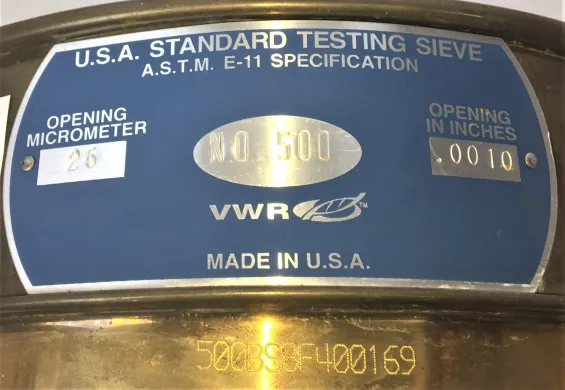
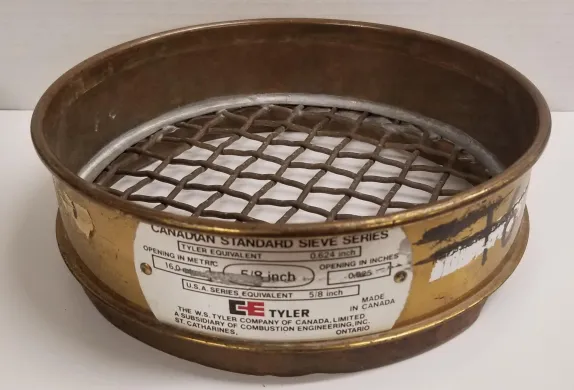
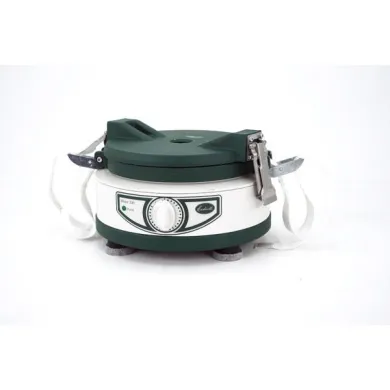
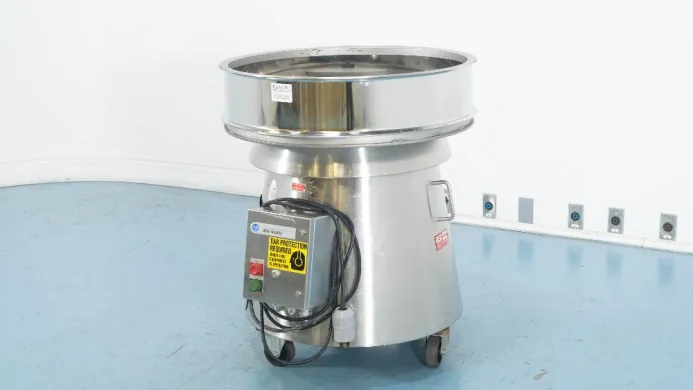
Not the exact instrument you need?
Tell our scientists what you are after. We track it down, including off-market supply.
Showing 1–40 of 107 listings
Show 40 more listingsBuying guide
The number that settles most purchases is aperture size, and whether the frame you buy matches the standard the rest of your column already follows. A sieve is useless on its own; it works as one layer in a nested stack, so a 200 mm frame cut to one national standard will not seat cleanly against a column built to another, and the mesh series has to progress in the steps your method specifies. Read the method first, then the sieve. For dry work a woven-wire test sieve covers the common range, while very fine fractions below the woven-wire limit call for an electroformed or perforated-plate screen instead, and wet sieving needs a frame and mesh that tolerate repeated rinsing without the cloth loosening in the frame.
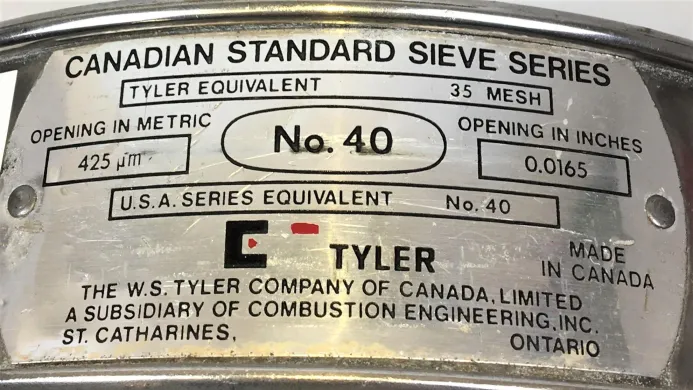
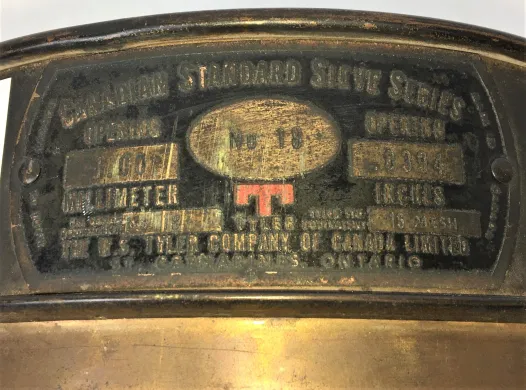
On a used sieve the mesh is the whole instrument, and it is the one part that does not survive rough handling. A dented frame is cosmetic; a stretched, torn or partly blinded cloth changes the effective aperture and quietly biases every result that passes through it. Ask whether the cloth has been recalibrated against a reference, look for a certificate tying the aperture to a measured value rather than a nominal one, and treat an uncertified fine mesh as a frame you may have to re-mesh. Stainless steel resists corrosion better than brass and matters for anything wet or chemically aggressive, so the material on the label is worth confirming against the application.
Price tracks aperture range and certification far more than age. What a single control screen costs sits near the bottom of the band at EUR 22, while a certified analytical set with a full column of graded frames reaches EUR 7.999, and the average listing settles around EUR 424. That spread is what fits different budgets: a laboratory needing one replacement frame and one checking a full gradation are buying at opposite ends of the same catalogue. Refurbished and used sieves listed for sale run below new, which is where the saving sits for a buyer replacing a worn cloth rather than building a column from scratch. The names behind the listings, Retsch, Tyler, Endecotts, Various, RETSCH, are the ones whose aperture series and frame dimensions are easiest to match and to source replacement meshes for later.
Types of Sieves
Which sieve types are listed here?
Among the listings that specify a type, the catalogue runs through test sieve, laboratory sieve, particle size analysis equipment, stainless steel sieve, sieving equipment, particle size sieve, and the distinctions matter at the bench. A test sieve is the certified, standard-dimension frame built for reproducible analysis, its aperture tied to a measured value; a plain laboratory sieve covers the broader everyday sorting and sample-preparation work where certification is not the point. Stainless steel frames occupy the corrosion-resistant and wet-sieving end, brass the dry and lighter-duty end. Particle size analysis equipment and particle size sieves are the frames and columns a laboratory reaches for when the output is a gradation curve rather than a clean fraction. Sieving in the life sciences and biotechnology mostly serves sample preparation and formulation: grading dried plant or tissue material before extraction, sizing lyophilised powders ahead of reconstitution, and screening excipient and carrier particles in biomanufacturing and bioprocessing. Laboratory sieves for particle size analysis of dried biological samples are a common search because that is exactly the step that precedes so much downstream work in molecular biology and microbiology, from preparing soil and sediment for genomics to sizing media components for cell culture. These screens are also used for fractionating milled samples destined for proteomics sample preparation, where particle uniformity feeds the consistency of later steps.
The brands behind the sieve listings
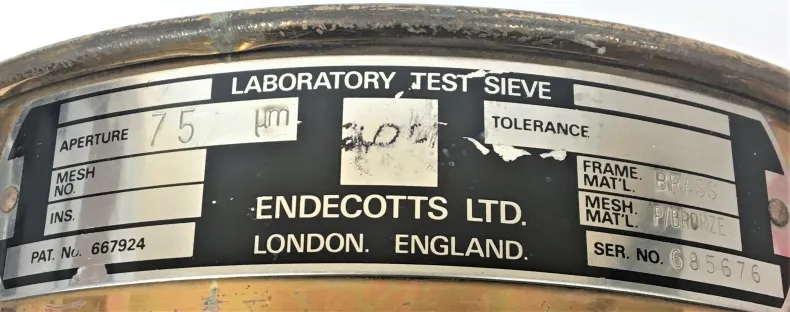
The names that recur across these listings, Retsch, Tyler, Endecotts, Various, RETSCH, shape what a buyer can actually do after the purchase. The established sieve makers hold to published aperture series and standard frame diameters, which is what lets you drop a replacement frame into an existing column and re-mesh a worn one years later; a frame from a consistent maker is also far easier to compare against another listing, because its stated aperture and dimensions mean the same thing twice. Listings marked as a generic or assorted maker tend to sit lower on price, and suit a laboratory buying a single working frame rather than extending a certified set.
What a used sieve costs here
The condition split is heavily toward pre-owned stock: 94 percent of the listings are used. Prices range from EUR 22 to EUR 7.999, with the average near EUR 424. The spread covers everything from a single replacement screen to a full certified analytical column, which is why one figure cannot stand in for the catalogue. Used and refurbished frames are listed below new, and where a buyer is weighing the two the deciding factors are the aperture certificate and the state of the cloth rather than age alone. A warranty, where it matters for a given frame, is arranged in consultation for that specific listing.
Frequently asked questions
What is a sieve?
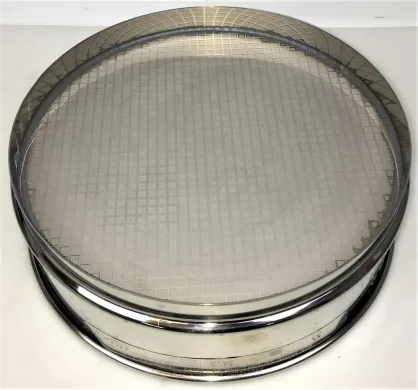
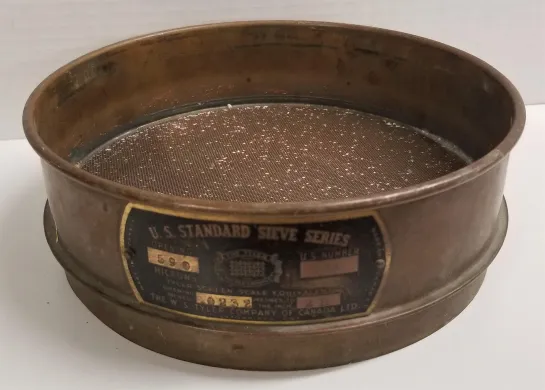
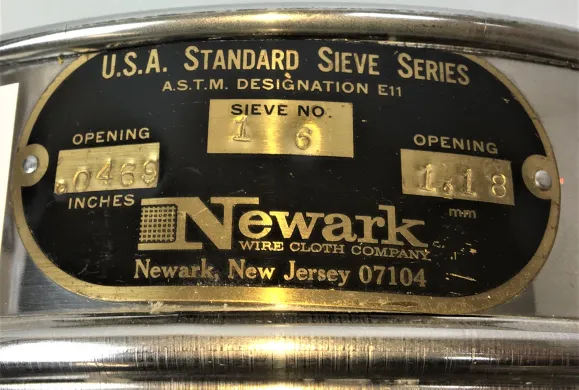
A sieve is a laboratory instrument that separates particles by size using a mesh of a defined aperture, so particles smaller than the aperture fall through and larger ones stay behind. A single sieve is a round frame holding one woven mesh of a fixed aperture.
What does the word sieve mean in a laboratory context?
In a laboratory it refers to a graded test frame used to sort a sample by particle size rather than a kitchen strainer. Each frame carries a mesh of one certified aperture, and a stack of them produces a particle size distribution.
How do sieves work?
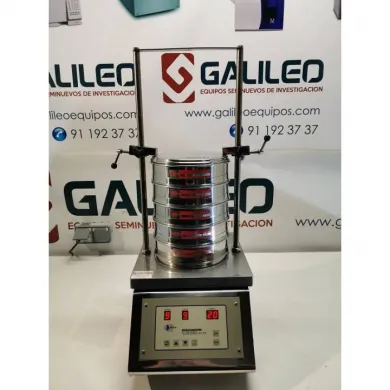
A sample is placed on the top mesh and the frames are stacked from coarsest at the top to finest at the bottom, usually on a shaker that agitates the stack. Particles fall through each mesh until they reach one too fine to pass, so each frame retains a defined size fraction.
What types of sieves are there?
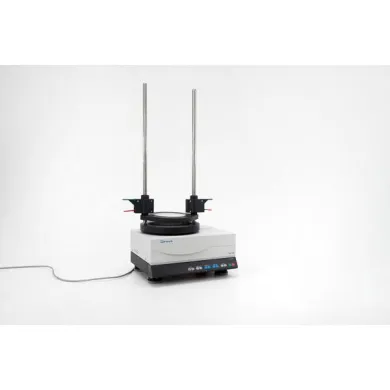
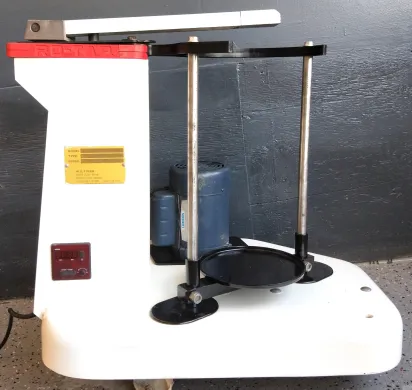
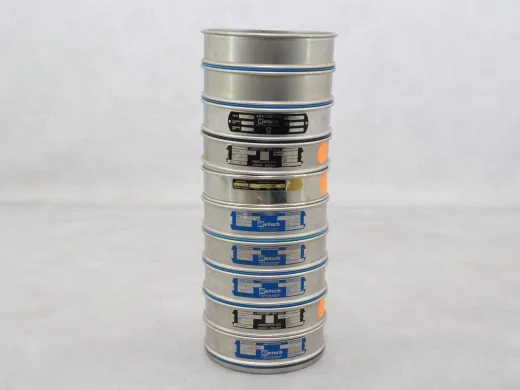
The listings here cover test sieves and laboratory sieves, which are single frames of one aperture, plus stainless steel sieves graded by material. The catalogue also holds sieving equipment such as shakers and sieve nests, and particle size analysis equipment where the sieve is part of a larger assembly.
What are sieves used for?
They separate a sample into size fractions for particle size analysis and for gravimetric weighing of each retained fraction. This sits inside sample preparation across soil science, pharmaceuticals, food technology and powder metallurgy, wherever a specification is written in terms of particle size distribution.
How do I choose a sieve?
Start from the aperture your method specifies, since a single frame is bought by the mesh size it holds, and match the frame diameter to the stack you already own. For wet sieving or repeated washing a stainless steel frame and mesh is the usual choice because it survives the process.
What is the difference between a refurbished and a used sieve?
A used sieve is sold in the condition it arrives, while a refurbished one has been checked and brought back toward working order before listing. For a simple frame the practical difference is often small, provided the mesh is intact and the aperture is still certified.
How much does a sieve cost?
Prices in the catalogue range from EUR 22 to EUR 7.999, with the average near EUR 424. The low end covers a single woven-wire frame and the high end a complete sieve shaker with a full nest of graded frames.
Which brands make the sieves listed here?
The names that recur are Retsch, Tyler, Endecotts and RETSCH, alongside listings marked Various. When a maker is dominant, replacement mesh frames and certified reference sieves are easier to match to an existing stack because aperture and frame diameter follow that maker's standard.
Can I get a warranty on a refurbished sieve?
A warranty is often possible and is arranged in consultation for the specific listing. Terms are not set centrally, so check the individual listing you are considering.
Can I get replacement parts or mesh frames?
Parts, including replacement mesh frames, can be sourced via Questpair. Matching a frame from the same maker and aperture to an existing stack is simpler than fitting an orphan frame from an unlisted maker.
How long does a sieve last?
A frame is a simple, durable object, and lifespan depends mainly on whether the mesh stays intact and the aperture stays within certification. Stainless steel frames tolerate wet sieving and repeated washing, which is why that material is the one most often named in the listings.
Should I buy new or used?
Used and refurbished sieves are listed at lower prices than new ones, which is why the catalogue skews toward pre-owned stock. For a single frame the main thing a used listing changes is price rather than fitness for the method, as long as the mesh is sound and the aperture is certified.
Where can I buy a sieve?
The Questpair catalogue holds 132 sieve listings from 7 verified suppliers and distributors across 7 countries. They are offered in new, used and refurbished condition.
What is the lead time and shipping on a sieve?
Lead time and shipping depend on the individual listing and the supplier holding the stock. The listing shows the condition and seller, and Questpair specialists respond within one hour to questions about a specific item.
How are sieves calibrated and maintained?
A test sieve is certified by its aperture, and that certification is what a method relies on, so recertification matters more than routine servicing. Maintenance is mainly cleaning and inspecting the mesh for damage; Questpair does not offer repair or servicing itself.
Which sieve types are listed most, and who buys which?
Test sieves and laboratory sieves make up the bulk of the typed listings and are bought by the aperture a method calls for, usually as a set rather than one frame. Shakers and sieve nests go to labs running stacks mechanically, while particle size analysis equipment suits buyers whose sieve is part of a larger measuring assembly.
Which brands dominate this category, and what does that mean for a buyer?
Retsch, Tyler and Endecotts recur across the listings, with many frames marked Various. A dominant maker makes a used frame easier to compare, since two listings from the same brand in the same aperture are close to interchangeable, where an orphan frame forces you to verify diameter and mesh standard before it will nest.
What separates the cheapest sieves here from the most expensive?
At the low end sits a single woven-wire frame of one aperture, a simple and durable object. The high end is a complete sieve shaker with a full nest of graded frames, which is why prices run from EUR 22 to EUR 7.999.