

Vacuum Technology equipment
We personally find you the right new, used and refurbished vacuum technology instruments & equipment from verified suppliers.
Vacuum technology covers the equipment that removes gas from a closed volume and measures and holds the resulting low pressure, for work that cannot run at atmospheric pressure. In the lab this includes solvent evaporation, filtration, drying, degassing and freeze-drying at rough levels, and electron microscopy, mass spectrometry, thin-film deposition and surface science at high and ultra-high levels. Pumps create the pressure, gauges read it, controllers regulate it, and complete systems combine all three with a chamber. Questpair lists new, used and refurbished laboratory equipment for vacuum work from verified suppliers and distributors.
Updated:
Vacuum Technology product list


Not the exact instrument you need?
Tell our scientists what you are after. We track it down, including off-market supply.

Not the exact instrument you need?
Tell our scientists what you are after. We track it down, including off-market supply.
Showing 1–40 of 952 listings
Show 40 more listingsBuying guide
The target pressure and what is being pumped decide most of the choice. Rotary evaporators, filtration manifolds and drying ovens work in the rough range, where an oil-free diaphragm pump handles corrosive solvent vapours and a rotary vane or scroll pump reaches lower pressure when the gas load is clean. Electron microscopes, mass spectrometers and deposition chambers need high or ultra-high vacuum, reached by a turbomolecular pump on a backing pump, or by ion and cryogenic pumps for the cleanest conditions. Ultimate pressure is a starting point, but pumping speed at the working pressure and tolerance of the process gas are what match a pump to an application.
Flange standard ties the parts together. KF, ISO and CF connections differ in size range and in the pressure they can seal, and a gauge, valve or pump that does not share the chamber's flange needs adapters. No single gauge covers the whole range. Pirani and thermal conductivity gauges read the rough range and depend on gas type, capacitance manometers give gas-independent readings for process control, and ionization gauges read high and ultra-high pressures. Controllers must support the gauge heads and pumps they will drive.
On a used pump, ask for operating hours and a measured ultimate pressure. Oil-sealed pumps should show clean oil and a maintenance record, diaphragm pumps the date of the last diaphragm and valve replacement, and turbomolecular pumps bearing hours, run-up time and any error log from the controller. Gauges should read correctly against a reference or come with a recent calibration, and hot cathode heads need an intact filament. For a complete system, the base pressure reached and a leak test result give the clearest summary of condition, together with the state of the seals and, for ultra-high work, the bakeout history.
Components and systems answer different needs. Buying pumps, gauges and controllers separately suits a lab extending an existing chamber, while a complete system suits one that needs a working setup for a single process.
On Questpair, pumps, gauges and complete systems, used and refurbished, are offered for sale next to new equipment. Pre-owned units are more affordable than new ones. Maintenance cost differs by pump type, from oil changes on rotary vane pumps to bearing replacement on turbomolecular pumps, and belongs in the comparison. On a limited budget, a refurbished backing pump paired with a new gauge set is one practical split.
Types of Vacuum Technology
Vacuum controllers
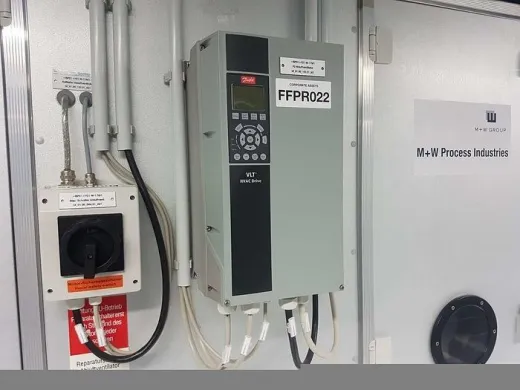
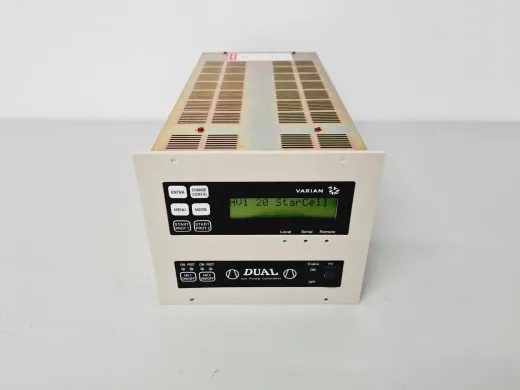
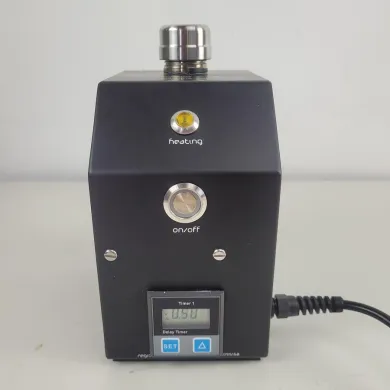
Controllers are the electronics that read gauge heads, display pressure and regulate it: single and multi-channel gauge controllers, drive units for turbomolecular pumps, and process controllers that hold a setpoint by switching a valve or varying pump speed, for instance to keep a rotary evaporator at the boiling pressure of a solvent. They differ from gauges in that they interpret and act on the signal rather than sense it. Compatibility with specific gauge heads and pump drives is the main check. Typical buyers are labs adding pressure regulation to evaporation and drying, and instrument builders replacing a controller in an existing setup.
Vacuum equipment
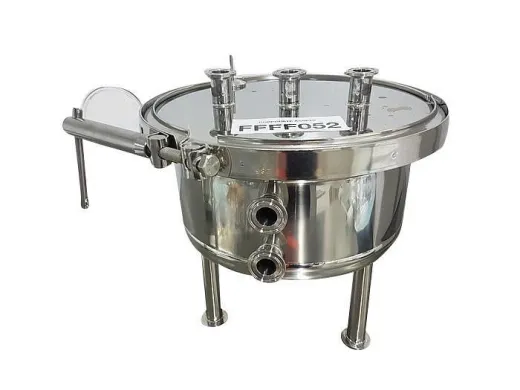
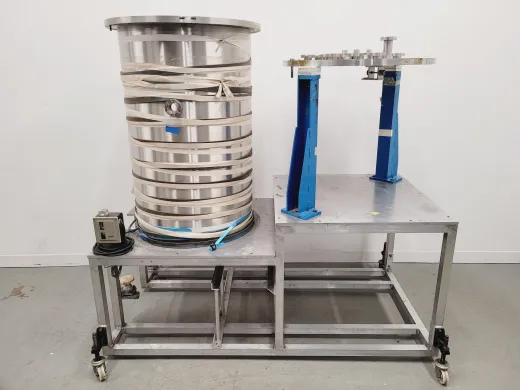
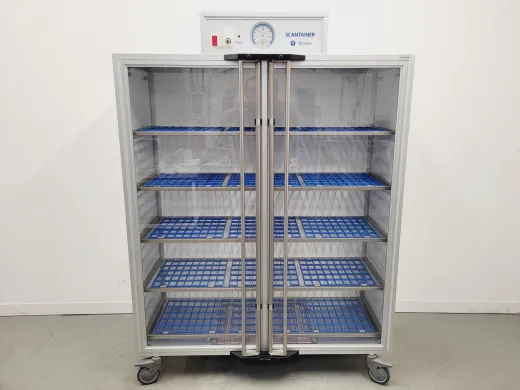
This is the broad grouping for hardware between the pump and the chamber: valves, flanges, fittings, bellows, feedthroughs, traps, manifolds, desiccators and drying ovens. Cold traps protect pumps from solvent vapor, and inline filters stop particles reaching them. Items are matched by flange standard, bore size and seal material, with elastomer seals for rough and high work and metal gaskets for ultra-high conditions. It is the category for completing or modifying a setup rather than generating or measuring pressure. Typical buyers are technicians and researchers assembling chambers, and labs replacing desiccators and ovens.
Vacuum gauges
Gauges measure pressure below atmosphere, and each principle covers part of the range. Pirani and thermocouple heads read rough pressure and depend on gas composition. Capacitance manometers measure the force on a diaphragm, giving gas-independent readings used for process control. Cold cathode and hot cathode heads read high and ultra-high pressure through gas ionisation, and combination heads span several decades in one sensor. Gauges sense but do not regulate, which separates them from controllers. Typical buyers are users of electron microscopes, deposition and freeze-drying equipment, and anyone replacing a head of the same type on an existing controller.
Vacuum pumps
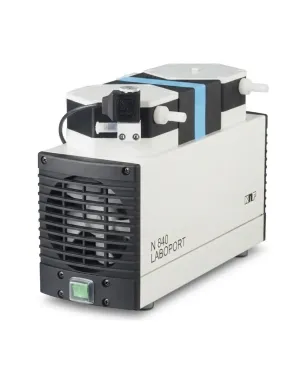
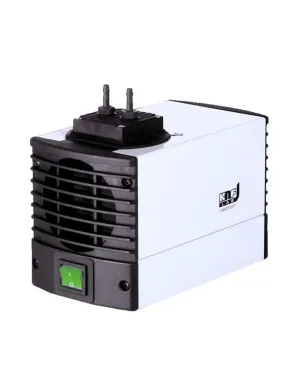
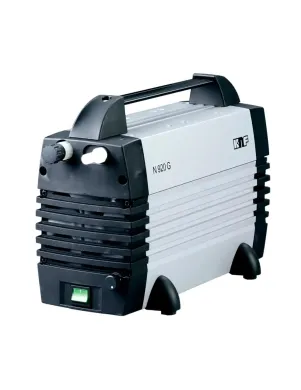
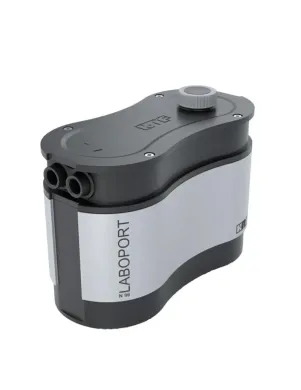
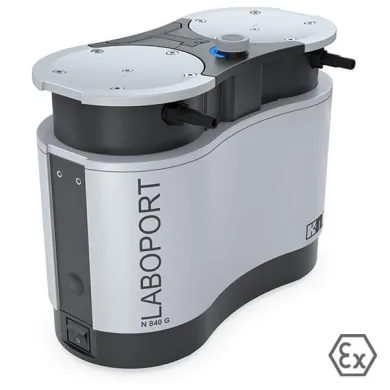
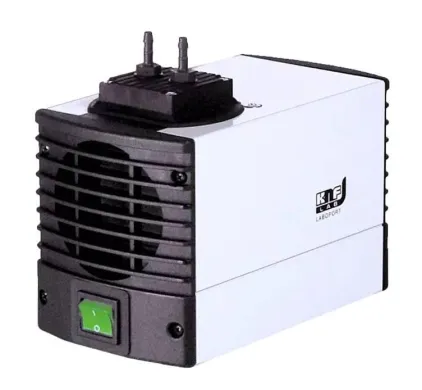
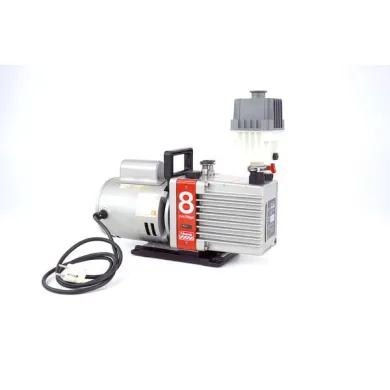
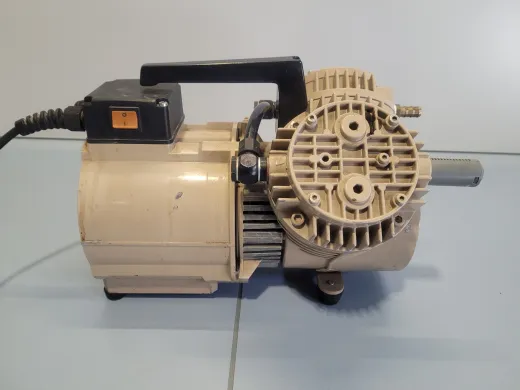
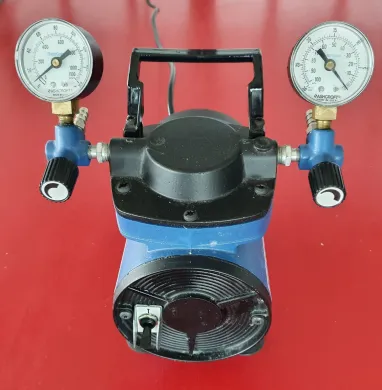
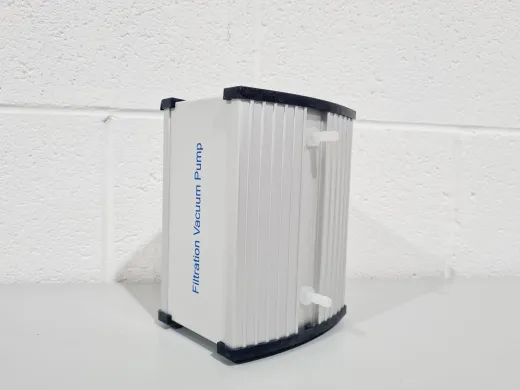
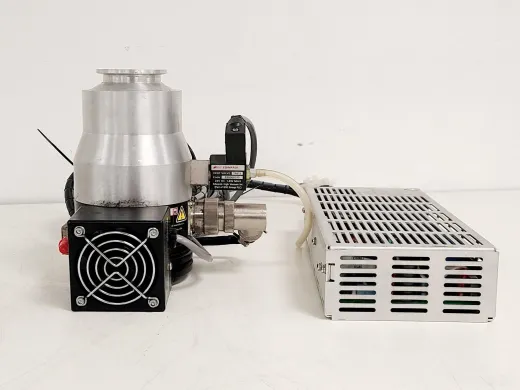
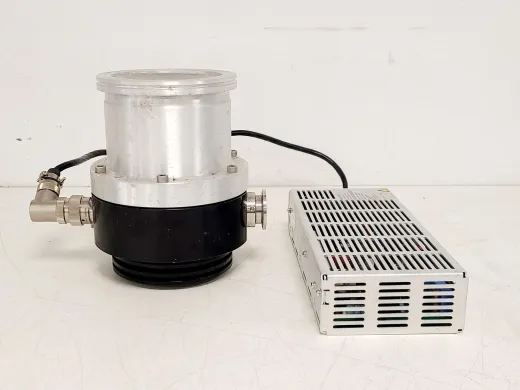
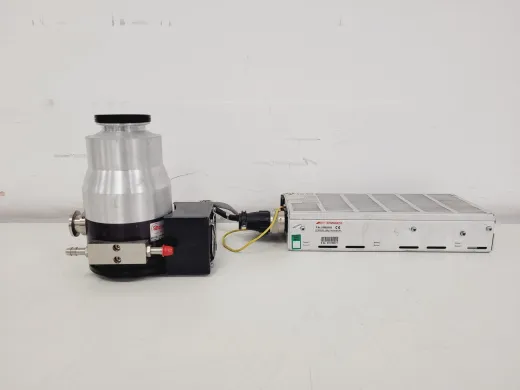
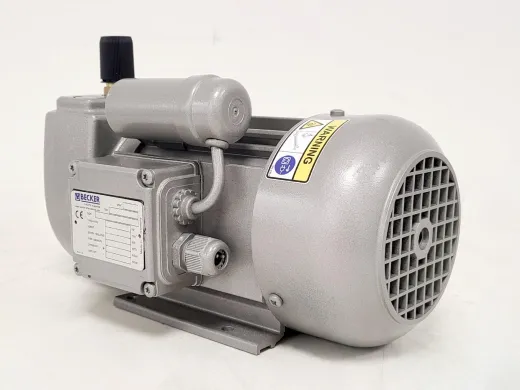
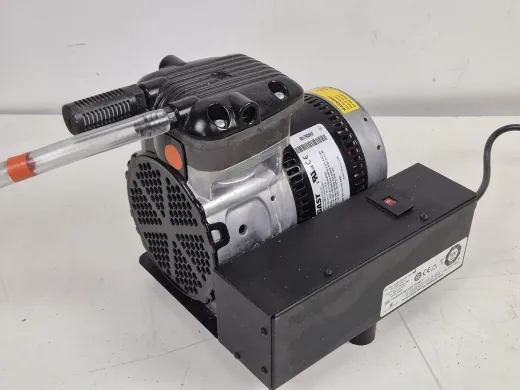
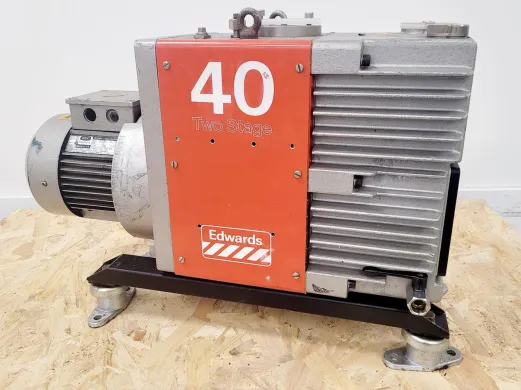
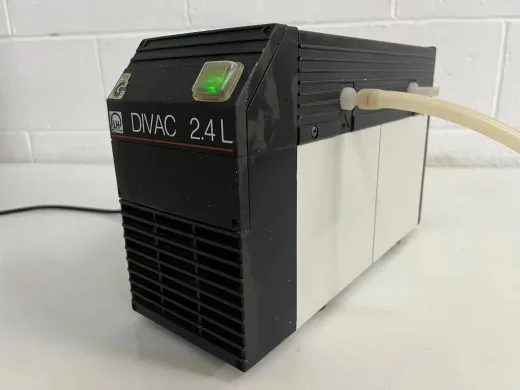
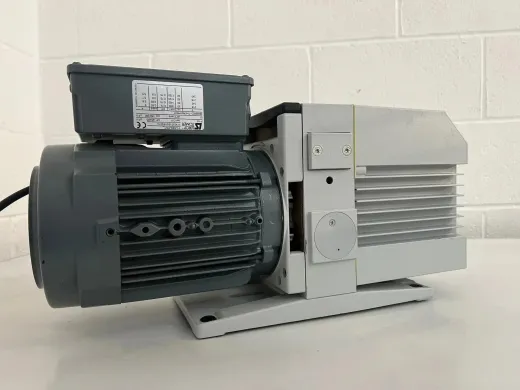
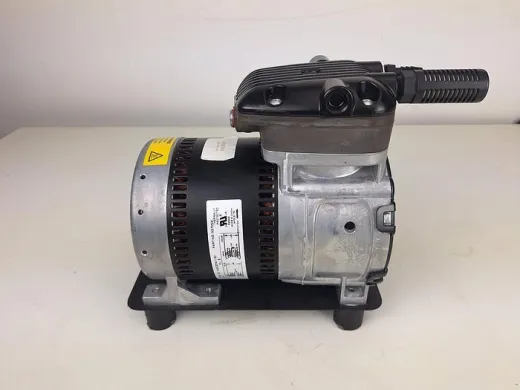
Pumps remove gas from the system and are chosen by pressure range and process. Diaphragm pumps are oil-free and chemically resistant, suited to evaporation and filtration. Rotary vane pumps are oil-sealed and reach lower rough pressures. Scroll pumps offer a dry alternative for clean applications and as backing pumps. Turbomolecular pumps reach high and ultra-high pressure on top of a backing pump, while ion and cryogenic pumps serve sealed ultra-high setups without oil. This is the category that sets what pressure a setup can reach. Typical buyers are chemistry labs, microscopy and mass spectrometry users, and physics and surface science groups.
Vacuum systems
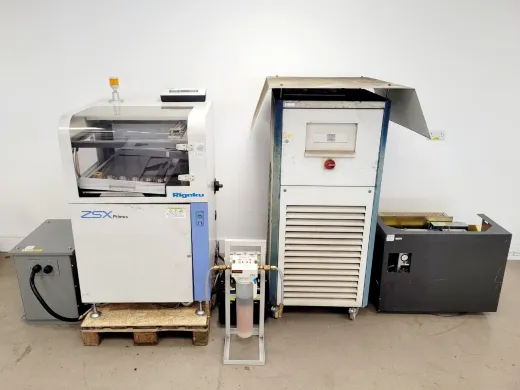
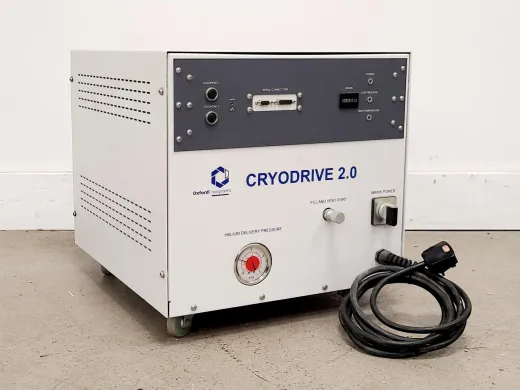
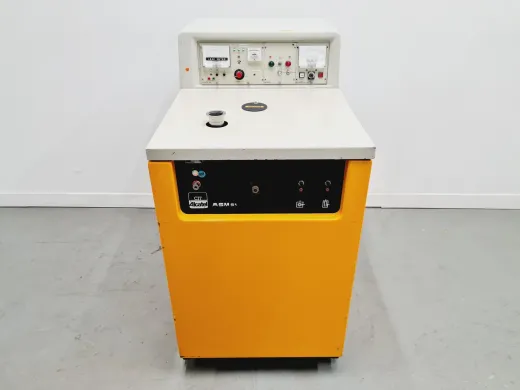
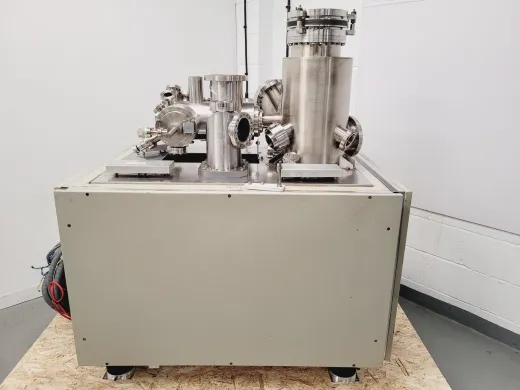
Systems are integrated assemblies of chamber, pumps, gauges, valves and controller built for one process: pumping stations with a turbomolecular and backing pump on a common frame, helium leak detectors, sputter and evaporation coaters, freeze-dryers built around a condenser and pump, and ultra-high chambers for surface science. Unlike the component categories, a system is bought and judged as a working whole, by base pressure, pump-down time and process capability. Typical buyers are research groups needing a ready setup, microscopy labs coating samples, and facilities replacing a complete station rather than individual parts.
About Questpair
Questpair is the European marketplace for lab equipment, where AI-prepared cases and personal specialists guide every purchase. We work with 247 verified suppliers across 38 countries to find buyers the right new, used or refurbished instruments, with response within 1 hour and significant savings vs buying new.
Personal · Fast · Reliable · Affordable