

Peristaltic pumps
We personally find you the right used, refurbished and new peristaltic pumps instruments & equipment from verified suppliers.
Peristaltic pumps are positive-displacement fluid transfer devices that move liquid by compressing and releasing a length of flexible tubing with a rotating set of rollers, so the pumped medium touches only the tube and never the mechanism. That isolation is why they dominate sterile and contamination-sensitive work in laboratory and bioprocessing settings. Across the Questpair catalogue 991 peristaltic pumps are listed from 18 verified suppliers and distributors in 9 countries. New, used and refurbished units appear side by side, and 97 percent of the listings are used, the remainder new. Prices run from EUR 43 to EUR 55.954.
Updated:
Peristaltic pumps product list
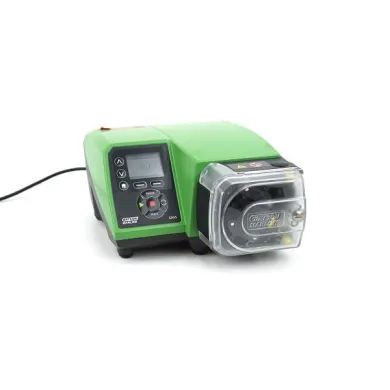
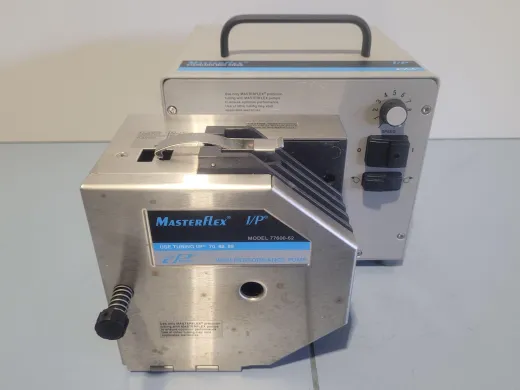
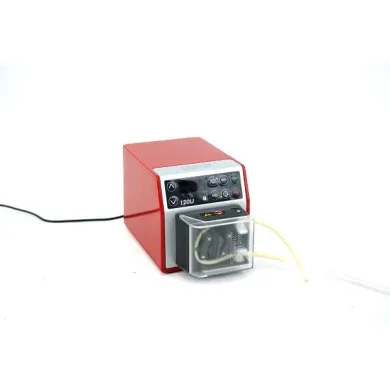


Not the exact instrument you need?
Tell our scientists what you are after. We track it down, including off-market supply.
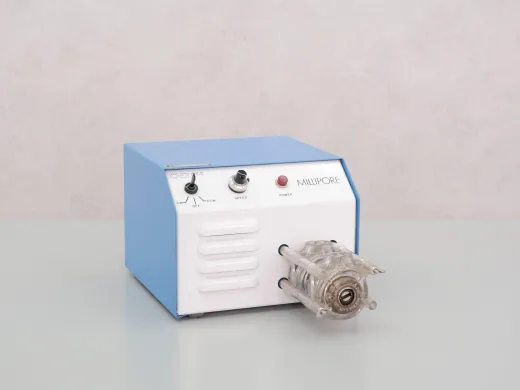
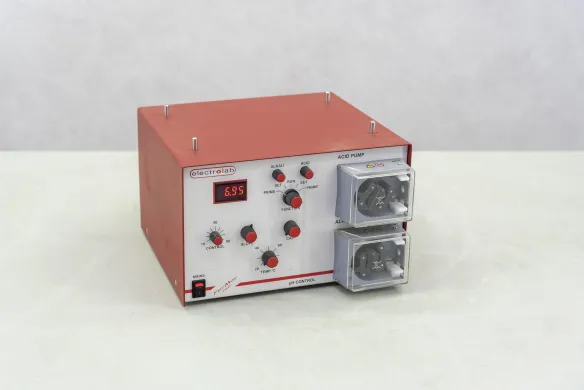
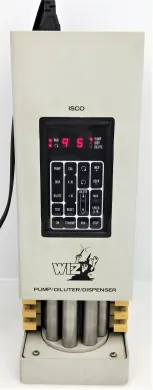
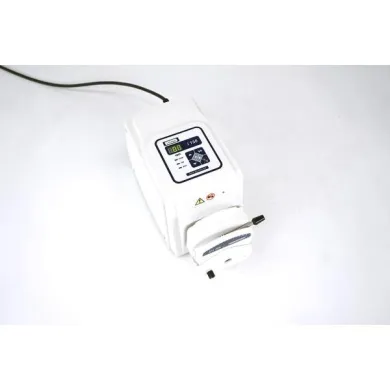
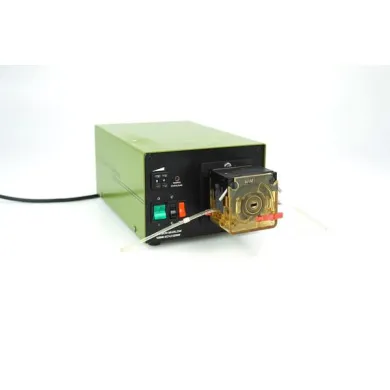
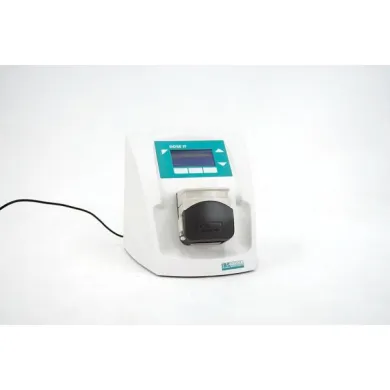
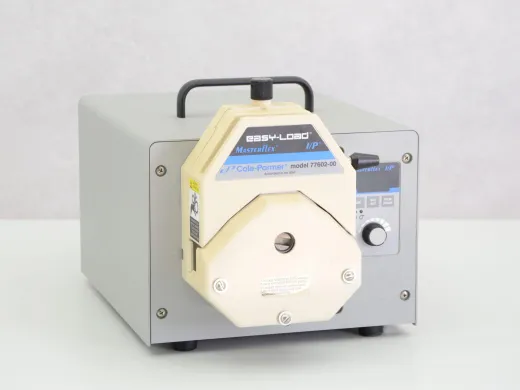
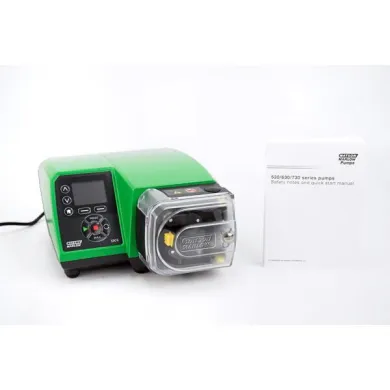
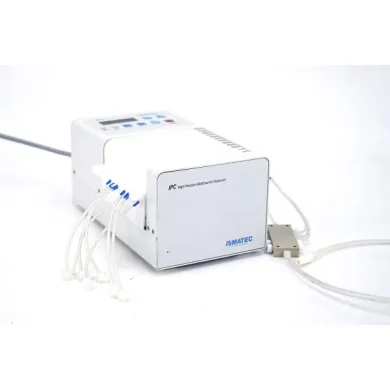
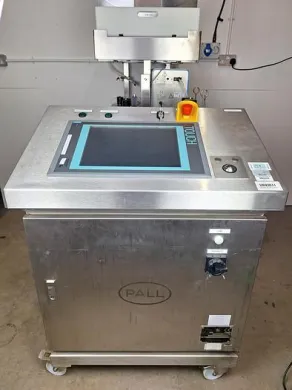
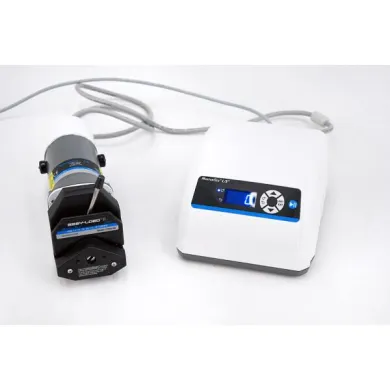
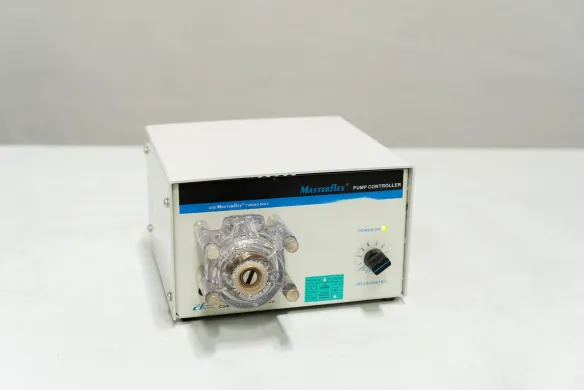
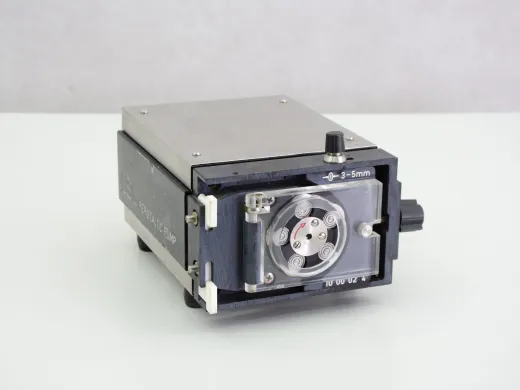
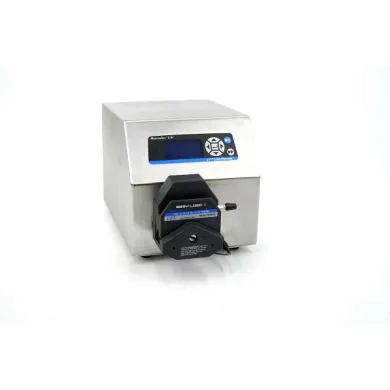
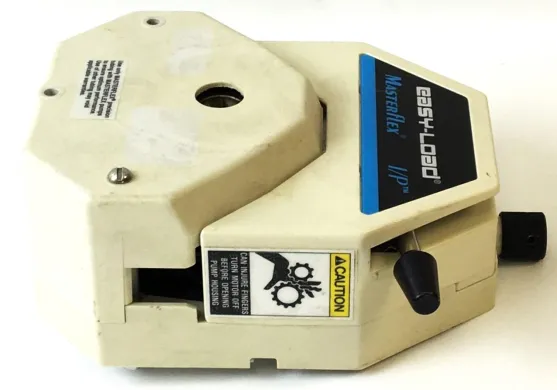
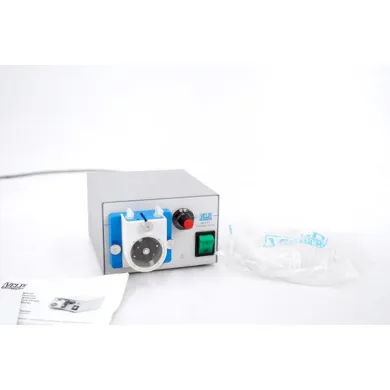
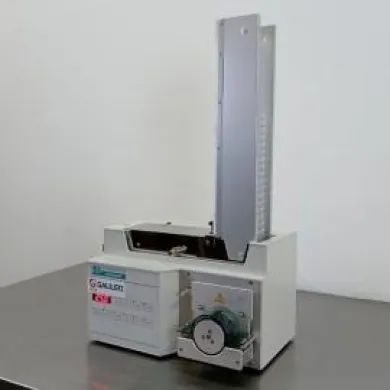
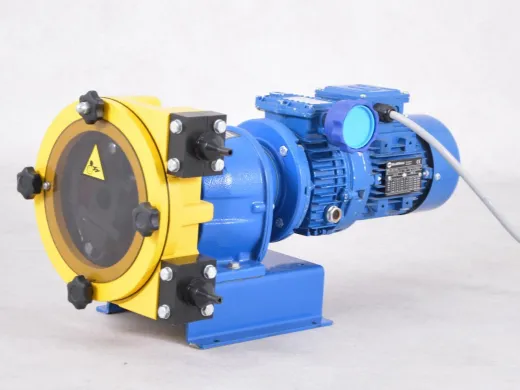
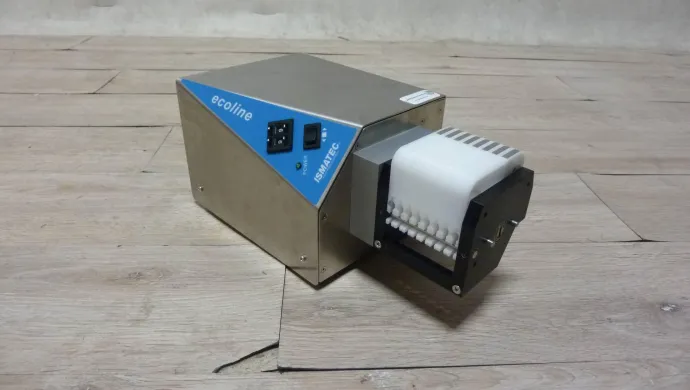
Not the exact instrument you need?
Tell our scientists what you are after. We track it down, including off-market supply.
Showing 1–40 of 332 listings
Show 40 more listingsBuying guide
The number that settles a peristaltic pump purchase is flow rate, and it is a narrower question than a datasheet suggests, because the same pump head delivers wildly different volumes depending on the tubing it carries. A pump specified to several litres per minute on wide-bore tubing drops to microlitres on fine capillary, so the figure to hold against your protocol is not the pump's headline maximum but the flow the pump and your chosen tube bore produce together. Once that range is fixed, the tubing material follows from it: the chemical compatibility and the pressure rating of silicone, Tygon, Viton or Marprene decide what the pump can actually handle, and the tube is the wear part, so its life under your duty cycle is an ongoing cost rather than a specification.
With flow and tubing settled, a used unit needs a different kind of check. The mechanism outlasts almost everything, but the occlusion setting, the rollers and the drive bearings carry the history of the previous owner's runs. Ask what the pump was used for, whether it ran continuously or intermittently, and whether the roller assembly shows flat spots or uneven compression, because a worn head pulses and loses accuracy even when it still turns. A variable-speed controller or a dispensing head adds value only if it is calibrated; verify that the display tracks the real delivered volume rather than trusting the number on the dial.
Price sits across a wide band on this marketplace, from EUR 43 to EUR 55.954, and the catalogue averages EUR 1.915. The spread covers everything from a bare fixed-speed transfer pump to a multi-channel bioprocess system with programmable dispensing and a sealed drive. Where it costs more, that usually buys channels, control resolution and a head rated for higher pressure, not raw throughput. For a buyer working to a budget, the used end of the catalogue is where the value is, since used and refurbished pumps are listed for sale below the price of new equipment, and Cole-Parmer, Watson Marlow, Watson-Marlow, Cole Parmer, Gilson appear at several points along that range so a given model is usually easy to compare like for like. Warranty on a used listing is arranged in consultation for the specific unit, so weigh that against the saving rather than assuming it.
Types of Peristaltic pumps
Which peristaltic pump types are listed?
Among the listings that specify a type, the catalogue splits along the work the pump does rather than along mechanism, since the roller-and-tube principle is common to all of them. Laboratory pumps cover general bench fluid transfer, metering and sample feed, usually single-channel and fixed or variable speed. Bioprocessing pumps and bioprocess pumps sit at the demanding end: sealed drives, sanitary tubing paths and the flow stability that cell culture, media addition and protein purification depend on, where a pulsing or drifting feed changes a result. Fluid transfer pumps are the plain workhorses, moving liquid from one vessel to another without dispensing logic, and tubing pumps name the same class by its defining part, often the simplest and cheapest units on the page. A buyer chooses by application first, bioprocessing if the fluid path has to stay sterile and the flow has to stay flat, a laboratory or transfer pump if it does not.
Peristaltic pumps carry real weight in biotechnology and life sciences because the fluid never meets the pump. In bioprocessing and biomanufacturing they feed media and buffers into bioreactors and run the continuous flows of perfusion cell culture. In downstream molecular biology they load columns for protein purification and drive the buffer exchange behind chromatography. The same single-use-tube isolation makes them standard for sterile media dispensing in microbiology and for the gentle, low-shear handling that keeps cells intact during harvest, so a peristaltic pump for cell culture or a bioprocess peristaltic pump for media addition is a routine search on this part of the catalogue.
The brands behind the peristaltic pump listings
Cole-Parmer, Watson Marlow, Watson-Marlow, Cole Parmer, Gilson account for most of what is listed here. For a buyer that concentration is useful: these are long-established makes with deep tubing and spare-part lines, so a used head is rarely orphaned, and a given model recurs often enough across the 991 listings that comparing two units like for like is straightforward. The well-known names also set the price anchors, with the bioprocess and multi-channel models at the upper end and the simple fixed-speed transfer pumps at the lower, so the brand on a listing is a quick read on roughly where in the range it sits.
What a used peristaltic pump costs here
The condition mix is heavily weighted toward pre-owned equipment: 97 percent of the listings are used. Prices range from EUR 43 to EUR 55.954. That spread runs from a bare single-channel tubing pump at the low end to a sealed, multi-channel bioprocess system at the top, and used and refurbished units are listed below new pricing throughout. Parts can be sourced via Questpair where a head or a drive needs attention.
Frequently asked questions
What is a peristaltic pump?
It is a positive-displacement pump that moves liquid by squeezing and releasing a flexible tube with a set of rotating rollers. Because only the tube contacts the fluid, the pumped medium never touches any mechanical part.
What does peristaltic actually mean?
The name comes from peristalsis, the wave-like muscle contraction that moves material through a digestive tract. The pump mimics that action by progressively compressing tubing to push fluid forward.
How do peristaltic pumps work?
Rollers mounted on a rotor press against a length of tubing, pinching it shut and dragging the occlusion along the tube as the rotor turns, which draws fluid in behind each roller and pushes it out ahead. The flow rate depends on rotor speed and tube bore together.
What types of peristaltic pumps are listed here?
The listings sort by application: laboratory pumps for bench transfer, metering and sample feed; bioprocessing and bioprocess pumps with sealed drives and sanitary paths; fluid transfer pumps for plain vessel-to-vessel movement; and tubing pumps, which name the same class by its wear part. The roller-and-tube mechanism is common to all of them.
What are peristaltic pumps used for?
They feed media and buffers into bioreactors, run perfusion cell culture flows, load chromatography columns and dispense sterile media in microbiology. The sealed fluid path makes them standard wherever the liquid has to stay uncontaminated or cells must be handled gently.
How do I choose the right peristaltic pump?
Start with the flow rate your protocol needs, but check it against the tube bore you intend to use, since the same head delivers very different volumes on wide versus fine tubing. Then confirm the tubing material, silicone, Tygon, Viton or Marprene, suits your chemistry and pressure, because the tube is the wear part and a recurring cost.
What is the difference between refurbished and used pumps?
A used pump is sold in its working condition as it came from the previous owner, while a refurbished unit has been checked and brought back toward working order. Both appear on this page below new pricing, and the specific listing describes what was done to it.
How much does a peristaltic pump cost?
Listings on this page range from EUR 43 to EUR 55.954, with the catalogue averaging EUR 1.915. The low end is a bare single-channel tubing pump and the high end a multi-channel bioprocess system with sealed drive and programmable dispensing.
Which brands are worth looking at?
Cole-Parmer, Watson-Marlow and Gilson account for a large share of the listings here. They are long-established makes with deep tubing and spare-part lines, so a used head is rarely left without replacement parts.
Is there a warranty on a refurbished pump?
A warranty is often possible and is arranged in consultation for the specific listing. Check the terms against the saving on that unit rather than assuming cover comes as standard.
Can I still get parts for these pumps?
Parts can be sourced via Questpair when a head, roller assembly or drive needs attention. The concentration of well-established brands in these listings means replacement tubing and spares are generally available for the common models.
How long does a peristaltic pump last?
The mechanism, rotor and drive outlast almost everything else on the pump, so the limiting part is usually the tubing, which wears under compression and is replaced regularly. The occlusion setting, rollers and drive bearings carry the history of the previous owner's duty cycle, so those are the items to inspect on a used unit.
Should I buy new or used?
Used and refurbished pumps are listed below the price of new equipment, and the brands here recur often enough that comparing two units like for like is straightforward. On a used listing, verify the occlusion setting and roller condition, since a worn head pulses and loses accuracy even when it still turns.
Where can I buy a peristaltic pump?
This page lists 991 peristaltic pumps from 18 verified suppliers and distributors across 9 countries. New, used and refurbished units appear side by side so you can compare condition and price in one place.
What are the lead time and shipping like?
Lead time and shipping depend on the individual listing and the supplier offering it, so the specific product page carries the detail. If it is not shown, Questpair specialists respond within one hour to a question about a listing.
How do I calibrate and maintain one?
The main maintenance task is replacing the tubing before it fatigues, since a worn tube changes delivered volume. For calibration, verify that a variable-speed controller or dispensing head tracks the real delivered volume against a measured sample rather than trusting the dial, because the displayed figure drifts as the tube and rollers wear.
Which pump types are listed most, and who reaches for each?
Laboratory and fluid transfer pumps cover general bench work and vessel-to-vessel movement, which is what most routine users need. Bioprocessing and bioprocess pumps sit at the demanding end, chosen when the fluid path must stay sterile and the flow has to stay flat for cell culture, media addition or protein purification.
Which brands dominate this category and what does that mean for a buyer?
Cole-Parmer, Watson-Marlow and Gilson make up the bulk of these listings. For a buyer that concentration means a given model recurs across the catalogue, spares and tubing are easy to find, and the brand on a listing is a quick read on roughly where in the price range the unit sits.
What separates the cheapest pumps here from the most expensive?
The low end is a bare fixed-speed single-channel tubing pump that moves liquid and nothing more. Paying more buys channels, finer control resolution, programmable dispensing and a head rated for higher pressure, rather than raw throughput.