

Pumps (liquid, other)
We personally find you the right used, refurbished and new pumps (liquid, other) instruments & equipment from verified suppliers.
Pumps for liquid and other fluid handling are devices that move, meter or evacuate fluids in a laboratory, covering liquid transfer, suction, metering and the generation of vacuum. New, used and refurbished units are listed on Questpair, spanning benchtop diaphragm units through to large rotary vane vacuum systems. Of the 985 liquid and other pumps catalogued, 73 percent are used and the remainder new. The range runs from compact dosing heads to industrial-scale evacuation equipment, which is why prices span EUR 30 to EUR 35.000. Buyers across 9 countries source these from 11 verified suppliers and distributors.
Updated:
Pumps (liquid, other) product list


Not the exact instrument you need?
Tell our scientists what you are after. We track it down, including off-market supply.
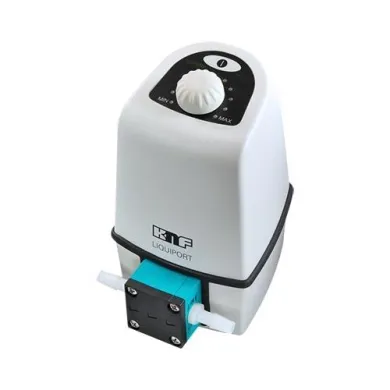
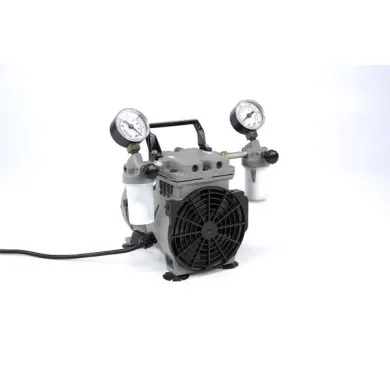
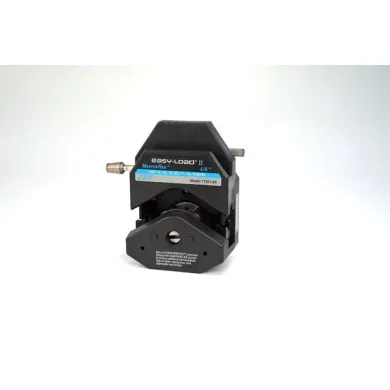
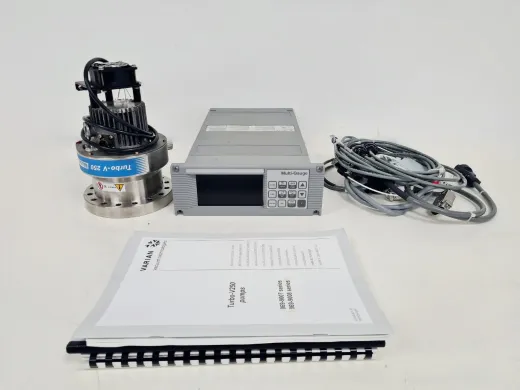
Not the exact instrument you need?
Tell our scientists what you are after. We track it down, including off-market supply.
Showing 1–40 of 422 listings
Show 40 more listingsBuying guide
The first question in this category is what the pump has to do to the fluid, because that single answer rules most of the catalogue in or out. A pump built to generate vacuum and a pump built to meter a corrosive reagent at a set rate share almost nothing in construction, and a diaphragm unit that is ideal for the first is wrong for the second. Decide whether you need suction, transfer, dosing or a defined vacuum level before you look at any specification sheet.
Once the duty is fixed, the fluid path settles the rest. Chemical compatibility is the specification that quietly decides the purchase: the wetted materials, the seals and the diaphragm or tubing have to survive whatever passes through them. A pump rated for water will fail quickly on an aggressive solvent, so match the wetted parts to the medium first, then look at flow rate, pressure and the ultimate vacuum the unit can reach. A peristaltic head is chosen for what touches only the tubing; a rotary vane unit is chosen for the vacuum it pulls.
A used pump needs more verification than most laboratory equipment because its moving parts wear. Ask about running hours, the condition of the diaphragm or vane, and whether the seals have been replaced. For a vacuum pump, confirm the oil state and the ultimate pressure still reached; for a peristaltic unit, the roller condition and whether fresh tubing is included. A unit that has handled only water or buffer is a different proposition from one run on solvents, so the service history matters as much as the model number.
Price tracks capacity and duty rather than brand. The cost of a small dosing or diaphragm unit sits at the bottom of the band near EUR 30, while a large evacuation system reaches EUR 35.000, with the average around EUR 2.512. A budget stretches furthest in the used segment, where units are listed for sale at prices below new. Warranty is arranged in consultation for the specific listing, so a refurbished unit need not mean no cover. Set the budget against the duty, not against the badge, since an affordable used diaphragm pump can out-serve an oversized new one for most benchtop work.
Types of Pumps (liquid, other)
Which pump types are listed in this category?
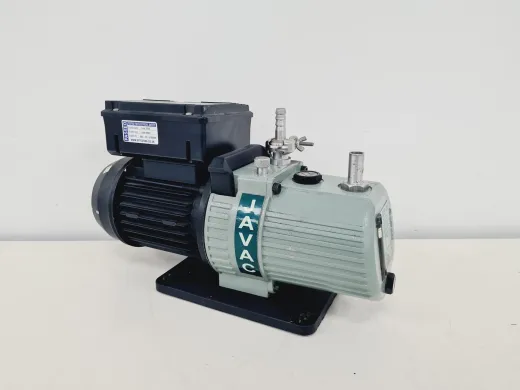
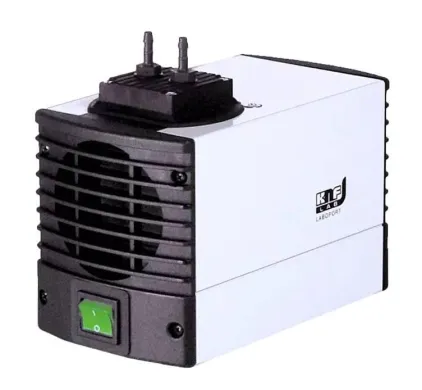
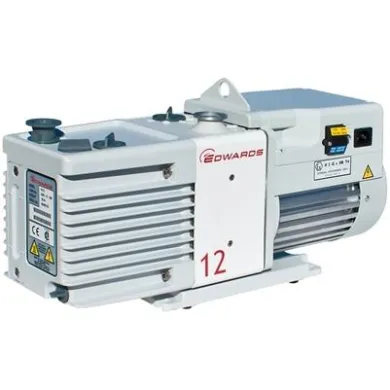
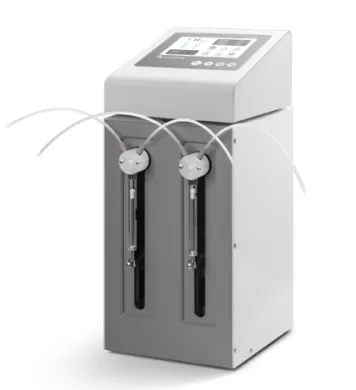
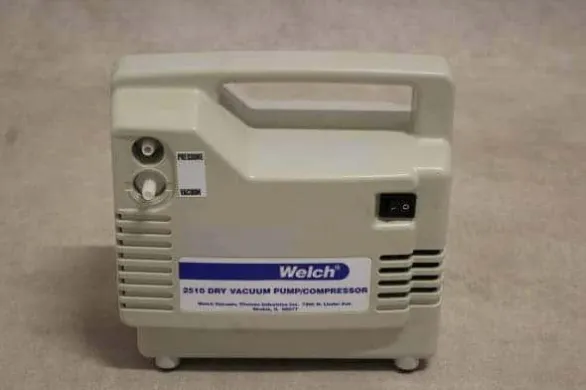
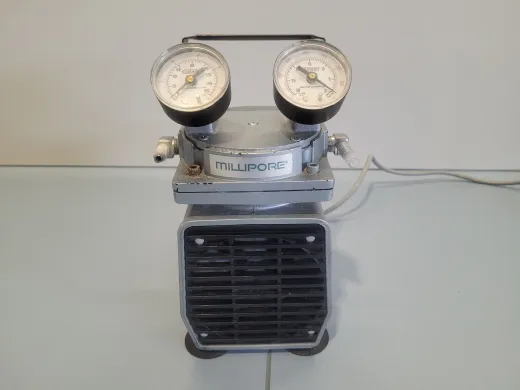
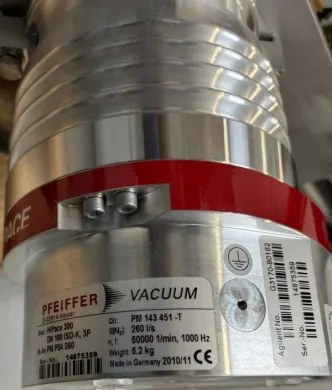
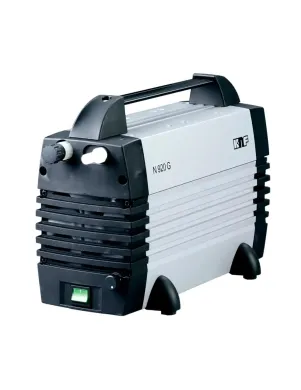
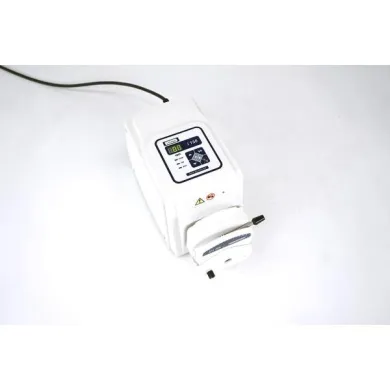
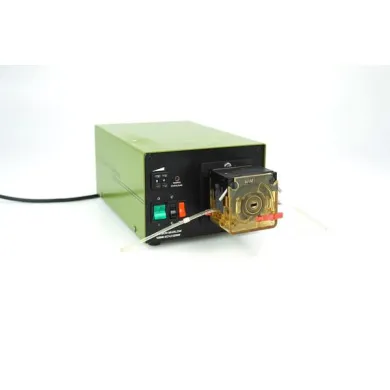
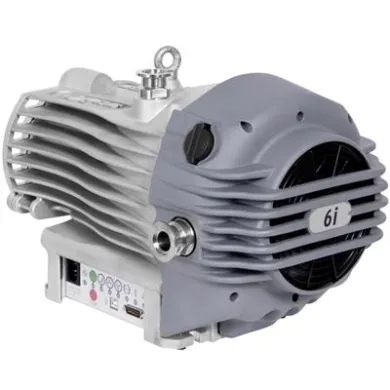
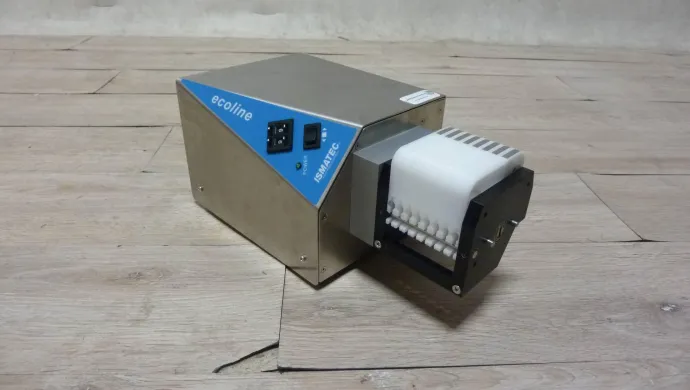
Among the listings that specify a type, the catalogue splits along the mechanism that moves the fluid. Diaphragm pumps use a flexing membrane to push fluid or draw a vacuum, keeping the drive sealed away from the medium, which suits aggressive vapours and corrosive liquids. Peristaltic pumps squeeze fluid through flexible tubing with a set of rollers, so only the tubing is wetted and the fluid never touches the mechanism, the reason they dominate sterile transfer and cell culture work. Vacuum pumps, including rotary vane designs, exist to evacuate rather than transfer, feeding filtration, rotary evaporation and freeze drying. General laboratory pumps cover the transfer and circulation duties that fall outside those specialist roles. In life sciences the peristaltic head is the standard tool for aseptic fluid handling in cell culture and bioprocessing, moving media and buffers without contamination, and these units also serve protein purification rigs where a gentle, pulse-controlled flow feeds a chromatography column. Vacuum pumps underpin the filtration steps common to microbiology and molecular biology sample preparation.
The brands behind the pump listings
The names that recur are KNF, Edwards, VACUUBRAND, Watson Marlow, Heidolph. For a buyer this concentration is useful: parts, seals and replacement tubing for these makers are widely stocked, so a used unit from one of them is easier to keep running than an obscure import. It also makes comparison straightforward, since several listings of the same family sit side by side at different ages and prices. KNF and VACUUBRAND are associated with diaphragm and chemical-duty vacuum work, Edwards with rotary vane vacuum systems, and Watson Marlow with peristaltic pumping, which lets a buyer narrow by duty before model.
What a used pump costs here
The condition mix leans used: of the 985 pumps catalogued, 716 are used against 266 new. The price range covers EUR 30 to EUR 35.000. That spread reflects the gap between a small dosing or diaphragm head and a large rotary vane vacuum system, not a difference in condition alone. Used and refurbished units are listed below new prices, and warranty on any given unit is arranged in consultation for that listing.
Frequently asked questions
What is a pump in the liquid and other category?
It is a device that moves, meters or evacuates fluid in a laboratory setting, covering liquid transfer, suction, dosing and vacuum generation. The category spans benchtop diaphragm heads through to large rotary vane vacuum systems.
What does the 'liquid, other' label mean here?
It groups pumps by their fluid-handling role rather than a single mechanism, so liquid transfer, metering, suction and vacuum duties sit together. The common thread is that each unit acts on a fluid, whether it pushes, draws or evacuates it.
How do these pumps work?
The mechanism depends on the type: a diaphragm pump flexes a membrane to push fluid or pull a vacuum, a peristaltic pump squeezes tubing with rollers, and a rotary vane vacuum pump uses rotating vanes to evacuate air. The common goal is to move or remove fluid at a controlled rate or pressure.
What types are listed in this category?
The listings include laboratory pumps, vacuum pumps, diaphragm pumps and peristaltic pumps, alongside general laboratory equipment. They split by the mechanism that moves the fluid, which decides which duties each one suits.
What are these pumps used for?
Common uses are liquid transfer and circulation, metering or dosing reagents, filtration, rotary evaporation, freeze drying, and aseptic fluid handling in cell culture and bioprocessing. The duty, suction, transfer, dosing or a defined vacuum level, determines which type fits.
How do I choose the right pump?
Start with what the pump has to do to the fluid, since that rules most of the catalogue in or out, then match the wetted parts, seals and diaphragm or tubing to the medium. After chemical compatibility, check flow rate, pressure and the ultimate vacuum the unit reaches.
What is the difference between refurbished and used?
A used pump is sold in its existing condition, while a refurbished unit has had wear parts such as seals, diaphragms or tubing checked or replaced before sale. For either, ask about running hours and service history, since a unit run only on water differs from one run on solvents.
How much does a pump cost here?
Prices range from EUR 30 to EUR 35.000, with the average around EUR 2.512. The spread reflects the gap between a small dosing or diaphragm head and a large rotary vane vacuum system, not condition alone.
Which brands are worth considering?
The names that recur in this category are KNF, Edwards, VACUUBRAND, Watson Marlow and Heidolph. KNF and VACUUBRAND are associated with diaphragm and chemical-duty vacuum work, Edwards with rotary vane vacuum systems, and Watson Marlow with peristaltic pumping.
Is there a warranty on a refurbished pump?
A warranty is often possible and is arranged in consultation for the specific listing. Check the individual listing and raise the question with the supplier before purchase.
Can I get spare parts for these pumps?
Parts such as seals, diaphragms and replacement tubing can be sourced via Questpair. The recurring brands in this category have widely stocked wear parts, which makes a used unit from one of them easier to keep running than an obscure import.
How long does a laboratory pump last?
Lifespan depends on duty and the fluids handled, since the moving parts wear: diaphragms, vanes, seals and tubing are the consumables. A pump run only on water or buffer tends to last longer than one run on aggressive solvents, which is why service history matters.
Should I buy new or used?
Used and refurbished units are listed at lower prices than new. Which makes sense depends on the duty and the budget, so weigh the specific listing, and note that warranty is arranged in consultation rather than set centrally.
Where can I buy these pumps?
They are listed on Questpair from 11 verified suppliers and distributors, serving buyers across 9 countries. The category holds 985 liquid and other pump listings in new, used and refurbished condition.
What are the lead time and shipping like?
Lead time and shipping depend on the supplier and the unit, since the listings come from separate verified suppliers and distributors. Confirm both against the specific listing before ordering.
What calibration and maintenance do these pumps need?
For a vacuum pump, check the oil state and confirm the ultimate pressure still reached; for a peristaltic unit, inspect the roller condition and replace the tubing. Diaphragm pumps need periodic diaphragm and valve checks, and wear parts can be sourced via Questpair.
Which types are listed most and who reaches for which?
Laboratory pumps, vacuum pumps, diaphragm pumps and peristaltic pumps recur across the listings. Life sciences teams reach for the peristaltic head for aseptic transfer in cell culture and protein purification, while microbiology and molecular biology work relies on vacuum pumps for filtration.
Which brands dominate this category and what does that mean for a buyer?
KNF, Edwards, VACUUBRAND, Watson Marlow and Heidolph recur across the listings. That concentration means parts, seals and tubing are widely stocked and several listings of the same family sit side by side at different ages and prices, which makes comparison straightforward.
What separates the bottom of the price band from the top?
The bottom of the band near EUR 30 is a small dosing or diaphragm unit, while the top at EUR 35.000 is a large rotary vane evacuation system. Capacity and duty drive the difference, not the badge, so a used diaphragm pump can serve most benchtop work for less than an oversized new unit.