

Pumps (metering)
We personally find you the right used, refurbished and new pumps (metering) instruments & equipment from verified suppliers.
Metering pumps are laboratory and process pumps built to deliver a precise, repeatable volume of fluid per unit of time, rather than simply moving liquid from one place to another. New, used and refurbished units are listed across the Questpair catalogue, drawn from 13 verified suppliers and distributors in 7 countries. Of the current listings, 97 percent are used. The category spans 332 laboratory pump listings, from low-flow syringe drives to bioprocessing heads, with prices from EUR 1 to EUR 47.345. What separates a metering pump from a transfer pump is dosing accuracy: the figure that matters is how closely delivered volume tracks the set point across a run.
Updated:
Pumps (metering) product list
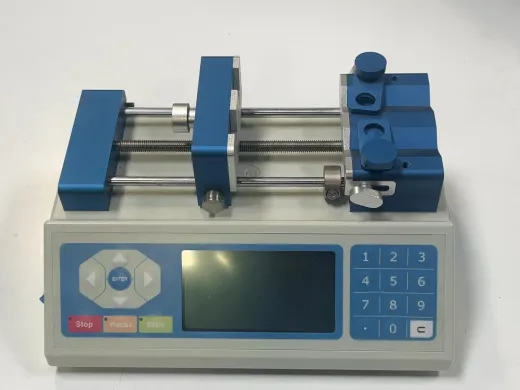
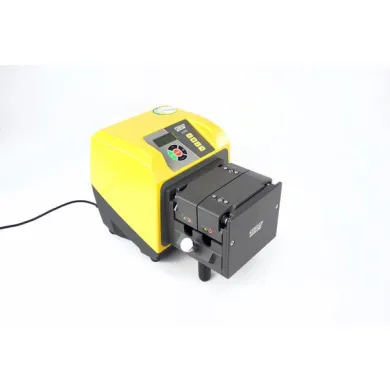
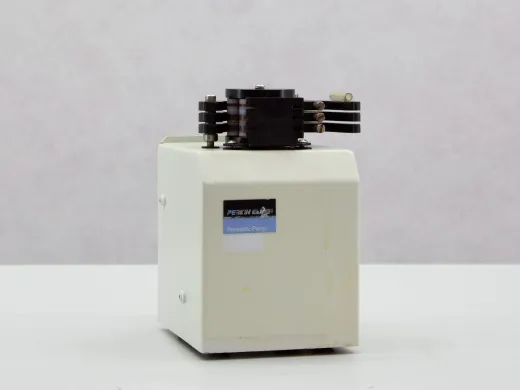
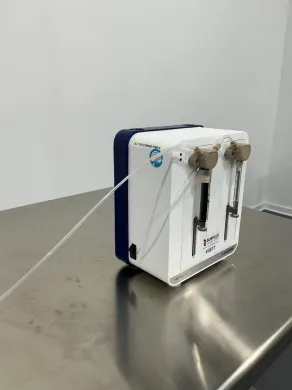
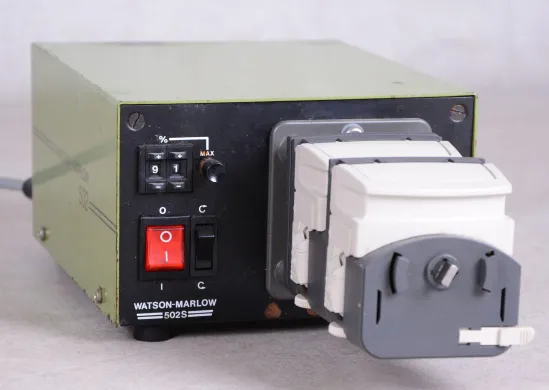


Not the exact instrument you need?
Tell our scientists what you are after. We track it down, including off-market supply.
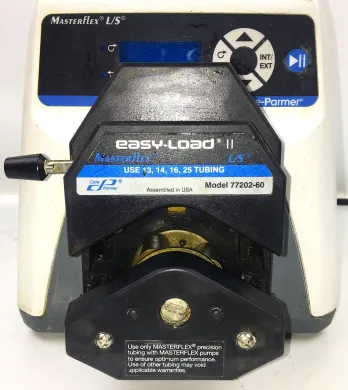
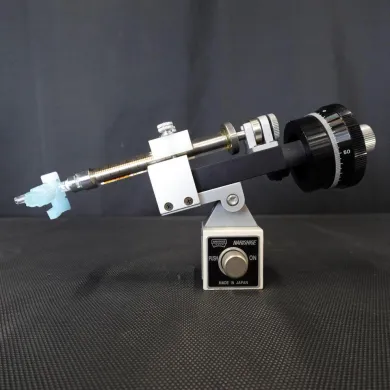
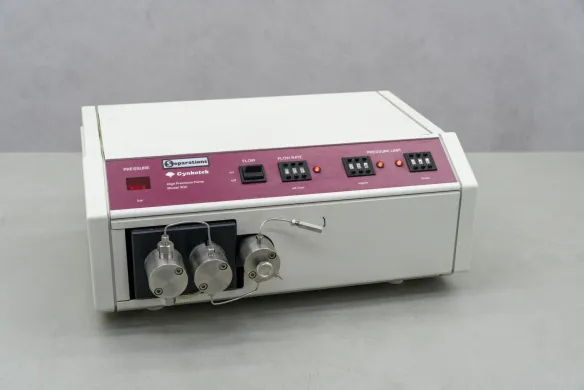
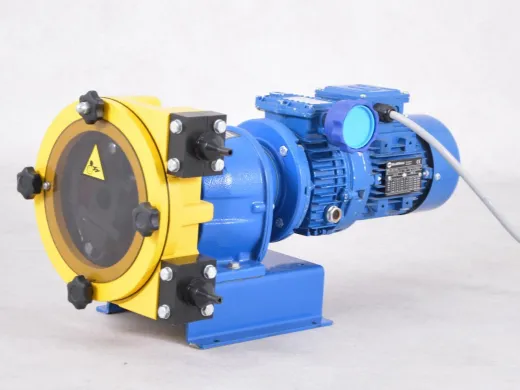
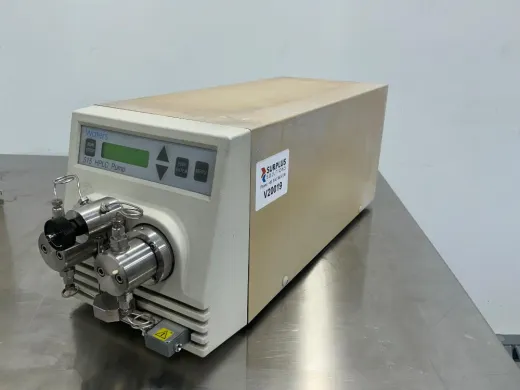
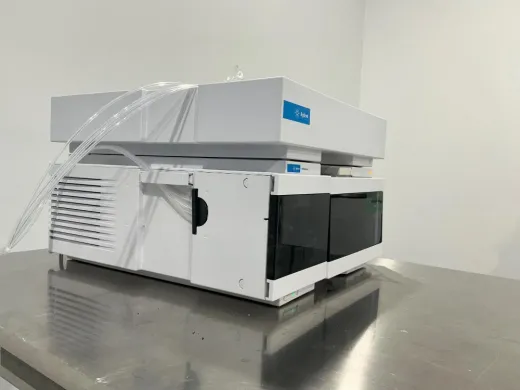
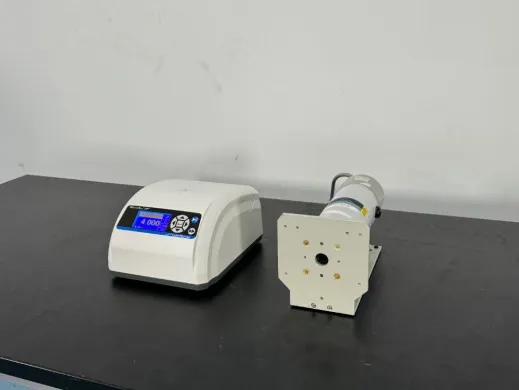
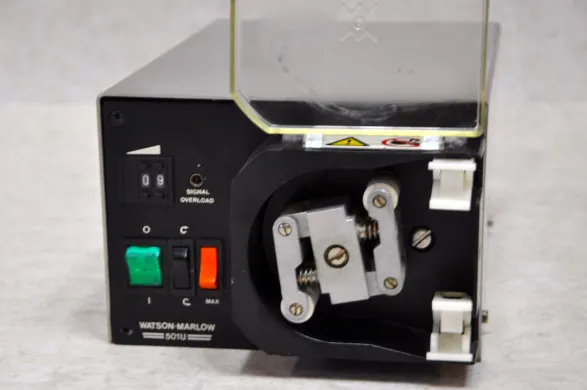
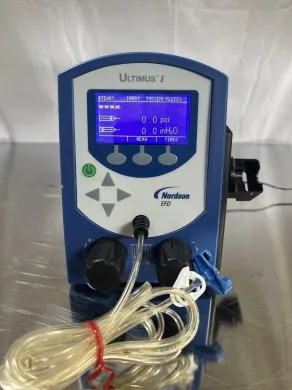
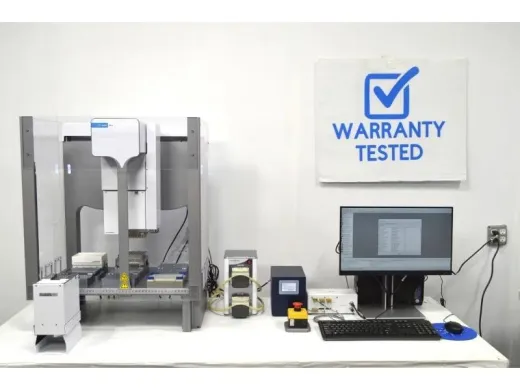
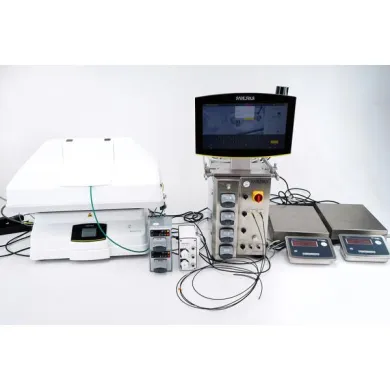
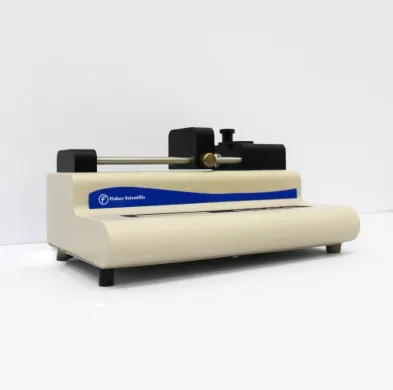
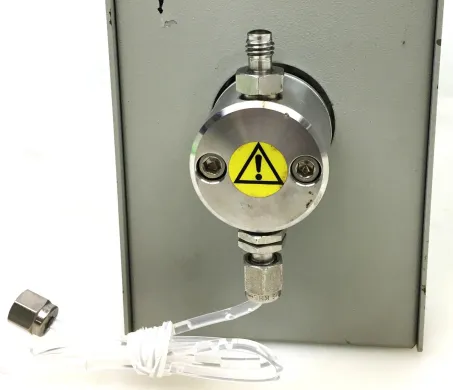
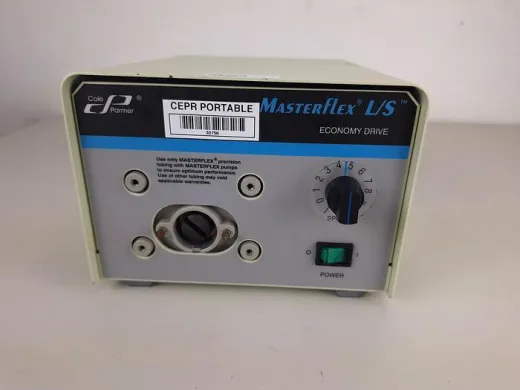
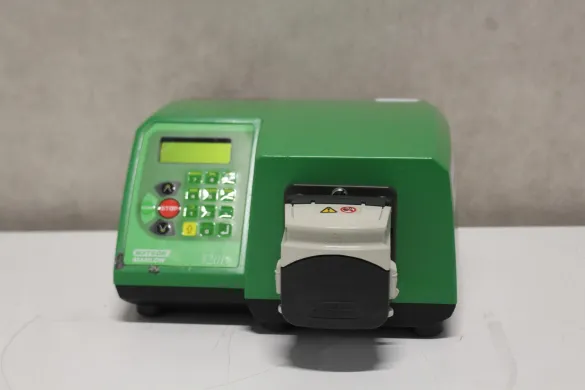
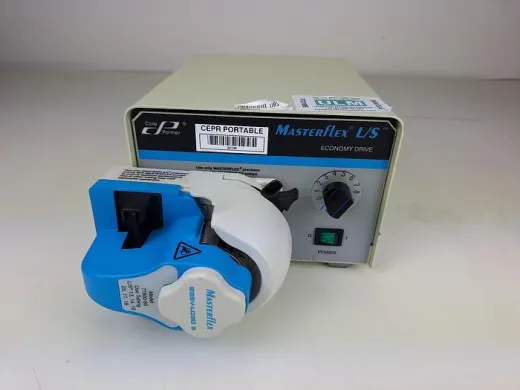
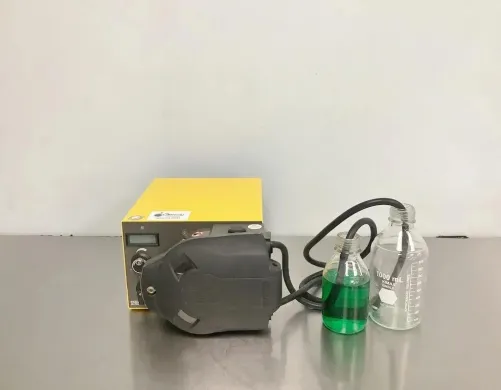
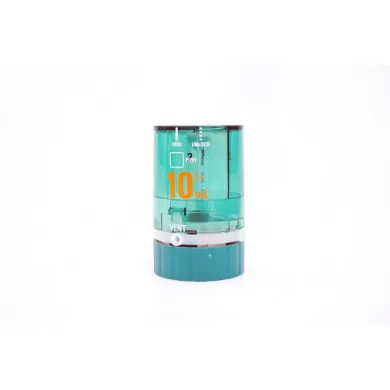
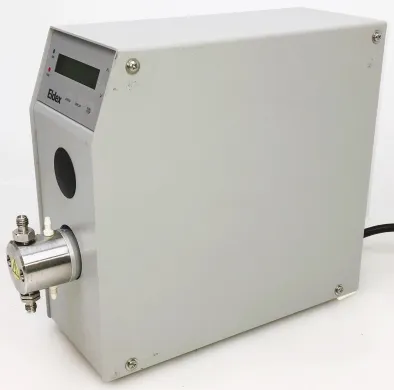
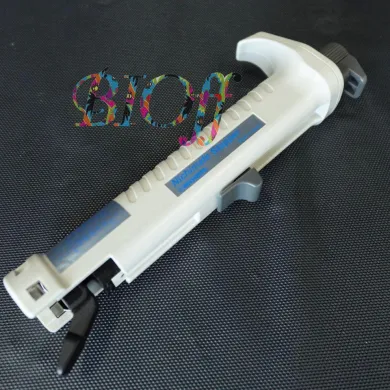
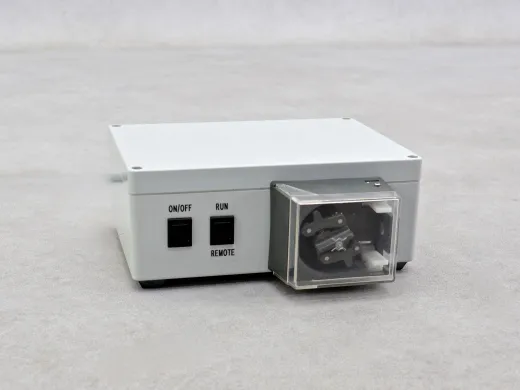
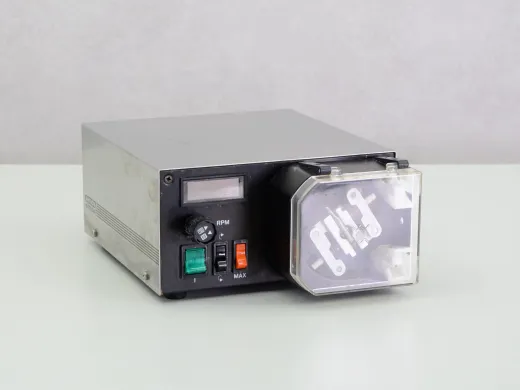
Not the exact instrument you need?
Tell our scientists what you are after. We track it down, including off-market supply.
Showing 1–40 of 121 listings
Show 40 more listingsBuying guide
What flow accuracy a metering pump actually needs?
The specification that settles a metering pump purchase is the flow range paired with its dosing accuracy, because a pump that is accurate at 10 mL per minute may drift badly at 0.1 mL per minute. Work out the delivery rate the application demands first, then the tolerance around it, and only then look at head type. A syringe drive holds tight tolerances at very low volumes and loses out on continuous duty; a peristaltic head runs continuously and tolerates particulates and viscous media, at the cost of tube wear that shifts calibration over time. Chemical compatibility follows from this, since the wetted path, tube material or syringe barrel, has to survive the fluid without swelling or leaching.
Condition carries more weight here than the datasheet admits, because a used pump's accuracy depends on parts that age. On a peristaltic unit the tubing is consumable and its state at sale tells you little; what matters is whether the rollers and occlusion bed are worn, since both pull the delivered volume off the set point. On a syringe pump, check the lead screw and the seals, and ask whether the unit holds its stated accuracy under load rather than at rest. A recalibration against a known mass or volume is the only honest test, and a seller who has done one can say so.
Prices in this category run from EUR 1 to EUR 47.345, with an average near EUR 2.466, and the spread maps onto exactly those two divides: a bare benchtop peristaltic head sits low, a validated bioprocess skid or a multi-channel syringe system sits high. That price span is the main reason to look at used stock, since used and refurbished units are listed for sale below new pricing, and for a buyer whose budget will not stretch to a new validated system a sound second-hand pump covers the same duty. What a metering pump costs on this marketplace is therefore less about the brand badge than about flow range, channel count and whether the unit arrives documented. The brands that occupy the band are covered below.
Types of Pumps (metering)
Which metering pump types are listed here?
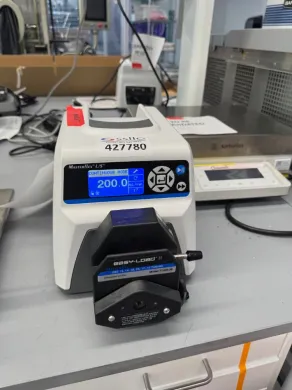
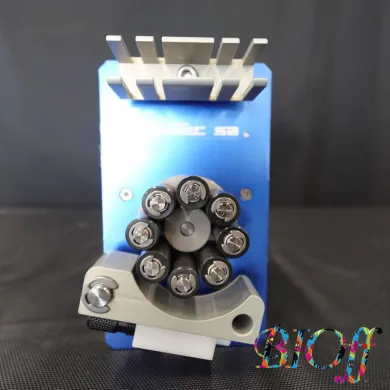
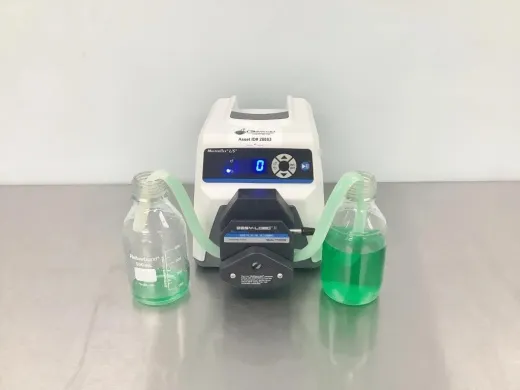
Among the listings that specify a type, the peristaltic pump is the most common, and for good reason: the fluid never touches the mechanism, only the tube, which makes it the default for sterile and single-use work. These sit alongside general laboratory pumps, bioprocessing and bioprocess pumps, fluid transfer pumps and syringe pumps. The syringe pump is the precision end of the range, a motor-driven plunger that delivers microlitre to millilitre volumes at a controlled rate, where repeatability matters more than throughput. Fluid transfer pumps overlap the category at its edge, where moving a defined volume and dosing it start to blur.
Peristaltic and bioprocess pumps carry most of the category's life sciences work. A peristaltic head is the standard tool for cell culture media exchange and for perfusion in bioprocessing, where a closed, sterilisable flow path keeps a bioreactor fed without contamination. The same head is also used for protein purification, driving buffer and sample through chromatography columns at a steady rate, and for tangential flow filtration in biomanufacturing. Syringe pumps run the low-volume dosing behind molecular biology and microfluidics, metering reagents for cell imaging and for immunoassay preparation where a few microlitres decide the result. These pumps are also used for sterile liquid handling in biomanufacturing and for feed control in synthetic biology fermentation.
The brands behind the metering pump listings
The recurring names are Cole-Parmer, Watson Marlow, Cole Parmer, Watson-Marlow, Hamilton. For a buyer this matters in practical terms: Watson-Marlow and Cole-Parmer are both long-established in peristaltic pumping, which means replacement tube sets and pump heads are widely available and a given model is easy to compare against its successor. Hamilton's presence reflects the precision syringe end of the category. A pump from a brand with a deep installed base is easier to recalibrate and to service through third parties, and parts can be sourced via Questpair.
What a used metering pump costs here
Of the listed pumps, 97 percent are used. Prices span EUR 1 to EUR 47.345, and that range covers everything from a bare benchtop head to a complete bioprocess system. Used and refurbished units are listed below new pricing, and where a warranty is wanted it is arranged in consultation for the specific listing.
Frequently asked questions
What is a metering pump?
A metering pump is a laboratory or process pump built to deliver a precise, repeatable volume of fluid over time rather than just to move it. The flow rate is set and held, so a known quantity reaches the line on each stroke or rotation.
What does metering mean on a pump?
Metering refers to dosing a controlled quantity of fluid, as opposed to simple transfer where only the direction of flow matters. The defining trait is accuracy: the pump holds a set rate so the delivered volume is predictable.
How do metering pumps work?
They vary by mechanism. A peristaltic head squeezes fluid through a flexible tube with rotating rollers, a syringe pump drives a plunger at a set rate, and piston designs move a fixed displacement per stroke. In each case the motion is controlled so a known volume is delivered per cycle.
What types of metering pumps are there?
The listings include peristaltic pumps, laboratory pumps, bioprocessing and bioprocess pumps, fluid transfer pumps, and syringe pumps. Peristaltic heads cover work where cleanliness and quick fluid changes matter, while syringe pumps handle precise low-volume dosing.
What is a metering pump used for?
They dose media and buffer in cell culture, feed controlled volumes in microfluidics and diagnostics, and handle protein purification and perfusion or harvest steps in up and downstream processing. They also serve media preparation and gradient or sample-loading duties alongside chromatography and electrophoresis benches.
How do I choose a metering pump?
Start with the flow rate and the range it has to hold, then read the accuracy figure, often given as a percentage of reading or full scale. Next settle the wetted path: tubing material, seal type and head construction decide chemical compatibility with your fluid.
What is the difference between refurbished and used?
A used pump is sold in its existing condition, while a refurbished unit has been cleaned, checked and brought back toward working order before listing. On this marketplace both appear, and the individual listing states which it is.
How much does a metering pump cost?
Across the catalogue prices run from EUR 1 to EUR 47.345, with an average of EUR 2.466. The low end covers a basic peristaltic drive and the high end a complete bioprocess pumping assembly, so the range reflects scale rather than brand.
Which brands make metering pumps?
The listings are dominated by Cole-Parmer, Watson Marlow, Watson-Marlow and Hamilton. A widely sold peristaltic line means tubing, rollers and replacement heads are easier to find and models compare against one another.
Is there a warranty on a refurbished metering pump?
A warranty is often possible and is arranged in consultation for the specific listing. Terms depend on the unit, so check the listing and ask before purchase.
Can I get parts for a metering pump?
Parts can be sourced via Questpair. For peristaltic units this typically covers tubing, rollers and replacement heads, which the depth of the common brands keeps available.
How long does a metering pump last?
Lifespan depends on the drive and the duty. On a peristaltic unit the tubing is a consumable and is replaced regularly, while the rollers, occlusion setting and drive bearings carry the long-term wear; on syringe and piston pumps, seal wear eventually shows up as drift in delivered volume.
Should I buy new or used?
Used and refurbished units are listed below the price of new ones of the same class. What a unit costs tracks its flow range and drive more than its age, so set a budget against the specification and compare the individual listing.
Where can I buy a metering pump?
The Questpair catalogue holds 332 metering pump listings from 13 verified suppliers and distributors across 7 countries. New, used and refurbished units all appear.
What is the lead time and shipping?
Lead time and shipping depend on the individual seller and the unit's location across the 7 countries represented. The specific listing and the supplier set these terms.
How do I calibrate and maintain a metering pump?
Maintenance centres on the wetted path: replace peristaltic tubing before it fatigues, and watch for seal wear on syringe and piston units that shows as volume drift. On a used pump a recently verified calibration is worth asking after, since that is what confirms the delivered volume matches the setting.
Which metering pump types are listed most, and who reaches for which?
Among listings that specify a type, the peristaltic pump is the most common, chosen where cleanliness, sterility or fast fluid changes matter. Syringe pumps go to microfluidics and diagnostics work at the low-volume, high-precision end, while fluid transfer and bioprocessing pumps serve purification, perfusion and harvest lines.
Which brands dominate this category and what does that mean for a buyer?
Cole-Parmer, Watson Marlow, Watson-Marlow and Hamilton account for most of what is listed. That depth means tubing, rollers and heads are easier to find and models are easier to compare, which matters more on a used unit than on a new one, and it keeps a used pump from becoming hard to maintain.
What separates the cheapest metering pumps from the most expensive here?
The price band is set by flow range and drive, not by age or brand. The bottom holds bare peristaltic heads and small laboratory drives, while the top is held up by complete bioprocess pumping systems rather than single pump units.