

Chromatography data systems
We personally find you the right used, refurbished and new chromatography data systems from verified suppliers.
A chromatography data system is the hardware and software that controls a chromatograph, acquires the detector signal, and processes the resulting chromatogram into quantified results. These systems sit between the separation instrument and the analyst, handling method setup, run sequencing, peak integration, and compliance records. On Questpair, 232 laboratory chromatography systems and components are listed from 16 verified suppliers and distributors across 9 countries, spanning new, used and refurbished units. Among those listings, 95 percent are used. Prices run from EUR 1 to EUR 86.089, a spread that reaches from single consumables to complete acquisition and purification platforms configured for a specific workflow.
Updated:
Chromatography data systems product list
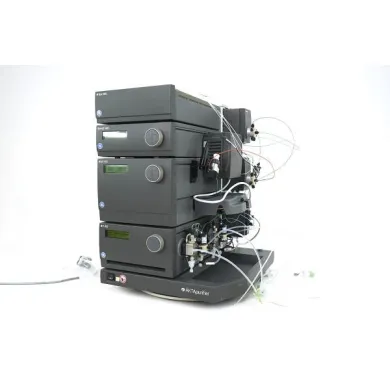
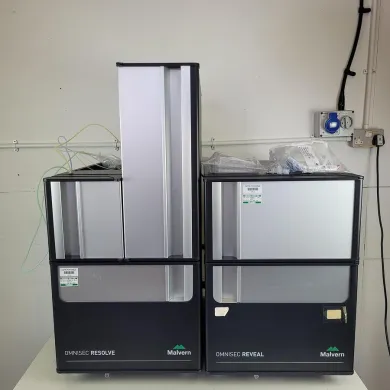
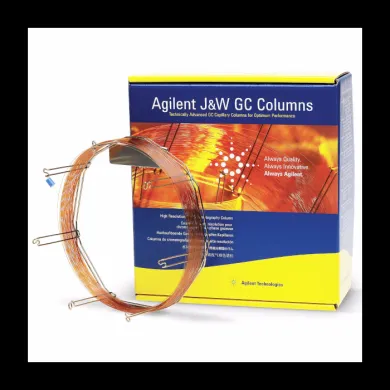


Not the exact instrument you need?
Tell our scientists what you are after. We track it down, including off-market supply.
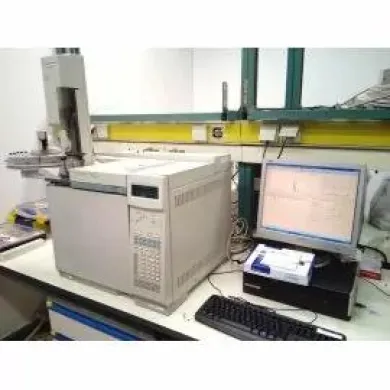
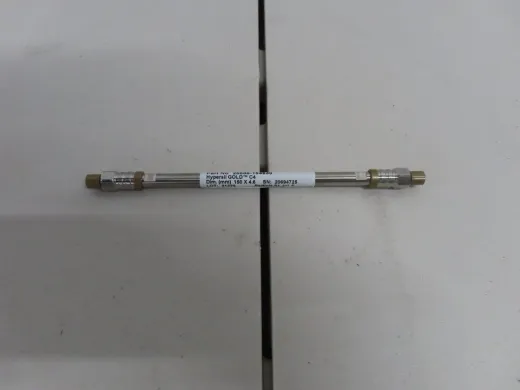
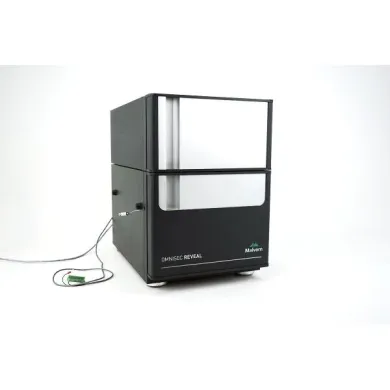
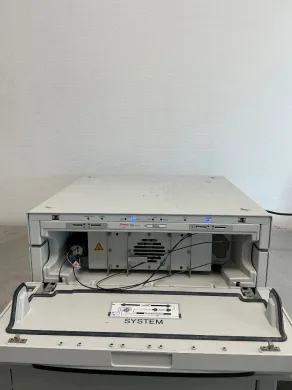
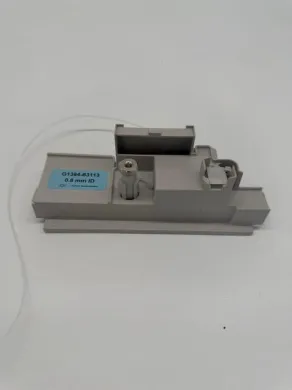
Not the exact instrument you need?
Tell our scientists what you are after. We track it down, including off-market supply.
Showing 1–40 of 106 listings
Show 40 more listingsBuying guide
What settles a purchase here is rarely the data system in isolation. It is whether the software talks to the hardware the lab already runs. A chromatography data system is written against a defined set of detectors, pumps and autosamplers, often from one maker, and driver support for a third-party module is the first thing to confirm. A used Thermo Scientific, Agilent, Waters, Cytiva, GE Healthcare controller that cannot address the pump on the bench is a shelf ornament, however complete the acquisition licence. Verify the instrument control list against your own stack before anything else.
That checked, condition carries more weight on a data system than on most laboratory equipment, because so much of what you are buying is intangible. The physical unit may power on cleanly and still arrive with a licence tied to a retired serial number, a dongle that was never shipped, or a software version the vendor no longer activates. On a used purchase, confirm what the licence covers, which workstation the activation is bound to, and whether method files and integration parameters transfer. Where a unit is sold as a controller plus workstation, establish that the operating system still receives the security patches a regulated lab needs.
The specification that then separates one listing from another is channel count and the regulatory feature set: how many instruments one installation can acquire from in parallel, and whether the audit trail, electronic signature and access control required for a GxP environment are present. A research group running a single analytical instrument needs none of that; a quality laboratory cannot operate without it.
Price follows those two axes closely. A bare interface or a single-channel acquisition licence costs little, which is why the band opens as low as EUR 1. A multi-instrument enterprise installation with full compliance tooling is what pushes the top of the range toward EUR 86.089, with the mean at EUR 7.382 reflecting the mix. For a buyer working to a fixed budget, the used listings are the affordable route into this software class, priced below new and widely available: 221 of the current units are offered this way. What matters is matching the licence scope to the instruments it will actually serve, because a system bought for sale at an attractive figure saves nothing if its channels sit empty or its compliance features exceed what the work requires.
Types of Chromatography data systems
Which chromatography systems are listed here?
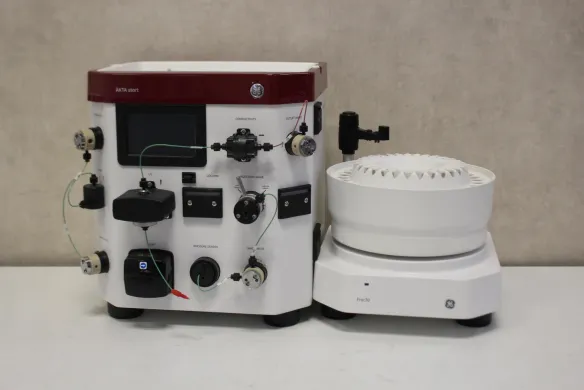
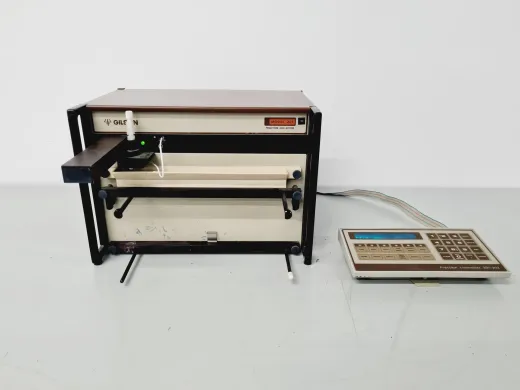
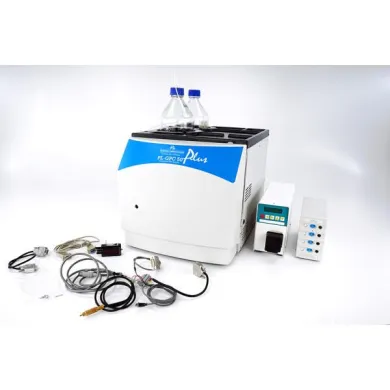
Among the listings that specify a type, several distinct classes appear, and they are not interchangeable. A **fraction collector** is the component that diverts the column eluate into separate vessels on a timed or signal-triggered basis, the piece that makes preparative separation and **protein purification** usable rather than analytical. An **ion chromatography system** separates ionic species and is read in environmental, water-quality and **molecular diagnostics** work where anion and cation profiles matter. A **fast protein liquid chromatography (fplc) system** and the broader **protein purification system** class are the workhorses of **protein purification** at the bench, used for antibody capture, enzyme isolation and sample preparation ahead of **proteomics** and structural studies. The general **chromatography system** and **analytical instrument** entries cover complete configured platforms and the controllers that drive them.
These classes carry real weight in **biotechnology** and **life sciences**. FPLC and purification platforms underpin **bioprocessing** and **biomanufacturing**, where capturing a recombinant product from culture harvest is a defined unit operation, and they feed directly into **cell culture** scale-up and downstream recovery. Ion chromatography also serves **microbiology** and formulation testing where ionic content must be quantified. A buyer searching for an fplc protein purification system, or for an ion chromatography system for water analysis, is naming the whole task, and the listings are described in those terms so the equipment answers the query rather than a fragment of it.
The brands behind the listings
The names that recur are Thermo Scientific, Agilent, Waters, Cytiva, GE Healthcare. For a buyer, that concentration is useful rather than incidental. Established makers mean columns, fittings and replacement modules stay available on the second-hand market, and it means a given model has been deployed widely enough that method files and application notes exist to compare against. A platform from a maker with a deep installed base is also easier to price-check, because comparable units turn up often enough to establish what a fair figure looks like.
What a used chromatography system costs here
The condition mix is weighted heavily toward pre-owned equipment: 95 percent of the listings are used. Prices range from EUR 1 to EUR 86.089. That spread covers everything from a single fraction-collector rack or a consumable at the low end to a complete multi-channel acquisition platform or a configured purification skid at the top, with the mean sitting at EUR 7.382. Where a buyer is weighing used against new, the difference that holds is price: used and refurbished units are listed below new, and warranty on any individual unit is arranged in consultation for that specific listing.
Frequently asked questions
What is a chromatography data system?
It is the combination of hardware and software that controls a chromatograph, captures the detector signal, and turns the resulting chromatogram into quantified results. It handles method setup, run sequencing, peak integration, and compliance records between the separation instrument and the analyst.
What does chromatography data system mean in practice?
In practice it means the control layer that an analyst works through rather than the pump or detector itself. The term covers the acquisition licence, the workstation it runs on, and sometimes the controller module that physically addresses the instrument.
How do chromatography data systems work?
The software sends method parameters to the pumps, autosampler and detectors, then reads back the detector signal as a time-based trace. It integrates the peaks in that trace against calibration and reports concentrations, and in a regulated setup it logs each action to an audit trail.
What types are listed in this category?
The types that appear include fraction collector, ion chromatography system, analytical instrument, fast protein liquid chromatography (fplc) system, protein purification system, and the general chromatography system. These are not interchangeable: a fraction collector diverts eluate into vessels, while an ion chromatography system separates ionic species.
What are chromatography data systems used for?
They are used to run separations and quantify the output in fields such as water analysis, bioprocessing, protein purification and proteomics. The specific task depends on the attached hardware, from antibody capture on an FPLC platform to anion profiling on an ion chromatography system.
How do I choose a chromatography data system?
Confirm first that the software supports the detectors, pumps and autosamplers already on the bench, since a system written for one maker may not address a third-party module. After that, match the channel count and the regulatory feature set to what the work requires, as a research group and a quality laboratory need very different things.
What is the difference between refurbished and used?
Used describes a unit sold in its working condition as it came off a previous installation, while refurbished means it has been checked and brought back toward working specification before resale. Both are listed below new prices, and the exact condition is described in the individual listing.
How much does a chromatography data system cost?
Prices in this category run from EUR 1 to EUR 86.089, with the mean at EUR 7.382. A bare interface or single-channel licence sits at the low end, and a multi-instrument installation with full compliance tooling sits at the top.
Which brands come up in this category?
The recurring names are Thermo Scientific, Agilent, Waters, Cytiva and GE Healthcare. A model from a maker with a wide installed base is easier to price-check and more likely to have application notes and method files to compare against.
Is a warranty available on a refurbished system?
A warranty is often possible and is arranged in consultation for the specific listing. Because terms are set per unit rather than centrally, check what a given seller offers before committing.
Can I get parts for these systems?
Parts can be sourced via Questpair. Established makers also mean that columns, fittings and replacement modules circulate on the second-hand market for widely deployed models.
How long does a chromatography data system last?
The hardware can run for many years, but the limiting factor on a data system is usually software support: whether the version still activates and whether the workstation operating system still receives security patches. For a regulated lab, that patch status matters as much as the physical condition.
Should I buy new or used?
The claim that holds across the board is price: used and refurbished units are listed below new. Where you have to weigh the two, check the individual listing for condition and licence scope, and note that warranty is arranged in consultation for that specific unit.
Where can I buy a chromatography data system?
They are listed on Questpair from 16 verified suppliers and distributors across 9 countries. The current catalogue holds 232 chromatography systems and components spanning new, used and refurbished units.
What are the lead time and shipping like?
Lead time and shipping depend on the individual seller and the unit's location, which spans 9 countries. The listing is the place to confirm both for a specific item.
What calibration and maintenance does a data system need?
The software side needs calibration curves kept current for accurate quantification, and in a GxP setup the audit trail and access control need periodic review. Hardware maintenance belongs to the attached instrument rather than the data system itself, and Questpair does not carry out servicing.
Which types are listed most, and who reaches for which?
Fraction collectors and FPLC or protein purification systems serve bench-scale protein work, antibody capture and sample prep ahead of proteomics. Ion chromatography systems go to environmental, water-quality and formulation testing, while the general chromatography system and analytical instrument entries cover complete configured platforms and their controllers.
Which brands dominate this category, and what does that mean for a buyer?
Thermo Scientific, Agilent, Waters, Cytiva and GE Healthcare recur across the listings. That concentration means a given model has been deployed widely enough that comparable units turn up often, which makes both pricing and parts sourcing more predictable for a buyer.
What separates the cheapest listings from the most expensive?
Two axes drive the price band: channel count and the regulatory feature set. A single-channel acquisition licence without compliance tooling opens the range near EUR 1, while a multi-instrument enterprise installation with audit trail, electronic signature and access control pushes toward EUR 86.089.