
Leica laboratory equipment
We personally find you the right new, used and refurbished leica laboratory equipment from verified suppliers.
Leica laboratory equipment on Questpair spans the research-grade light microscope families this maker is known for, from inverted DMi8 stands and DM6 uprights to the STELLARIS and SP8 confocal platforms and their objectives. The Questpair catalogue holds 1344 Leica listings from 21 verified suppliers and distributors across 8 countries. Among the listings that specify a type, the spread runs through optical, research, fluorescence, inverted and binocular stands as well as individual objectives, so a buyer can match a frame, an illumination path and a lens separately rather than only as a complete system. Prices run from EUR 30 to EUR 115.683. That breadth is what makes the brand practical to buy piecemeal here, whether you need a whole imaging rig or a single replacement component.
Updated:
Leica Laboratory equipment product list
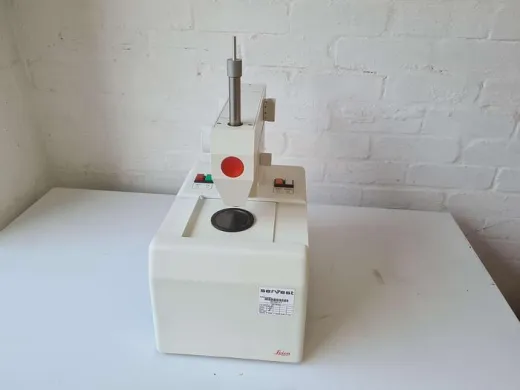
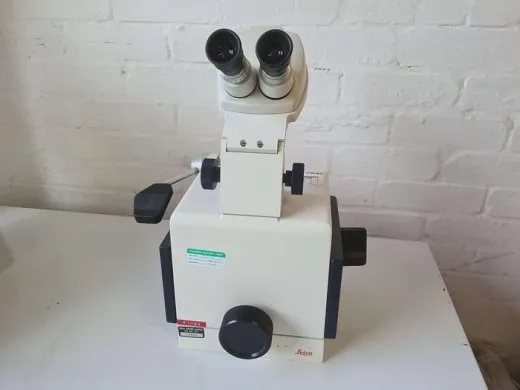
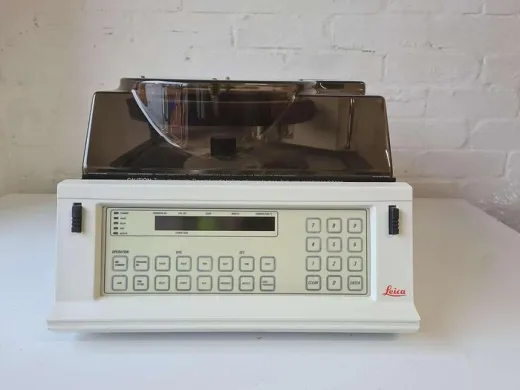
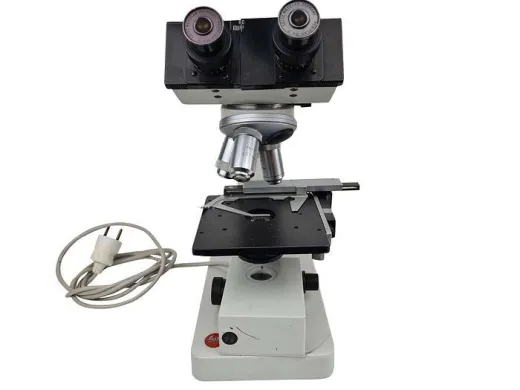
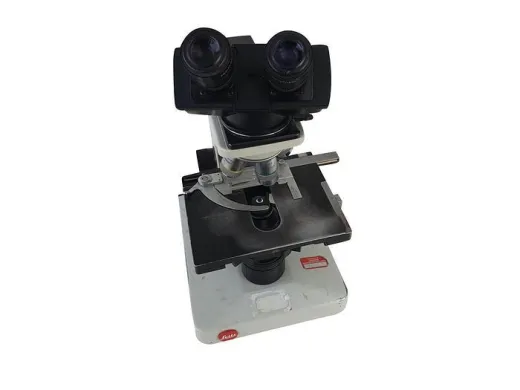


Not the exact instrument you need?
Tell our scientists what you are after. We track it down, including off-market supply.
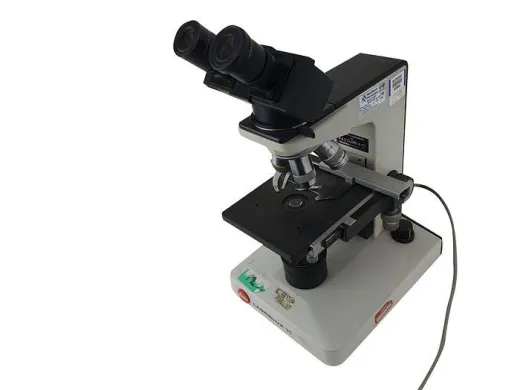
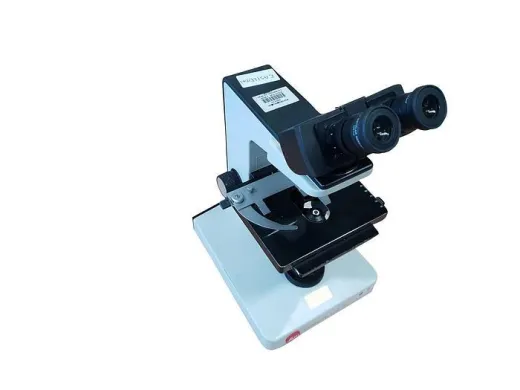
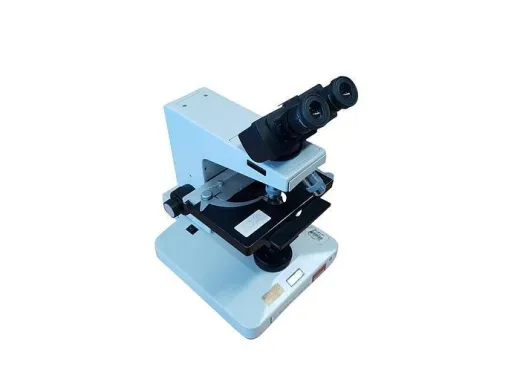
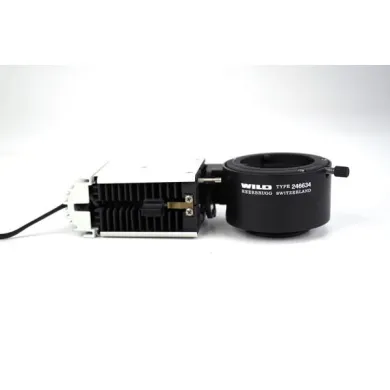
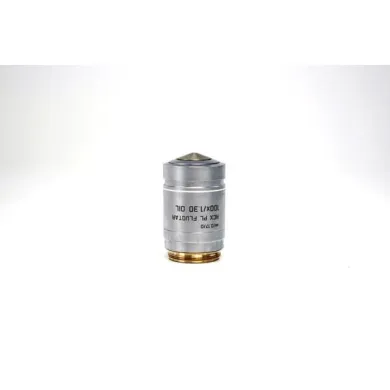
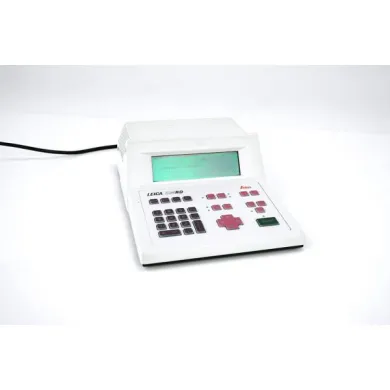
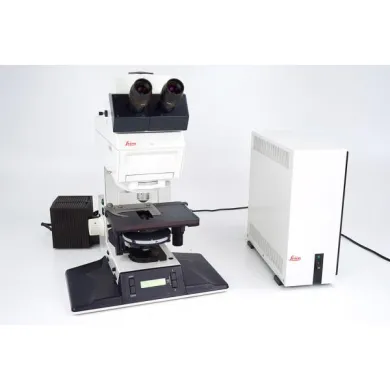
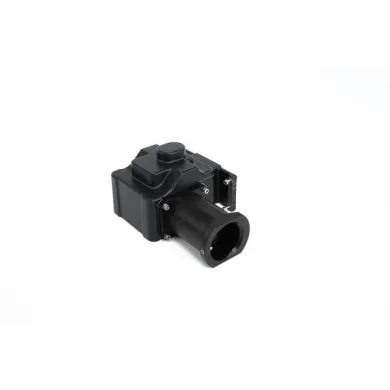
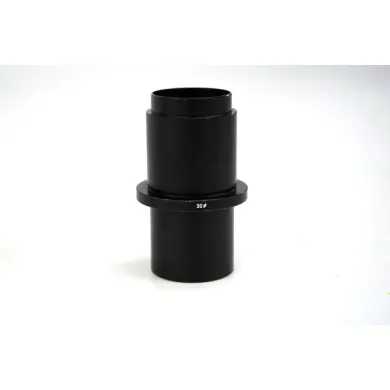
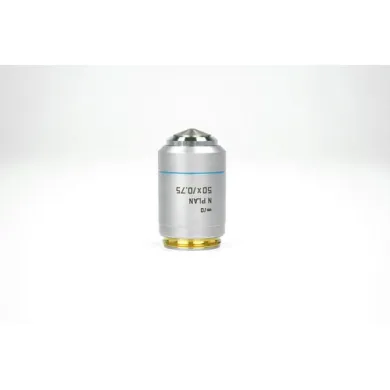
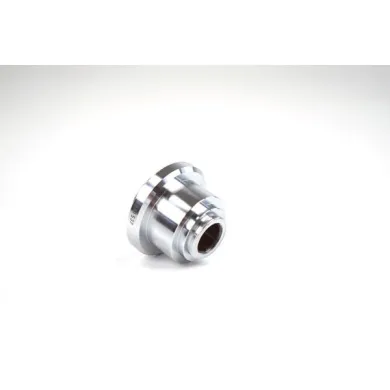
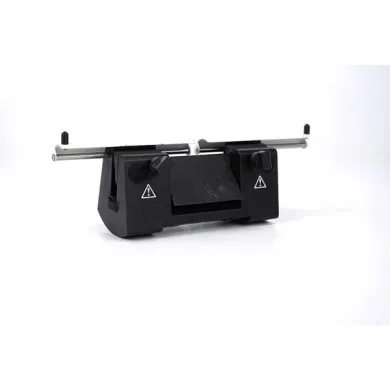
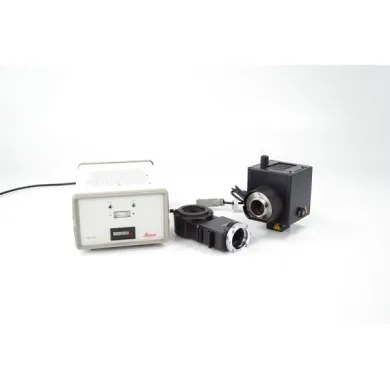
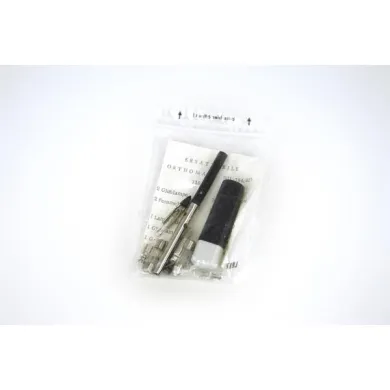

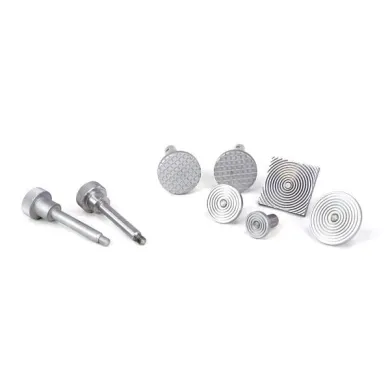
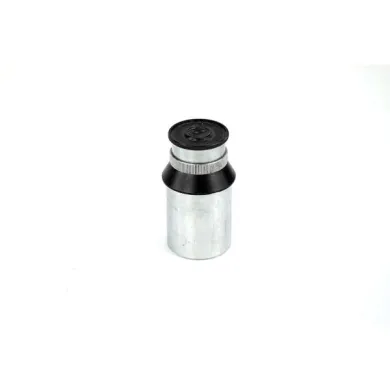
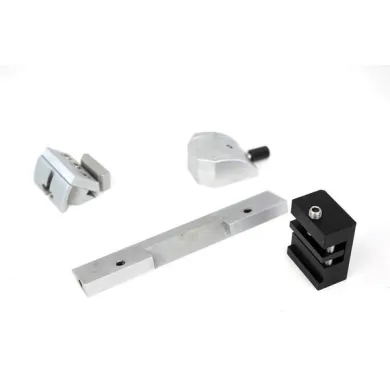


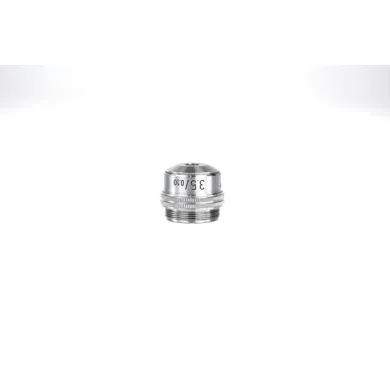
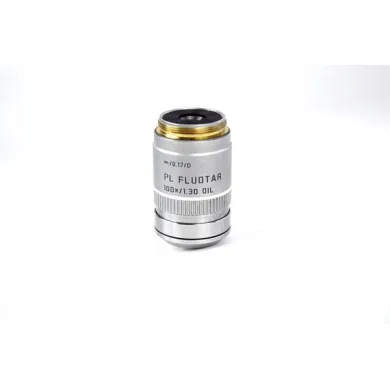
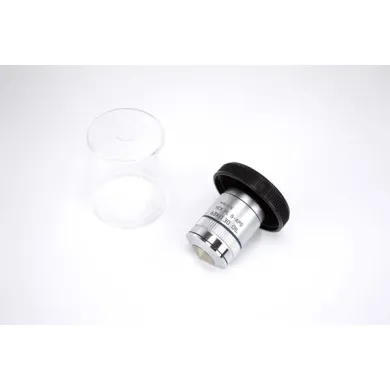

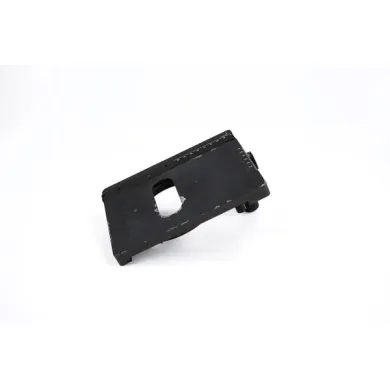
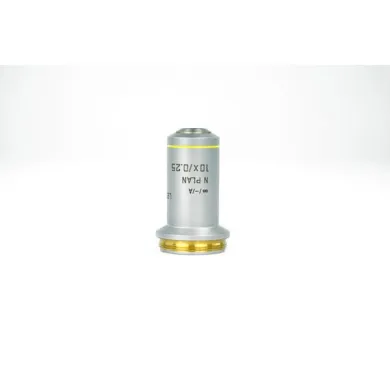
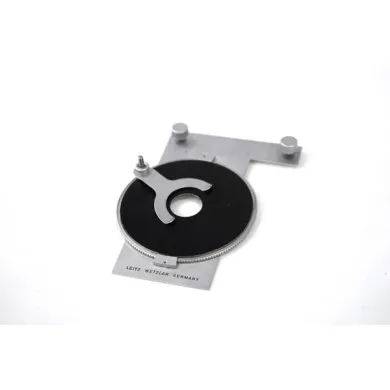
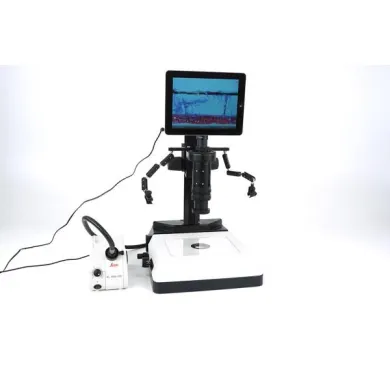
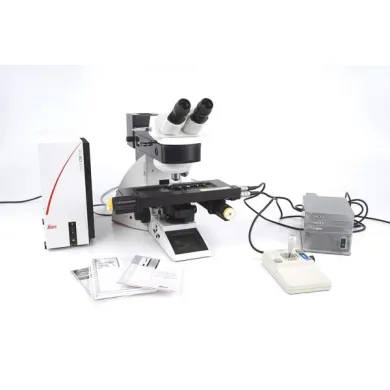
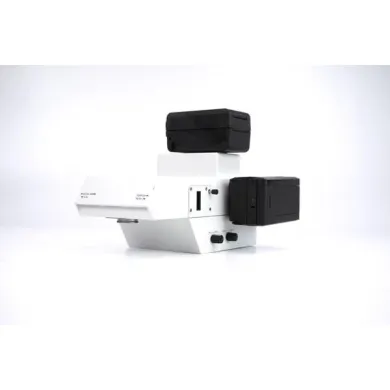
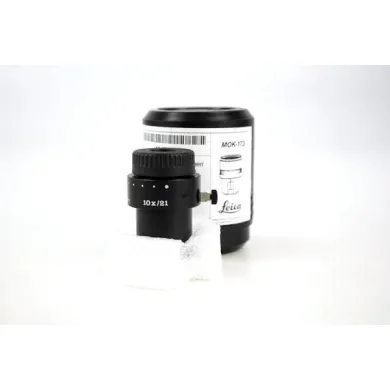
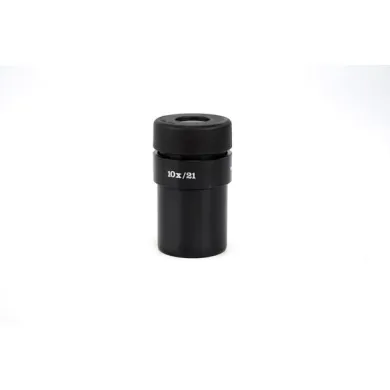
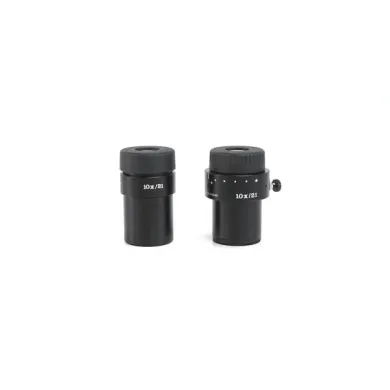
10x/21 Eyepiece Set, 29mm Diameter, Pack of 2
- Category
- Optics
- Brand
- Leica
- Suppliers
- 1 verified
Not the exact instrument you need?
Tell our scientists what you are after. We track it down, including off-market supply.
Showing 1–40 of 1,192 listings
Show 40 more listingsBuying guide
Choosing a Leica microscope
The first decision on a Leica stand is frame geometry, because it is irreversible in a way the camera and lens are not. An inverted DMi8 suits dishes, flasks and live cultures; an upright DM6 suits slides and solid samples. Buying the wrong frame class means buying a second one, so settle this before comparing any other specification.
The second decision is the detection path. If the work needs optical sectioning or clean separation of overlapping dyes, a confocal platform such as STELLARIS or SP8 is the right class, and the specification that separates them is spectral detection and scan speed. If the work is widefield fluorescence or brightfield, a DMi8 or DM6 with the appropriate filter cubes is both sufficient and far cheaper.
On a used Leica unit, verify the optics and the moving parts rather than the badge. Check objectives for internal fungus, delamination and scratches, since a degraded lens undoes a good frame. On motorised stands, confirm the focus drive and stage travel still run smoothly and that the controller and software licence are present and matched to the hardware, because a confocal body without its detector electronics or its software key is not a working instrument. Ask the seller to show the system powered up and imaging where possible.
Compatibility traps are mostly internal to the Leica range. Objective threads and mounts have changed across generations, so a lens from one era may not seat or parfocalise on a newer stand. Filter cubes, detectors and cameras are often specific to a frame family, and a confocal scan head is matched to its stand rather than interchangeable. When a listing is a part rather than a whole instrument, confirm the exact frame it came off against the frame you intend to fit it to.
On price, the band is wide because a loose objective and a full confocal rig are both counted. Expect the floor to buy a single component and the ceiling to buy a complete automated platform; most working systems land between. Used and refurbished units are listed below new, and where warranty matters it is arranged in consultation on the specific listing.
Which Leica microscope families appear in this category?
Among the listings that specify a type, Leica's presence here sorts into a handful of forms: optical and research microscopes, fluorescence stands, inverted frames, binocular configurations and loose objectives. The STELLARIS and SP8 confocal laser scanning platforms sit at the fluorescence end, built around point-scanning detection for sectioned imaging of labelled specimens. The DMi8 is the inverted research frame, designed for cell culture and live-cell work where the sample sits above the objective. The DM6 is the upright counterpart, aimed at fixed-slide and materials work. THUNDER Imaging Systems and the MICA platform extend the fluorescence families with computational clearing and multi-modal acquisition. The LMD laser microdissection line serves a narrower job, cutting and collecting regions of a mounted specimen. Each family belongs to one of the types above, which is why matching the intended work to the frame class matters before the lens or camera.
Where the DMi8, DM6 and the confocal platforms diverge
The deciding specification is rarely resolution in the abstract; it is the frame geometry and the detection path. An inverted DMi8 and an upright DM6 share Leica optics but address opposite sample formats, so the choice follows whether the specimen sits in a dish or on a slide. Between the confocal platforms, STELLARIS and SP8 differ in their spectral detection and scanning architecture, which governs how finely you can separate overlapping fluorophores and how fast you acquire a stack. A widefield fluorescence DMi8 and a confocal STELLARIS answer different questions: the first captures a full field quickly, the second rejects out-of-focus light for optical sectioning. Objectives carry their own separating parameters, numerical aperture and immersion medium chief among them, and a lens rated for oil will not perform in a water-dipping application. For throughput-driven screening, the automated THUNDER and MICA systems matter more than raw numerical aperture; for single high-resolution images, the objective and the confocal path dominate.
How condition and price split across the Leica listings
87 percent of the listings are used. Prices run from EUR 30 to EUR 115.683, with an average around EUR 2.924. That span covers both ends of the range here: a single objective or a basic binocular stand sits near the floor, while a complete confocal platform with detectors and automation reaches the top. Used and refurbished units are listed below new pricing, which is the practical reason the catalogue skews the way it does. The listings come from 21 verified suppliers and distributors, so configuration and included accessories vary from one entry to the next.
Frequently asked questions
Which Leica microscope series does this catalogue cover?
The upright DM family (including the DM6), the inverted DMi8, the STELLARIS and SP8 confocal platforms, and the THUNDER imaging systems. Loose objectives for existing frames also appear as components.
How do the DM6, DMi8 and confocal lines actually differ?
The DM6 is an upright stand for fixed slides, the DMi8 is inverted for dish-bound live cells, and both do widefield fluorescence depending on configuration. The STELLARIS and SP8 add a scanning laser head and detectors for optical sectioning that a widefield stand cannot produce, while THUNDER applies computational clearing to a widefield frame for better out-of-focus rejection without full confocal hardware.
How much does a used Leica microscope cost?
Across the brand, prices run from EUR 30 to EUR 115.683, with an average of EUR 2.924. The floor is a loose objective or bare stand, the ceiling is a complete confocal platform with lasers and detectors, and used units sit below new ones for a comparable configuration.
Are refurbished Leica units available?
The catalogue is weighted toward secondhand, with 87 percent of listings used, and refurbished and used units are listed below the price of new. Condition and configuration vary by listing, so check the specific entry for the state of the instrument.
Which Leica model fits my application?
Dish-bound live-cell work points to the inverted DMi8, fixed-slide histology and pathology to an upright DM6, and quantitative optical sectioning to STELLARIS or SP8. THUNDER suits widefield imaging that needs stronger out-of-focus rejection but not full confocal resolution.
What should I check before buying a used Leica microscope?
Inspect objective front lenses for scratches and barrels for fungus, and confirm magnifications and immersion types match your work. On motorised DM6 and DMi8 frames, ask for a demonstration of the encoded turret and motorised stage under power; for fluorescence, check burner age or LED hour counts; on STELLARIS or SP8, insist each laser line and the detectors are shown working.
Are objectives, filter cubes and parts interchangeable across the series?
Not reliably. The objective mount and filter cube standard can differ between generations of frame, so a cube or objective from one stand may not drop into another, and you should verify any part you intend to reuse against the specific stand you are buying. Parts can be sourced via Questpair.
How does buying used Leica on Questpair compare to new?
Used and refurbished units are listed at lower prices than new, which is the concrete difference between them. Warranty is not set centrally and is arranged in consultation for the individual listing, so weigh the two by checking the specific entry rather than assuming a fixed support difference.