
Molecular Diagnostics
We personally find you the right new, used and refurbished molecular diagnostics instruments & equipment from verified suppliers.
Molecular diagnostics turns a sample into a verdict about the nucleic acid inside it, and the chain that gets there is only as sound as its weakest instrument. The work demands amplification that holds its temperature cycle to within a fraction of a degree, detection sensitive enough to read a handful of target copies, and a preparation step clean enough that neither a contaminant nor a lost fraction corrupts what follows. Across this work Questpair lists 30808 items from 171 verified suppliers and distributors. A single assay may pass through a thermal cycler, a sequencer and an automated handler before a result is called, so a gap at any point caps what the rest can do.
Updated:
Molecular Diagnostics product list


Not the exact instrument you need?
Tell our scientists what you are after. We track it down, including off-market supply.
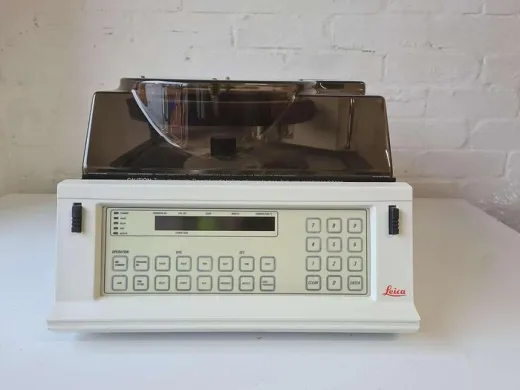
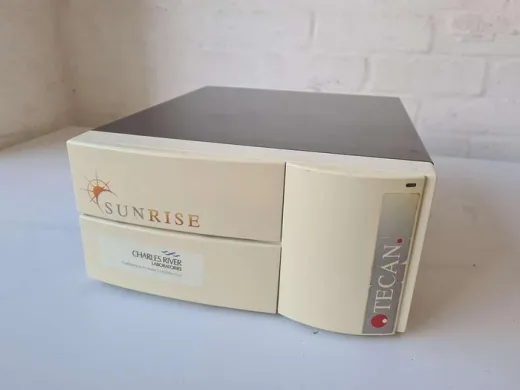
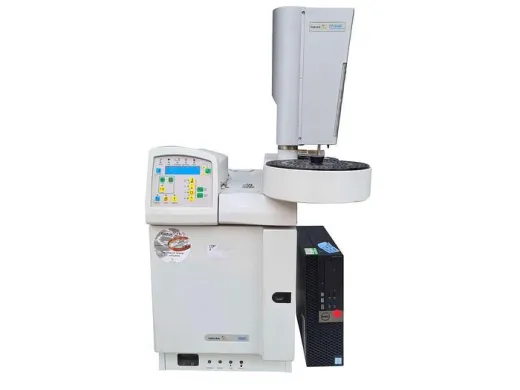
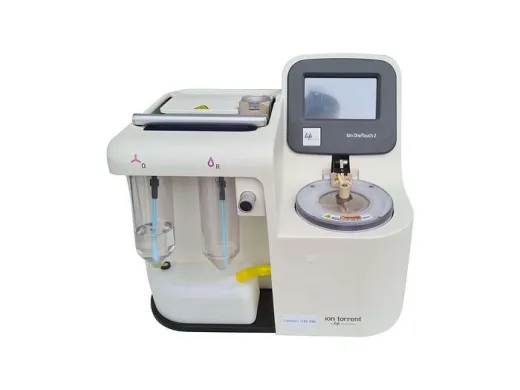
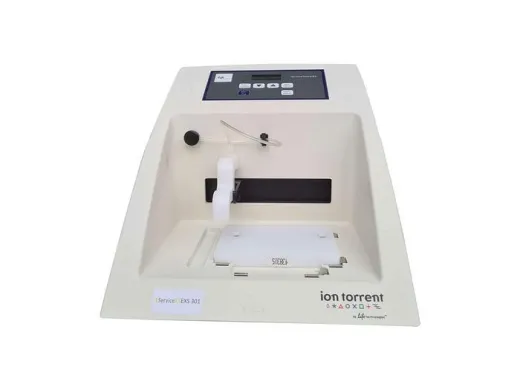
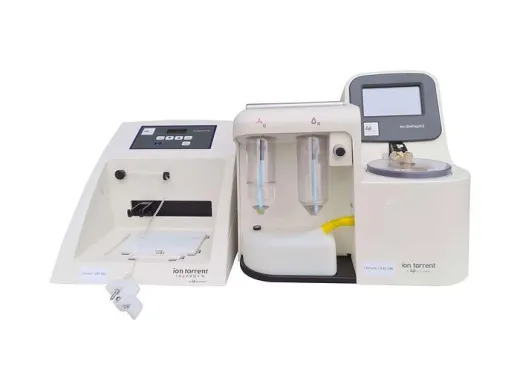
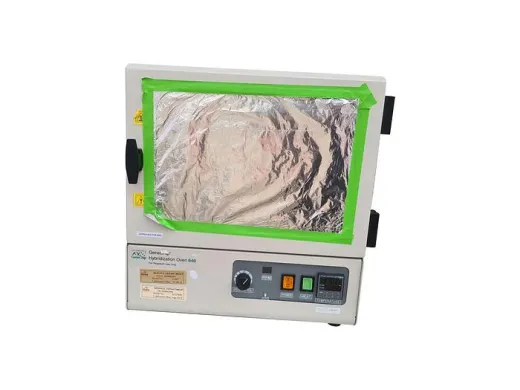
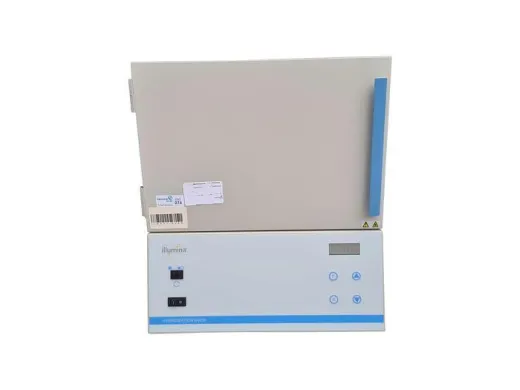
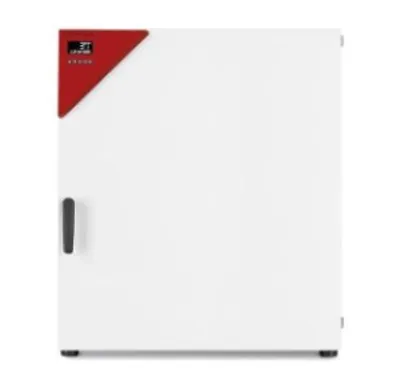
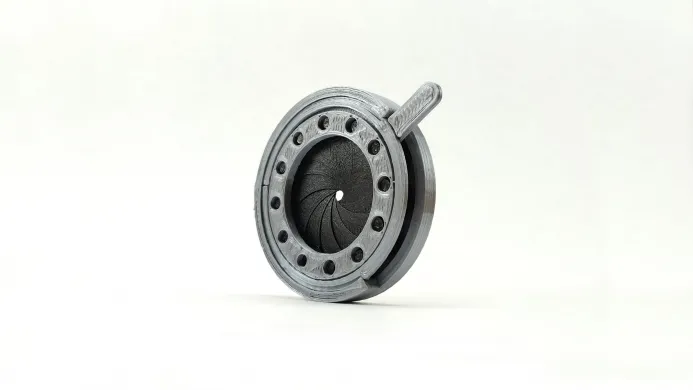
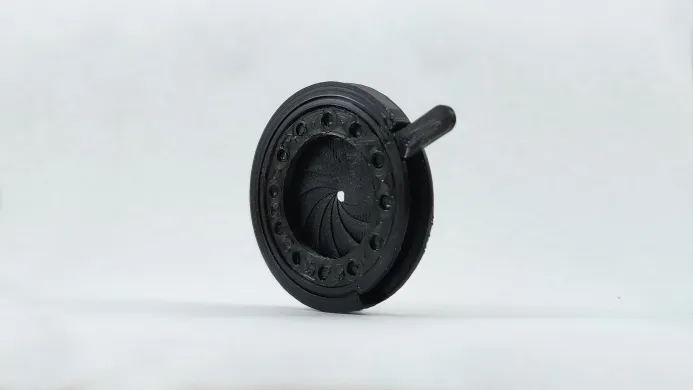
Illumina Boekel 230401 - 21LL Hybridization Oven
- Category
- Furnaces
- Brand
- Illumina
- Suppliers
- 1 verified
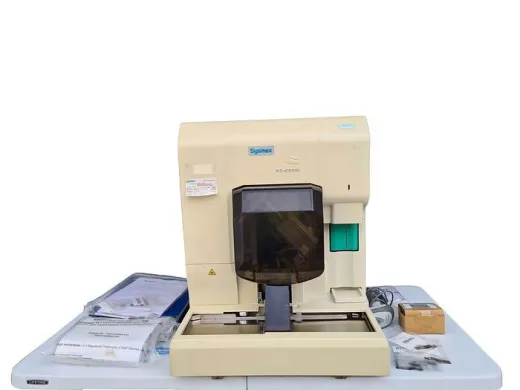
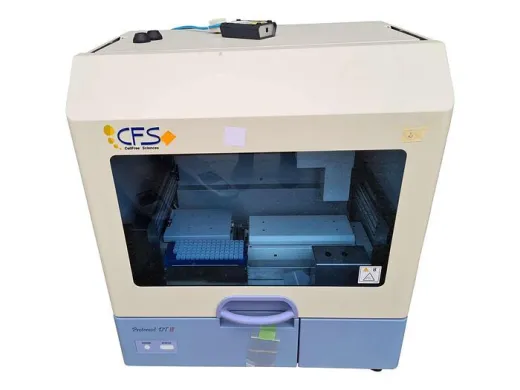
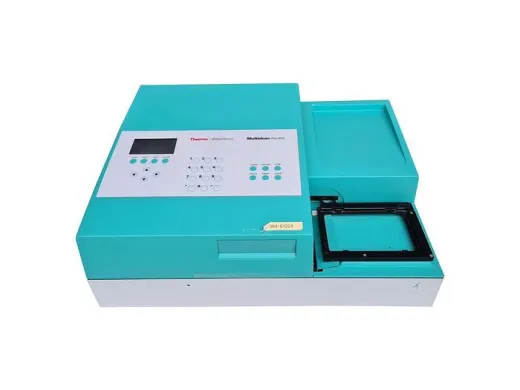
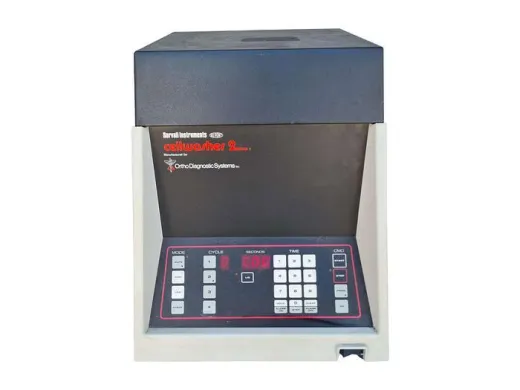
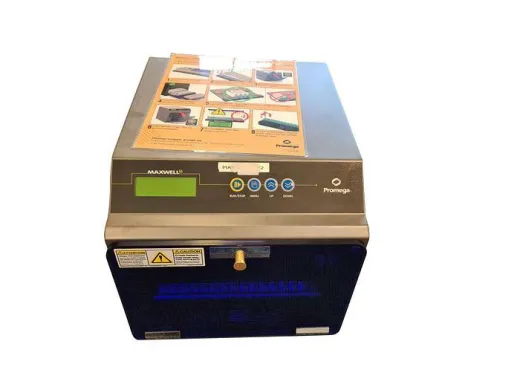
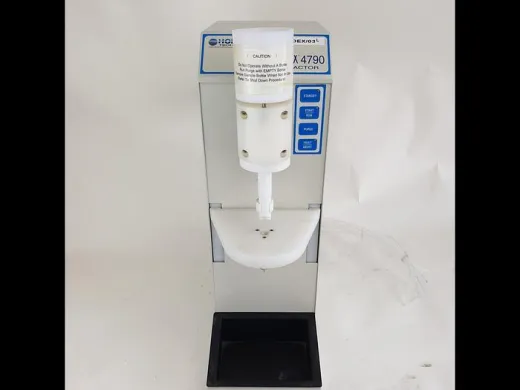
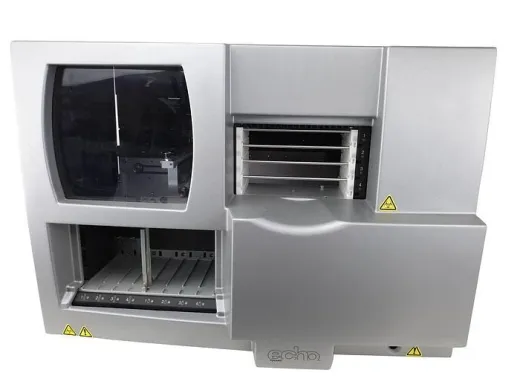
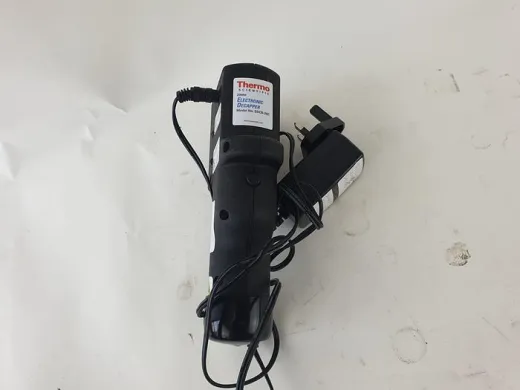
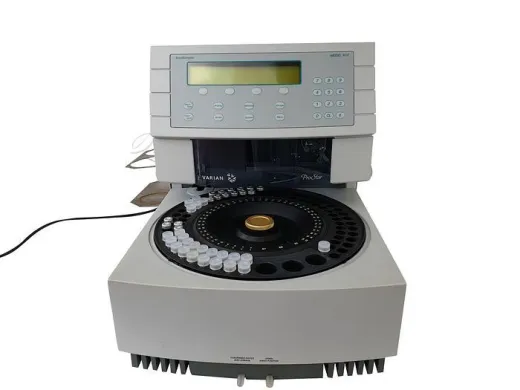
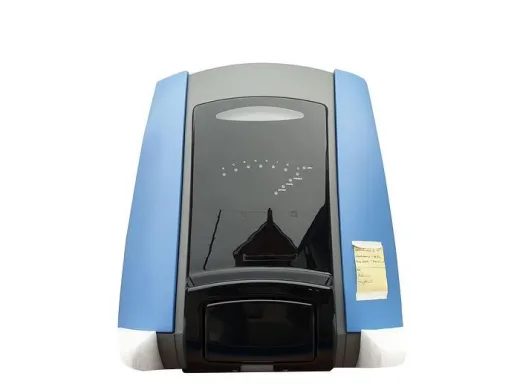
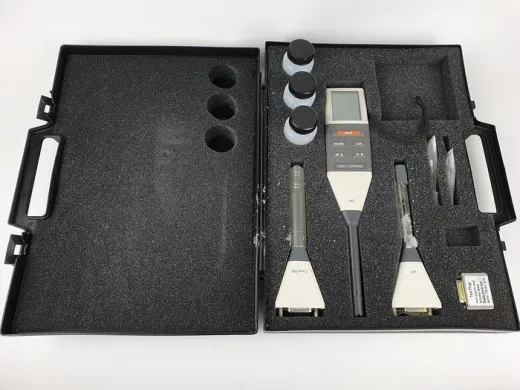
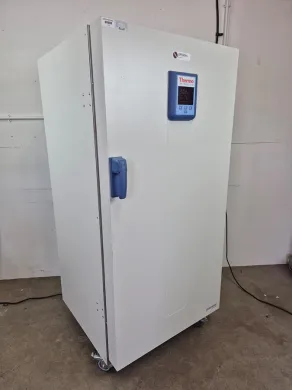
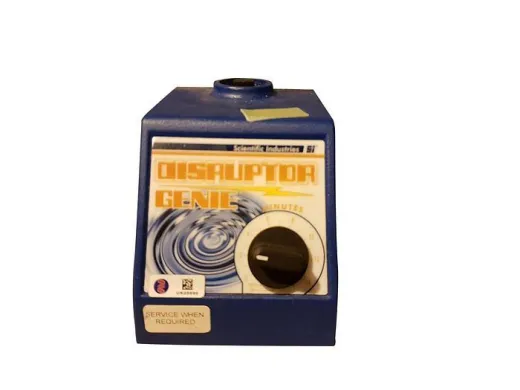
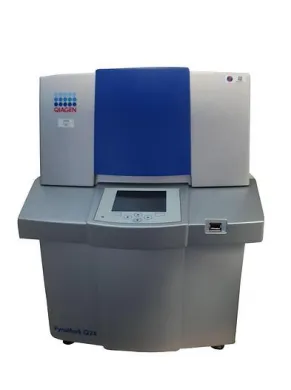
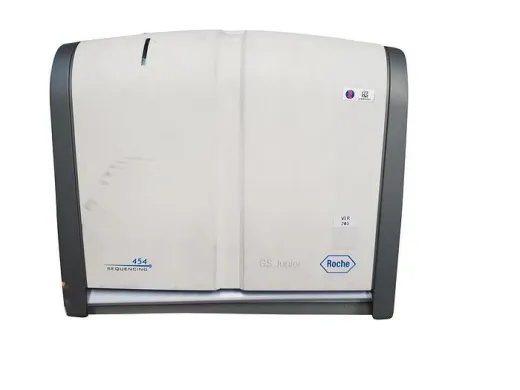
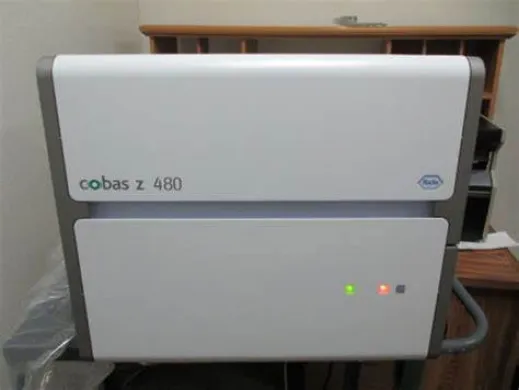
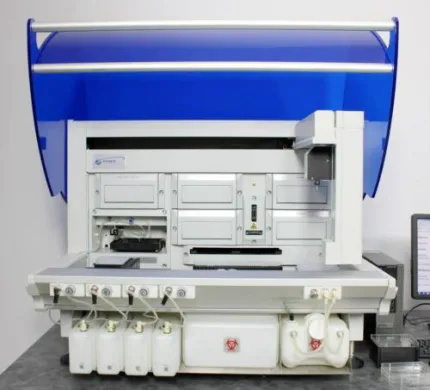
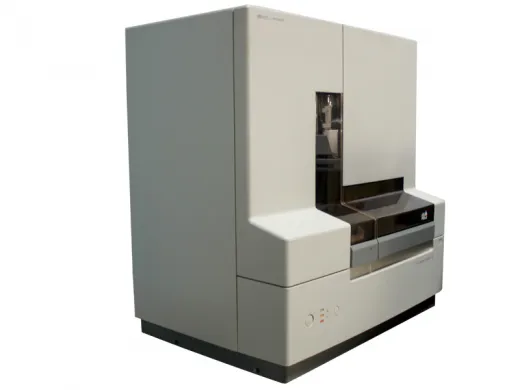
Roche Cobas Z 480 real time PCR
- Category
- Life science equipment other
- Brand
- Roche
- Suppliers
- 1 verified
Not the exact instrument you need?
Tell our scientists what you are after. We track it down, including off-market supply.
Showing 1–40 of 11,997 listings
Show 40 more listingsBuying guide
Because this setup spans several categories rather than one, the price band is wider than any single bench would show. Across the work prices run from EUR 1 to EUR 533.942. The low end is reagents, small consumables and simple preparation accessories, the kind of item a lab reorders without a second thought. The upper end belongs to the amplification and sequencing cores: a high-throughput sequencer or an automated handling platform is where the capital sits, because those instruments carry the optics, the fluidics and the control systems that the rest of the chain feeds. A real-time PCR instrument lands between the two, more than a plain cycler and well short of a sequencer.
Condition is the other axis. 96 percent of the listings are used. For a lab building out this setup, that share is where the capital equipment becomes reachable, since a used sequencer or handler is priced below its new equivalent and a diagnostic workflow does not need every instrument fresh from the line. Used and refurbished units are listed at lower prices than new; that price gap is the clearest reason to weigh one against the other. Where a specific listing matters to a buyer, a warranty can be arranged in consultation for that listing, and parts can be sourced through Questpair. The sensible way to read the band is by stage: match the spend to where it does the work, and the preparation front end rarely justifies the budget that the amplification and sequencing cores do.
Types of Molecular Diagnostics
Molecular diagnostics draws on thermal cyclers, real-time PCR instruments, sequencers, automated liquid handlers and sample-preparation systems, and it runs as a sequence rather than a single bench task. What follows walks that sequence in the order a lab actually performs it, and names the equipment each stage leans on.
How is the sample prepared before anything can be read?
Extraction comes first, and everything downstream inherits its quality. The step isolates nucleic acid from blood, tissue or a swab and strips away the proteins, salts and inhibitors that would otherwise stall an enzyme later. Sample-preparation systems and the reagents around them carry this, and where throughput climbs the work moves onto an automated liquid handler that pipettes extraction plates without a technician touching each well. The constraint runs forward: an eluate carrying residual inhibitor will amplify poorly no matter how good the cycler is, so a lab that under-equips here pays for it two stations later. Yield matters as much as purity, because a low-copy target lost in preparation cannot be recovered by any amount of amplification.
Amplifying and detecting the target
With clean template in hand the assay amplifies a chosen region, and this is where most routine diagnostics live. A thermal cycler drives the denaturation, annealing and extension steps that double the target each round, and its block uniformity decides whether every well of a plate reaches the same endpoint. Real-time PCR instruments fold detection into that cycle, reading a fluorescent signal as the product accumulates so the result is quantitative rather than a yes or no at the end. The two constrain each other with preparation: a quantitative readout is only trustworthy if the input was clean and measured, which is why the handler, the extraction chemistry and the cycler are specified together rather than bought piecemeal.
When does the work move to sequencing?
Where the question is not how much of a known target is present but what the sequence actually is, the assay moves onto a DNA sequencer. This covers variant calling, pathogen identification without a predefined probe, and panels too broad for a single PCR well. High-throughput sequencers sit at the demanding end of this work, and they lean hardest on the preparation and handling stations before them, because a library built unevenly reads unevenly. Genome-editing and molecular tools sit alongside sequencing in the research-facing part of this field, used to construct and verify the constructs an assay later interrogates.
Reading and confirming the result
The final stages confirm and record. Molecular imaging devices visualise gels and labelled products where a run needs a physical readout, and clinical laboratory equipment covers the broader bench that a diagnostic lab runs around these cores. Among the listings that specify a category, the spine of this work is the preparation, amplification and sequencing group, and each depends on the one before it.
Frequently asked questions
What equipment do you need at minimum to start molecular diagnostics?
A working chain needs a sample-preparation step, a thermal cycler for amplification, and a detection method, which in practice means a real-time PCR instrument that reads signal as the product accumulates. Extraction reagents and basic consumables sit alongside these, and the preparation step cannot be skipped because its output quality limits everything downstream.
Which step is the most expensive to set up?
The amplification and sequencing cores carry the capital, with a high-throughput sequencer or an automated handling platform at the top of the band because of their optics, fluidics and control systems. A real-time PCR instrument sits below a sequencer and above a plain cycler, and the preparation front end is the cheapest of the stages.
What can you buy used and what is better bought new?
Used and refurbished sequencers, handlers and cyclers are listed at lower prices than new, and that price gap is the clearest reason a lab reaches for them when building out the capital stages. Reagents and small consumables are reordered new as a matter of course, since they are low cost and single use; for any instrument where condition matters, weigh the specific listing and arrange warranty in consultation for it.
What has to match between the steps?
The extraction chemistry, the liquid handler and the cycler are specified together because a quantitative readout is only trustworthy when the input was clean and measured. Plate formats and volumes also have to line up across preparation, amplification and detection so an eluate carrying residual inhibitor or a library built unevenly does not corrupt the stage after it.
Roughly what does a complete setup cost?
Across this work prices run from EUR 1 to EUR 533.942, with the low end being reagents and preparation accessories and the high end the amplification and sequencing cores. Because the chain spans several categories, the figure for a complete bench depends on which stages you equip and whether you buy new or used.
Where does cutting the budget cost you later?
Under-equipping the preparation step costs you two stations later, because an eluate carrying residual inhibitor amplifies poorly no matter how good the cycler is, and a low-copy target lost in extraction cannot be recovered by any amount of amplification. Spending too little on block uniformity in a cycler shows up as wells that do not reach the same endpoint across a plate.
Which equipment is shared with other lab work?
Automated liquid handlers, thermal cyclers and molecular imaging devices are used well beyond diagnostics, in research and construct verification among other tasks. Genome-editing and molecular tools sit alongside sequencing in the research-facing part of this field, used to build and verify the constructs an assay later interrogates, so they carry over to work outside diagnostics entirely.
What should you check on used equipment for this work?
On a cycler check block uniformity, since that decides whether every well of a plate reaches the same endpoint; on a real-time or sequencing instrument the optics and fluidics are what carry the result. Confirm what documentation comes with the unit, and note that parts can be sourced through Questpair and warranty arranged in consultation for the specific listing.
About Questpair
Questpair is the European marketplace for lab equipment, where AI-prepared cases and personal specialists guide every purchase. We work with 247 verified suppliers across 38 countries to find buyers the right new, used or refurbished instruments, with response within 1 hour and significant savings vs buying new.
Personal · Fast · Reliable · Affordable