

Medical equipment
We personally find you the right used, refurbished and new medical equipment from verified suppliers.
Medical equipment is the class of instruments, machines and fixtures used to diagnose, treat, support or sustain patients in clinical and laboratory settings. The category on Questpair spans sterilisation hardware, dialysis systems, clinical lighting, cold storage and fitted laboratory furniture, with 3886 of the 4226 listings offered used and 339 new. 92 percent of the catalogue is therefore second-hand, which tells a buyer most of what trades here has a service history to read rather than a factory seal. New, used and refurbished units all appear, from 25 verified suppliers and distributors across 14 countries. Prices run from EUR 1 to EUR 258.267.
Updated:
Medical equipment product list


Not the exact instrument you need?
Tell our scientists what you are after. We track it down, including off-market supply.
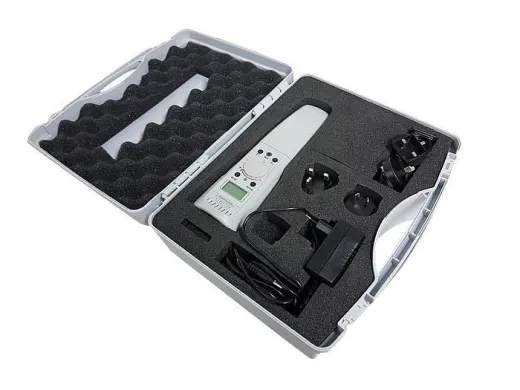
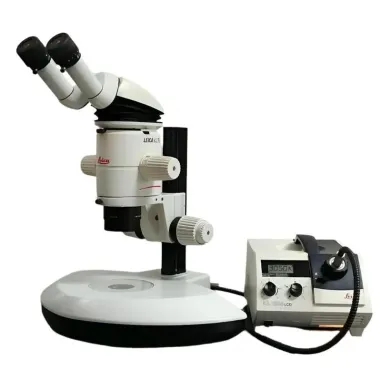
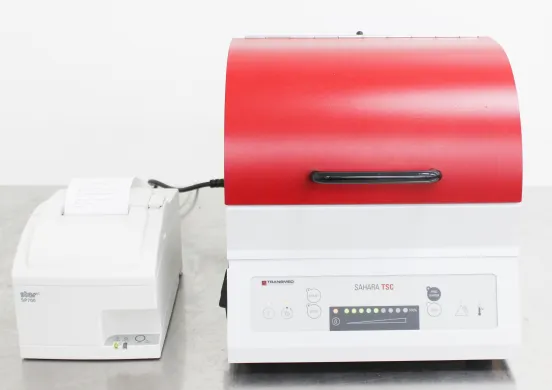
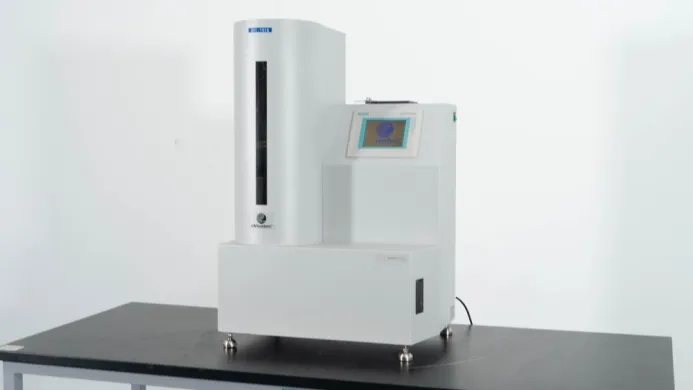
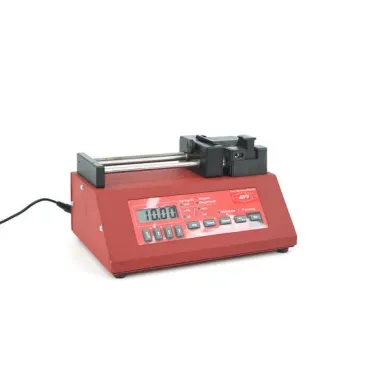
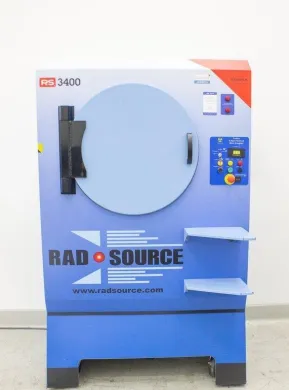
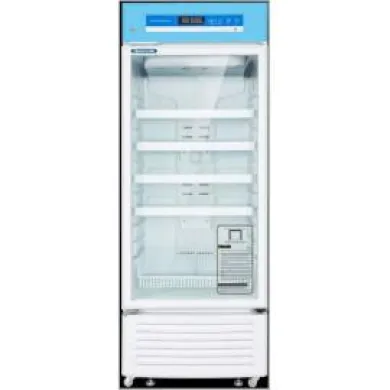
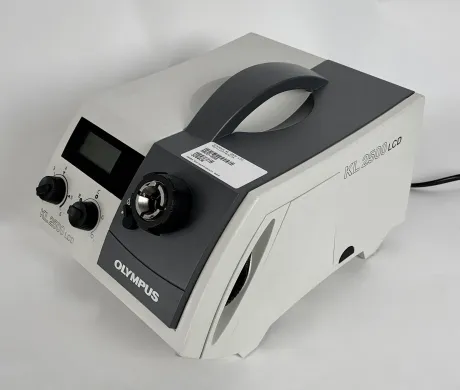
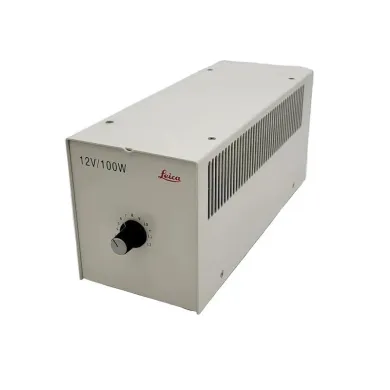
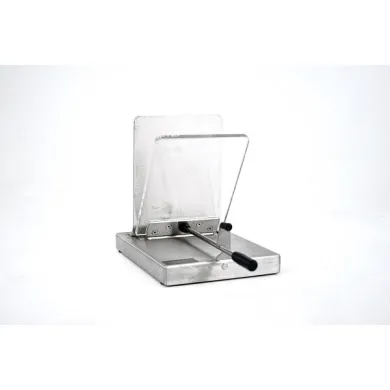
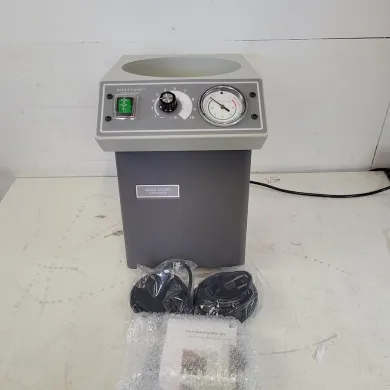
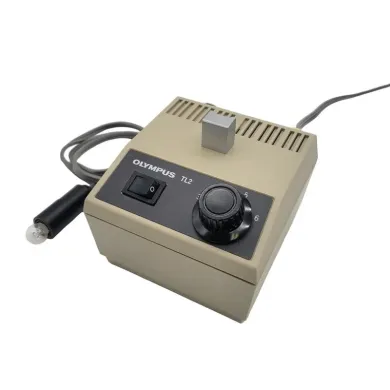
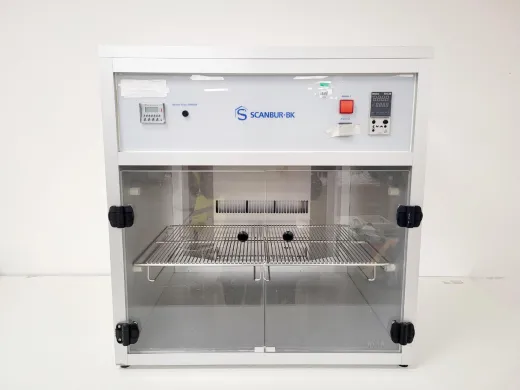
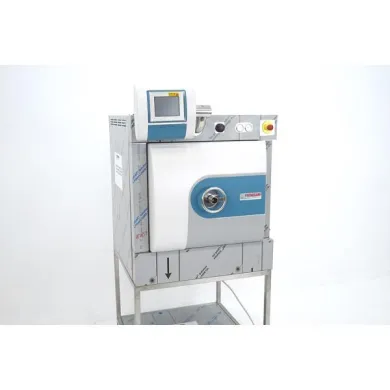
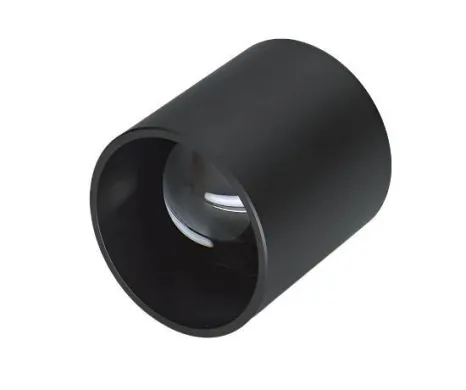
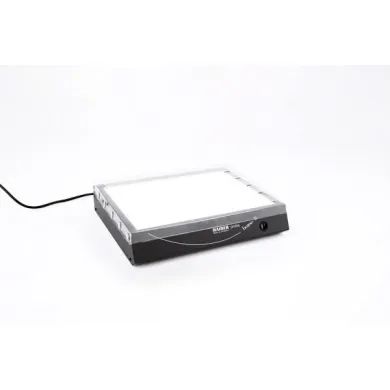
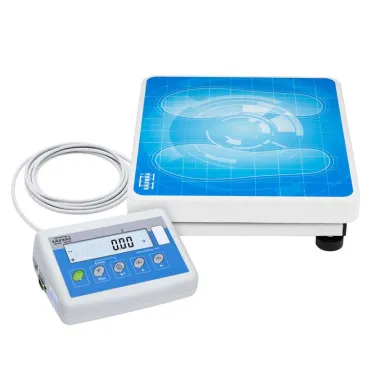
Not the exact instrument you need?
Tell our scientists what you are after. We track it down, including off-market supply.
Showing 1–40 of 2,627 listings
Show 40 more listingsBuying guide
The first question in this category is not a specification but a regulatory one: what the device will be certified for where it is installed. A hemodialysis machine or a steam steriliser that treats patients sits inside a medical device framework, and a used unit changes hands with a history that has to be reconstructed. Service records, hours run, and the date of the last validation matter more on a patient-contact device than any number on the original datasheet. That is where to start, because it decides whether a given listing is usable at all before price enters the picture.
What to verify on a used unit follows from that. For a sterilisation device, ask whether the chamber has been pressure-tested and whether cycle validation records exist; an autoclave that cannot prove it reaches temperature is a tank, not a steriliser. For a dialysis machine, the fluid pathway and the pump hours are the wear points. For cold storage, confirm the compressor condition and that the temperature logging still holds calibration, since a laboratory refrigerator holding reagents or samples is only as good as its proven stability. Lamps and workbenches are simpler, but a halogen lamp still has a rated life and a bench still has to be checked for intact surfaces and level mounting.
Price in this category spans a wider band than almost any other on the site, and that spread is the thing to read carefully. What a unit costs here runs from EUR 1 to EUR 258.267. The floor is consumables and small fittings; the ceiling is a complete dialysis or sterilisation system. The average sits far below the top, at EUR 2.169, which shows where the volume actually trades. Used and refurbished units are listed below new, so a buyer working to a budget has real room to move, and the range of equipment for sale means an affordable option usually exists even where the headline device is expensive. Brands occupying the mid-band include Accucold, Olympus, Various, Gambro, Schott, and knowing which name sits where helps a buyer judge whether a quoted figure is fair for the class of hardware in front of them.
Types of Medical equipment
Which medical equipment types are listed?
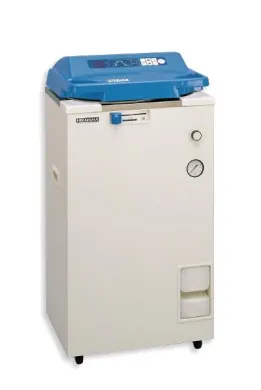
Among the listings that specify a type, the catalogue is led by sterilisation and support hardware rather than imaging or monitoring. Autoclaves and steam sterilizers dominate, and the two overlap: an autoclave is the general name for a pressurised steam chamber, while "steam sterilizer" is often the clinical labelling for the same process applied to instruments and loads. Hemodialysis machines form the heavy clinical end, built to filter blood through a dialyser and return it, and they carry the strictest service demands of anything here. Halogen lamps cover surgical and examination lighting. Laboratory refrigerators provide controlled cold storage for reagents, samples and temperature-sensitive stock. Laboratory workbenches are the fitted furniture that organises the room itself. The mix tells a buyer this is a catalogue of infrastructure and throughput equipment, the hardware a clinic or lab runs on daily, not the diagnostic instruments that sit downstream of it.
Several of these types do direct work in life sciences and clinical research. A laboratory refrigerator supports cell culture and sample biobanking, holding media, antibodies and extracted nucleic acids at stable temperature for molecular biology and genomics workflows. Autoclaves and steam sterilizers prepare sterile labware and decontaminate biohazard loads, the first step of any microbiology or cell culture protocol. These classes of equipment also serve immunoassay preparation and protein purification, where contamination control and cold storage decide whether a result holds.
The brands behind the medical equipment listings
The names that recur are Accucold, Olympus, Various, Gambro, Schott. Accucold is associated with cold storage, Gambro with dialysis, Schott with laboratory glass and lighting components, and Olympus with optical and clinical instruments; "Various" marks the long tail of single listings that no one maker dominates. For a buyer, a recognised name on a used unit means two practical things: parts are more likely to be sourceable, and a model can be compared against its own specification and against other listings of the same line. A dialysis or sterilisation device from a known maker is also easier to match against service documentation, which on patient-contact equipment is the difference between a usable unit and an unknown one.
What a used medical equipment unit costs here
Condition is the defining feature of this catalogue: 3886 of 4226 listings are used and 339 new, so 92 percent of what trades here is second-hand. Prices run from EUR 1 to EUR 258.267. That range covers everything from small fittings and consumables at the floor to a complete hemodialysis system at the ceiling, with the average at EUR 2.169 showing where the bulk of transactions actually sit. Used and refurbished units list below new, which on a category this broad gives a buyer genuine latitude to match hardware to a budget.
Frequently asked questions
What is medical equipment?
Medical equipment is the class of instruments, machines and fixtures used to diagnose, treat, support or sustain patients in clinical and laboratory settings. On Questpair the category covers sterilisation hardware, dialysis systems, clinical lighting, cold storage and fitted laboratory furniture.
What does medical equipment mean in this category?
Here it means the infrastructure and throughput hardware a clinic or lab runs on daily, not the downstream diagnostic instruments. Autoclaves, steam sterilizers, hemodialysis machines, halogen lamps, laboratory refrigerators and laboratory workbenches make up the listed types.
How does medical equipment work?
Each type works differently: an autoclave or steam sterilizer uses pressurised steam to sterilise instruments and loads, a hemodialysis machine filters blood through a dialyser and returns it, and a laboratory refrigerator holds reagents and samples at a controlled temperature. The common thread is that each performs a repeatable, validatable function that has to be proven, not assumed, on a used unit.
What types of medical equipment are there?
The catalogue is led by autoclaves and steam sterilizers, followed by hemodialysis machines, halogen lamps, laboratory refrigerators and laboratory workbenches. Autoclave and steam sterilizer often describe the same pressurised steam process, with the latter being the clinical labelling for instrument and load sterilisation.
What is medical equipment used for?
It is used to sterilise labware and decontaminate biohazard loads, filter blood in dialysis, light surgical and examination fields, and store reagents and samples at stable temperature. Several of these types also support cell culture, biobanking, immunoassay preparation and protein purification where contamination control and cold storage decide whether a result holds.
How do I choose the right medical equipment?
Start with what the device will be certified for where it is installed, since a patient-contact unit sits inside a medical device framework before price matters. Then verify the condition points for the specific type: chamber pressure testing on a steriliser, fluid pathway and pump hours on a dialysis machine, compressor and temperature logging on a refrigerator.
What is the difference between refurbished and used medical equipment?
A used unit is sold in its current state with whatever service history it carries, while a refurbished unit has been reconditioned before resale. Both appear in this category and both are listed below new; check the individual listing for what work was done and what records exist.
How much does medical equipment cost?
Prices in this category run from EUR 1 to EUR 258.267, with the average at EUR 2.169. The floor is consumables and small fittings, the ceiling is a complete dialysis or sterilisation system, and the average shows where the bulk of transactions sit.
What are the best brands of medical equipment?
The names that recur here are Accucold, Olympus, Various, Gambro and Schott. Accucold is associated with cold storage, Gambro with dialysis, Schott with laboratory glass and lighting components, and Olympus with optical and clinical instruments; Various marks the long tail of single listings no one maker dominates.
Can I get a warranty on refurbished medical equipment?
A warranty is often possible and is arranged in consultation for the specific listing. Because terms are not set centrally, check the individual listing for what applies to that unit.
Are parts available for medical equipment sold here?
Parts can be sourced via Questpair. A recognised brand name on a used unit makes parts more likely to be sourceable and lets a model be matched against its own specification.
How long does medical equipment last?
Lifespan depends on the type and the wear points: a halogen lamp has a rated life, a dialysis machine is limited by its fluid pathway and pump hours, and a refrigerator depends on compressor condition. On used units the hours run and the date of the last validation tell you more about remaining life than the original datasheet.
Should I buy new or refurbished medical equipment?
Used and refurbished units are listed at lower prices than new, which on a category this broad gives real latitude to match hardware to a budget. Beyond price, weigh the individual listing's service history and remember that warranty is arranged in consultation rather than assumed.
Where can I buy medical equipment?
The listings here come from 25 verified suppliers and distributors across 14 countries. The catalogue holds 4226 listings, 3886 used and 339 new.
What are the lead time and shipping like?
Lead time and shipping depend on the individual supplier and the unit, since sellers are spread across 14 countries. Check the specific listing, and if details are missing you can contact Questpair, where specialists respond within 1 hour.
What about calibration and maintenance on medical equipment?
Calibration matters most on patient-contact and sample-holding units: a steriliser needs cycle validation records, a refrigerator needs its temperature logging to hold calibration. Questpair does not carry out servicing, so verify existing validation and service records on the listing before purchase.
Which types in this category are listed most, and who reaches for which?
Autoclaves and steam sterilizers lead the listings, drawing clinics and labs that need validated sterilisation for instruments and loads. Hemodialysis machines form the heavy clinical end with the strictest service demands, while laboratory refrigerators and workbenches are reached for by research and sample-handling labs, and halogen lamps by surgical and examination settings.
Which brands dominate this category, and what does that mean for a buyer?
Accucold, Olympus, Gambro and Schott recur, with Various covering the long tail. A recognised name on a used unit means parts are more likely to be sourceable and the model can be matched against service documentation, which on patient-contact equipment separates a usable unit from an unknown one.
What separates the bottom of the price band here from the top?
The floor at EUR 1 is consumables and small fittings; the ceiling at EUR 258.267 is a complete hemodialysis or sterilisation system. The gap reflects the clinical complexity and service demands of the hardware rather than condition alone, with the average at EUR 2.169 showing where most transactions actually land.