
Unitron equipment
We personally find you the right new, used & refurbished Unitron instruments & equipment from verified suppliers
Unitron is an American precision optical instrument and microscope manufacturer, founded in 1952 by Lawrence A. Fine as the United Trading Company in Boston, Massachusetts, where it began by importing Japanese-made optical instruments. The company is now based in Commack, New York, and is privately held following a management-led buyout circa 1986. Its catalogue covers stereo microscopes, metallurgical and materials science microscopes, digital inspection microscopes, digital microscope cameras, and forensic microscopes. On Questpair, Unitron equipment is offered by verified suppliers and distributors, with 112 listings available to compare in one place.
Updated:
Unitron product list


Not the exact instrument you need?
Tell our scientists what you are after. We track it down, including off-market supply.
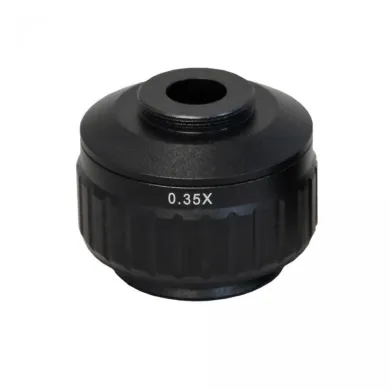
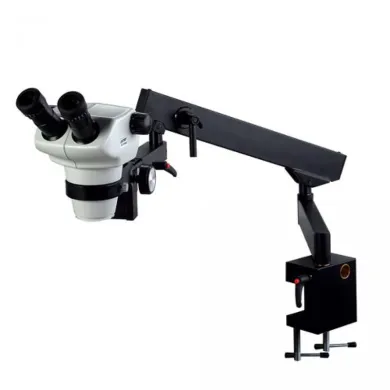
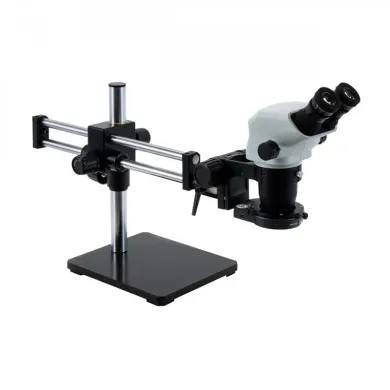
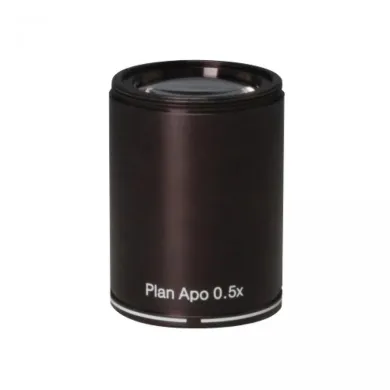
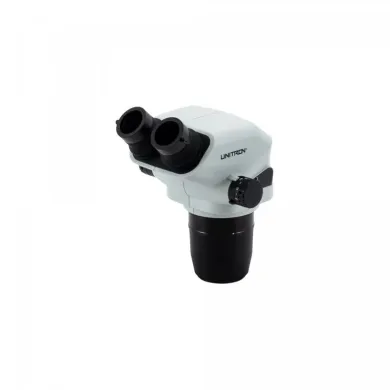
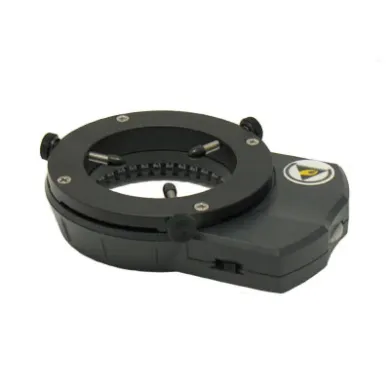
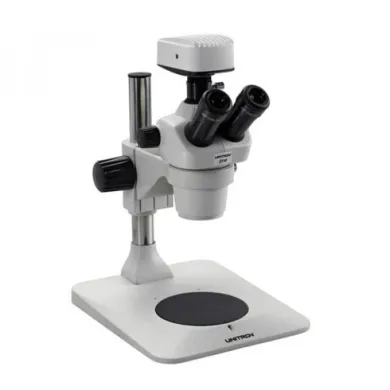
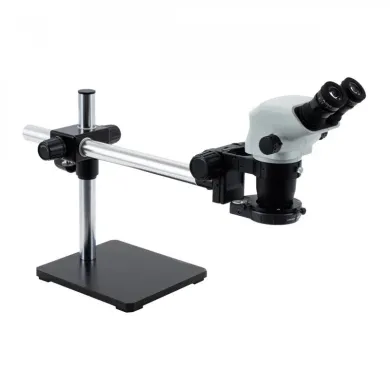
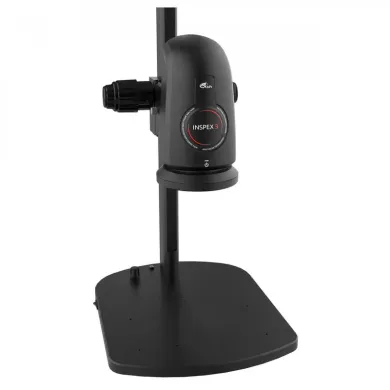
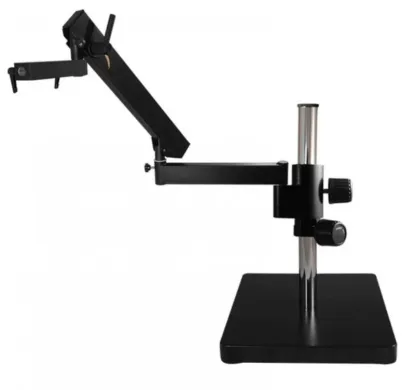
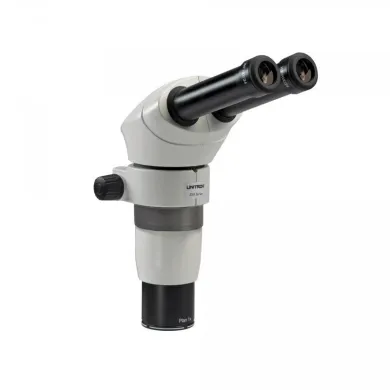
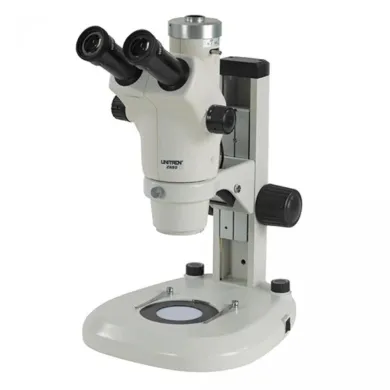
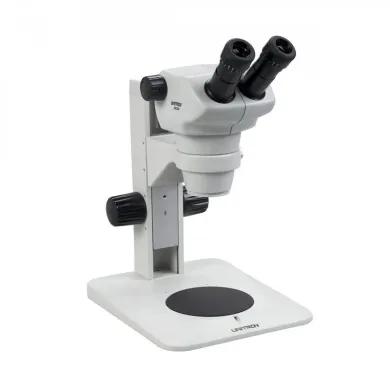
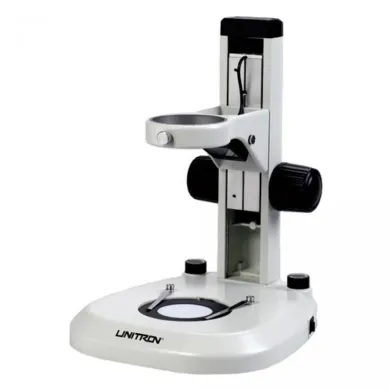
Z10 Binocular Zoom Stereo Microscope
- Category
- Microscopes
- Brand
- Unitron
- Suppliers
- 1 verified
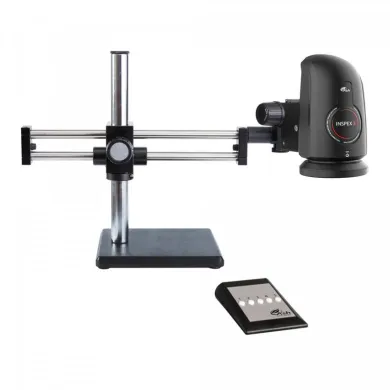
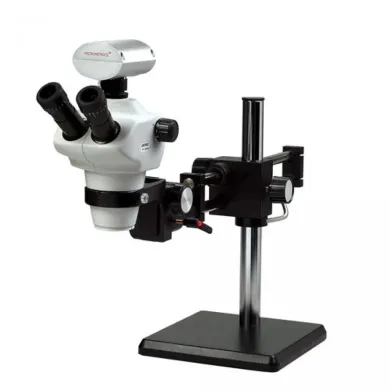

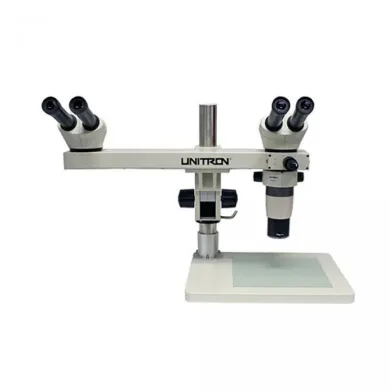
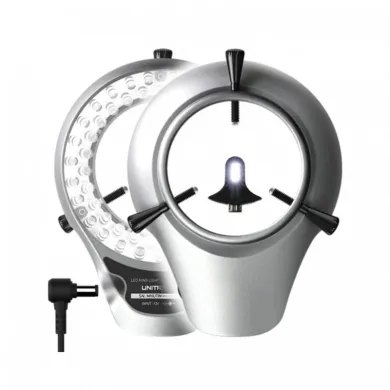
Not the exact instrument you need?
Tell our scientists what you are after. We track it down, including off-market supply.
Showing 1–40 of 139 listings
Show 40 more listingsAbout Unitron
Unitron is an American precision optical instrument and microscope manufacturer, founded in 1952 by Lawrence A. Fine as the United Trading Company in Boston, Massachusetts. It began by importing Japanese-made optical instruments and over the following decades became a manufacturer in its own right. The company is headquartered in Commack, New York, and is privately held, with no parent company, having been taken private via a management-led buyout around 1986 after a period within the Nikon Instrument Group. Its primary categories are stereo microscopes, metallurgical and materials science microscopes, digital inspection microscopes, digital microscope cameras, forensic microscopes and optical accessories. On Questpair, these instruments are offered by verified suppliers and distributors. The range is well suited to inspection, quality control and materials examination rather than to a single narrow discipline.
Unitron microscope product lines
The brand's notable product lines map onto the different kinds of work its instruments do. The LX Microscopes range, formerly sold as LUXO Microscopes, covers stereo microscopy for assembly, inspection and rework, the close-up, three-dimensional viewing used wherever a part has to be examined and handled at the same time. The PrisMET metallurgical microscope serves materials science, where reflected-light optics reveal grain structure, phase boundaries and surface defects in metals and other opaque samples. METRICAL is the imaging and measurement software that pairs with these instruments, turning a captured image into dimensioned data for documentation and reporting. Ash Technologies inspection systems extend the catalogue into digital inspection, where a sensor and screen replace the eyepiece for extended viewing and shared viewing.
Metallurgical and materials science microscopy is the clearest research-adjacent application in the range. Reflected-light microscopy of prepared metal sections supports failure analysis, weld examination and quality control in manufacturing, and the same optics are used in materials research to characterise microstructure after heat treatment or mechanical testing. Forensic microscopes in the catalogue are also used for trace evidence examination and comparison work, where comparison optics let an examiner view two samples side by side under matched conditions. Digital inspection systems carry this into electronics and precision manufacturing, where high-magnification imaging of boards and small assemblies has become routine in production and defect review.
Unitron equipment on Questpair
The Questpair catalogue for this brand holds 112 listings from 1 verified supplier, operating in 1 country. That single-source structure is worth keeping in mind: condition reporting and communication are consistent across the page, but comparison across sellers for the same model is not available here, so a buyer leans on the spread within the catalogue itself.
Prices run from EUR 67 to EUR 11.385. The average sits around EUR 2.038. The width of that band reflects what the page contains, from inexpensive optical accessories and camera parts up to complete metallurgical and digital inspection systems, and the instrument class a listing belongs to is the main thing that determines where in the band it falls.
On condition, 100 percent of the listings are used. The practical comparison is therefore between used units on their optics, completeness and documented state. Where a warranty matters, it is often possible and is arranged in consultation for the specific listing, so that is a point to settle against the individual item. Parts, where needed, can be sourced via Questpair, and for manuals or documentation a buyer can contact Questpair, where specialists respond within the hour. For metallurgical and inspection instruments in particular, the optical condition and any measurement calibration carry most of the value, which makes the per-listing condition notes the detail that repays the closest reading before a purchase.
Questpair review of Unitron
Our take based on listings data and supplier feedback
Unitron occupies a specific position in the microscope market: a long-running American maker whose range reaches from routine benchtop stereo work to metallurgical and materials inspection. For a buyer assessing the brand through Questpair, three things stand out, and each carries a practical consequence for how the listings should be read.
The first is the single-seller structure. The 112 listings currently on the brand page come from 1 verified supplier operating in 1 country. That concentration cuts both ways and is worth stating plainly. The upside is consistency: condition descriptions, packaging and communication follow one party's standards rather than a patchwork of a dozen sellers, which reduces the cross-checking a buyer normally does when the same model appears from several sources. The limitation is that comparison across sellers is not available here, so price sanity-checking has to lean on the spread within the catalogue itself rather than on competing offers for the same unit. Where warranty matters, it is arranged in consultation for the specific listing, so that is a question to raise against the individual item rather than an assumption to carry into the purchase.
The second is the breadth of the range relative to a single brand. The catalogue covers stereo microscopes, metallurgical and materials science microscopes, digital inspection microscopes, digital microscope cameras and forensic microscopes. That is a wider instrument spread than many microscope makers of comparable size maintain, and it matters for a lab or workshop that would rather standardise on one supplier than split an inspection bench across several. The notable product lines, among them the LX Microscopes range and the PrisMET metallurgical microscope, point to where the brand has put its engineering, and the presence of METRICAL imaging software alongside the hardware signals that measurement and documentation are treated as part of the instrument rather than bolted on afterward.
The third is price. Across the brand page, prices run from EUR 67 to EUR 11.385, with an average around EUR 2.038. That band is broad because it holds two different kinds of listing: low-cost optical accessories and camera components at one end, complete metallurgical and digital inspection systems at the other. A buyer reading only the top of the range will misjudge the brand, and so will one reading only the bottom. The average is the more useful single figure, and even that should be weighed against which instrument class a given listing belongs to, since a stereo unit and a materials science system are not priced on the same scale.
On condition, the picture is uniform: 100 percent of the listings are used. There is no new stock on the page to weigh against them, so the relevant comparison is between used units themselves, on optics, completeness and documented condition, rather than between used and new. For inspection and metallurgical work, where the optical train and any measurement calibration carry most of the value, the condition notes on each listing are the detail that repays close reading.
**A single specialist seller, one point of contact**
The 112 Unitron listings on Questpair come from 1 verified supplier, which means consistent condition reporting and one party to deal with across the whole range.
**Breadth from benchtop stereo to metallurgical inspection**
The catalogue spans stereo microscopes, metallurgical and materials science microscopes, and digital inspection systems, so a buyer can match a single maker to several inspection tasks.
**Used pricing across a wide band**
Prices run from EUR 67 to EUR 11.385, placing both low-cost accessories and complete metallurgical systems under the same brand page.
Frequently asked questions
Where can I find manuals and documentation for a Unitron microscope?
If a listed unit needs documentation, you can contact Questpair and specialists respond within an hour. Supply the model or series name from the listing so the right material can be located.
How much does a Unitron microscope cost?
Across the Questpair catalogue, prices run from EUR 67 to EUR 11.385, with an average of EUR 2.038. The spread reflects the difference between a single stereo head and a configured metallurgical or inspection system.
What is the difference between refurbished and used Unitron equipment?
A used unit is sold in its working condition as stated in the listing, while a refurbished one has been reconditioned before resale. Both are listed below the price of new, and the condition and included accessories noted in each listing are where the real difference sits.
Is there a warranty on a used Unitron instrument?
A warranty is often possible and is arranged in consultation for the specific listing. Terms depend on the individual unit rather than a blanket policy.
Are Unitron microscopes suitable for clinical or research use?
The stereo microscopes serve dissection and sample preparation in molecular biology and microbiology, the low-magnification step before higher-power work. The digital inspection and camera lines suit imaging and documentation where a captured, shareable image matters more than through-the-eyepiece viewing.
How long does a Unitron microscope last?
Optical stands are mechanical instruments with few consumable parts, so a well-kept unit can stay in service for many years. The condition stated in each listing is the better guide to a specific unit than the brand alone.
Can I get parts for a Unitron microscope?
Parts for a listed instrument can be sourced via Questpair. Name the model and the part needed when you enquire.
What are the alternatives to Unitron microscopes?
For stereo and metallurgical work, other precision optical makers cover the same instrument classes, and the right comparison depends on whether you need reflected-light metallography, three-dimensional stereo viewing, or digital inspection. Match the alternative to the technique and magnification range rather than to the brand.
What is the lead time on a used Unitron instrument?
Lead time depends on the individual listing and the supplier holding it. Contact Questpair with the listing and specialists respond within an hour.
What is the difference between parts and spares for these microscopes?
The terms are used interchangeably for the same thing: components that replace or supplement an existing instrument, such as objectives, stages, or illumination units. All can be sourced through Questpair against a named model.
Can Unitron equipment be shipped internationally?
Listings come from verified suppliers and distributors across 1 countries, so cross-border shipping is common. Confirm the arrangement for a specific listing through Questpair.
Which product lines does Unitron make and how do they differ?
Named lines include LX Microscopes by Unitron (taken on from LUXO, focused on bench magnification and inspection lighting), the PrisMET metallurgical stand for reflected-light surface work, Ash Technologies digital inspection systems, and the METRICAL imaging software that adds measurement and capture. Stereo microscopes handle low-magnification three-dimensional viewing, while the metallurgical range reads opaque polished surfaces.
Which types of Unitron instrument are listed here and in what condition?
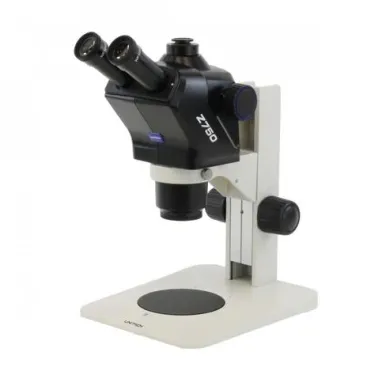
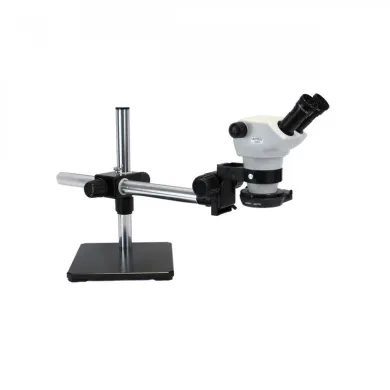
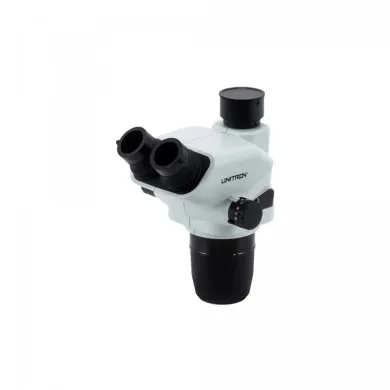
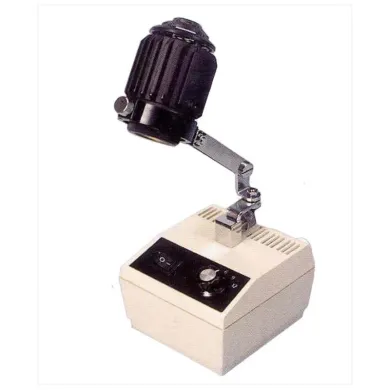
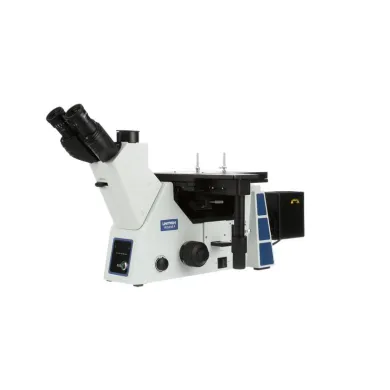
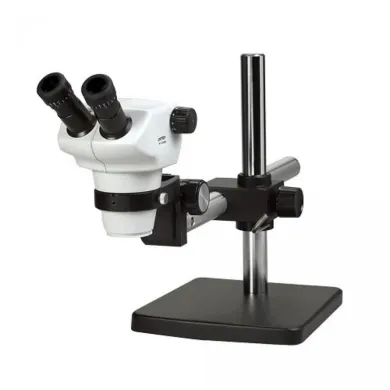
The catalogue holds zoom stereo microscopes, binocular and trinocular microscopes, industrial inspection microscopes, inspection microscopes, and boom stand microscopes, totalling 112 items. The inventory is used throughout, with 100 percent listed as used.
What separates the cheapest Unitron listings from the most expensive?
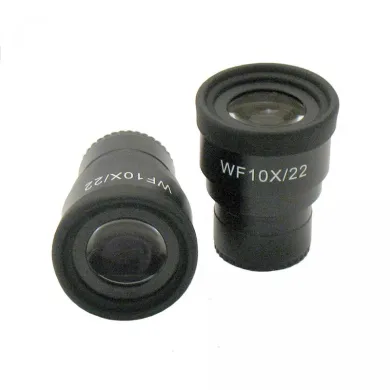
At the low end sit single components such as a stereo head or an eyepiece pair, while the high end covers a configured metallurgical or digital inspection system with stand, illumination, camera, and software. Because every unit is used, the stated condition and included accessories account for much of the gap between two listings that share the same series name.
About Questpair
Questpair is the European marketplace for lab equipment, where AI-prepared cases and personal specialists guide every purchase. We work with 247 verified suppliers across 38 countries to find buyers the right new, used or refurbished instruments, with response within 1 hour and significant savings vs buying new.
Personal · Fast · Reliable · Affordable