

Distillation glassware
We personally find you the right used, refurbished and new distillation glassware instruments & equipment from verified suppliers.
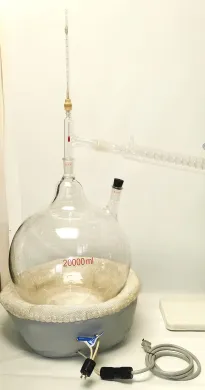
Distillation glassware is the set of flasks, condensers and connectors that carry a liquid through heating, vapour transfer and collection during a separation. A distillation train built from this glassware splits a mixture into fractions by boiling point, the vapour rising from a heated flask, cooling in a condenser and dropping into a receiver. On Questpair, 182 items of distillation glassware are listed from 11 verified suppliers and distributors across 6 countries. Of those listings, 90 percent are used. New, used and refurbished units all appear in the laboratory catalogue, with ground-glass joints and borosilicate construction the two features that decide whether separate pieces fit together.
Updated:
Distillation glassware product list
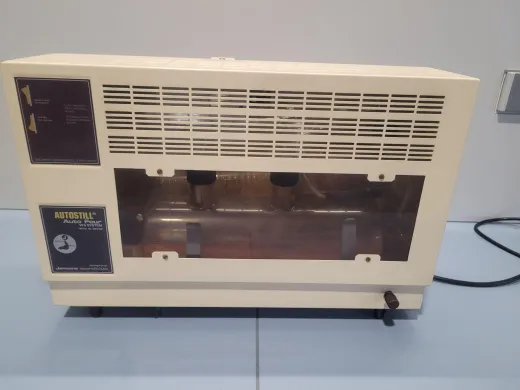
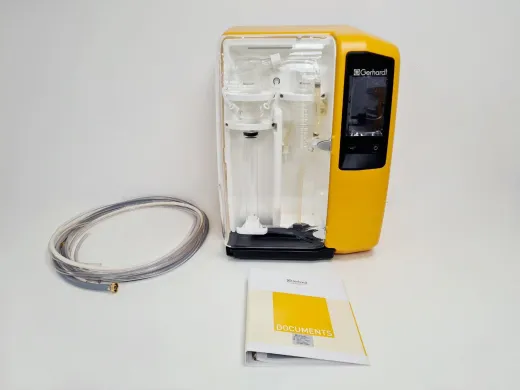
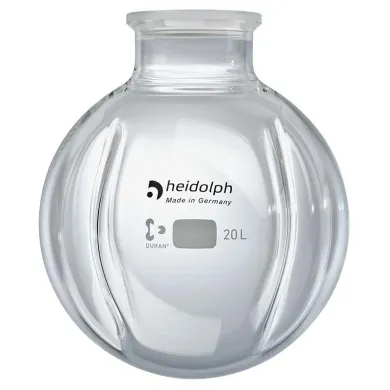
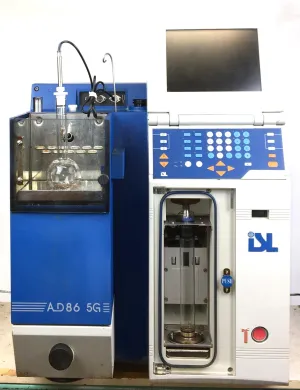


Not the exact instrument you need?
Tell our scientists what you are after. We track it down, including off-market supply.
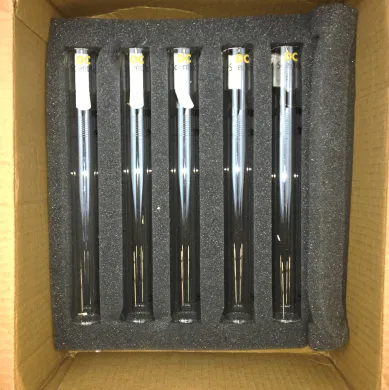
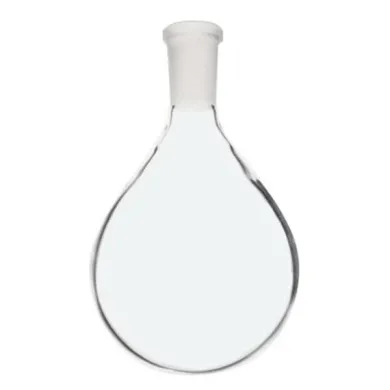
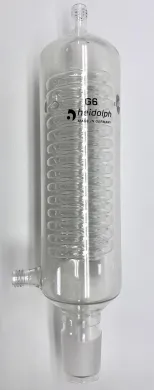
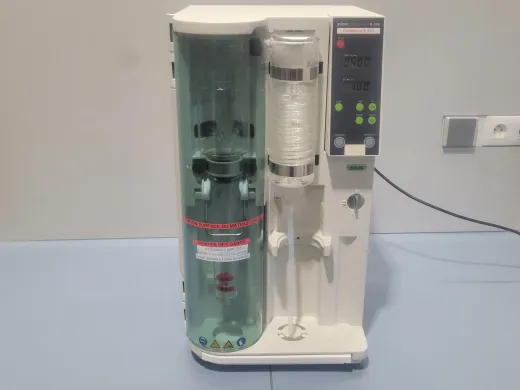
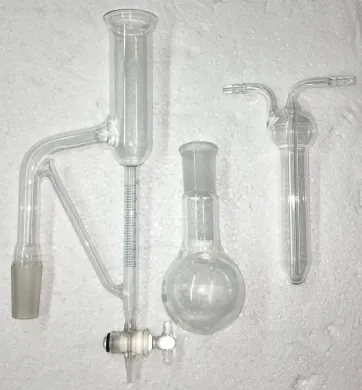
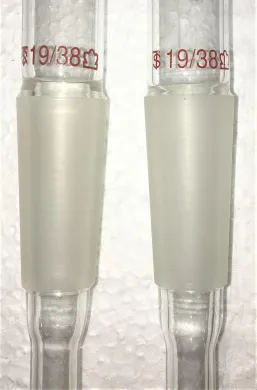
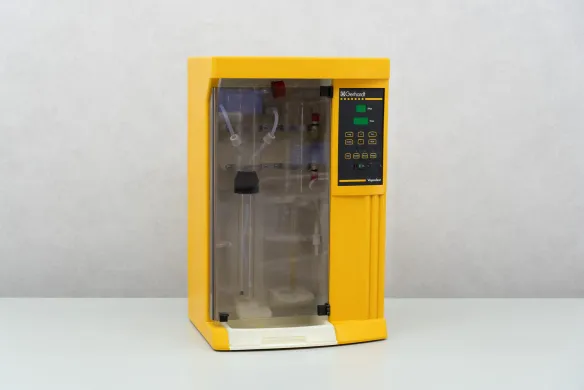
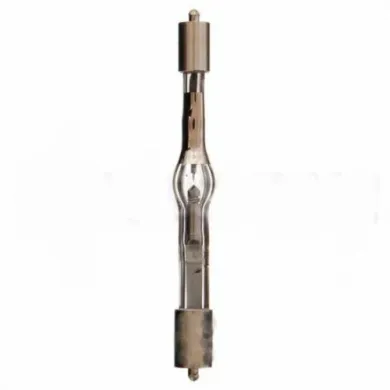
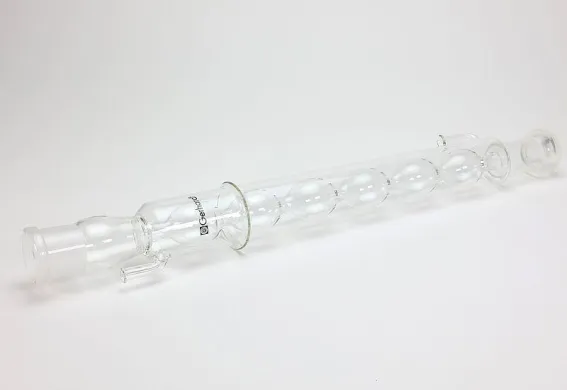
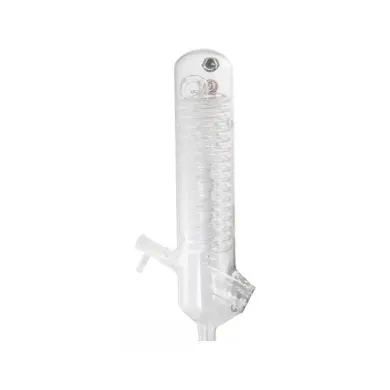
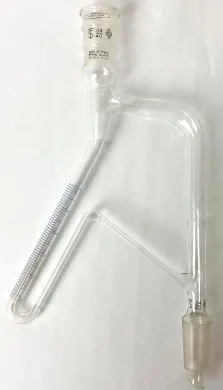
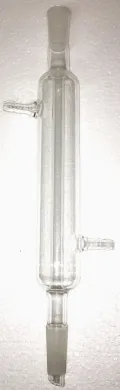
Corning PYREX 2400-200 Liebig Condenser (200mm)
- Category
- Condensers
- Brand
- Corning
- Suppliers
- 1 verified
Not the exact instrument you need?
Tell our scientists what you are after. We track it down, including off-market supply.
Showing 1–40 of 121 listings
Show 40 more listingsBuying guide
The joint settles most of what follows. Distillation glassware is modular, and a flask, a condenser and a receiver only form a working train if their ground-glass joints share a taper and a size. A 24/40 joint will not seat in a 29/32 socket, so before anything else a buyer confirms the joint standard already in the laboratory and reads every listing against it. A piece with the wrong joint is not cheaper glassware, it is glassware that does nothing until an adapter is added, and adapters introduce their own leak paths.
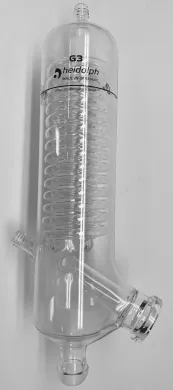
With the joints fixed, the capacity of the boiling flask and the receiving flask follows from the batch. A round-bottom flask that is half to two-thirds full at the start gives steady boiling without bumping, so a run of a few hundred millilitres wants a flask rated well above that volume, and a receiving flask sized to the fraction expected. Condenser length and type matter next: a Liebig condenser suits higher-boiling liquids, while a longer or coiled condenser recovers more of a volatile fraction. These systems are glass throughout, so thermal shock is the standing risk, which is why borosilicate rather than soda-lime construction is the specification that keeps a train in service.
On a used piece, condition is read with the eye and the fingertip. Check the ground-glass joints for chips, scratches or clouding, since a damaged joint seals poorly and can seize under vacuum. Look along the body for star cracks and strain marks near the neck, and run a finger around every rim. A frozen joint on an older flask is common and not always recoverable. Where a listing gives no detail on the joints, that is the question to put to the seller before buying.
Price spans a wide band here. Costs run from EUR 6 to EUR 47.349, with the average listing at EUR 807. The low end covers single flasks, adapters and spare receivers that fit a tight budget, while the ceiling reflects complete short-path or fractionating assemblies and large multi-neck reaction vessels. Refurbished and used glassware listed for sale sits below new equivalents, which is where a laboratory outfitting a second train tends to look. The brands behind the listings, Corning PYREX, Scilogex, Yamato, Corning, Various, set both the price level and how easily a replacement part can be matched to what is already on the bench.
Types of Distillation glassware
Which pieces of distillation glassware are listed?
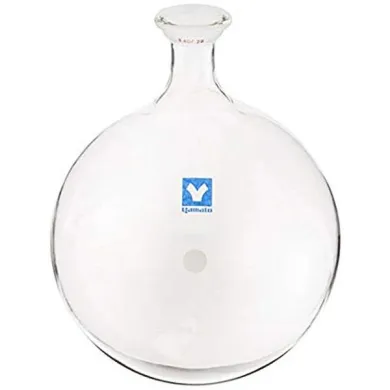
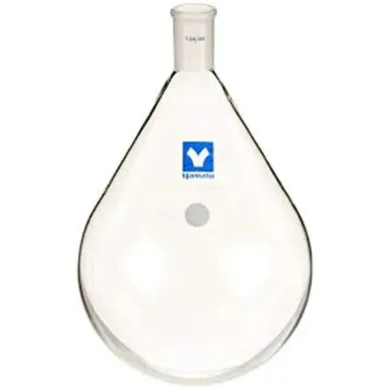
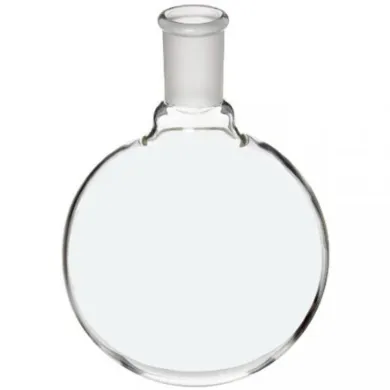
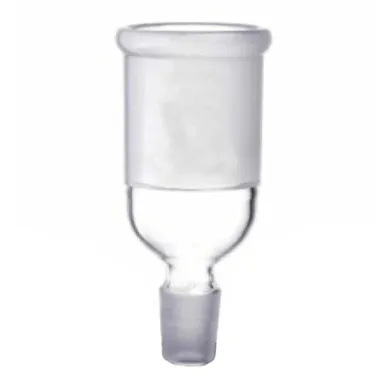
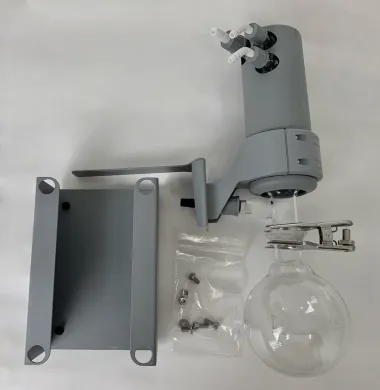
Among the listings that specify a type, the catalogue runs to laboratory glassware, evaporating flask, receiving flask, borosilicate glass flask, borosilicate glassware, distillation accessory. The laboratory glassware heading gathers the general-purpose flasks and bodies that any distillation shares, while the evaporating flask and the receiving flask name the two ends of the process: one is the heated vessel the mixture boils in, the other the cooled vessel the condensed fraction collects in. They differ in where they sit on the train and in the joints they carry, and a buyer usually needs one of each rather than two of the same. The distillation accessory heading covers the connectors, adapters, splash heads and stillheads that join those ends together, the small pieces that decide whether a set of flasks actually forms a working assembly.
Rotary evaporation is the life-sciences work this glassware does most, concentrating solvent-rich extracts in natural-product chemistry, metabolomics sample preparation and the recovery of volatiles from cell culture supernatant. The evaporating flask and its matching receiving flask are the consumable heart of that workflow, and short-path distillation glassware of this kind also serves the purification of heat-sensitive compounds where a low-pressure, low-temperature route protects the product. In molecular biology and biochemistry the same borosilicate flasks hold and reduce buffers and reagent stocks, and in essential-oil and fragrance work the receiving flask takes the separated fraction straight off the condenser.
What borosilicate construction means here?
The borosilicate glass flask and borosilicate glassware types are named explicitly in the listings because the material is the specification that matters. Borosilicate withstands the thermal cycling of repeated heating and cooling that soda-lime glass does not, and it resists the acids and solvents a distillation commonly carries. A buyer reading these listings is reading for the glass grade as much as for the shape.
The brands behind the listings and what they cost
The brands here are Corning PYREX, Scilogex, Yamato, Corning, Various. Corning PYREX and Corning are the long-standing names in borosilicate laboratory glass, and their presence means a buyer can match a replacement flask or adapter to an existing joint standard with some confidence, since the dimensions are well documented. Yamato and Scilogex appear alongside them, and the Various grouping covers unbranded or mixed-maker glassware, which is where the lowest prices tend to sit. For a buyer the mix matters mostly for compatibility: named-brand joints are easier to match part for part, while unbranded pieces are cheaper but want closer checking against what is already in use.
Condition and price track together across the catalogue. Of the listings, 90 percent are used. Prices run from EUR 6 to EUR 47.349, averaging EUR 807, a spread that covers single adapters and spare receivers at one end and complete fractionating or short-path assemblies at the other.
Frequently asked questions
What is distillation glassware?
It is the set of flasks, condensers, adapters and connectors that move a liquid through heating, vapour transfer and collection during a separation. The pieces link by ground-glass joints to form a train that splits a mixture by boiling point.
What does distillation glassware mean in practice?
In practice it means a modular set of glass components, not a single instrument. A boiling flask, a condenser, connectors and a receiving flask combine into a working assembly, and the assembly only functions when the joints and glass grade match.
How does distillation glassware work?
A mixture is heated in the boiling flask so its vapour rises, passes through a stillhead or adapter, then cools in a condenser and drips into the receiving flask. Each fraction is collected according to its boiling point.
What types of distillation glassware are there?
The listings here specify laboratory glassware, evaporating flask, receiving flask, borosilicate glass flask, borosilicate glassware and distillation accessory. The evaporating and receiving flasks are the two ends of the process, while accessories cover the connectors, adapters, splash heads and stillheads that join them.
What is distillation glassware used for?
It separates and concentrates liquids by boiling point, covering rotary evaporation of solvent-rich extracts, short-path purification of heat-sensitive compounds, buffer and reagent reduction in biochemistry, and the collection of fractions in essential-oil and fragrance work.
How do I choose distillation glassware?
Start with the ground-glass joint standard already in your lab, since a 24/40 joint will not seat in a 29/32 socket. Then size the boiling and receiving flasks to the batch, pick a condenser suited to the boiling range, and confirm borosilicate construction.
What is the difference between refurbished and used distillation glassware?
Used glassware is sold in its current condition, while refurbished has been cleaned and checked before listing. For glass the practical check is the same either way: inspect the joints for chips and clouding and the body for cracks and strain marks.
How much does distillation glassware cost?
Prices range from EUR 6 to EUR 47.349, with the average listing at EUR 807. Single adapters and spare receivers sit at the low end, while complete short-path or fractionating assemblies sit at the top.
Which brands of distillation glassware are available?
The brands listed are Corning PYREX, Scilogex, Yamato, Corning and a Various grouping for unbranded or mixed-maker glassware. Named-brand joints are easier to match part for part, while the Various grouping is where the lower prices tend to sit.
Is there a warranty on refurbished distillation glassware?
A warranty is often possible and is arranged in consultation for the specific listing. Terms are not set centrally, so the individual listing is where the detail is confirmed.
Can I get replacement parts for distillation glassware?
Parts such as adapters, condensers and spare flasks can be sourced via Questpair. Matching a replacement to a named-brand joint standard is more predictable than matching to unbranded glass.
How long does distillation glassware last?
Borosilicate glass has no fixed service life and lasts as long as it stays free of cracks, chips and seized joints. Thermal shock and damaged ground-glass joints are the usual reasons a piece leaves service.
Should I buy new or refurbished distillation glassware?
Used and refurbished pieces are listed at lower prices than new, which is where a lab outfitting a second train tends to look. Where warranty matters, it is arranged in consultation on the specific listing, so compare the individual listings directly.
Where can I buy distillation glassware?
It is listed on Questpair from 11 verified suppliers and distributors across 6 countries, with 182 items in the catalogue. New, used and refurbished pieces all appear.
What are the lead time and shipping like?
Lead time and shipping depend on the individual supplier and the item's location, which spans 6 countries. The specific listing carries the detail, and specialists respond within an hour to questions about it.
How is distillation glassware calibrated and maintained?
Glassware is not calibrated like an instrument, though volumetric pieces carry graduation markings set at manufacture. Maintenance is cleaning after each run, checking joints for chips and clouding, and greasing ground-glass joints lightly to prevent seizing under vacuum.
Which types in this category are listed most, and who reaches for which?
The listings run to laboratory glassware, evaporating flask, receiving flask, borosilicate glass flask, borosilicate glassware and distillation accessory. The evaporating and receiving flasks are the pair a rotary-evaporation or short-path workflow consumes, while the accessory heading is where someone completing an existing train looks for connectors and adapters.
Which brands dominate this category and what does that mean for a buyer?
Corning PYREX and Corning are long-standing names in borosilicate laboratory glass, with Yamato, Scilogex and a Various grouping alongside. Their presence means a buyer can match a replacement flask or adapter to a documented joint standard, while the Various grouping trades easier matching for a lower price.
What separates the bottom of the price band from the top here?
The low end covers single flasks, adapters and spare receivers, often unbranded, while the ceiling reflects complete short-path or fractionating assemblies and large multi-neck reaction vessels. Brand, condition and whether a piece is a single component or a full train all push the figure within the EUR 6 to EUR 47.349 range.