

Laboratory glassware - other
We personally find you the right used, refurbished and new laboratory glassware - other instruments & equipment from verified suppliers.
Laboratory glassware - other is the marketplace category for glass labware that does not fall under a named glassware type, covering flasks, washers and the borosilicate pieces a lab keeps on hand. The category holds 574 listings from 17 verified suppliers and distributors across 8 countries, in new, used and refurbished condition. Of those listings, 85 percent are used. Prices range from EUR 1 to EUR 34.436, which places single consumable pieces at one end and complete washer units at the other. Borosilicate glass dominates the catalogue because it tolerates thermal shock and resists most reagents, the two properties that decide whether a piece survives routine laboratory work.
Updated:
Laboratory glassware - other product list


Not the exact instrument you need?
Tell our scientists what you are after. We track it down, including off-market supply.


Not the exact instrument you need?
Tell our scientists what you are after. We track it down, including off-market supply.
Showing 1–40 of 322 listings
Show 40 more listingsBuying guide
What glass composition decides the purchase?
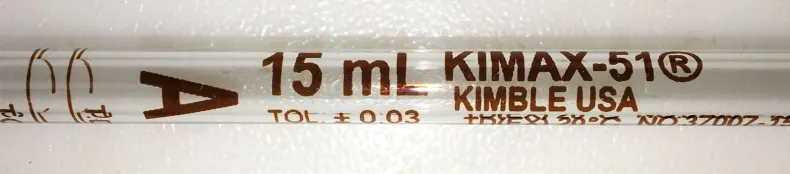
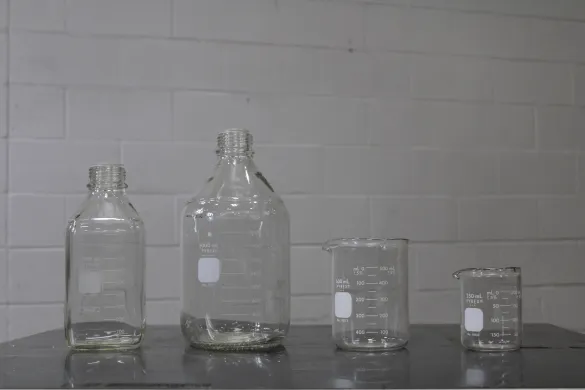
Before anything else, a buyer settles on the glass itself, because the composition fixes what the piece can do and nothing downstream changes it. Borosilicate glass, sold under names such as Corning PYREX, withstands rapid temperature change and resists acids and most solvents, which is why it carries flasks through heating, autoclaving and chilling. Soda-lime glass costs less and suits storage or room-temperature work, but cracks under thermal shock and should never go on a hotplate. For a volumetric flask the grade also sets the accuracy class, Class A meeting tighter tolerances than Class B, so the composition and the measurement rating travel together.
Verifying a used piece
Since 85 percent of the listings here are used, condition carries real weight, and glass hides its flaws. A hairline star crack near the base, a chipped rim on a ground-glass joint, or a cloudy etch from harsh cleaning all compromise a piece that photographs as intact. For a volumetric flask, check that the calibration mark and the Class rating are still legible, because a flask whose graduation has worn off cannot be trusted for quantitative work. Ground-glass stoppers and joints should match their vessels; a mismatched stopper leaks and a seized one cracks the neck on removal. Where a buyer needs reassurance, a warranty is arranged in consultation for the specific listing.
Where the price sits and who occupies it
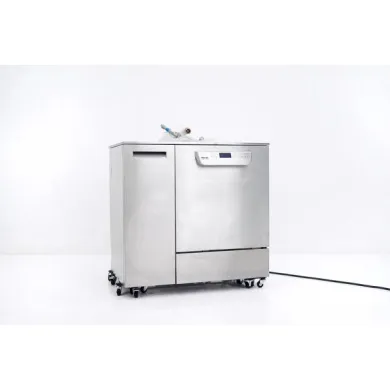
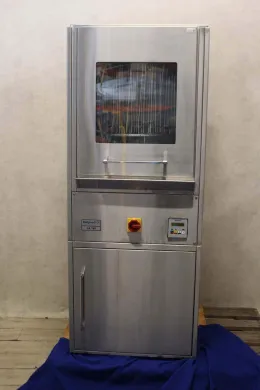
What a piece costs spans the full range from EUR 1 to EUR 34.436, and the spread reflects two different purchases inside one category. A single evaporating flask or a pack of borosilicate beakers sits near the bottom and fits almost any budget; a laboratory glassware washer, a cabinet-scale machine, sits at the top. The brands reflect that split too. Various, Globe Scientific, Corning PYREX, Corning, Scilogex appear most often, with Corning PYREX and Corning covering the borosilicate vessels and Globe Scientific the general consumables, while Various collects the unbranded stock that keeps the entry prices low. Used and refurbished units are listed for sale below new pricing, which is where most of the affordable stock sits.
Types of Laboratory glassware - other
Which glassware types are listed here?
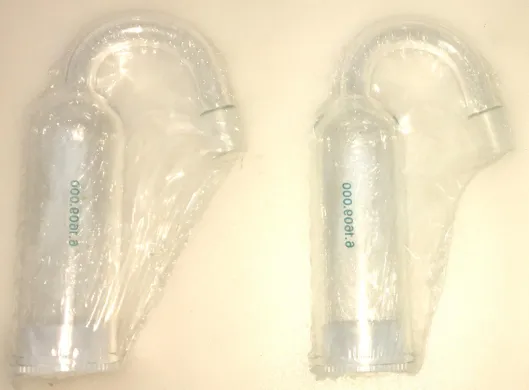
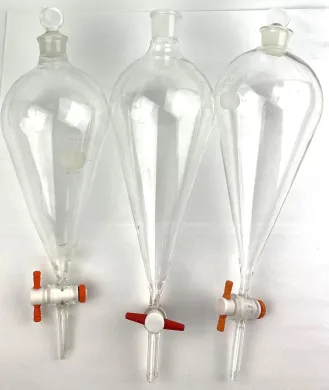
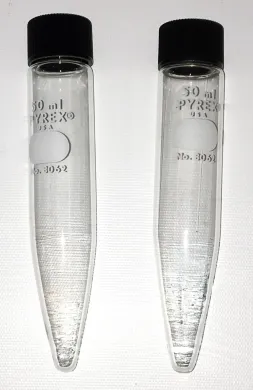
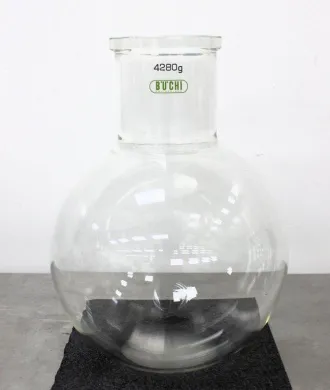
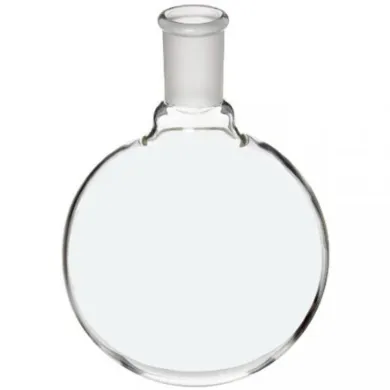
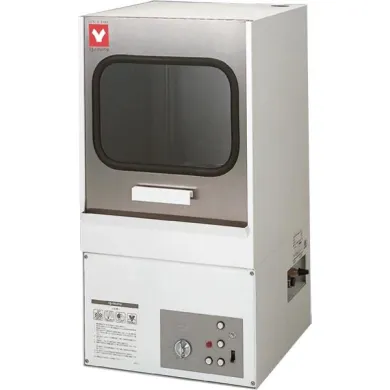
Among the listings that specify a type, the catalogue sorts into a few recurring forms. Borosilicate glassware and borosilicate glass flasks make up the bulk, chosen wherever heating or reagent contact is involved. Volumetric flasks are the measurement pieces, each calibrated to contain an exact volume at a stated temperature, used across analytical chemistry for preparing standard solutions and dilutions. Evaporating flasks, the round-bottomed vessels that mount on a rotary evaporator, remove solvent under reduced pressure and are standard in sample preparation and formulation. The laboratory glassware washer stands apart as equipment rather than glass, a machine that cleans and dries batches of labware to a reproducible standard, which matters in molecular biology and cell culture where residue ruins a result. These glass pieces also support electrophoresis buffer preparation, protein purification work and the reagent handling behind immunoassay and microbiology protocols, so a single borosilicate flask may pass through genomics and proteomics benches alike over its life.
The brands behind the glassware listings
The most frequent names are Various, Globe Scientific, Corning PYREX, Corning, Scilogex. For a buyer, that mix sets both price and availability. Corning PYREX and Corning are the borosilicate reference, which means a model is easy to match against a datasheet and replacements are simple to find. Globe Scientific and Scilogex cover general consumables and smaller instruments at a lower tier. Various, the largest single heading, is unbranded or mixed stock, and it is what pushes the entry prices down; the trade-off is that an unbranded piece is harder to compare spec for spec. Where a specific part or a matching stopper is needed, it can be sourced via Questpair.
What a used glassware piece costs here
The condition mix is clear in the numbers: 85 percent of the listings are used. Prices run from EUR 1 to EUR 34.436. That range stretches from a single consumable flask to a full washer unit, so the figure tells a buyer less about any one piece than about the breadth of the category. Used and refurbished glassware is listed below new pricing, and with 17 verified suppliers and distributors offering stock across 8 countries, most budgets find something. The listings themselves carry the condition and the spec for each piece.
Frequently asked questions
What is laboratory glassware - other?
It is the marketplace category for glass labware that does not fall under a named glassware type, covering flasks, borosilicate pieces and glassware washers. It gathers the glass items a lab keeps on hand but that do not warrant their own category heading.
What does the category name actually mean?
The word other signals that these listings are glassware without a dedicated type page of their own, so they are pooled together. A buyer finds borosilicate flasks, volumetric flasks, evaporating flasks and washer units grouped here rather than split across separate categories.
How does laboratory glassware work?
Each piece does a defined job set by its shape and glass: a volumetric flask holds an exact volume at a stated temperature, an evaporating flask mounts on a rotary evaporator to remove solvent under reduced pressure. Borosilicate glass handles heating and reagent contact because it tolerates thermal shock and resists most reagents.
What types of glassware are listed in this category?
The recurring forms are laboratory glassware, borosilicate glassware, borosilicate glass flasks, evaporating flasks and volumetric flasks, plus the laboratory glassware washer as equipment rather than glass. Borosilicate pieces make up the bulk because they survive heating and reagent exposure.
What is laboratory glassware used for?
It carries the reagent handling, solution preparation and sample work behind most bench protocols, from preparing standard solutions in volumetric flasks to removing solvent in evaporating flasks. The same borosilicate flask may pass through genomics, proteomics, microbiology and immunoassay work over its life.
How do I choose the right glassware piece?
Start with the glass composition, because it fixes what the piece can do: borosilicate for heating, autoclaving and chilling, soda-lime for storage and room-temperature work only. For a volumetric flask, match the accuracy class to the work, with Class A meeting tighter tolerances than Class B.
What is the difference between refurbished and used glassware?
Used glassware is sold in its current condition as it comes from the prior owner, while refurbished stock has been checked and reconditioned before listing. Both are listed below new pricing, and the individual listing states the condition and spec for each piece.
How much does laboratory glassware cost here?
Prices range from EUR 1 to EUR 34.436, with the average at EUR 700. A single consumable flask sits near the bottom and a full glassware washer unit sits at the top, so the spread reflects two very different purchases inside one category.
Which brands are worth looking at?
The names that appear most often are Corning PYREX, Corning, Globe Scientific, Scilogex and the Various heading for unbranded stock. Corning PYREX and Corning cover the borosilicate vessels, while Globe Scientific and Scilogex cover general consumables and smaller instruments.
Can I get a warranty on refurbished glassware?
A warranty is often possible and is arranged in consultation for the specific listing. Check the listing itself, since terms vary by seller and by the condition of the piece.
Can I find replacement parts and stoppers?
Parts, including a matching ground-glass stopper, can be sourced via Questpair. This matters because a mismatched stopper leaks and a seized one can crack the neck of the vessel.
How long does laboratory glassware last?
Borosilicate glass can serve for years because it resists thermal shock and most reagents, with the practical limit set by chips, star cracks and etching from harsh cleaning rather than age. A volumetric flask reaches the end of its useful life once its calibration mark or Class rating wears off and can no longer be trusted.
Should I buy new or used glassware?
Used and refurbished pieces are listed at lower prices than new, which is where the affordable stock sits. The deciding factor is condition: inspect used glass for cracks, chips and legible calibration marks, and weigh the warranty, which is arranged in consultation per listing.
Where can I buy laboratory glassware?
The category holds 574 listings from 17 verified suppliers and distributors across 8 countries. Each listing carries its own condition and spec, so comparison happens at the listing level.
What are the lead times and shipping like?
Lead time and shipping depend on the individual seller and the piece, since stock spans 17 verified suppliers and distributors across 8 countries. The listing shows who holds the stock, and specialists respond within 1 hour if you need to confirm availability.
How do I handle calibration and maintenance?
Volumetric flasks are calibrated to contain an exact volume at a stated temperature, so verify the calibration mark and Class rating are legible before relying on quantitative results. For cleaning, a laboratory glassware washer cleans and dries batches to a reproducible standard, which matters where residue ruins a result.
Which types are listed most, and who reaches for each?
Borosilicate glassware and borosilicate glass flasks make up the bulk, chosen wherever heating or reagent contact is involved. Analytical chemists reach for volumetric flasks to prepare standards and dilutions, sample-prep and formulation benches reach for evaporating flasks on a rotary evaporator, and molecular biology and cell culture labs reach for the glassware washer where residue cannot be tolerated.
Which brands dominate this category and what does that mean for me?
Corning PYREX and Corning are the borosilicate reference, so a model is easy to match against a datasheet and replacements are simple to find. The Various heading is the largest single entry and collects unbranded or mixed stock, which pushes entry prices down but makes a piece harder to compare spec for spec.
What separates the cheapest listings from the most expensive?
The bottom of the band is a single evaporating flask or a pack of borosilicate beakers, often unbranded stock under the Various heading. The top is a cabinet-scale laboratory glassware washer, a machine rather than a glass piece, which is why the price spans from EUR 1 to EUR 34.436.