

Scales for Ex Areas
We personally find you the right used, refurbished and new scales for ex areas instruments & equipment from verified suppliers.
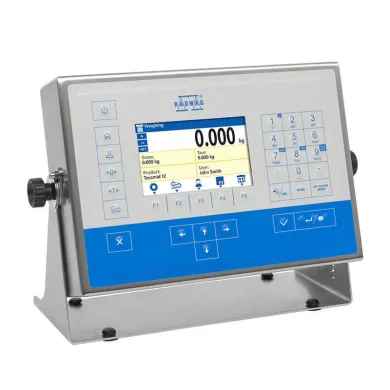
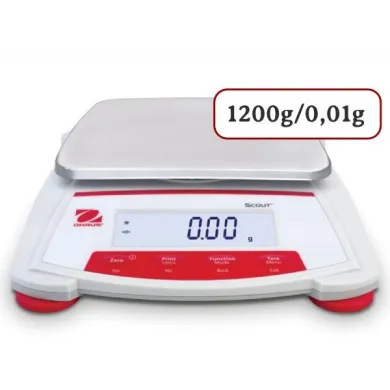
Scales for Ex areas are weighing instruments certified to operate safely in explosive atmospheres, where flammable gas, vapour or combustible dust can be present during normal work. They are built to ATEX or IECEx standards so that the electronics cannot become an ignition source. The Questpair catalogue holds 219 such listings, of which 1 percent are used, from 3 verified suppliers across 4 countries. Both new and used laboratory and industrial units appear, with refurbished stock listed below new pricing. Prices run from EUR 281 to EUR 27.728. The range reflects everything from a compact bench unit to a large floor platform rated for a hazardous production hall.
Updated:
Scales for Ex Areas product list
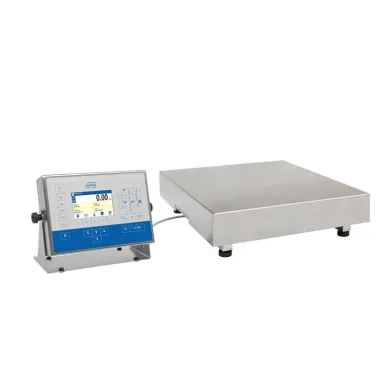
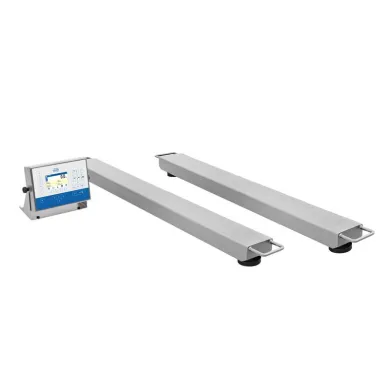
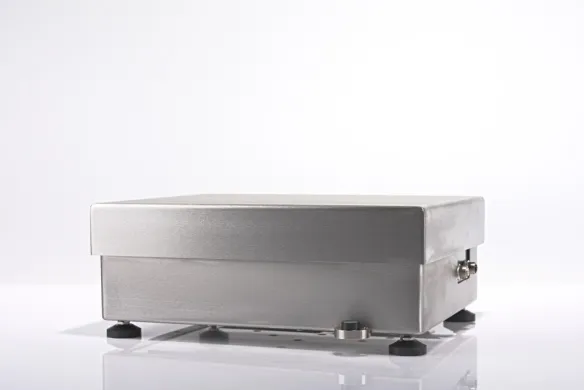
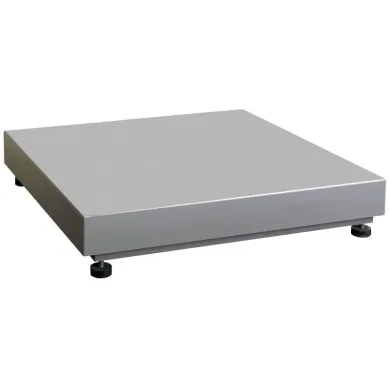


Not the exact instrument you need?
Tell our scientists what you are after. We track it down, including off-market supply.
Not the exact instrument you need?
Tell our scientists what you are after. We track it down, including off-market supply.
Showing 1–40 of 218 listings
Show 40 more listingsBuying guide
Which zone and gas group the scale must match?
The purchase starts with the hazardous area classification, because a scale certified for the wrong zone cannot lawfully enter the room, whatever its weighing performance. An explosive atmosphere is graded by how often it is present: gas zones run 0, 1 and 2, dust zones 20, 21 and 22, with the lower number meaning the danger is there for longer. A unit marked for zone 1 covers zone 2 as well, but never the reverse. On top of the zone comes the gas group, IIA through IIC, and the temperature class, T1 to T6, which caps the surface temperature the device may reach. A buyer confirms the exact marking on the nameplate against the plant's own area drawing before anything else, because the certificate, not the datasheet, decides where the instrument may stand.
Protection method matters alongside the marking. Intrinsically safe designs limit the stored energy so that no spark can ignite the atmosphere, and they suit the most demanding gas zones; flameproof enclosures contain any ignition inside a rated housing instead. The method affects how the scale is wired, whether a safety barrier sits between it and the control room, and what a technician may do to it in the field.
On a used unit the certificate is the first thing to verify. An Ex certification is tied to the device as built, so any repair, modified cable gland or replaced display can void it unless carried out to the original specification. Check that the certificate number is legible, that the documentation accompanies the scale, and that nothing on the enclosure has been opened or substituted. Calibration is a separate question: weighing accuracy drifts with handling and age, and a balance that reads correctly still needs recalibration against known masses before it enters service.
Price is where the range widens most. A small intrinsically safe bench balance sits near the lower figure, while a large floor platform for a production hall reaches the upper one, and the average of EUR 5.944 falls between the two. The dominant makers here are Radwag, RADWAG, Ohaus, Mettler Toledo, Minebea Intec, and their presence shapes what a buyer can expect: parts and comparable models are easier to find, and a used listing from one of them is simpler to value against a new one. For a buyer working to a budget, the used and refurbished units listed for sale cost less than new equivalents, though at 1 percent of stock they are the exception rather than the rule. What a certified scale costs is driven far more by its platform size and zone rating than by its brand.
Types of Scales for Ex Areas
Which weighing types are listed here?
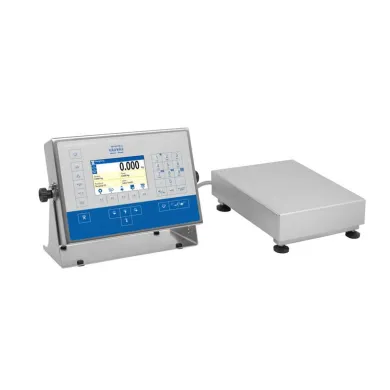
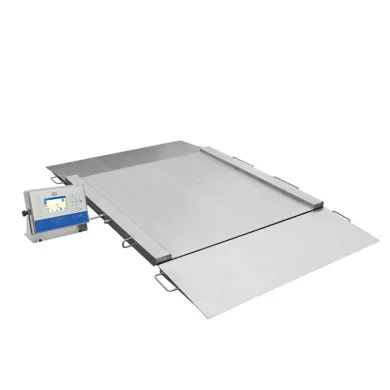
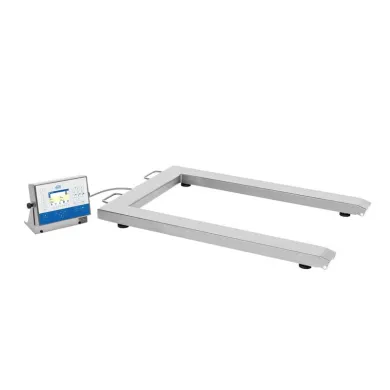
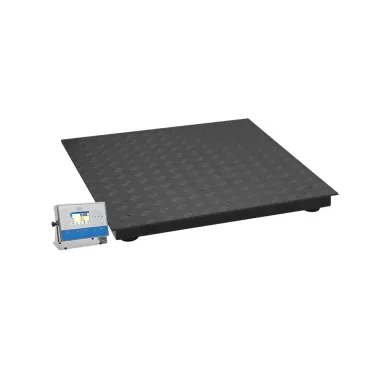
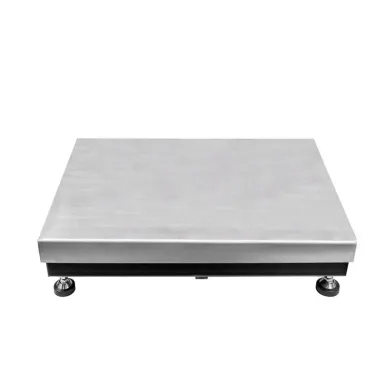
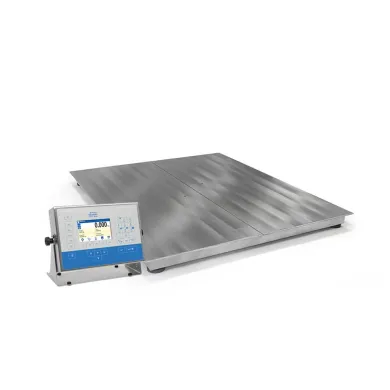
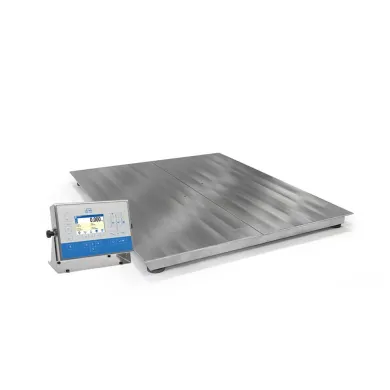
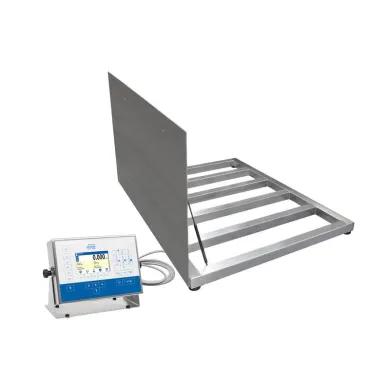
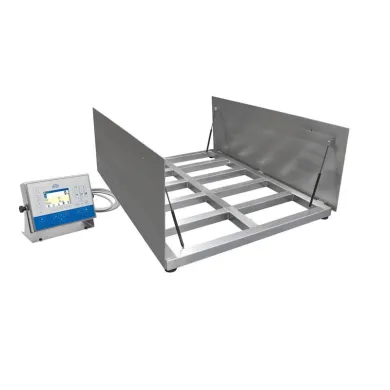
Among the listings that specify a type, the catalogue sorts into hazardous area equipment, intrinsically safe equipment, platform scale, industrial scale, weighing instrument, process control equipment. The two that define the category are hazardous area equipment and intrinsically safe equipment: these are not separate kinds of scale so much as the certification class every unit here belongs to, describing how the device is rated for an explosive atmosphere rather than how it weighs. A platform scale is the large-footprint form, a low deck a pallet or drum can sit on, used where whole containers are weighed on a factory floor. An industrial scale is the broader bench and floor family built for production rather than the laboratory, rugged and often rated for coarser resolution. A weighing instrument covers the finer bench balances, where readability to a milligram or better is the point. Process control equipment sits at the edge of the group, where the scale feeds a dosing or batching line and its reading drives a valve or a feeder rather than a printout.
These weighing instruments do real work in biotechnology and pharmaceutical manufacturing, where solvent handling means the gravimetric analysis itself often happens inside a classified area. A certified balance performs the formulation and sample preparation steps for bioprocessing and biomanufacturing where flammable solvents are present, so an explosion proof balance for solvent weighing is a routine fixture in a pharmaceutical filling suite. In molecular biology and microbiology labs that store and dispense flammable reagents, an intrinsically safe laboratory scale for hazardous areas lets protein purification and media preparation proceed without moving the weighing step out of the controlled room.
The brands behind the Ex-area scale listings
The makers that recur across these listings are Radwag, RADWAG, Ohaus, Mettler Toledo, Minebea Intec. Their weight in the catalogue is practical rather than promotional: where several listings come from the same maker, a buyer can compare resolution, platform size and zone rating across models that share a design language, and parts for a common model are easier to source. A used unit from one of these names is also simpler to value, because a new equivalent usually exists to price it against. The brand does not override the certificate, though; a Radwag bench balance and a Mettler Toledo platform are chosen on their zone marking and capacity first, and on the badge second.
What condition and price look like here?
Of the current stock, 1 percent of the listings are used. Prices run from EUR 281 to EUR 27.728, with an average of EUR 5.944. That spread covers the full distance from a compact intrinsically safe bench balance to a large certified floor platform, which is why the top figure sits so far above the mean. Both British and American spellings of the surrounding terms, catalogue and catalog alike, point to the same set of listings.
Frequently asked questions
What is a scale for Ex areas?
It is a weighing instrument certified to operate safely in an explosive atmosphere, where flammable gas, vapour or combustible dust can be present. It is built to ATEX or IECEx standards so the electronics cannot become an ignition source.
What does 'Ex area' mean on a scale?
Ex refers to an explosive atmosphere, a space classified as hazardous because flammable material may be present during normal operation. A scale marked for an Ex area carries a certificate stating which zone, gas group and temperature class it is rated for.
How do scales for Ex areas work?
They weigh the same way as ordinary scales but confine their electrical energy so no spark or hot surface can ignite the surrounding atmosphere. Intrinsically safe designs limit stored energy, while flameproof enclosures contain any ignition inside a rated housing.
What types are listed in this category?
The listings sort into hazardous area equipment, intrinsically safe equipment, platform scale, industrial scale, weighing instrument and process control equipment. Hazardous area and intrinsically safe describe the certification class rather than a distinct kind of scale, while platform, industrial and weighing instrument describe the physical form and resolution.
What are scales for Ex areas used for?
They let weighing happen inside a classified room instead of moving material out of it, common in pharmaceutical filling, bioprocessing and labs that handle flammable solvents. Uses range from formulation and sample preparation on a bench balance to weighing whole drums or pallets on a floor platform.
How do I choose a scale for an Ex area?
Start with the hazardous area classification of the room, then match the zone, gas group and temperature class on the scale's nameplate against the plant's area drawing. Only after the certificate fits do you compare capacity, resolution and platform size.
What is the difference between refurbished and used units here?
Both are pre-owned and listed below new pricing; refurbished generally means the unit has been checked and reconditioned, while used describes its sold condition as is. On any Ex unit, verify that the certificate is intact and legible regardless of which label the listing carries.
How much does a scale for an Ex area cost?
Prices in the catalogue run from EUR 281 to EUR 27.728, with an average of EUR 5.944. Platform size and zone rating drive the figure far more than the brand does.
Which brands appear most in this category?
The makers that recur across the listings are Radwag, RADWAG, Ohaus, Mettler Toledo and Minebea Intec. Where several listings share a maker, a buyer can compare resolution, platform size and zone rating across models that share a design.
Is a warranty available on a refurbished unit?
A warranty is often possible and is arranged in consultation for the specific listing. Terms are not set centrally, so check the individual listing and confirm what applies before purchase.
Can I get parts for these scales?
Parts can be sourced via Questpair. For a common model from one of the recurring makers, comparable parts tend to be easier to find than for a one-off unit.
How long does a scale for an Ex area last?
Service life depends on use, handling and how well the enclosure and seals are maintained rather than on a fixed figure. The certificate can outlast the weighing accuracy, which is why recalibration against known masses is a separate and recurring requirement.
Should I buy new or refurbished?
Used and refurbished units are listed at lower prices than new equivalents, which is the clearest difference between them. Where you have to weigh the two, check the individual listing and note that warranty is arranged in consultation rather than assumed.
Where can I buy a scale for an Ex area?
The Questpair catalogue holds 219 listings from 3 verified suppliers and distributors across 4 countries. Both new and pre-owned laboratory and industrial units appear.
What are the lead time and shipping like?
Lead time and shipping depend on the individual supplier and the unit's location, so they are stated per listing rather than category-wide. For a specific timeline, contact Questpair; specialists respond within one hour.
Does the scale need calibration and maintenance?
Yes. Weighing accuracy drifts with handling and age, so a balance that reads correctly still needs recalibration against known masses before it enters service, and seals and cable glands should be checked to keep the Ex certificate valid.
Which types in this category are listed most, and who reaches for which?
Hazardous area equipment and intrinsically safe equipment define the category because every unit here carries one of those certification classes. Lab users dispensing flammable reagents reach for an intrinsically safe bench balance, while production floors weighing drums or pallets reach for a platform or industrial scale.
Which brands dominate this category, and what does that mean for a buyer?
Radwag, RADWAG, Ohaus, Mettler Toledo and Minebea Intec recur across the listings. For a buyer this means comparable models and parts are easier to find, and a used unit is simpler to value against a new one, though the certificate still decides where the scale may stand, not the badge.
What separates the cheapest units here from the most expensive?
A small intrinsically safe bench balance sits near EUR 281, while a large certified floor platform for a production hall reaches EUR 27.728, with the average of EUR 5.944 between them. The gap comes mostly from platform size and zone rating rather than brand.