

Weighing Terminals
We personally find you the right used, refurbished and new weighing terminals instruments & equipment from verified suppliers.
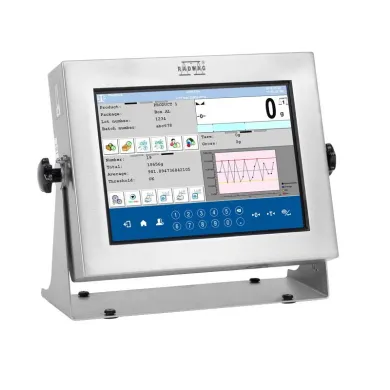
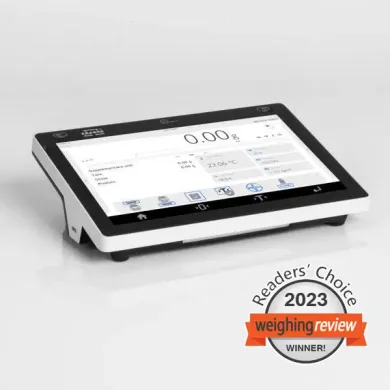
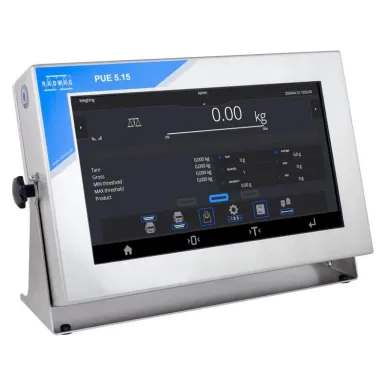
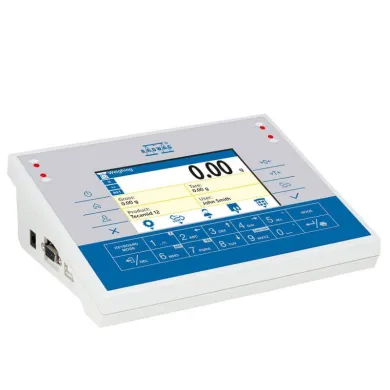
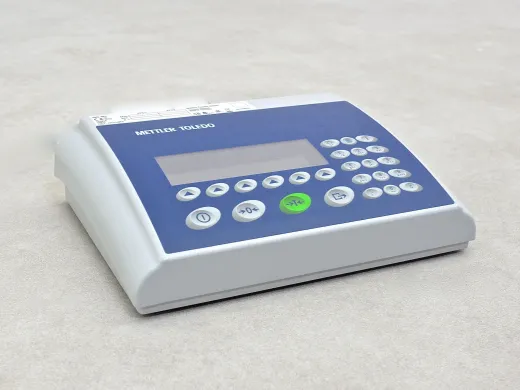
Weighing terminals are the readout and control units that pair with a load cell or weighing platform to display, process and transmit a weight measurement. A terminal handles the signal conditioning, the digital display, and the connectivity to printers, scales or process systems, while the platform does the actual sensing. On Questpair, 116 weighing terminal listings are available from 10 verified suppliers and distributors across 8 countries, in new, used and refurbished condition. Among the current listings, 40 percent are used. Prices run from EUR 58 to EUR 14.564, with an average of EUR 1.881. Both laboratory and industrial units appear, so a buyer sees bench analysers alongside floor-scale indicators.
Updated:
Weighing Terminals product list
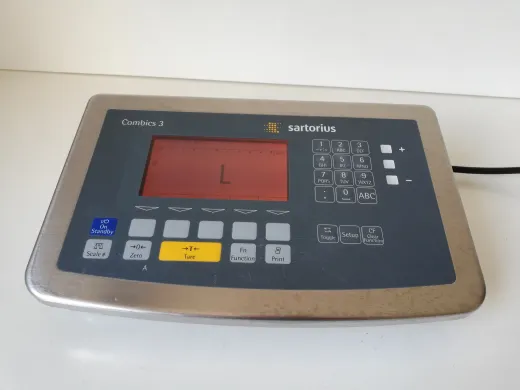
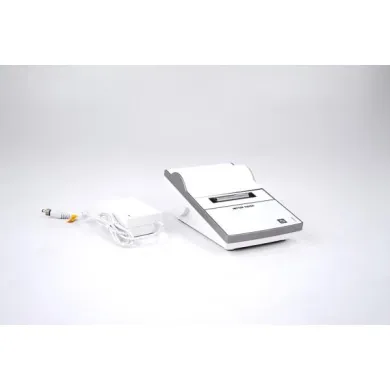
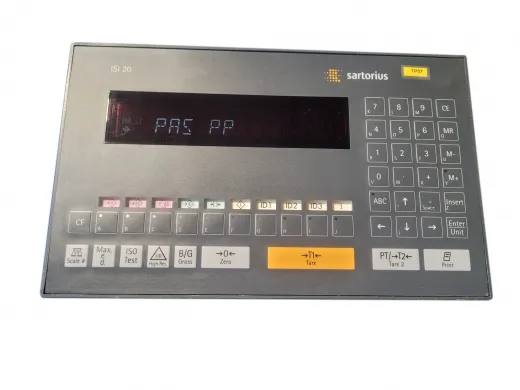
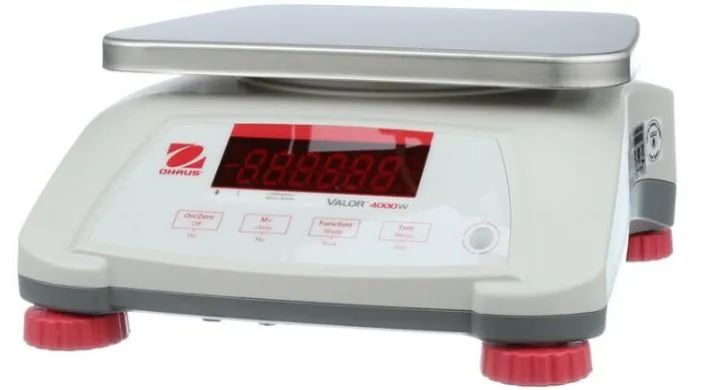


Not the exact instrument you need?
Tell our scientists what you are after. We track it down, including off-market supply.

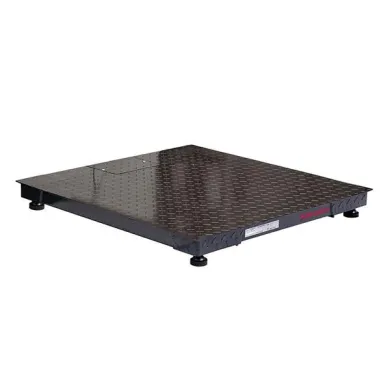
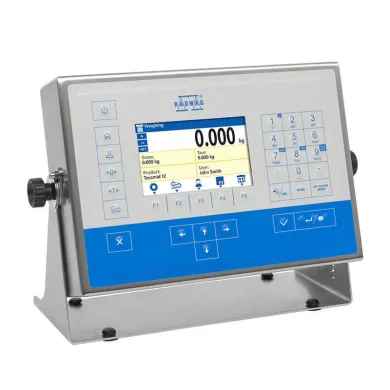
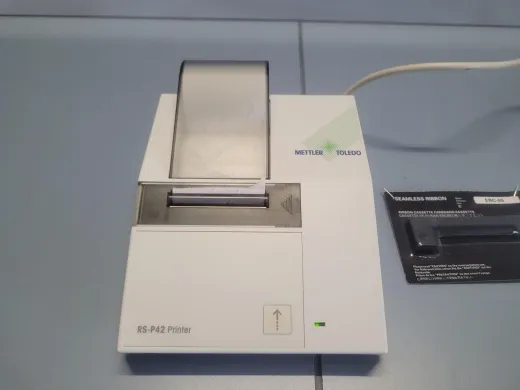
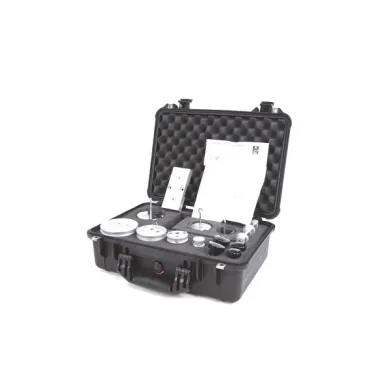
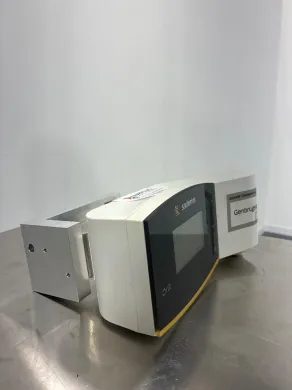
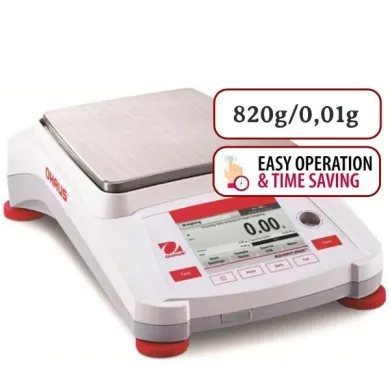
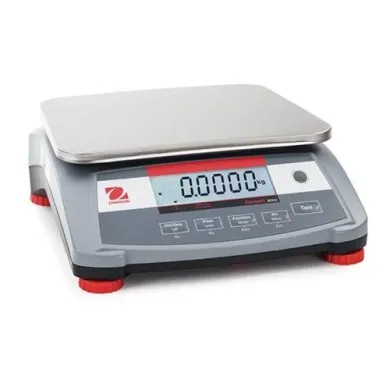
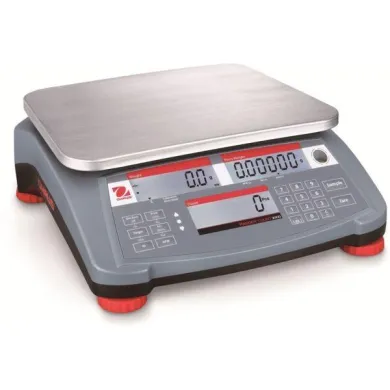
Not the exact instrument you need?
Tell our scientists what you are after. We track it down, including off-market supply.
Showing 1–40 of 93 listings
Show 40 more listingsBuying guide
The signal a terminal has to read settles most of the purchase before any other feature matters. A terminal built for an analytical balance resolves a load cell to six figures and expects a high-resolution strain-gauge or electromagnetic-force input; a terminal meant for a floor scale reads a coarse industrial platform and offers nothing finer than a gramme. Matching the terminal to the resolution of the platform it serves is the first check, because a mismatch here cannot be corrected in software. The second is the interface: analogue load cells need an analogue terminal, digital load cells a digital one, and the two are not interchangeable.
Legal-for-trade approval is the next question, and it divides the field. A terminal used to sell goods by weight has to carry an OIML or NTEP certificate and the approval has to match the platform it is wired to, as a certified pair. A terminal bought for internal process control or for a laboratory does not, and pays less for the same resolution. Establishing which side of that line a buyer sits on removes a large part of the catalogue in one step.
On a used unit, the display and the keypad are the parts that fail first, and neither shows in a photograph. A terminal that has sat on a production floor collects dust in the enclosure and wear on the membrane keys. Verify that the unit still communicates over the interface it claims, RS-232, Ethernet or a fieldbus, and that the firmware version supports the protocol a buyer's system speaks; an obsolete terminal can read weight correctly and still refuse to talk to a modern PLC. Where a unit was part of a legal-for-trade pair, the certificate does not transfer to a new platform without re-verification, so a used terminal sold on its own is effectively uncertified until paired and re-approved.
The price band is wide because the two ends of the catalogue are different machines. Units run from EUR 58 to EUR 14.564, with the average near EUR 1.881. What a buyer on a tight budget spends sits at the lower end, where a basic industrial indicator or a laboratory readout from an older generation costs least. A refurbished terminal listed for sale is more affordable than its new equivalent, and the brands that occupy the upper band, Radwag, Ohaus, Mettler Toledo, Sartorius, OHAUS, hold their resale value because parts and documentation stay available. The spread between a bare indicator and a certified high-resolution unit is the whole of that range.
Types of Weighing Terminals
Which weighing terminal types are listed?
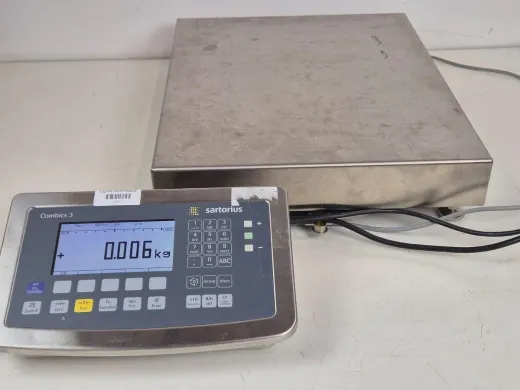
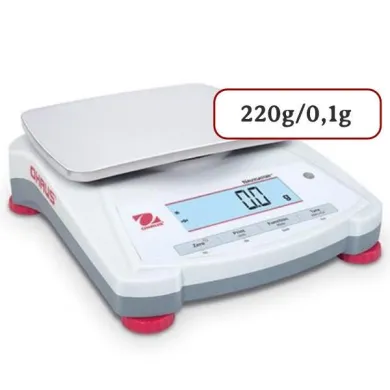
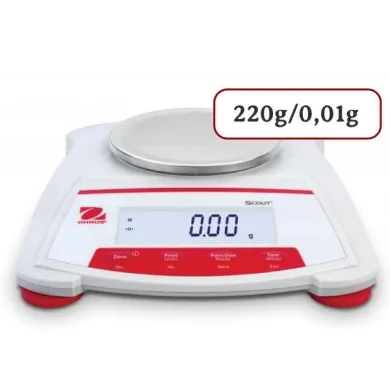
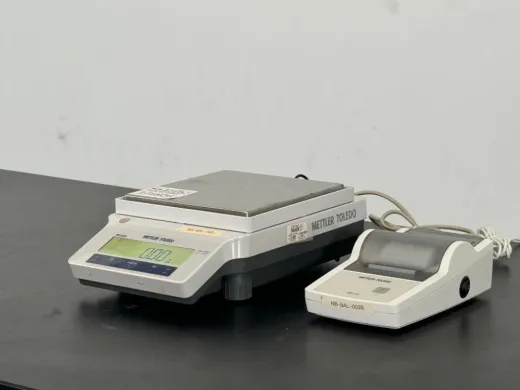
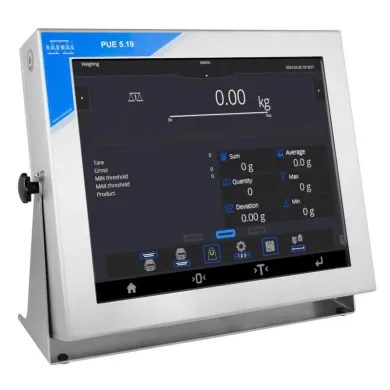
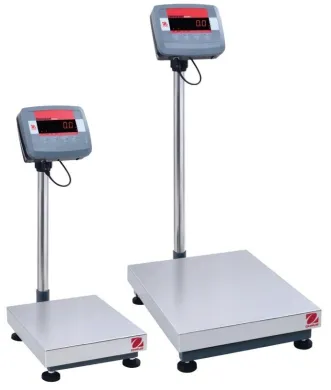
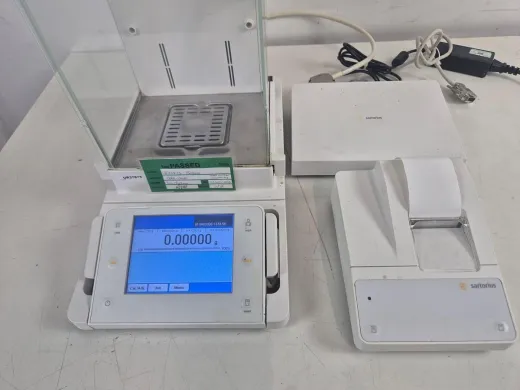
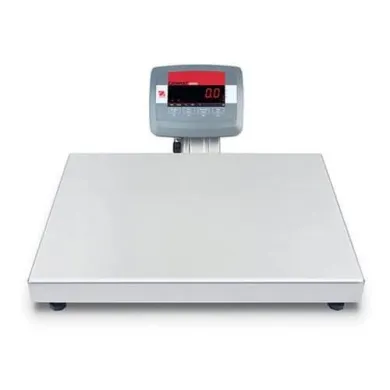
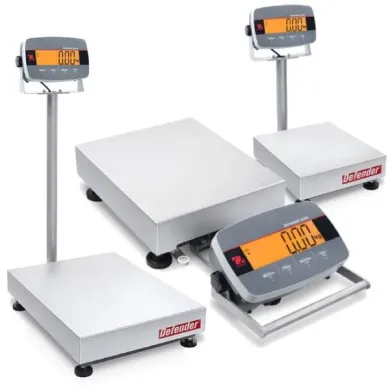
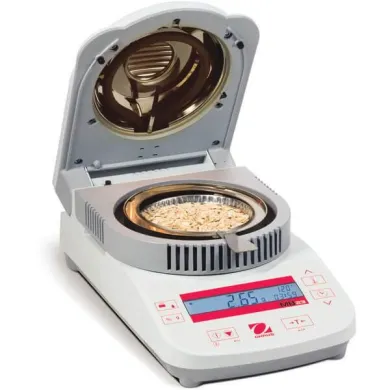
Among the listings that specify a type, the catalogue runs from dedicated terminals to the complete instruments they are often sold alongside: weighing terminal, analytical balance, precision balance, industrial scale, laboratory scale, counting scale. A weighing terminal proper is the indicator head, bought to replace a failed display or to upgrade the connectivity of an existing platform. The analytical balance and the precision balance are complete bench instruments where the terminal and the weighing cell are integrated: the analyser resolves to 0.1 milligram or finer and sits in a draught shield, the precision balance resolves to a milligram or a centigram and works in open air. An industrial scale and a laboratory scale cover the heavier, coarser end, and a counting scale adds a piece-count function on top of a weight reading, used across a stores or a production line to tally components by mass rather than by hand.
Analytical and precision balances do the gravimetric analysis behind much of life sciences work. A balance weighs out the reagent for a buffer, the sample for an assay, and the standard for a calibration curve, so the same instrument underpins molecular biology, protein purification and the formulation steps of cell culture media. A counting scale reaches into biomanufacturing and stores control, tallying consumables and components by mass. These measurement systems are also used for quality control in microbiology and for sample preparation ahead of genomics and proteomics workflows, wherever a known mass has to be established before an experiment can begin.
The brands behind the weighing terminal listings
The names that recur are Radwag, Ohaus, Mettler Toledo, Sartorius, OHAUS, and for a buyer that mix matters more than any single reputation. A terminal from one of the established makers is easier to pair and to document, because the load-cell interface, the communication protocol and the service literature are published and stable. It also means a used unit can be matched to a compatible platform with some confidence, and that parts, membrane keypads and interface boards among them, can be sourced via Questpair when a repair is needed. The spread of brands keeps like-for-like comparison possible, since several makers offer a terminal at each resolution tier rather than one maker owning a price band outright.
What a used weighing terminal costs here
The condition split runs to 40 percent used across the current listings, with the balance available new, from 10 verified suppliers and distributors. Prices cover EUR 58 to EUR 14.564, and that range is not a reflection of condition so much as of what the unit is: a bare industrial indicator and a certified analytical balance sit at opposite ends of it regardless of age. The average near EUR 1.881 falls between the two, where most of the mid-resolution laboratory and process terminals cluster. A used unit from this catalogue costs less than its new counterpart, which is the one firm thing that can be said about the gap between the two conditions.
Frequently asked questions
What is a weighing terminal?
A weighing terminal is the readout and control unit that pairs with a load cell or weighing platform to display, process and transmit a weight measurement. It handles the signal conditioning, the digital display, and the connectivity to printers, scales or process systems, while the platform does the actual sensing.
What does weighing terminal mean?
The term refers to the indicator head of a weighing system, as distinct from the platform that senses the load. It is sometimes called an indicator or a readout, and its job is to turn the load cell's signal into a readable, transmittable weight value.
How do weighing terminals work?
A load cell converts an applied weight into an electrical signal, and the terminal conditions that signal, converts it to a digital value and shows it on the display. The terminal also drives any outputs, sending the reading to a printer, a PLC or a process system over an interface such as RS-232, Ethernet or a fieldbus.
What types of weighing terminals are there?
Listings here run from the dedicated terminal, the indicator head bought on its own, to the complete instruments it is sold alongside: analytical balance, precision balance, industrial scale, laboratory scale and counting scale. The dedicated terminal replaces a failed display or upgrades connectivity, while the balances and scales are integrated units where the terminal and the weighing cell come together.
What are weighing terminals used for?
They display and transmit a weight so it can be recorded, printed or fed into a control system. In laboratories they sit behind gravimetric work such as weighing reagents and samples, and on a production floor or in stores they drive floor-scale readings and piece-counting by mass.
How do I choose a weighing terminal?
Start with the signal: match the terminal to the resolution of the platform it serves, since an analytical terminal reads a six-figure load cell while a floor-scale terminal reads a coarse industrial platform. Then confirm the interface type, analogue or digital, and whether you need legal-for-trade approval, because none of these can be fixed in software after the fact.
What is the difference between refurbished and used?
A used terminal is sold in its existing condition, while a refurbished one has been checked and brought back toward working order before listing. Both are listed below the price of a new equivalent, and the exact condition and any work done are described in the individual listing.
How much does a weighing terminal cost?
Prices in the Questpair catalogue run from EUR 58 to EUR 14.564, with an average near EUR 1.881. The spread reflects what the unit is rather than its age: a bare industrial indicator and a certified analytical balance sit at opposite ends of that range.
What are the best weighing terminal brands?
The names that recur in the listings are Radwag, Ohaus, Mettler Toledo and Sartorius. Each publishes its load-cell interface and communication protocols, which makes pairing, documentation and like-for-like comparison across resolution tiers possible.
Is there a warranty on a refurbished weighing terminal?
A warranty is often possible and is arranged in consultation for the specific listing. Check the listing itself and ask through Questpair before purchase to confirm what applies to that unit.
Can I get parts for a weighing terminal?
Parts such as membrane keypads and interface boards can be sourced via Questpair. Established brands keep these parts available longer, which matters because the keypad and display are the components that wear first on a used terminal.
How long does a weighing terminal last?
A terminal has no moving parts, so the display and the keypad are usually what fail first, particularly on units that sat on a dusty production floor. Electronics age gradually, and the practical limit is often firmware that no longer supports the protocol a modern control system speaks rather than the hardware itself.
Should I buy new or refurbished?
Used and refurbished terminals are listed at lower prices than new units, which is the firm difference between the two conditions. Beyond price, weigh the condition and firmware described in the individual listing, and note that warranty is arranged in consultation rather than set centrally.
Where can I buy a weighing terminal?
They are listed on Questpair from 10 verified suppliers and distributors across 8 countries, in new, used and refurbished condition. The catalogue covers 116 weighing terminal listings spanning laboratory and industrial units.
What are the lead time and shipping?
Lead time and shipping depend on the individual supplier and the unit's location, so they are stated per listing. For a firm date on a particular terminal, contact Questpair and specialists respond within an hour.
How is a weighing terminal calibrated and maintained?
A terminal is verified and adjusted against known masses on the platform it is wired to, since the terminal and platform form one measuring chain. Where a unit was part of a legal-for-trade pair, the certificate does not transfer to a new platform without re-verification, so a terminal sold on its own is effectively uncertified until paired and re-approved.
Which types in this category are listed most, and who reaches for which?
The catalogue spans dedicated weighing terminals alongside analytical balances, precision balances, industrial scales, laboratory scales and counting scales. Lab chemists and life-science workers reach for the analytical and precision balances for gravimetric work, while stores and production teams reach for industrial scales and counting scales to weigh and tally by mass.
Which brands dominate this category, and what does that mean for a buyer?
Radwag, Ohaus, Mettler Toledo and Sartorius recur across the listings, and that spread means no single maker owns a price band outright. For a buyer it means a used terminal can be matched to a compatible platform with some confidence, and that interface documentation and parts stay available through Questpair when a repair is needed.
What separates the bottom of the price band here from the top?
The bottom holds basic industrial indicators and older-generation laboratory readouts, coarse in resolution and without legal-for-trade approval. The top holds certified high-resolution units for analytical balances, where six-figure resolution, approval and retained documentation account for the difference; the whole of the EUR 58 to EUR 14.564 range sits between those two machines.