

Vacuum valves
We personally find you the right used, refurbished and new vacuum valves instruments & equipment from verified suppliers.
Vacuum valves are the components that isolate, release, or regulate pressure between a vacuum pump and the vessel it evacuates, controlling flow and holding a seal under reduced pressure. In practice the category on Questpair is broader than the valves alone: it gathers the parts that sit around a laboratory vacuum line, from manifolds to exhaust filters to pump accessories. New, used, and refurbished units are listed, and 78 percent of the listings are used. Across 236 listings from 16 verified suppliers and distributors in 7 countries, the catalogue spans single fittings through complete pump assemblies.
Updated:
Vacuum valves product list


Not the exact instrument you need?
Tell our scientists what you are after. We track it down, including off-market supply.
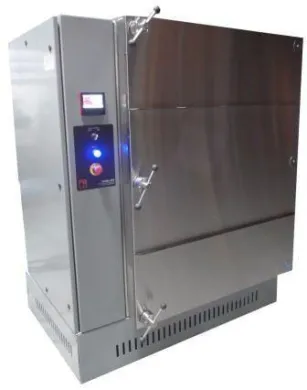
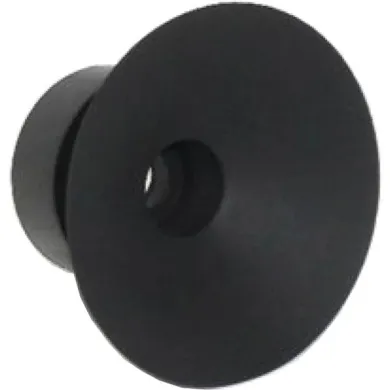
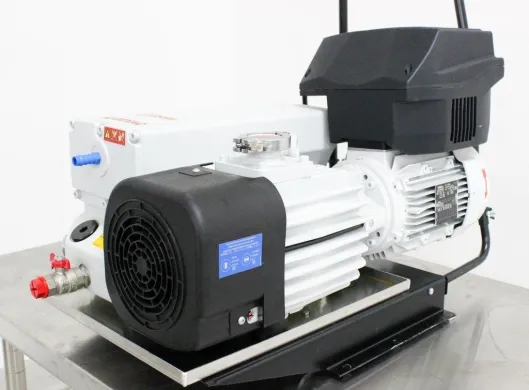
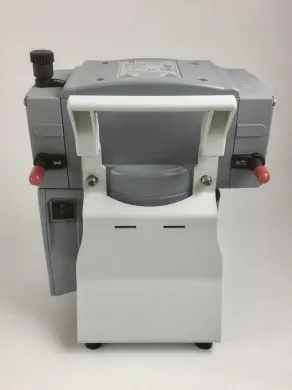
Not the exact instrument you need?
Tell our scientists what you are after. We track it down, including off-market supply.
Showing 1–40 of 136 listings
Show 40 more listingsBuying guide
On a vacuum line the seal decides everything, so the first thing to settle is the ultimate pressure the system has to reach and the flange standard that connects to it. A valve rated for rough vacuum behaves differently from one expected to hold a fine or high vacuum, and the elastomer or metal of its seal sets that limit as much as the body does. Before anything else, confirm the connection type, whether a KF, ISO, or CF flange, because a valve that will not mate to the existing manifold is the wrong part regardless of its specification. Read the flange size and the nominal bore together: bore sets conductance, and an undersized valve throttles a pump that is otherwise capable.
A used valve or accessory carries history that a datasheet does not show, and this is where the catalogue's condition mix matters most. Elastomer seals harden and take a set over years of thermal cycling, so a used bellows valve or a manifold with O-ring ports warrants a leak check before it goes into service. On an exhaust filter cartridge, verify that the element has not been saturated by oil mist from a previous pump; on a pump accessory, confirm the fitting threads are intact. The listing itself is the place to settle this, and where a buyer wants reassurance a warranty is possible, arranged in consultation for that specific listing.
Price follows condition and completeness. Across the catalogue listings run from EUR 1 to EUR 23.324, with an average near EUR 1.182. That spread is wide because it covers bare fittings at one end and complete pump assemblies at the other. For a buyer working to a budget, the used end is where most of the stock sits, and used units are listed at lower prices than new. The brands that occupy the range are Leybold, Edwards, Various, Qiagen, J Young: Leybold and Edwards anchor the pump-side components, while the lighter fittings and filtration parts fill out the lower price bands. Knowing which maker a line was built around narrows the cost of a unit for sale to something predictable, and makes two listings genuinely comparable rather than merely similar in name.
Types of Vacuum valves
Which component types appear in the vacuum valves listings?
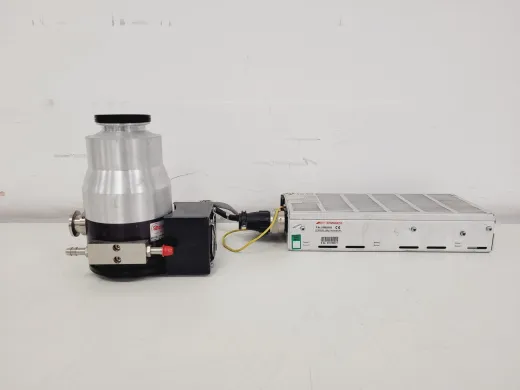
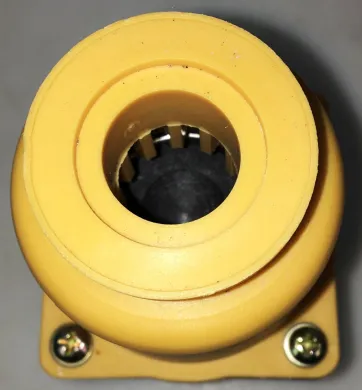
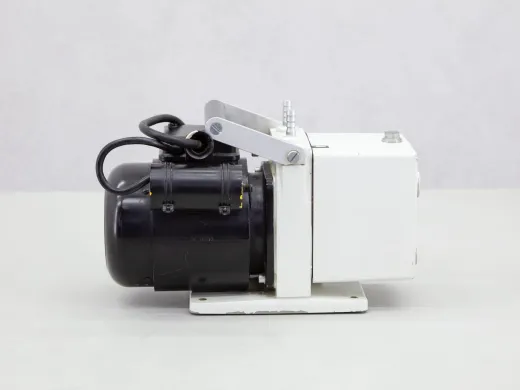
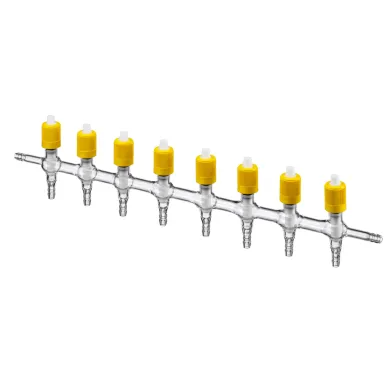
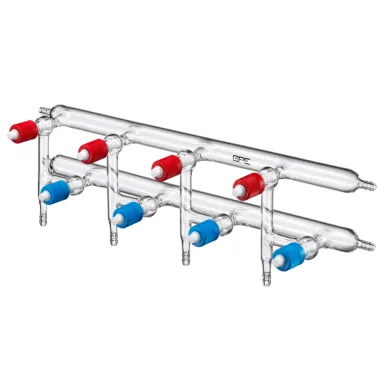
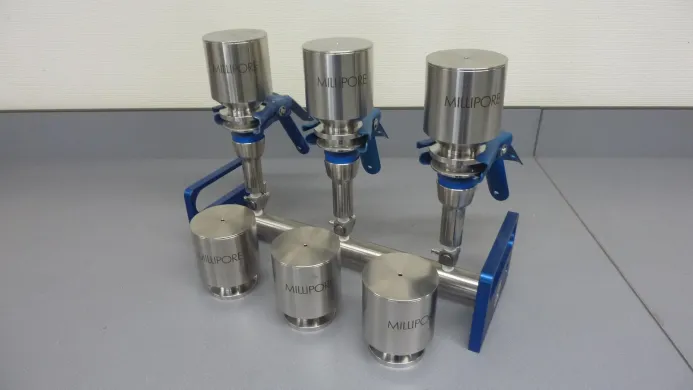
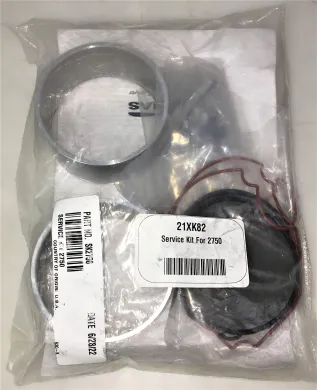
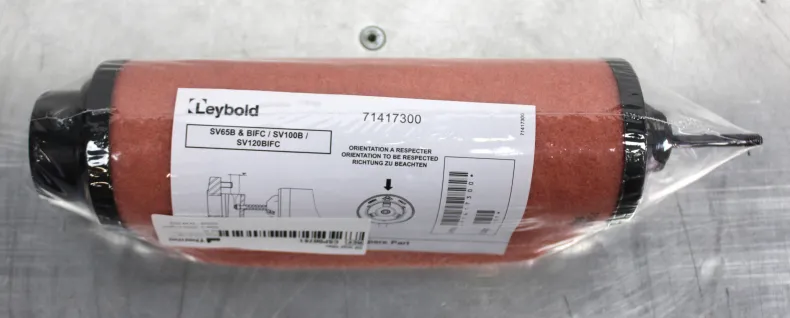
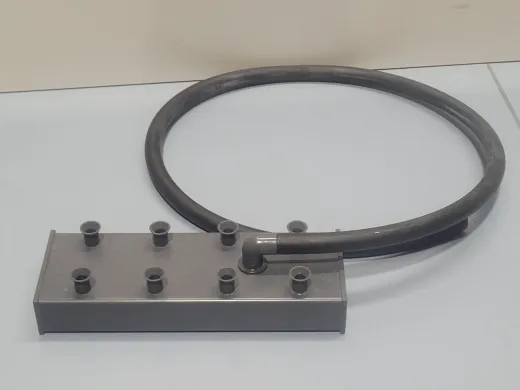
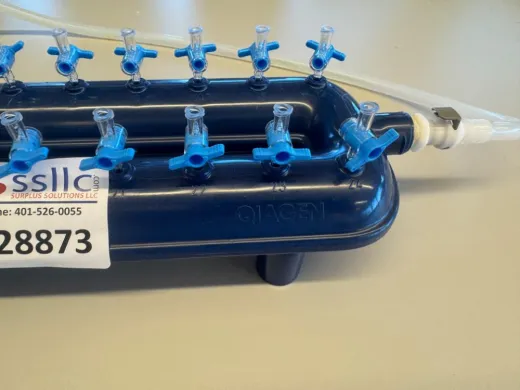
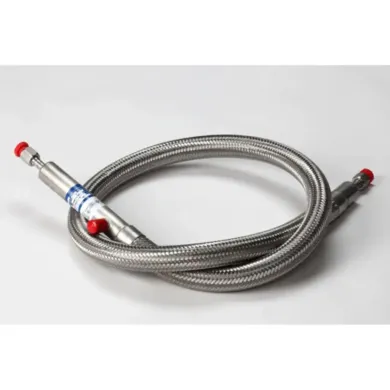
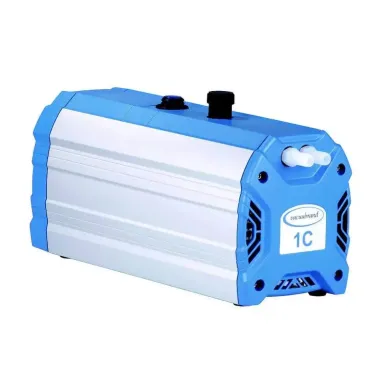
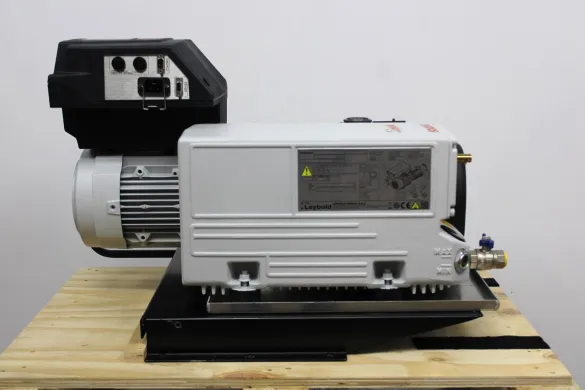
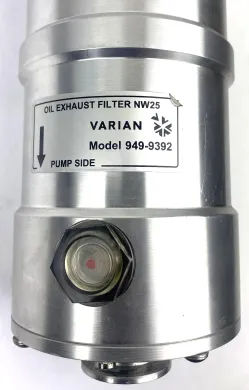
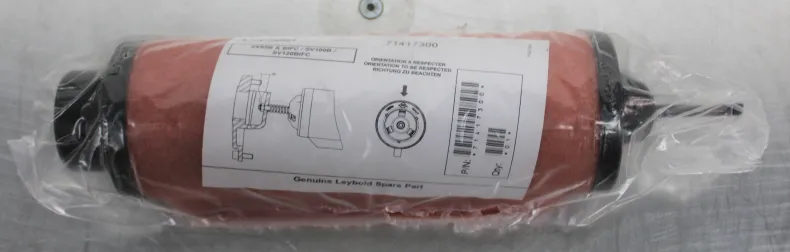
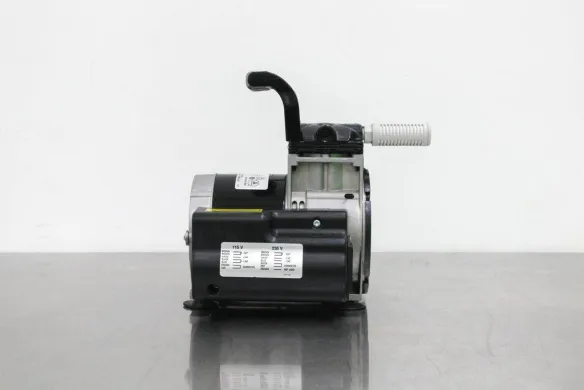
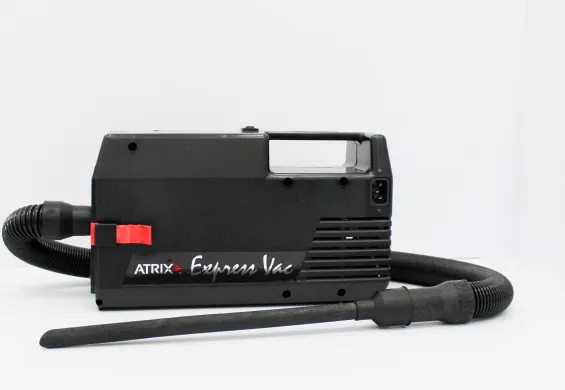
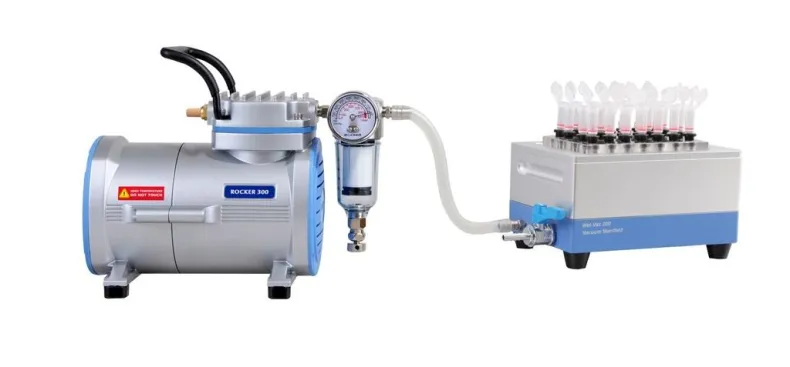
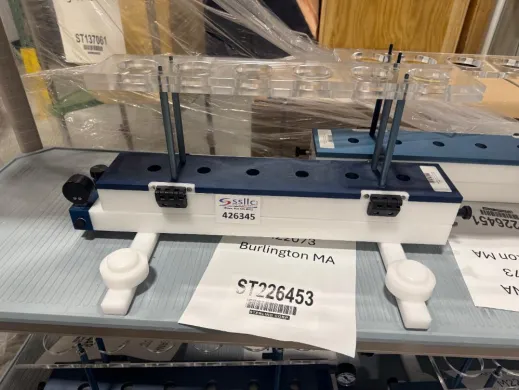
Among the listings that specify a type, vacuum pump accessory, laboratory vacuum pump, exhaust filter cartridge, industrial vacuum pump, vacuum manifold, gas filtration component are the forms that recur. The split is less between kinds of valve than between the parts of a vacuum line, and each does separate work. A vacuum pump accessory covers the fittings, adapters, and bellows that connect a pump to the rest of a rig; buyers reach for these when replacing a worn connection rather than the pump itself. A laboratory vacuum pump is the bench instrument that creates the pressure, sized for filtration, rotary evaporation, and degassing, and in life sciences work it supports vacuum filtration in microbiology and the solvent removal steps of protein purification. An exhaust filter cartridge traps oil mist on the outlet of an oil-sealed pump, and an industrial vacuum pump is its heavier counterpart, built for continuous duty. A vacuum manifold distributes a single line to several ports at once, the form used for parallel sample preparation and for Schlenk-line work in synthetic chemistry. A gas filtration component cleans the stream itself, and such parts are also used for molecular diagnostics and cell culture rigs where a clean vacuum path matters.
The brands behind the vacuum valve listings
The names that dominate are Leybold, Edwards, Various, Qiagen, J Young. Leybold and Edwards are the two that carry weight here, both long-established vacuum makers, which for a buyer means parts are findable and a model number resolves to a known specification rather than guesswork. Qiagen appears on the laboratory side, where vacuum manifolds feed spin-column and plate-based nucleic acid work in genomics and molecular biology. J Young is associated with the glass and high-vacuum fittings a Schlenk line needs. The practical upshot is comparability: when a line comes from a maker with a published catalogue, two used units can be matched on bore, flange, and rating instead of on appearance. Where a part is sought, it can be sourced via Questpair.
What a used vacuum valve costs here
Condition drives the range. 78 percent of the listings are used, and prices run from EUR 1 to EUR 23.324. That spread covers single fittings at the low end and complete industrial pump assemblies at the high end, which is why the average near EUR 1.182 sits closer to the bottom than the middle. Used and refurbished units are listed below new, making the lower bands the practical place to start for most benches.
Frequently asked questions
What is a vacuum valve?
A vacuum valve is a flow-control component that isolates, seals or regulates the gas path in a vacuum system, holding a pressure boundary between a pump, a chamber and the line connecting them. It lets an operator cut off or open a section of the system without venting the whole line.
What does a vacuum valve mean in a system?
It means the point where the gas path can be opened, closed or throttled while the rest of the system stays under vacuum. In practice the term also covers the seals, stopcocks and connectors that maintain the pressure boundary at that junction.
How do vacuum valves work?
A sealing element, usually an O-ring or a bellows against a seat, closes the bore so gas cannot pass, and opening it restores the flow path. The seal has to hold against the pressure difference between the evacuated side and atmosphere or an adjacent chamber.
What types of vacuum valves and related components are there?
The listings on Questpair cover vacuum pump accessories such as valves, seals and trap fittings, laboratory vacuum pumps, exhaust filter cartridges, industrial vacuum pumps, vacuum manifolds and gas filtration components. The broadest group by listing count is the vacuum pump accessory.
What are vacuum valves used for?
They isolate or regulate the gas path so a pump can be stopped, a chamber vented, or a manifold port switched without disturbing the rest of the system. In life sciences they sit in solid-phase extraction, vacuum filtration, degassing and solvent removal setups at the bench.
How do I choose a vacuum valve or related component?
Match the component to the system it joins first: a seal or cartridge has to fit the specific pump body, and a manifold valve has to match the manifold port and bore. Only after the fit is confirmed does price between listings become a useful comparison.
What is the difference between refurbished and used here?
A used unit is sold in its current working condition, while a refurbished one has been reconditioned before listing, which for a pump usually means fresh seals or a tip-seal kit. The listing describes what was done, so check the individual entry rather than the label alone.
How much do vacuum valves cost?
Prices across the category range from EUR 1 to EUR 23.324, with an average around EUR 1.182. The low end covers single seals, O-rings and small fittings, while the top reflects a complete industrial pump set.
Which brands show up in this category?
The recurring names are Leybold, Edwards, Various, Qiagen and J Young. Leybold and Edwards are vacuum-pump makers, Qiagen and J Young appear through manifold and glassware lines, and Various groups the brandless fittings specified by thread and bore.
Is a warranty available on a refurbished vacuum valve?
A warranty is often possible and is arranged in consultation for the specific listing. Because terms are set per listing rather than centrally, check the entry you are considering.
Can I get parts for a vacuum pump or valve?
Parts can be sourced via Questpair. For Leybold and Edwards pumps the seal kits, tip seals and exhaust cartridges are widely cross-referenced, so a used pump can usually be brought back to spec without a discontinued part.
How long does a vacuum valve or pump last?
Lifespan depends on the duty and the medium rather than a fixed figure: a valve seal wears with cycling and exposure to solvents, and a pump's life ties to how often its seals and oil are maintained. Consumables such as exhaust cartridges and O-rings are replaced on a schedule rather than run to failure.
New versus refurbished, which should I buy?
Used and refurbished units are listed at lower prices than new ones at the same point in the range, which keeps the budget workable when a backing pump or a full manifold is the purchase. Where you have to weigh the two, compare the individual listings and note that any warranty is arranged in consultation.
Where can I buy vacuum valves?
They are listed on Questpair from verified suppliers and distributors, with 236 items available from 16 suppliers across 7 countries. The catalogue groups pumps, accessories, cartridges, manifolds and filtration components together.
What are the lead time and shipping like?
Lead time and shipping depend on the individual supplier and the item's location, so they are stated per listing rather than as a single figure. For a specific timeline, use the listing you are considering.
What maintenance and calibration do these need?
Routine care centers on replacing seals, O-rings and exhaust cartridges, and on changing pump oil where applicable, rather than on calibration in the instrument sense. A valve that leaks past its seat usually needs a new sealing element matched to the body.
Which component types are listed most and who reaches for which?
The vacuum pump accessory is the broadest group, covering valves, seals and connectors for an existing system, followed by laboratory and industrial vacuum pumps. A genomics or proteomics lab typically reaches for a manifold and a laboratory pump for filtration and sample prep, while a process line pulls the larger industrial pumps.
Which brands dominate the category and what does that mean for a buyer?
Leybold and Edwards recur as the pump makers, which matters because their seal kits and cartridges are widely stocked and cross-referenced, so a used unit can be serviced to spec. Qiagen and J Young parts are proprietary to their manifold and glassware lines, so a replacement has to match the original rather than a generic fitting.
What separates the cheapest listings from the most expensive?
The low end is single parts: seals, O-rings and small fittings sold individually. The top end is complete industrial pump sets, so the spread reflects a difference in what the item actually is rather than a difference in grade.