Price on request
In stock
Can't find what you're looking for?
Electroporator with 5-3000V DC, 1 MHz AC, square-wave and exponential decay pulses for cell fusion and molecular diagnostics.
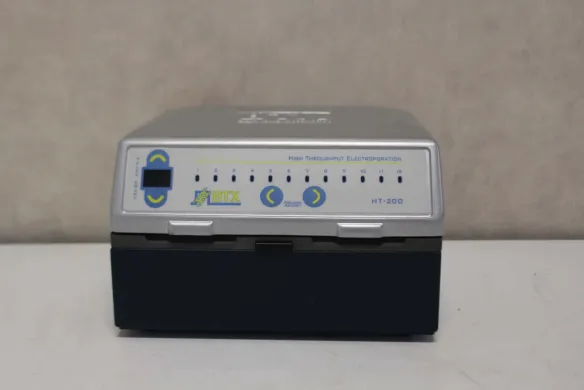
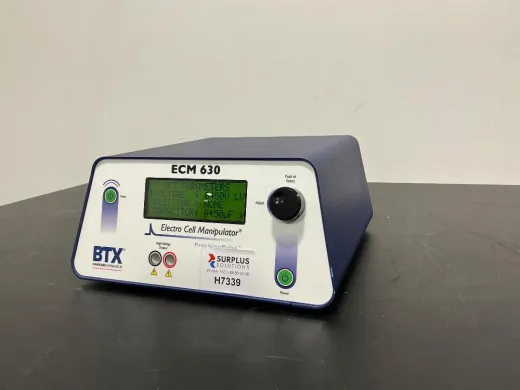
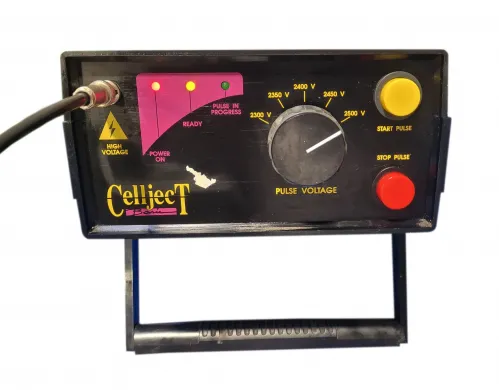
The BTX ECM 2001 Electroporator is a versatile laboratory device designed for precise cell electroporation and electrofusion applications widely used in molecular biology, biotechnology, and biomedical engineering. It features an integrated square-wave pulse generator and multifunctional electrofusion capabilities, delivering both AC (1 MHz) and DC waveforms optimized for embryo and cell fusion workflows.
Key technical specifications include:
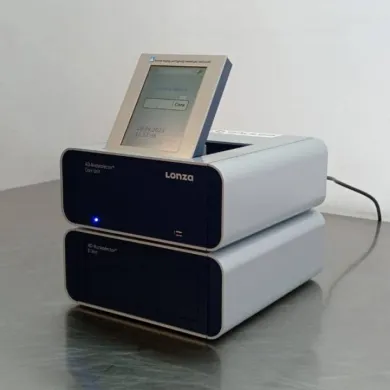
Included accessories comprise the BTX Safety Stand supporting simultaneous electroporation of two cuvettes with both exponential decay and square wave pulses. This configuration is essential for high-throughput molecular cloning workflows, synthetic biology experiments, and bioprocessing research requiring efficient gene transfer and hybrid cell generation.
This electroporator is widely adopted in molecular diagnostics, gene editing, and biopharmaceutical production pipelines, providing reliable, precise control over electrical parameters critical for successful transformation and fusion in biotechnology and clinical research laboratories.
The BTX ECM 2001 combines high-voltage pulsing precision with robust electrofusion functionality, making it a key instrument in cell manipulation protocols supporting advanced synthetic biology, live-cell imaging preparations, and bioengineering applications. All units undergo thorough testing and include a 30-day warranty for research professionals demanding dependable performance in cell and embryo electroporation.
Lab equipment markets are fragmented. Buyers spend weeks calling distributors, comparing quotes, and verifying supplier reliability. Sellers struggle to reach global research labs.
We built Questpair to fix this. Every supplier on the platform is verified before listing. Every quote you receive comes from a real, vetted seller. AI prepares your case in minutes, then a real specialist takes over.
We're an independent team based in The Netherlands, working with research labs and procurement teams across Europe and worldwide.
With a service contract, ten to fifteen years is normal for most benchtop instruments. Detectors and pumps are the parts that wear first.
Often, yes. Verified suppliers frequently work with service partners converting the instrument. If applicable, we can list servicing options alongside the offer.
Ask a scientist through the request button. Parts are often available even when the instrument itself is discontinued.
Two to six weeks, depending on refurbishment scope and whether calibration is included.
We ship to 38 countries. Crating and customs handling are quoted with the instrument.
Tell us what you need and a scientist finds it for you, usually within the hour.
Last updated 22 October 2026
The middle half of the 34 with a price runs from €1,101 to €4,391.