
VWR equipment
We personally find you the right new, used & refurbished VWR instruments & equipment from verified suppliers
VWR is an American distributor of laboratory products, consumables, chemicals, and equipment, founded in 1852 by John Taylor as the John Taylor Company to sell mining and laboratory supplies. The company is headquartered in Radnor, Pennsylvania, and has operated as part of Avantor since its acquisition in 2017 for approximately $6.5 billion. Its catalogue spans laboratory consumables, chemicals and reagents, instrumentation, glassware and plasticware, laboratory furniture, protective apparel, and life science products. On Questpair, 1987 VWR items are available from verified suppliers and distributors across 7 countries.
Updated:
VWR product list
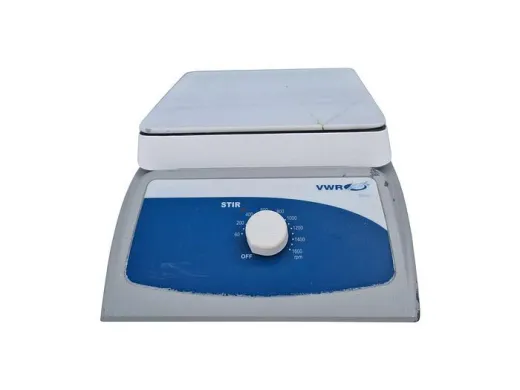
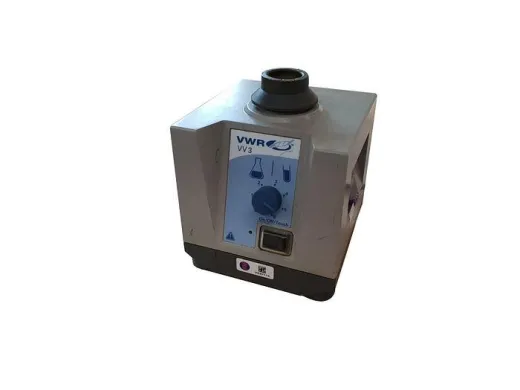
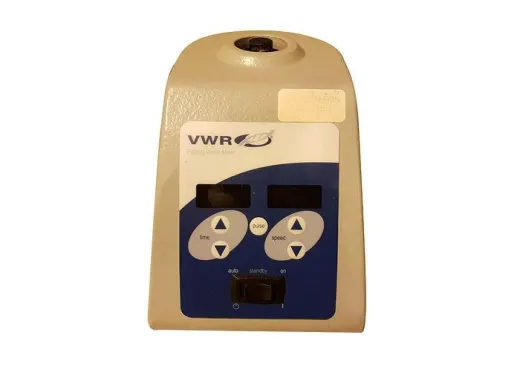
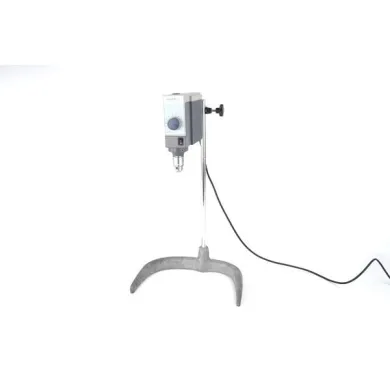


Not the exact instrument you need?
Tell our scientists what you are after. We track it down, including off-market supply.
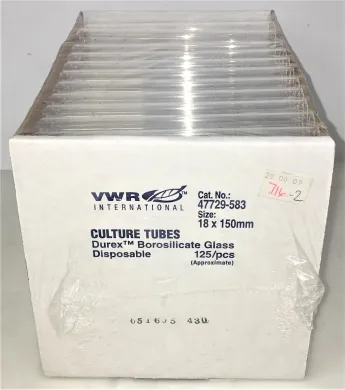
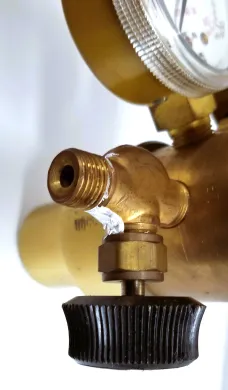
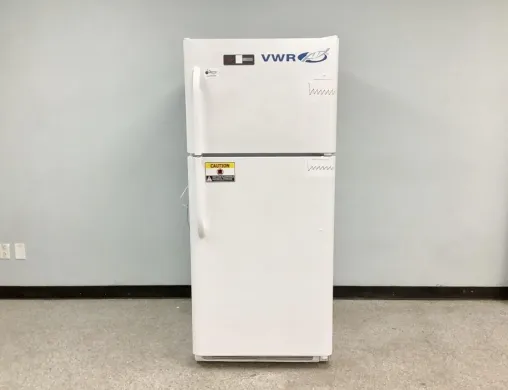
Not the exact instrument you need?
Tell our scientists what you are after. We track it down, including off-market supply.
Showing 1–40 of 529 listings
Show 40 more listingsAbout VWR
VWR is an American distributor of laboratory products, consumables, chemicals, and equipment, founded in 1852 by John Taylor as the John Taylor Company to sell mining and laboratory products. The company is headquartered in Radnor, Pennsylvania, in the United States. Since 2017 it has operated as part of Avantor, which acquired it for approximately $6.5 billion. Rather than manufacturing a single instrument line, VWR supplies across a wide catalogue that includes laboratory consumables, chemicals and reagents, equipment and instrumentation, glassware and plasticware, laboratory furniture, protective apparel, life science products, cold storage, and microbiology supplies. On Questpair, 1987 VWR items are listed by 14 verified suppliers and distributors across 7 countries. The catalogue leans heavily toward used stock.
VWR product categories on the marketplace
Because VWR is a distributor, its listings run across product classes rather than concentrating in one. Laboratory consumables and glassware and plasticware make up a large part of the everyday range: pipette tips, reagent bottles, flasks, and the single-use items a working lab orders in volume. Chemicals and reagents form a second group, supplied for general bench work as well as for specific protocols. The equipment and instrumentation listings cover benchtop devices, cold storage units, and the harder goods a lab keeps for years rather than replaces each quarter.
Several of these classes carry into biotechnology and life sciences work. VWR's life science products and microbiology supplies support cell culture, molecular biology, and microbiology, where consumables such as culture plates, serological pipettes, and reagent kits are consumed continuously. Cold storage equipment holds samples and reagents for genomics and proteomics workflows, where sample integrity over time is the point of the hardware. Reagents and consumables feed into electrophoresis, immunoassay, and protein purification, the routine preparative and analytical steps that sit under most molecular diagnostics and synthetic biology projects. VWR glassware and plasticware are also used for sample preparation and general bench chemistry across these fields. Because the brand spans the whole consumable chain rather than a single assay, a lab outfitting for cell imaging or for a bioprocessing line can source much of its disposable and reagent stock under one supplier.
The breadth is the defining feature here, and it is also the reason a buyer should read each listing closely. A VWR-branded reagent and a VWR-branded instrument share only the distributor; their specifications, grades, and conditions are entirely separate. The catalogue tells you a product class is present, not that a specific grade or model is.
How VWR listings break down on Questpair
Across the VWR catalogue on Questpair, prices run from EUR 6 to EUR 11.622. The average listing price is EUR 498. That spread is wide because the listings cover everything from low-cost consumables to larger instruments, so the figures describe a range of product types rather than variants of one device.
99 percent of the listings are used. Used and refurbished items are listed below new prices, and that price difference is the clearest thing to say when weighing a used item against a new one. Warranty is not set centrally; it is often possible and is arranged in consultation for the specific listing, so condition and terms are best judged from the individual listing rather than from a brand-wide rule.
For documentation, a buyer can contact Questpair and specialists respond within one hour. Parts can be sourced via Questpair. With 14 verified suppliers and distributors offering VWR stock across 7 countries, the practical approach is to search the catalogue by the product class you need, confirm the grade or model on the listing, and treat each listing as the record for its own condition and specification.
Questpair review of VWR
Our take based on listings data and supplier feedback
VWR operates as a distributor rather than a single-line manufacturer, and that shapes how its catalogue reads on the marketplace. Where a focused maker lists one instrument family, VWR branding appears across consumables, chemicals, glassware, plasticware, laboratory furniture, and instrumentation. The practical consequence is breadth: a lab that buys VWR-branded pipette tips, reagent bottles, benchtop equipment, and protective apparel is dealing with one supplier catalogue rather than coordinating several. That consolidation is the first of the three benefits, and it is the one most specific to a distributor of this size.
The listed inventory bears this out. 1987 VWR items sit on Questpair, offered by 14 verified suppliers and distributors across 7 countries. The spread of product classes within that count is wider than a single-category brand produces, which is what makes the catalogue useful to a lab buying across several lines at once. A buyer does not have to decide in advance whether they are shopping for glassware or for a centrifuge; both appear under the same brand. The depth within any one class varies, so a buyer should read the individual listing to confirm that a specific model or consumable grade is present, rather than assuming the full VWR range is represented.
Condition and price form the third benefit. 99 percent of the listings are used. Used stock is priced below new, and across the VWR catalogue prices run from EUR 6 to EUR 11.622. That span reflects the breadth of the product classes rather than a single instrument, since a box of consumables and a floor-standing instrument sit at opposite ends of the same catalogue. The average listing price is EUR 498. For a lab weighing a used VWR item against a new one, the difference the marketplace supports stating is price: used and refurbished units are listed lower than new. Warranty is not set centrally and is arranged in consultation for the specific listing, so a buyer comparing conditions should look at the individual listing terms rather than assume a uniform policy.
What the catalogue does not tell you is as worth noting as what it does. The listings distinguish new from used and nothing finer, so there is no refurbished share to report and no servicing arrangement to describe. A buyer who needs a particular chemical grade, a specific glassware specification, or a documented instrument condition should treat the listing as the source of record. Parts can be sourced via Questpair, and manuals or documentation can be requested, with specialists responding within one hour. For a distributor brand whose strength is coverage rather than a single flagship, the marketplace works best when a buyer approaches it as a broad stock to search rather than a narrow line to compare.
**Single source across many categories**
VWR distributes consumables, chemicals, glassware, and instrumentation under one supplier, so a lab stocking across those categories can consolidate purchasing rather than source each class separately.
**Broad listed inventory on Questpair**
1987 VWR items are listed by 14 verified suppliers and distributors across 7 countries, covering a wide span of laboratory product classes.
**Priced below new**
99 percent of the listings are used, and used stock is priced below new equipment, which widens the range of consumables and instruments a lab can reach at a given budget.
Frequently asked questions
Where do I find manuals or documentation for a VWR product?
Contact Questpair for documentation and specialists respond within one hour. Because VWR listings span consumables, reagents, and instruments, specify the exact product class and model or grade on the listing when you ask.
How much does VWR equipment cost on Questpair?
Listings range from EUR 6 to EUR 11.622, with an average of EUR 498. The spread is wide because the catalogue covers low-cost consumables alongside larger instruments, so the figures describe different product types rather than variants of one device.
What's the difference between refurbished and used VWR items?
Both are listed below new prices, and that price difference is the clearest distinction to work with. Condition details vary by listing, so read the individual listing for the specific state of the item rather than relying on a single label.
Do VWR items come with a warranty?
Warranty is not set centrally. It is often possible and is arranged in consultation for the specific listing, so check the terms on the listing you are considering.
Is VWR equipment suitable for clinical or research use?
VWR supplies life science products, microbiology supplies, cold storage, reagents, and instrumentation that feed cell culture, molecular biology, electrophoresis, immunoassay, and protein purification. Grades and specifications differ from product to product, so confirm the grade or model on the listing against your protocol requirements.
How long does VWR laboratory equipment last?
Instrumentation and cold storage units are the harder goods a lab keeps for years rather than replaces each quarter, while consumables and reagents are single-use or short-life by nature. Expected service life for a used instrument depends on its condition, which is described on the individual listing.
Can I get parts for VWR equipment?
Parts can be sourced via Questpair. Give the product class and the model or grade shown on the listing so the correct component can be matched.
What are the alternatives to VWR?
Because VWR is a distributor rather than a single-line maker, the relevant alternative depends on the product class you need: another distributor of consumables and reagents, or the original equipment makers behind specific instruments like centrifuges and incubators. Search the Questpair catalogue by product class to compare what is listed for each.
How long is the lead time for a VWR order?
Lead time is set by the individual supplier and the item's location, since VWR stock on Questpair comes from 14 verified suppliers and distributors across 7 countries. Check the listing or contact Questpair to confirm availability for a specific item.
What's the difference between parts and spares for VWR equipment?
In practice the two terms refer to the same thing: replacement components for an instrument. Both can be sourced via Questpair when you provide the model or grade from the listing.
Can VWR items be shipped internationally?
Stock is listed by verified suppliers and distributors across 7 countries, so cross-border shipping depends on the supplier of the item you choose. Confirm shipping options on the listing or ask Questpair before ordering.
Which product lines does VWR have and how do they differ?
VWR distributes across classes rather than one line: laboratory consumables and glassware and plasticware for everyday volume orders, chemicals and reagents for bench work and specific protocols, and equipment and instrumentation such as benchtop devices and cold storage. They share only the distributor, so a VWR reagent and a VWR instrument have entirely separate specifications, grades, and conditions.
Which VWR instruments are actually listed here and in what condition?
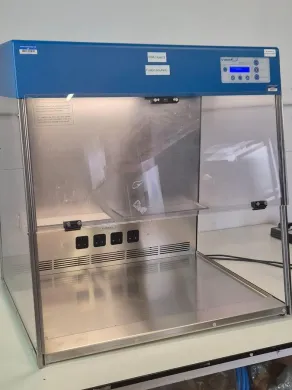
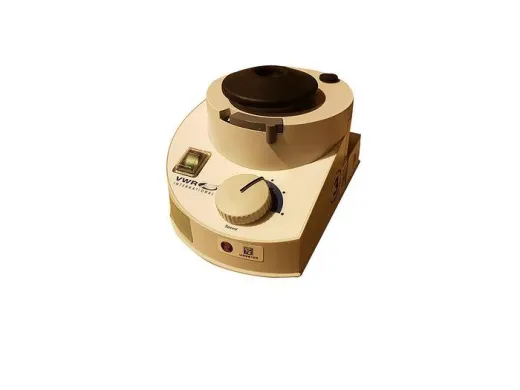
The instrument listings include benchtop centrifuges, laboratory incubators, microcentrifuges, laboratory mixers, mini centrifuges, and laboratory centrifuges. The catalogue leans heavily toward used stock, with 99 percent of listings used, and each listing records its own condition.
What separates the cheapest VWR listings from the most expensive?
The low end is single-use consumables, glassware, and reagents ordered in volume, while the high end is instrumentation and cold storage that a lab keeps for years. Condition also plays a part, since used and refurbished units are listed below new prices for the same type of item.
About Questpair
Questpair is the European marketplace for lab equipment, where AI-prepared cases and personal specialists guide every purchase. We work with 247 verified suppliers across 38 countries to find buyers the right new, used or refurbished instruments, with response within 1 hour and significant savings vs buying new.
Personal · Fast · Reliable · Affordable