

Printers
We personally find you the right used, refurbished and new printers instruments & equipment from verified suppliers.
Printers in the laboratory are output devices that commit a result to a physical label or document, from a weighed sample to a barcoded specimen. The term covers a narrow working set here, barcode and label printers that mark sample tubes, plates and racks, alongside the thermal and thermal transfer mechanisms that produce them. Across the Questpair catalogue 619 printers are listed from 13 verified suppliers and distributors, offered as new, used and refurbished units. 97 percent of the listings are used. Prices run from EUR 17 to EUR 50.000, a range that separates a single desktop label unit from an industrial print and apply system.
Updated:
Printers product list


Not the exact instrument you need?
Tell our scientists what you are after. We track it down, including off-market supply.
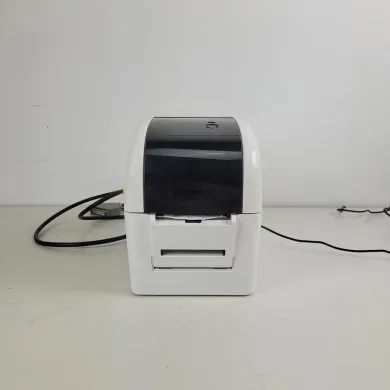
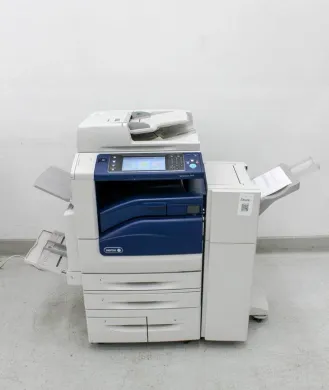
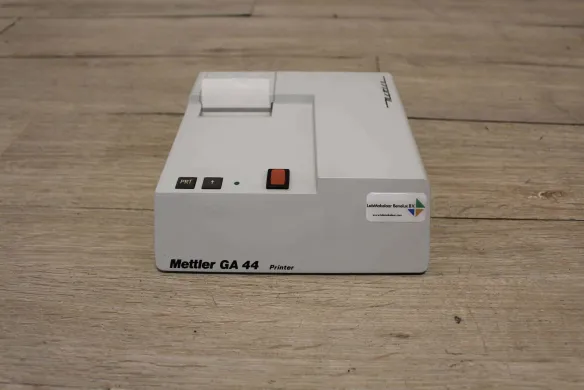
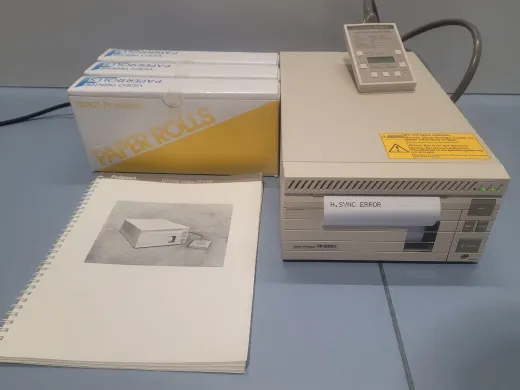
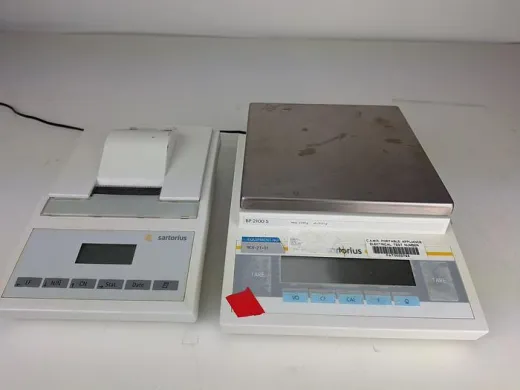
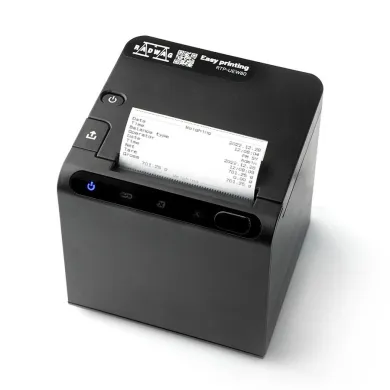
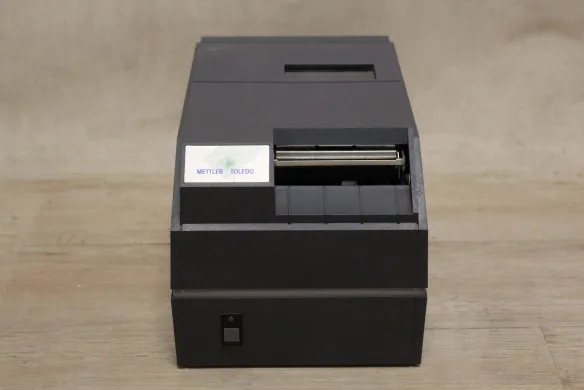
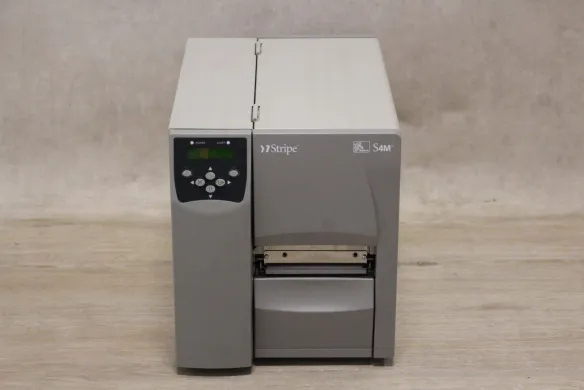
Not the exact instrument you need?
Tell our scientists what you are after. We track it down, including off-market supply.
Showing 1–40 of 214 listings
Show 40 more listingsBuying guide
What settles a laboratory printer purchase is the label itself, not the printer. The medium a specimen has to survive decides everything downstream: a tube bound for a minus eighty freezer, an autoclave, a solvent bath or a xylene stage needs a printed mark that holds under those conditions, and that in turn fixes the print method. Thermal transfer, which melts a ribbon onto the label, holds up where direct thermal, which darkens a heat sensitive stock, fades or blackens under heat, abrasion and chemical exposure. Decide the label and the conditions it meets, and the choice between those two methods, the resolution in dots per inch the barcode symbology demands, and the label width the printer must accept all follow from it.
On a used unit the printhead is the component that wears, and it is the one worth verifying before a purchase. A thermal printhead degrades with every label it burns, and a worn one drops out individual elements, which breaks a barcode without being obvious to the eye. Ask after the printhead's mileage or its condition, check that the platen roller is not flattened or cracked, and confirm the ribbon and media path are complete, since consumable spindles and sensors go missing between owners. These are the checks that matter more than cosmetic condition, because a printhead is a replaceable but not trivial cost.
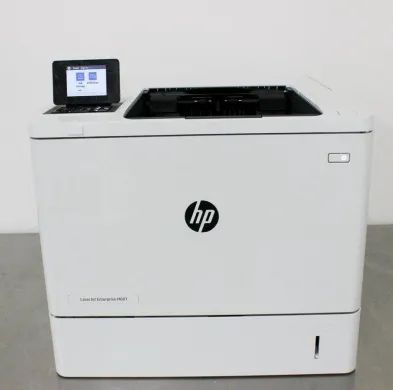
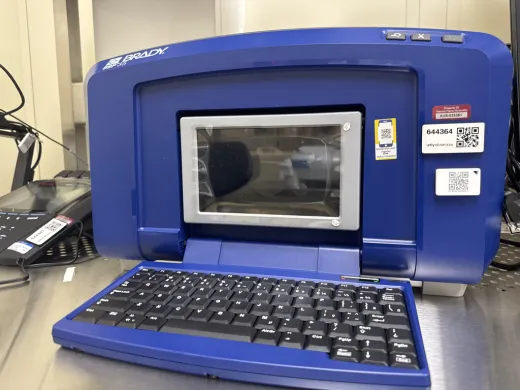
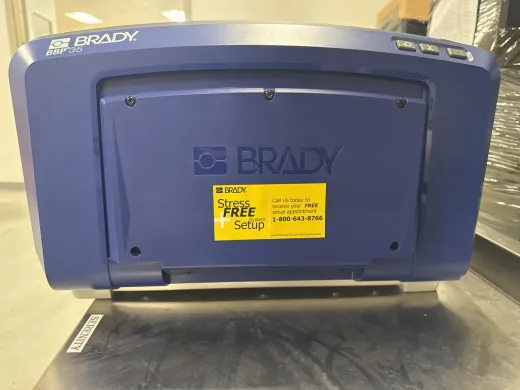
The price band is wide for a reason. A desktop label printer can cost under a hundred, while an industrial print and apply system or a high throughput tabletop model reaches into the thousands, and the full catalogue spread runs from EUR 17 to EUR 50.000. That spread tracks duty cycle and construction rather than print quality alone. The brands that occupy the listings are Zebra, Mettler Toledo, Zebra Technologies Corporation, HP, Brady, and where a model is widely sold its running costs are easier to work out and its spare parts easier to source. A buyer on a tight budget will find that used and refurbished units are listed well below new, which is where the affordable end of this market sits; a unit for sale at the lower end of the range is almost always a desktop label printer rather than an industrial one. Match the duty cycle to the volume of labels a bench actually produces, because an underspecified printer becomes the slow step in a sample workflow.
Types of Printers
Which printer types are listed here?
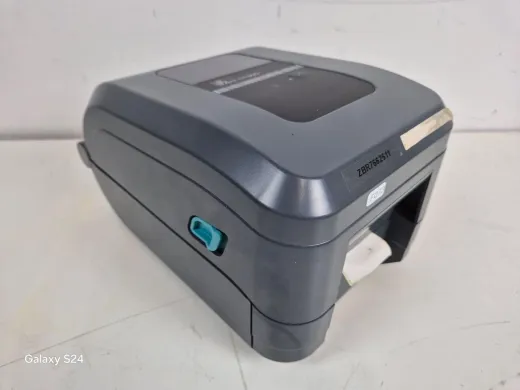
Among the listings that specify a type, the catalogue is dominated by marking and identification devices rather than document printers. Barcode printers and label printers are the two broadest groups, and they overlap: most barcode printers are label printers configured to encode a symbology. Beneath them sit the mechanism distinctions. A thermal printer uses a heated head against heat sensitive stock and needs no ribbon, which makes it cheap to run but limits label life. A thermal transfer printer adds a ribbon and prints onto plain or synthetic stock, giving a durable mark that survives freezers and solvents. An industrial label printer is built for continuous duty and higher volumes, with a metal chassis and a larger media capacity. A laboratory printer, as the listings use the term, is a unit specified or certified for bench use, often compact and tuned for small tube and vial labels.
These devices do real work in molecular biology and life sciences, where a mislabelled sample is a lost experiment. Thermal transfer printers produce the cryogenic tube labels that hold through a freeze and thaw cycle in cell culture and biobanking, and the barcodes they generate feed the sample tracking behind genomics and proteomics workflows. Specimen and slide labelling in histology and microbiology is another standing application, and in molecular diagnostics the printed barcode is what links a tube to its result through a laboratory information system. A barcode label printer for freezer vials and a thermal transfer printer for cryogenic tube labels are the two configurations a life sciences buyer reaches for most. These units are also used for plate and rack identification across high throughput screening benches.
The brands behind the printer listings
The listings cluster around Zebra, Mettler Toledo, Zebra Technologies Corporation, HP, Brady. The practical effect of that concentration is that a buyer can compare like for like: where one maker's industrial and desktop lines are both represented, resolution, media width and duty cycle line up on a datasheet rather than guesswork. Widely sold models also mean printheads, platen rollers and ribbons are easier to source, and running costs are easier to estimate before purchase. A less common make can still be the right unit, but its consumables and spare parts take more work to confirm.
What a used printer costs here
The condition mix is heavily weighted toward pre-owned stock: 97 percent of the listings are used. Prices range from EUR 17 to EUR 50.000, with an average around EUR 606. That spread covers the full distance between a compact desktop label unit and an industrial print and apply system, and the average sits far below the ceiling because the volume of listings is at the desktop and benchtop end. Used and refurbished units are listed below new across every type, which is where most of this catalogue's value sits.
Frequently asked questions
What is a printer in a laboratory context?
In the laboratory it is an output device that commits a result to a physical label or document, such as a barcoded specimen tube or a weighed sample record. In this catalogue the term covers a narrow working set: barcode and label printers, along with the thermal and thermal transfer mechanisms that produce them.
What does it mean when a listing says thermal transfer printer?
It means the printer uses a ribbon that is melted onto the label stock, rather than darkening a heat sensitive stock directly. This produces a durable mark that survives freezers, autoclaves and solvents, which is why it is used for cryogenic tube labels.
How do laboratory label printers work?
A thermal printer applies a heated head against heat sensitive stock, forming the mark without any ribbon. A thermal transfer printer adds a ribbon and heats it against plain or synthetic stock, transferring the image for a longer lasting label.
What types of printers are listed here?
The catalogue holds barcode printers, industrial label printers, thermal transfer printers, label printers, laboratory printers and thermal printers. Barcode and label printers are the two broadest groups and they overlap, since most barcode printers are label printers configured to encode a symbology.
What are these printers used for?
They mark sample tubes, plates and racks across molecular biology and life sciences, where a mislabelled sample is a lost experiment. Common applications include cryogenic tube labels for cell culture and biobanking, specimen and slide labelling in histology and microbiology, and barcodes that link a tube to its result in molecular diagnostics.
How do I choose a laboratory printer?
Start with the label and the conditions it must survive, because the medium decides the print method, the resolution the barcode needs and the label width the printer must accept. A tube bound for a minus eighty freezer, an autoclave or a solvent bath needs thermal transfer, while direct thermal suits short lived labels that face no heat or abrasion.
What is the difference between refurbished and used printers?
Used describes a unit sold in its existing condition, while refurbished implies it has been checked and brought back toward working order. On either, the printhead is the component that wears, so ask after its mileage and condition before buying regardless of the label.
How much does a printer cost here?
Prices run from EUR 17 to EUR 50.000, with an average around EUR 606. That spread separates a compact desktop label unit from an industrial print and apply system, and the average sits far below the ceiling because the volume of listings is at the desktop and benchtop end.
Which printer brands are listed?
The listings cluster around Zebra, Mettler Toledo, Zebra Technologies Corporation, HP and Brady. Where one maker's industrial and desktop lines are both present, resolution, media width and duty cycle line up on a datasheet rather than guesswork.
Can I get a warranty on a refurbished printer?
A warranty is often possible and is arranged in consultation for the specific listing. Terms are not set centrally, so check the individual listing you are considering.
Can I source printheads, platen rollers and ribbons?
Parts can be sourced via Questpair. Widely sold models make printheads, platen rollers and ribbons easier to confirm, while a less common make takes more work to verify consumables and spares.
How long does a laboratory printer last?
Lifespan is governed by the printhead, which degrades with every label it burns and eventually drops out individual elements that break a barcode. Matching the duty cycle to the label volume a bench actually produces extends the working life of the unit.
Should I buy new or refurbished?
Used and refurbished units are listed at lower prices than new across every type, which is where most of this catalogue's value sits. Compare the specific listing and arrange any warranty in consultation for that unit.
Where can I buy these printers?
They are listed on Questpair from 13 verified suppliers and distributors, offered as new, used and refurbished. The catalogue holds 619 printers in total.
What is the lead time and shipping on a used printer?
Lead time and shipping depend on the individual seller and listing rather than a central figure. Specialists respond within 1 hour if you contact Questpair about a specific unit.
What maintenance does a thermal printer need?
The printhead and platen roller are the parts that wear, so keeping them clean and checking for flattening, cracking or dropped print elements matters most. Confirm the ribbon and media path are complete, since consumable spindles and sensors can go missing between owners.
Which printer types are listed most and who reaches for each?
Barcode printers and label printers are the broadest groups here, with thermal and thermal transfer mechanisms beneath them. A life sciences buyer typically reaches for a barcode label printer for freezer vials and a thermal transfer printer for cryogenic tube labels, while high throughput benches use these units for plate and rack identification.
What does the brand concentration mean for a buyer?
With listings clustered around Zebra, Mettler Toledo, Zebra Technologies Corporation, HP and Brady, a buyer can compare like for like when a maker's industrial and desktop lines both appear. It also means running costs are easier to estimate and spare parts easier to source for those widely sold models.
What separates the cheapest printers here from the most expensive?
The spread tracks duty cycle and construction rather than print quality alone. A unit at the lower end of the range is almost always a desktop label printer, while the top end is an industrial print and apply system or a high throughput tabletop model built for continuous duty with a metal chassis and larger media capacity.