58k+ listingsShips to NLResponse within one hour+31 73 711 4717info@questpair.com

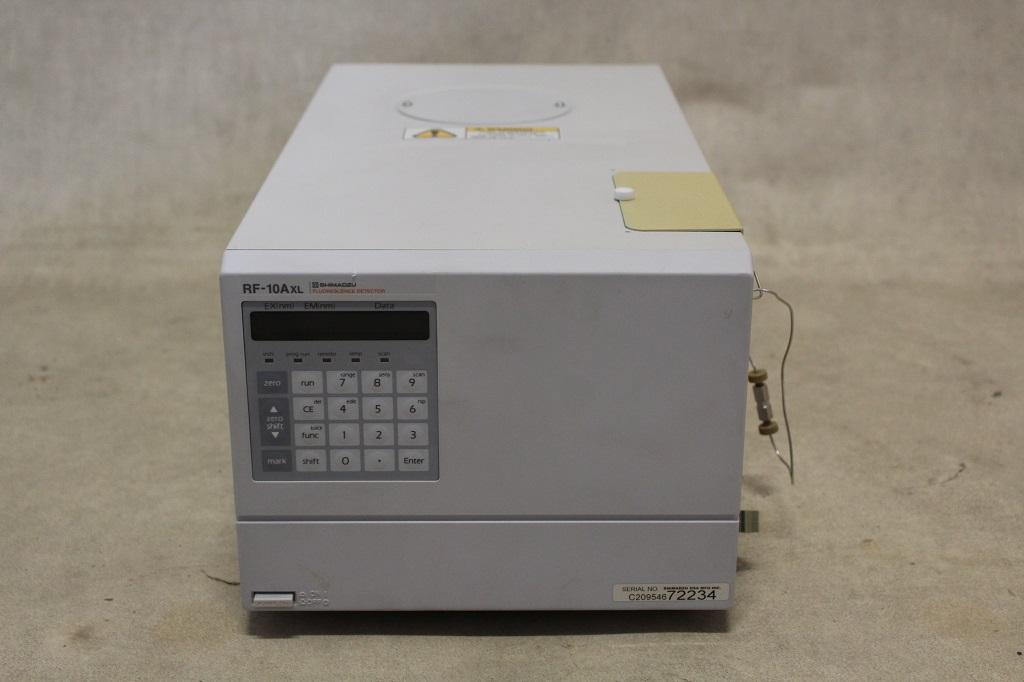
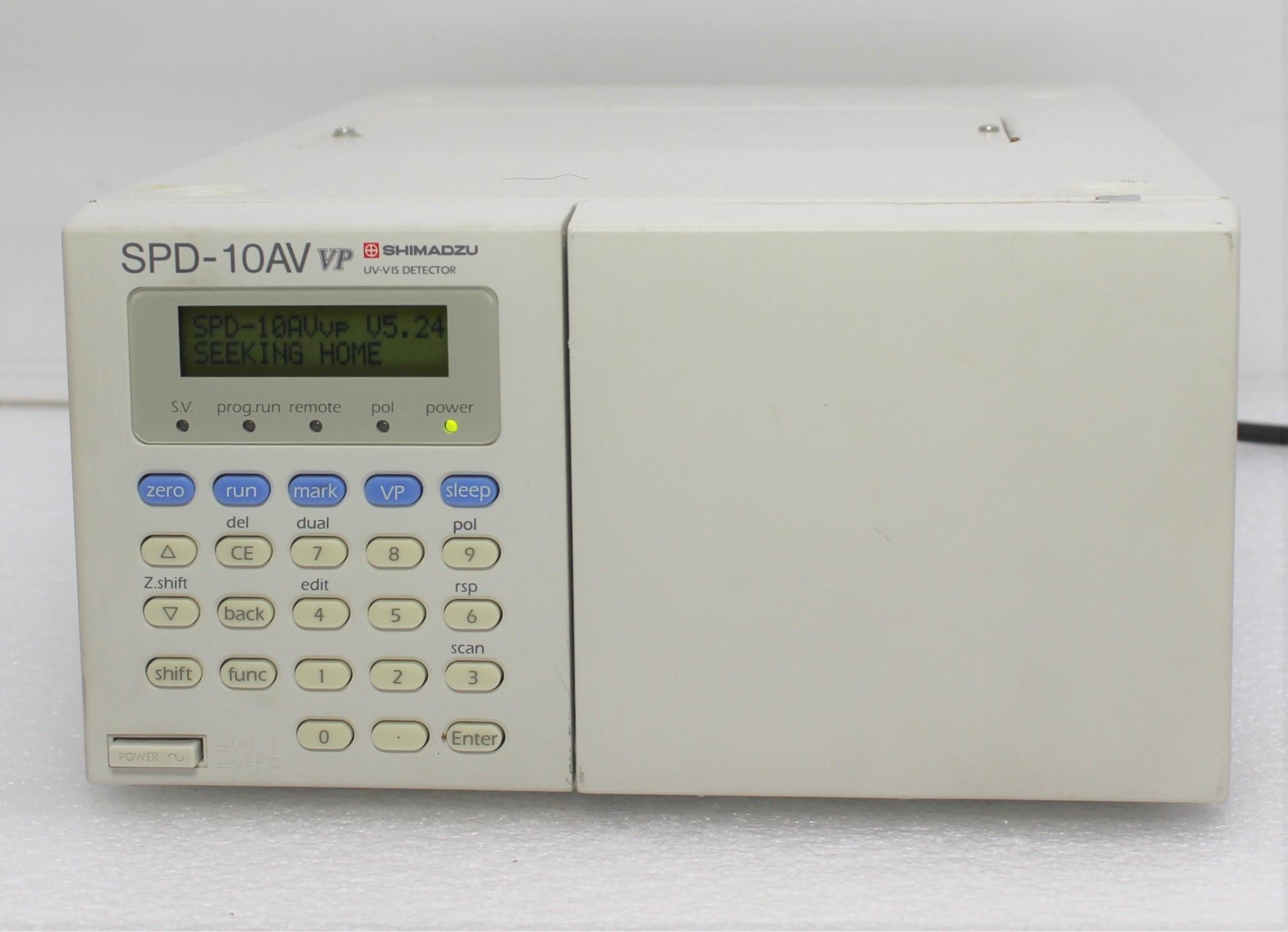
Shimadzu SPD-10A UV-Visible Detector for HPLC Applications

Price on request

In stock

Can't find what you're looking for?

MPN
Does not apply
Condition Description
IN GOOD WORKING ORDER
Wavelength range
190 - 600 nm
Electrical Requirements
120V, 50/60hZ, 130vA
Electrical Certification / Approval
CSA
All 11 specifications
  • Ships to NL
  • Response within 1 hour
  • Warranty available. Buy without worry
  • Support from a scientist

Specifications 11

Brands
Shimadzu
New/Used
Used
MPN
Does not apply
Condition Description
IN GOOD WORKING ORDER
Wavelength range
190 - 600 nm
Electrical Requirements
120V, 50/60hZ, 130vA
Electrical Certification / Approval
CSA
Dimensions
11"W x 17"D x 6"H
Weight (lbs)
39
Country/region of manufacture
Japan
Custom Label
E2A

Product description

UV-visible detector with deuterium lamp, 190-600 nm range, 8 nm bandwidth, and dual wavelength mode.

The Shimadzu SPD-10A UV-Visible Detector features an intuitive single-point control with a menu-driven display for ease of use. It provides high sensitivity and low noise to ensure reliable peak detection across a wide spectral range.

  • Light Source: Deuterium lamp
  • Wavelength Range: 190–600 nm
  • Automatic cut filter inserted for 371–600 nm to remove second-order diffraction
  • Spectral Bandwidth: 8 nm
  • Wavelength Accuracy: ±1 nm
  • Wavelength Reproducibility: ±0.1 nm
  • Cell Path Length: 10 nm
  • Cell Volume: 8 μL
  • Cell Pressure Tolerance: 12 MPa

Dual Wavelength Mode:

  • Measures two arbitrary wavelengths within 190–370 nm or 371–600 nm range
  • Sampling period: 1.2 seconds per wavelength
  • Response selectable in 9 steps (time constants from 0.05 to 10 seconds)
  • Dynamic range: 0.0001 to 2.56 AUFS, adjustable in 0.0001 increments
  • Auto zero and baseline shift functions included

Wavelength Scanning Function:

  • Performs scanning with flow stopped
  • Data stored in three files, including background subtraction
  • Data lost if power is turned off

Time Programming:

  • Available internally or via external system controller
  • Up to 32 programmable steps for parameters including wavelength, auto zero, range, response, marker, scanning, event, polarity, lamp ON/OFF, and loop

Output Specifications:

  • Recorder output: 1 mV, 10 mV; max output approx. 20x full scale
  • Integrator output: 0.5, 1, 2, 4 AU/V selectable in four steps

For more detailed technical data, consult the linked literature.

Why Questpair exists

Lab equipment markets are fragmented. Buyers spend weeks calling distributors, comparing quotes, and verifying supplier reliability. Sellers struggle to reach global research labs.

We built Questpair to fix this. Every supplier on the platform is verified before listing. Every quote you receive comes from a real, vetted seller. AI prepares your case in minutes, then a real specialist takes over.

We're an independent team based in The Netherlands, working with research labs and procurement teams across Europe and worldwide.

Frequently asked questions

How long does laboratory equipment typically last?

With a service contract, ten to fifteen years is normal for most benchtop instruments. Detectors and pumps are the parts that wear first.

Can I get service for older equipment?

Yes. Every verified supplier states which service partners cover the instrument, and we list that alongside the offer.

Where can I buy parts?

Ask a scientist through the request button. Parts are often available even when the instrument itself is discontinued.

What is the typical lead time for refurbished equipment?

Two to six weeks, depending on refurbishment scope and whether calibration is included.

Does laboratory equipment ship internationally?

We ship to 38 countries. Crating and customs handling are quoted with the instrument.

Reply in one hour

Can't find the exact configuration?

Tell us what you need and a scientist finds it for you, usually within the hour.

Last updated 19 October 2026