
Olympus microscopy equipment
We personally find you the right new, used and refurbished olympus microscopy equipment from verified suppliers.
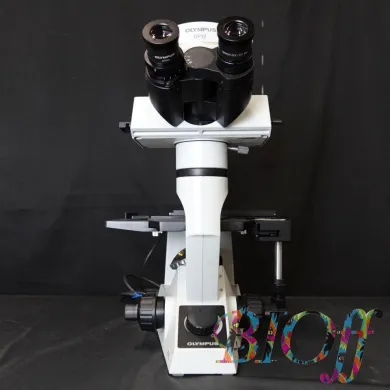
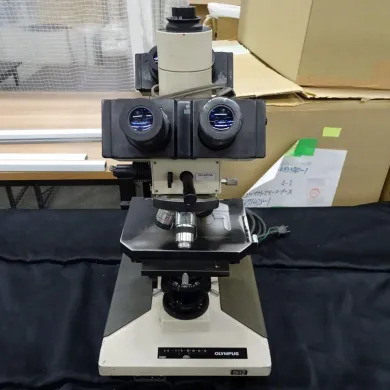
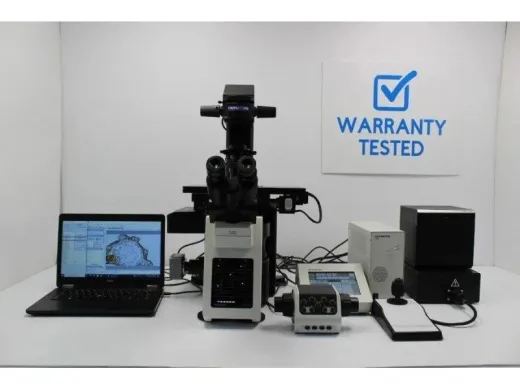
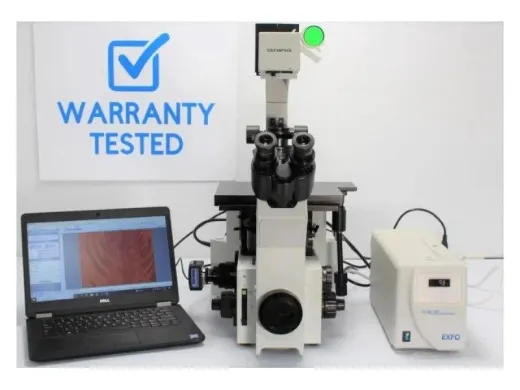
Olympus microscopy equipment on Questpair spans the research-grade optical platforms the maker built under the BX and IX names, alongside the CX teaching line, the SZ stereo range and the FLUOVIEW confocal systems now carried by Evident. Across the intersection the catalogue holds 1650 items from 17 verified suppliers and distributors in 8 countries. Among the listings that specify a type, the spread runs from complete trinocular and binocular stands down to bare objective lenses and single accessories, so a buyer sees both whole instruments and the parts that keep an existing one running. The deciding factor across most of these stands is the objective and illumination fitted rather than the frame, which is why a frame and its optics are often listed apart.
Updated:
Olympus Microscopy equipment product list


Not the exact instrument you need?
Tell our scientists what you are after. We track it down, including off-market supply.
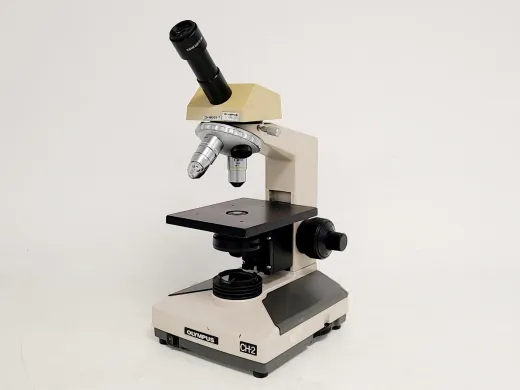
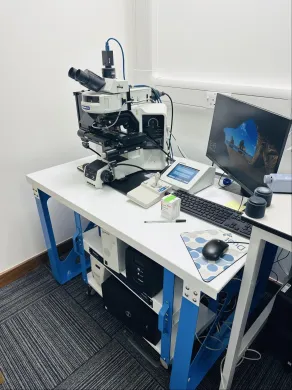
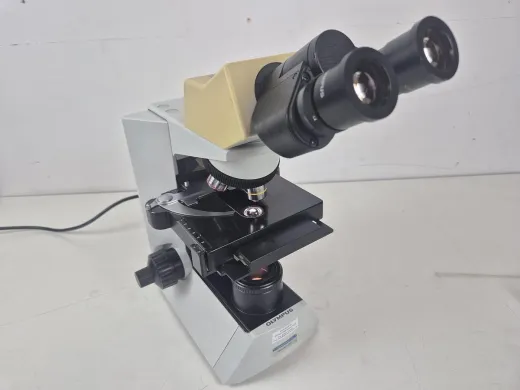
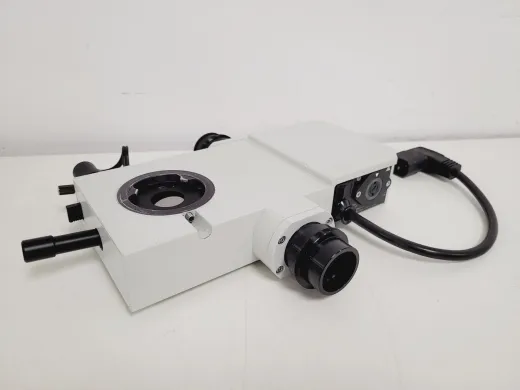
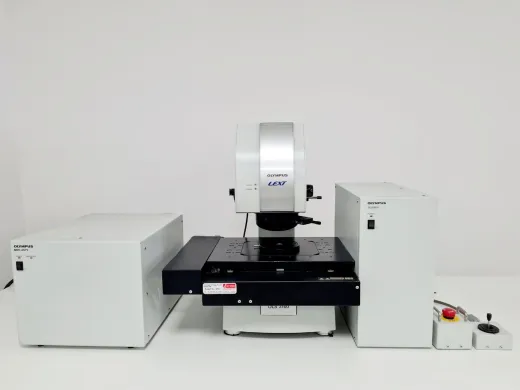
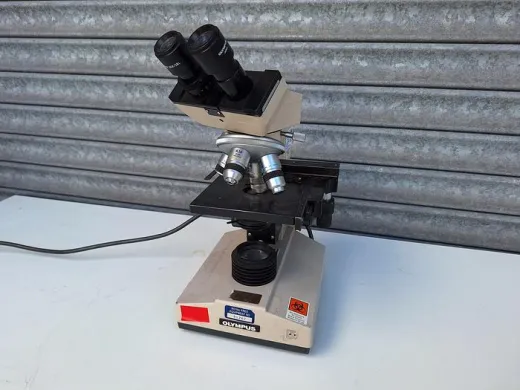
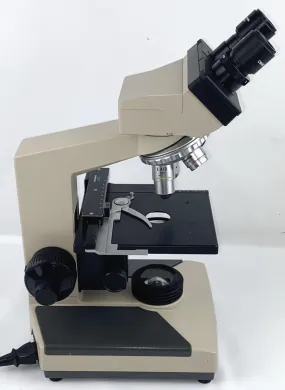
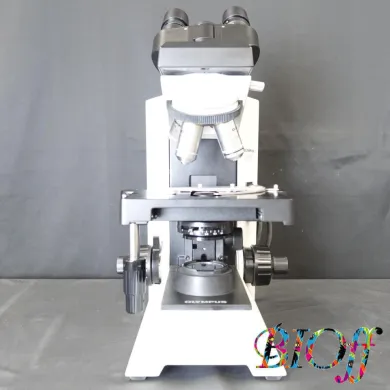
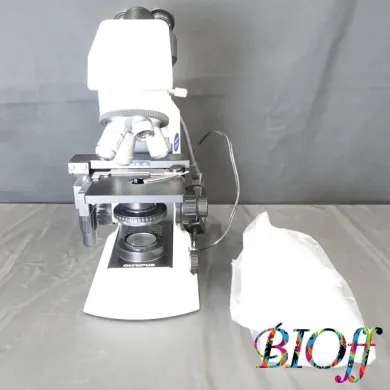
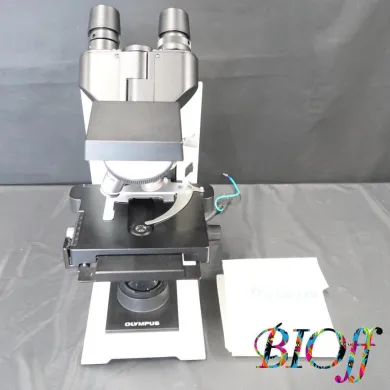
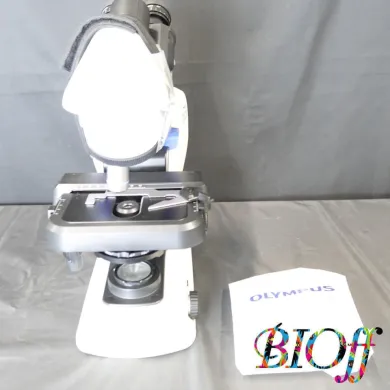
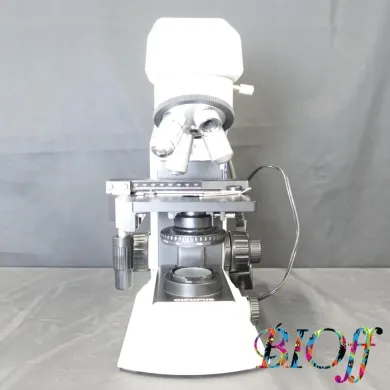
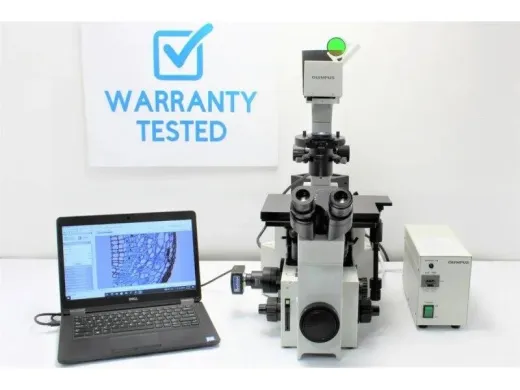
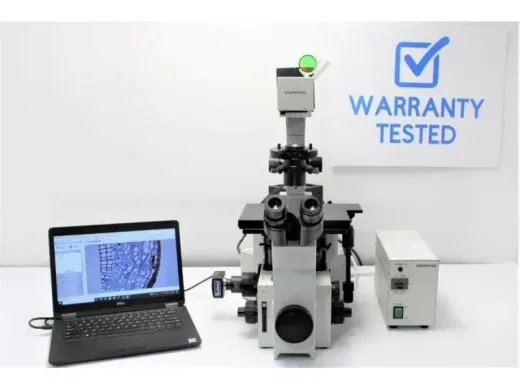
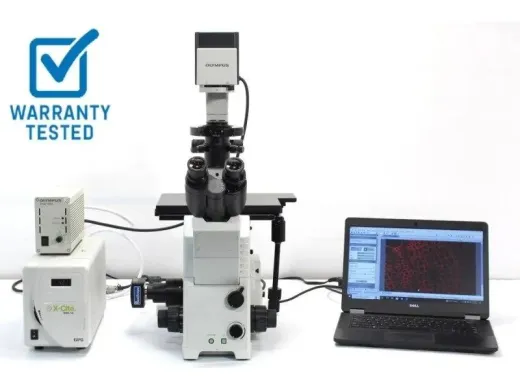
Not the exact instrument you need?
Tell our scientists what you are after. We track it down, including off-market supply.
Showing 1–40 of 1,491 listings
Show 40 more listingsBuying guide
Choosing an Olympus microscope
The first decision on an Olympus stand is the frame tier, because it fixes what the instrument can ever become. A CX frame is bought as-is: its optics are set and it will not grow into phase or fluorescence, so it suits a known routine workload. A BX research frame is bought for its modularity, which means the body alone tells you little. Check which nosefiece, condenser and illuminator are fitted and listed, because a BX body with only brightfield optics is a different purchase from one carrying DIC or epi-fluorescence components, at a different price. An IXplore inverted body should be matched to the vessel work intended, since its long-working-distance geometry is the reason to choose it over an upright frame.
On a used Olympus unit the optics decide the value. Inspect objective and eyepiece lenses for fungus, internal haze and separation of cemented elements, none of which a cleaning cloth reaches, and ask the seller for images through the optics rather than of the casing. On powered frames the halogen or LED illuminator and the stage mechanics wear; a seller should be able to show the lamp lights and the focus runs smoothly through its travel. Fluorescence frames add a filter cube set whose dichroics degrade, so confirm which cubes are present. Correction grade sets the price band more than the frame does: an achromat objective sits far below a plan apochromat, and a frame listed with a full apochromat set carries most of its cost in the glass.
The compatibility trap is mount and generation. An Olympus objective thread and parfocal distance must match the frame, and infinity-corrected optics from a BX51-era body will not perform on an older finite-tube frame. Confirm the objective series matches the nosepiece before pairing a separately listed lens to a separately listed body.
Olympus microscope series on Questpair
Among the listings that specify a type, the intersection sorts into trinocular, binocular and brightfield stands, research microscopes, and the objective lenses and accessories that attach to them. The research tier is carried by the BX line, upright frames built for transmitted and reflected light work in pathology and cell biology, and by the IXplore inverted systems, whose stage sits above the sample for culture vessels and live imaging. These two cover most of the research microscope entries. The CX series is the biological teaching and routine-lab frame, simpler optics on a fixed body, and it accounts for a large part of the binocular and basic trinocular listings. The SZ stereo range handles low-magnification dissection and inspection, a separate optical path from the compound stands. At the top sit the FLUOVIEW confocal platforms, laser scanning units that appear far less often and at the upper end of the price band. The objective lenses listed cross all of these, since an Olympus-mount objective fits more than one frame generation.
Where the BX, IX and CX frames diverge
The split that matters here is light path and build, not raw magnification, which is set by the objective in every case. The CX frames carry fixed, factory-set optics and a limited condenser range, which suits routine brightfield at standard objective powers but leaves little room to add phase or fluorescence later. The BX research frames take a modular nosepiece and a wider condenser and illumination choice, so the same body moves between brightfield, phase contrast, DIC and epi-fluorescence as the fitted components change. That modularity is why a BX listing and its objectives are frequently separate items. The IXplore inverted bodies differ again in geometry: objectives below the stage, long-working-distance optics for vessels, and a frame built around environmental control for live-cell runs rather than slide work. The objective lenses themselves divide on correction grade, from achromat through plan to the apochromat classes, and on immersion type. Correction grade is the specification that decides image flatness and colour, and it is what a research user weighs above the frame.
Price and condition across the listings
Prices run from EUR 13 to EUR 59.163. That span reflects the gap between a single objective or accessory and a complete confocal or research system. The average listing sits at EUR 2.777. 98 percent of the listings are used, so the intersection is overwhelmingly a secondary market. A buyer therefore chooses between a complete used stand, a cheaper partial build, or an individual lens to restore an existing instrument, and the condition of the optics carries more weight at these prices than the age of the frame.
Frequently asked questions
Which microscope series does Olympus make?
The main lines on this page are the BX upright research frames, the IXplore inverted systems, the CX teaching and routine-lab frames, the SZ stereo range for low-magnification work, and the FLUOVIEW laser scanning confocal platforms now carried under the Evident name. Objective lenses and accessories cross all of these since an Olympus-mount objective fits more than one frame generation.
How do the BX, IX and CX series differ?
The difference is light path and build rather than magnification, which the objective sets in every case. CX frames carry fixed factory-set optics with a limited condenser range for routine brightfield, BX frames take a modular nosepiece and wider illumination choice so one body moves between brightfield, phase, DIC and epi-fluorescence, and the IXplore inverted bodies place objectives below the stage with long-working-distance optics for culture vessels and live-cell work.
How much does a used Olympus microscope cost?
Across the catalogue prices range from EUR 13 to EUR 59.163, with the average listing at EUR 2.777. That span reflects the gap between a single objective or accessory and a complete confocal or research system, and 98 percent of the listings are used, so the secondary market dominates the price picture here.
Are refurbished Olympus units available?
Yes, used and refurbished units appear in the catalogue and are listed below the price of new ones. Condition on these is set by the optics more than the age of the frame, so check the individual listing for what has been reconditioned.
Which Olympus model suits which application?
A CX frame suits routine brightfield and teaching where the workload is known and fixed, a BX frame suits research that may need phase, DIC or fluorescence added through modular components, and an IXplore inverted body suits live-cell and culture-vessel imaging. The SZ stereo range is for low-magnification dissection and inspection, and FLUOVIEW covers laser scanning confocal work at the upper end of the price band.
What should I check before buying a used Olympus microscope?
Inspect objective and eyepiece lenses for fungus, internal haze and separation of cemented elements, and ask the seller for images taken through the optics rather than of the casing. On powered frames confirm the illuminator lights and the focus runs smoothly through its travel, and on fluorescence frames confirm which filter cubes are present since dichroics degrade over time.
Are Olympus objectives and parts interchangeable across the series?
An Olympus objective thread and parfocal distance must match the frame, so confirm the objective series matches the nosepiece before pairing a separately listed lens with a separately listed body. Infinity-corrected optics from a BX51-era frame will not perform on an older finite-tube frame, so generation matters as much as mount. Parts can be sourced via Questpair.
How does Olympus compare to other microscope brands?
Within the Olympus range itself the practical distinction is correction grade on the objective, which runs from achromat through plan to apochromat and sets image flatness and colour; a frame listed with a full apochromat set carries most of its cost in the glass. When comparing across brands on Questpair, the figure to weigh is condition and the optics fitted rather than the frame name, since the glass drives both performance and price. Across this catalogue the listings come from 17 verified suppliers and distributors in 8 countries.