

Climate control equipment - other
We personally find you the right used, refurbished and new climate control equipment - other from verified suppliers.
Climate control equipment - other is the Questpair category for laboratory environmental and gas-handling hardware that sits outside the named climate groups, covering units that condition, store or supply controlled atmospheres in a lab. The listings run from laboratory refrigerators to nitrogen and hydrogen generators that feed instruments a clean gas stream. New, used and refurbished units are listed together, and 88 percent of the listings are used. The 137 items come from 12 verified suppliers and distributors across 7 countries, with prices from EUR 58 to EUR 29.155. The range reflects how far apart a benchtop refrigerator and a laboratory gas generator sit in build and capacity.
Updated:
Climate control equipment - other product list


Not the exact instrument you need?
Tell our scientists what you are after. We track it down, including off-market supply.
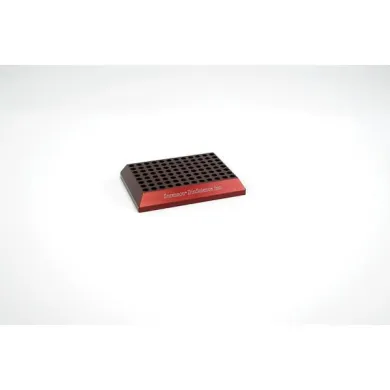
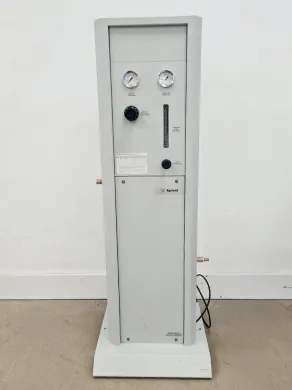
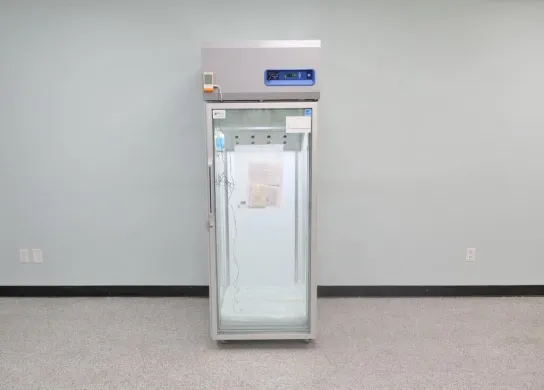
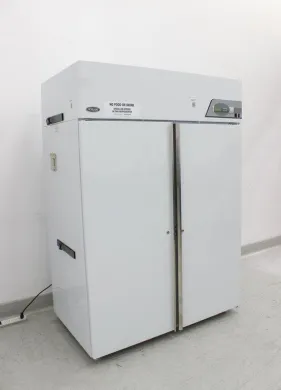
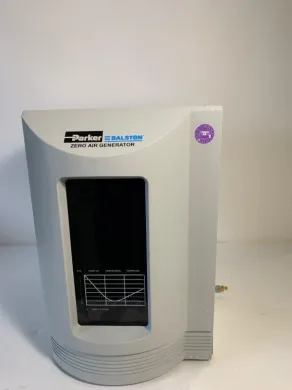
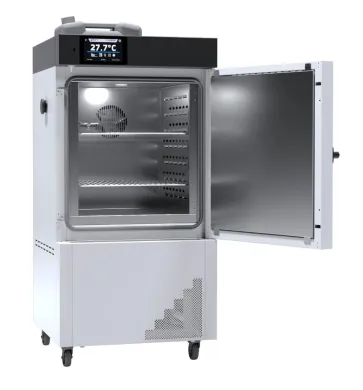
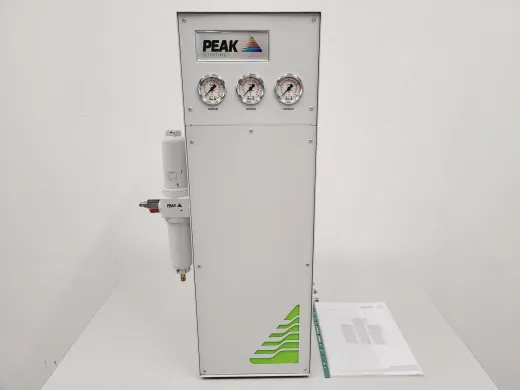
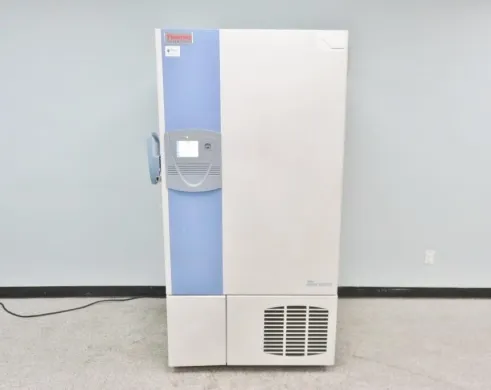
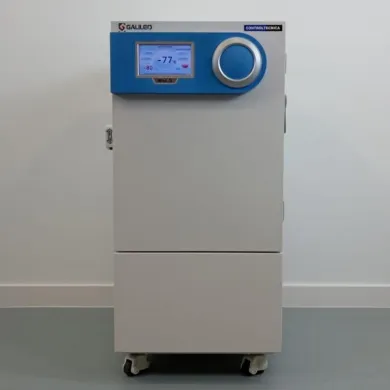
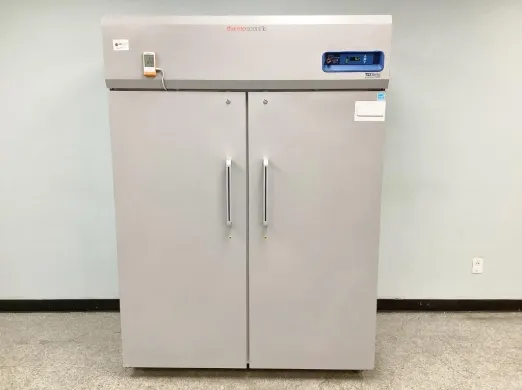
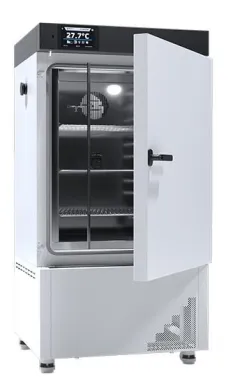
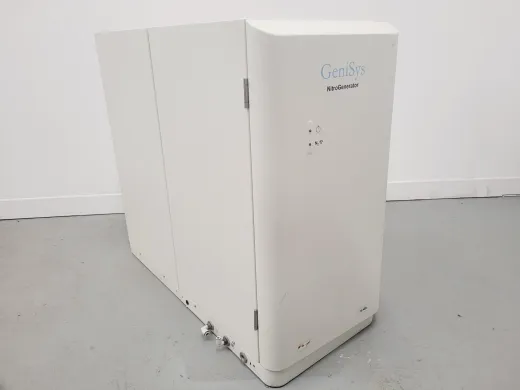
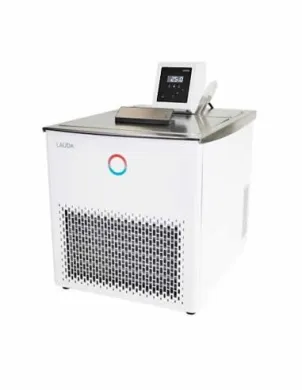
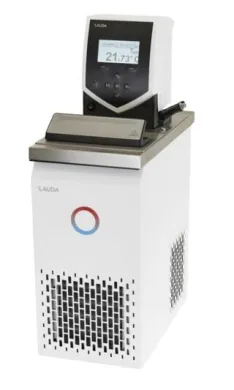
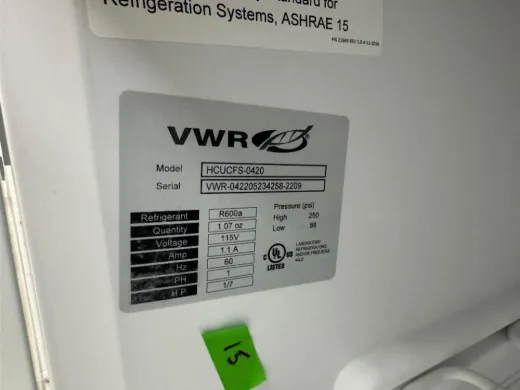
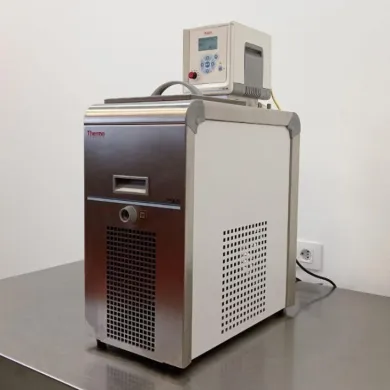
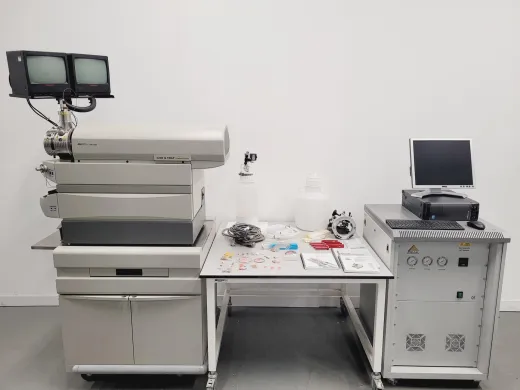
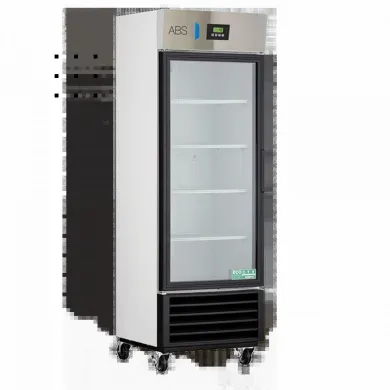
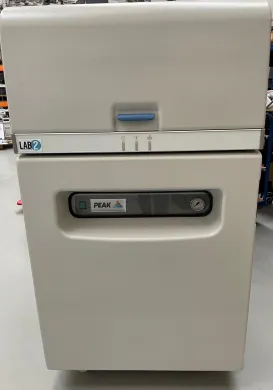
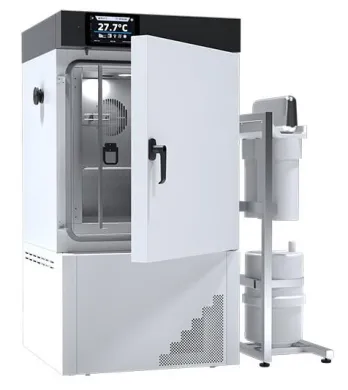
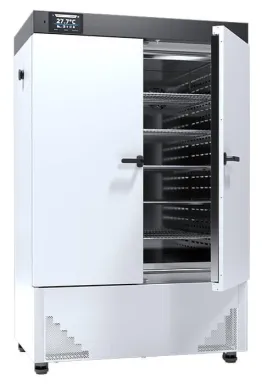
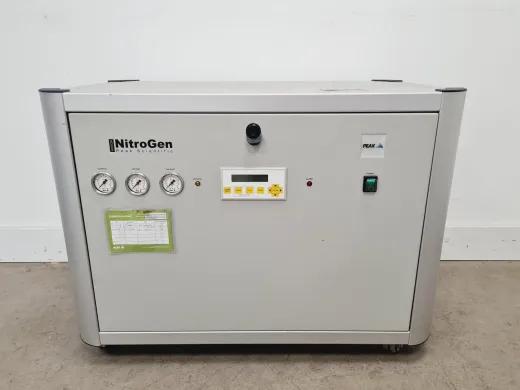
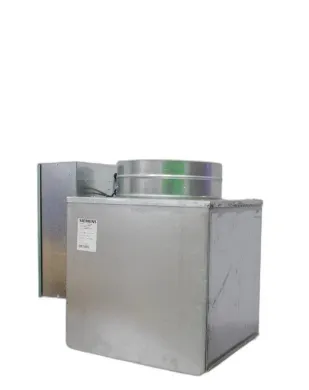
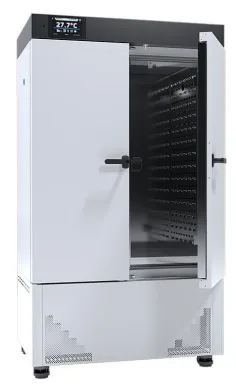

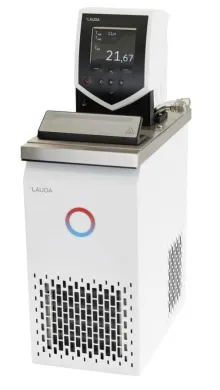
Heidolph G3 (GL10) Cooler
- Category
- Climate control equipment other
- Brand
- Heidolph
- Suppliers
- 1 verified
Not the exact instrument you need?
Tell our scientists what you are after. We track it down, including off-market supply.
Showing 1–40 of 54 listings
Show 14 more listingsBuying guide
What a buyer settles first here depends on which half of the category they are in, because the group holds two quite different kinds of hardware. For a gas generator the output decides the purchase: the flow rate and purity a unit delivers must match what the instrument downstream demands, and a nitrogen generator feeding an LC-MS has different requirements from one supplying a sample concentrator. Check the stated purity grade and the maximum flow before anything else, because an undersized generator starves the instrument and an oversized one wastes money and bench space. For a laboratory refrigerator the governing figures are internal volume, the temperature band it holds, and how tightly it holds it, since a unit built for reagent storage near 4 degrees is not the same as one rated for a wider working range.
Condition carries more weight on this equipment than a datasheet suggests, which is why 88 percent of the listings being used matters to how a buyer reads them. On a used generator, ask about the membrane or sieve bed and the compressor hours, since those are the parts that wear and the ones that cost most to replace. On a used refrigerator, the compressor and the door seal determine whether it will hold its set point, so a unit that has been run continuously is worth more scrutiny than its age alone implies. A membrane nitrogen generator with low hours and a logged service record is a different proposition from one sold with no history, and the price should reflect that gap. Where warranty matters, it is arranged in consultation for the specific listing rather than fixed across the category.
Prices run from EUR 58 to EUR 29.155. That spread is what a buyer works within when setting a budget, and the two ends are different machines rather than the same machine in better or worse shape: the floor is a small benchtop refrigerator, the ceiling a high-capacity gas generation system. The average listing sits at EUR 3.658, which places most of the catalogue well below the top of the range. Refurbished and used units listed for sale cost less than new, and for equipment of this kind, where a rebuilt generator or a serviced refrigerator can perform to its original spec, that difference is often what makes a given model affordable. The brands occupying the band, among them Peak Scientific, Thermo Scientific, Parker, POL-EKO, Parker Balston, set where a particular model lands.
Types of Climate control equipment - other
Which equipment types are listed here?
Among the listings that specify a type, the catalogue divides into cold storage and gas supply. Laboratory refrigerators are the cold-storage end, holding reagents, samples and media at a controlled temperature; they also serve cell culture work where media and buffers need steady storage near 4 degrees. The larger share is gas generation. A nitrogen generator strips nitrogen from compressed air to feed instruments a dry, inert stream, and is the workhorse behind LC-MS and sample evaporation in proteomics and molecular diagnostics laboratories. A hydrogen generator produces hydrogen on demand as a carrier or fuel gas for gas chromatography, removing the cylinder from the bench. The broader heading laboratory gas supply covers the regulators, manifolds and delivery hardware that route those gases to the instrument. Each type is a distinct answer to a different need, so a buyer usually arrives knowing which half of the category they want before comparing models within it.
The brands behind these listings
The names that recur here are Peak Scientific, Thermo Scientific, Parker, POL-EKO, Parker Balston. For a buyer, a brand that appears often means more than reputation: it means parts and comparable units are easier to find, and that a used price has other listings to be measured against. Peak Scientific and Parker Balston are specialists in laboratory gas generation, so their presence is why the gas end of the catalogue is deep enough to compare like for like. A model from a brand with several listings is simpler to value, because the spread of asking prices across conditions is visible rather than guessed. Where a brand shows up only once, a buyer has less to anchor on and should weigh the single price more carefully.
What a used unit costs here
New, used and refurbished units appear side by side, and 88 percent of the listings are used. Prices span EUR 58 to EUR 29.155, with the average at EUR 3.658. That spread covers the distance between a small refrigerator and a full gas-generation system rather than quality alone, so a low figure usually signals a smaller or simpler unit, not a compromised one. Units listed for sale in used or refurbished condition are priced below their new equivalents, which is what brings a high-capacity generator within a working budget for many labs.
Frequently asked questions
What is climate control equipment - other?
It is a Questpair category for laboratory devices that condition, store or supply controlled atmospheres and temperatures but do not sit under a dedicated category. In practice that means laboratory refrigerators alongside gas generators that produce nitrogen, hydrogen or clean air on site.
What does climate control equipment - other mean as a label?
The word other signals that these units do not fit a more specific category, so the group mixes different functions under one heading. A refrigerator holding samples at a set temperature and a nitrogen generator feeding an LC-MS both fall here.
How do these units work?
A laboratory refrigerator holds contents at a set point, usually 2 to 8 degrees, using active cooling, temperature uniformity control and alarms. A gas generator takes compressed air and separates or produces a gas stream, for example stripping nitrogen out of air or generating hydrogen through electrolysis.
What types are there in this category?
The listings that specify a type include laboratory refrigerators, gas generators, nitrogen generators, laboratory gas supply units and hydrogen generators, plus general laboratory equipment. One half of the group stores a condition, the other half produces a gas on demand.
What is this equipment used for?
Refrigerators hold reagents, media, enzymes and biological samples at a stable temperature for cell culture, molecular biology and immunoassay work. Nitrogen generators supply evaporation and blow-down gas for LC-MS and sample preparation, and hydrogen generators supply carrier or fuel gas for gas chromatography.
How do I choose between a refrigerator and a gas generator?
That depends on whether you need to store a sample or feed an instrument. If you are holding media or reagents cold, a laboratory refrigerator fits; if you are replacing bottled gas at an LC-MS or GC, match a nitrogen or hydrogen generator to the flow rate and purity your instrument requires.
Refurbished versus used, what is the difference?
A used unit is sold in its current condition, while a refurbished unit has been checked and brought back toward working order before listing. Both appear in this category below the price of new equipment, and the exact scope of any refurbishment is described in the individual listing.
How much does this equipment cost?
Listed prices run from EUR 58 to EUR 29.155, with an average around EUR 3.658. The low end covers small benchtop refrigerators, the high end a high-capacity generator with its filtration train.
Which brands appear in this category?
The names that recur are Peak Scientific, Thermo Scientific, Parker, POL-EKO and Parker Balston. Peak Scientific and Parker Balston specialise in on-site gas generation, while Thermo Scientific and POL-EKO show up on the refrigeration and controlled-storage side.
Is a warranty available on refurbished units?
A warranty is often possible and is arranged in consultation for the specific listing. Because terms vary by unit, check the individual listing and confirm what is offered before buying.
Can I get spare parts for these units?
Parts can be sourced via Questpair. On the generators the main wear items are consumable filters, membranes and seals, and models from the same maker tend to share these components.
How long do these units last?
Generators are durable hardware where the main upkeep is replacing consumable filters, so the core unit often outlasts several filter cycles. A refrigerator's lifespan depends on its compressor and door seals, and lifespan on any used unit depends on its service history, described in the listing.
New versus refurbished, which should I buy?
The clear difference is price: used and refurbished units are listed below new equipment. On generators that gap matters because the hardware is durable and most of the ongoing cost is consumable filters, so weigh the individual listing and confirm warranty in consultation.
Where can I buy this equipment?
It is offered through verified suppliers and distributors on Questpair, with listings drawn from 12 suppliers across 7 countries. The catalogue holds 137 listings in this category.
What about lead time and shipping?
Lead time and shipping depend on the individual seller and the unit, since stock and location vary across the listings. The listing shows who holds the item, and Questpair specialists respond within one hour if you need to confirm availability.
What calibration and maintenance do these units need?
Refrigerators need periodic temperature verification against a traceable reference and checks on seals and alarms. Gas generators need routine filter and membrane replacement to hold output purity, and the service schedule depends on usage and the specific model.
Which types are listed most and who reaches for which?
Laboratory refrigerators and gas generators are the recurring types, so both bench storage and gas supply are well represented. Molecular biology and cell culture labs reach for refrigerators, while proteomics and GC labs reach for nitrogen and hydrogen generators to replace cylinders.
Which brands dominate and what does that mean for a buyer?
Peak Scientific and Parker Balston recur on gas generation, Thermo Scientific and POL-EKO on refrigeration. A category with several established makers lets you compare generators across capacity and purity, and keeps filters, membranes and seals easier to find since models line up on specification.
What separates the cheapest listings from the most expensive?
The bottom of the band is a small benchtop refrigerator with modest capacity, the top a high-throughput gas generator with its filtration train. The span from EUR 58 to EUR 29.155 reflects that difference in scale and function rather than one unit being better than another.