
Stirrers
We personally find you the right used, refurbished and new stirrers instruments & equipment from verified suppliers.
Stirrers are laboratory devices that keep a liquid in continuous, controlled motion, either by spinning a magnetic bar inside the vessel or by driving a shaft and impeller down into it. They are a staple of sample preparation, dissolution and reaction work across chemistry, biology and quality control labs. The Questpair catalogue holds 2792 stirrer listings from 20 verified suppliers and distributors across 9 countries, in new, used and refurbished condition. Of those, 83 percent of the listings are used. Prices run from EUR 9 to EUR 34.436, a range wide enough to cover a single magnetic plate and a sealed overhead unit built for viscous batches.
Updated:
Stirrers product list


Not the exact instrument you need?
Tell our scientists what you are after. We track it down, including off-market supply.
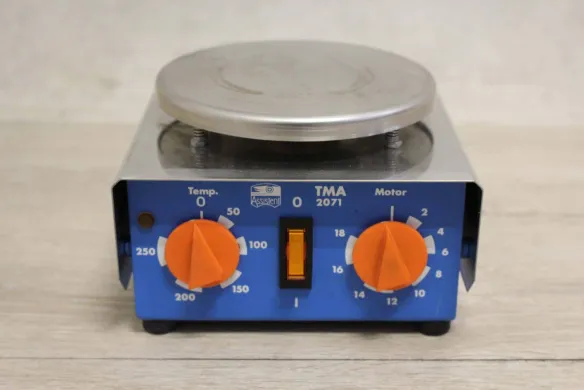
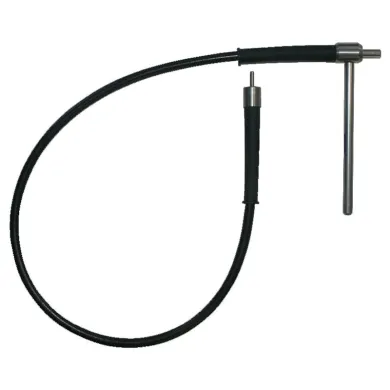
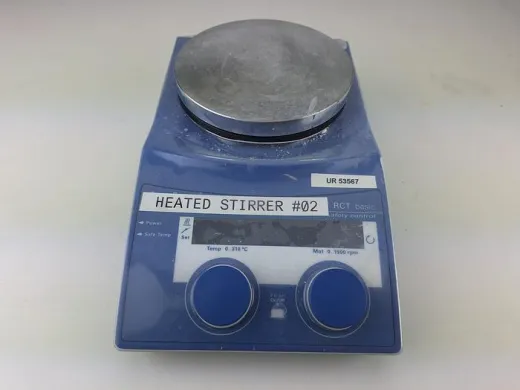
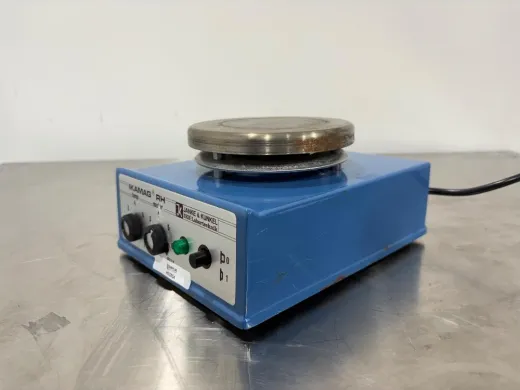
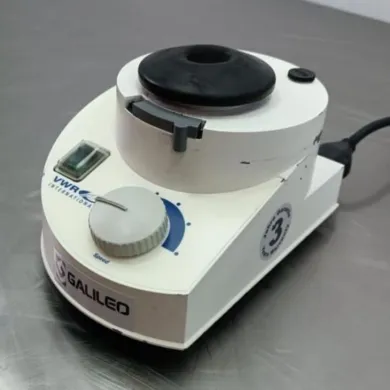
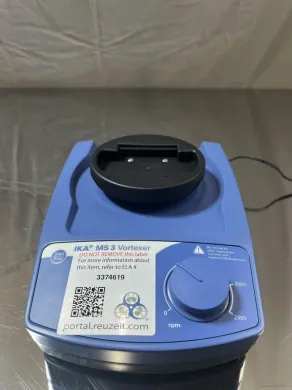
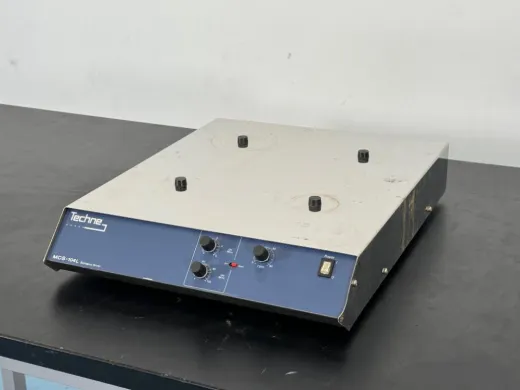
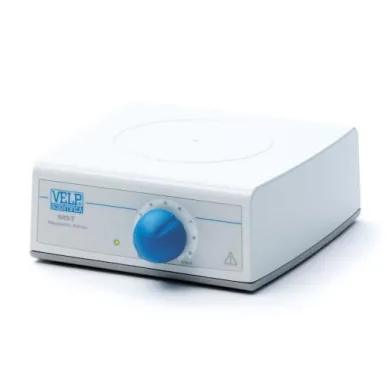
Not the exact instrument you need?
Tell our scientists what you are after. We track it down, including off-market supply.
Showing 1–40 of 1,361 listings
Show 40 more listingsBuying guide
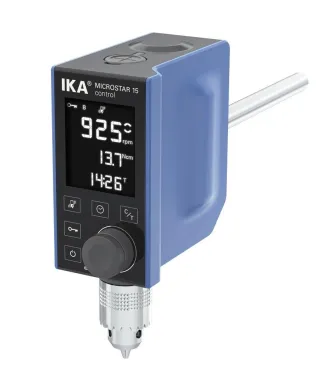
The first number to settle is torque against viscosity, because it decides which half of the catalogue a buyer is even shopping in. A magnetic stirrer couples to a bar through the base of the vessel, and that coupling slips once the fluid is thick or the volume is large, so magnetic drives sit at the thin, low-volume end. An overhead stirrer drives a shaft directly and holds its speed under load, which is what gels, slurries, resins and multi-litre batches demand. Match the rated torque and the maximum stirring volume to the worst case the lab actually runs, not the average, and the rest of the specification follows from that one decision.
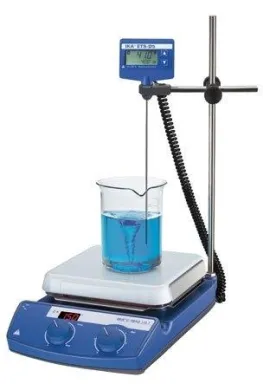
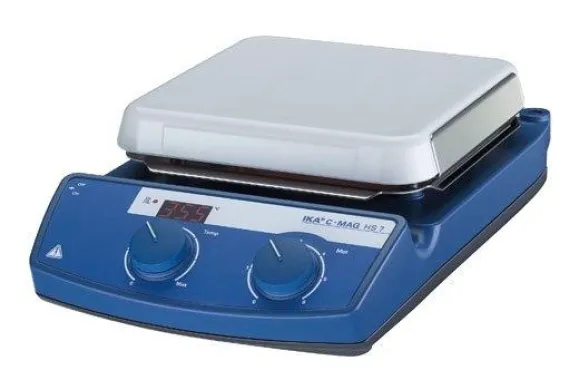
For units that also heat, the hotplate side carries its own figures: top plate material and temperature ceiling, whether a feedback probe is included, and how evenly the plate holds setpoint across its surface. Speed range matters more than top speed for most work, since reproducible low-speed mixing is harder to achieve than a fast spin. Chemical labs should check the plate and housing for solvent and acid resistance where spills are routine.
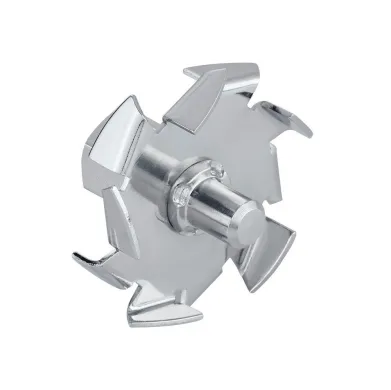
On a used stirrer the moving parts are what age. For an overhead unit, ask about bearing wear, chuck runout and motor hours, because a worn bearing shows up as wobble and noise long before it fails outright. For a magnetic or hotplate model, the plate coating and the electronics are the usual weak points, and a quick test at low and high speed reveals a failing speed controller. Confirm the probe and clamp accessories are present, since replacements can cost a meaningful fraction of a budget unit. Parts for most of these can be sourced via Questpair, and a warranty is arranged in consultation for the specific listing.
Price tracks that same split. A basic magnetic plate sits near the bottom of the range, while a sealed, explosion-rated overhead drive sits near the top, which is why the band here is so broad. 83 percent of the listings are used, and used units are listed below new, so a buyer working to a tight budget will find far more on the second-hand side. The brands that dominate, IKA, VWR, Thermo Fisher Scientific, Heidolph, Ohaus, appear across both new and used, which keeps a given model easy to compare on condition and price rather than on availability alone. Treat the listed price as the cost of the head unit and factor the stand, clamp and probe separately when they are not bundled, because a stirrer for sale without its support hardware is cheaper for a reason.
Types of Stirrers
Which stirrer types are listed?
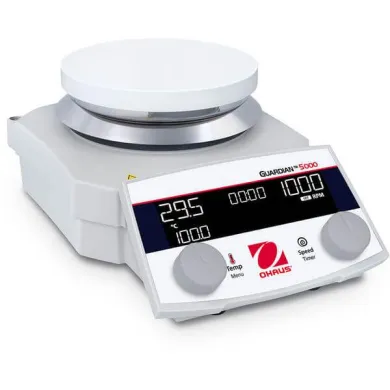
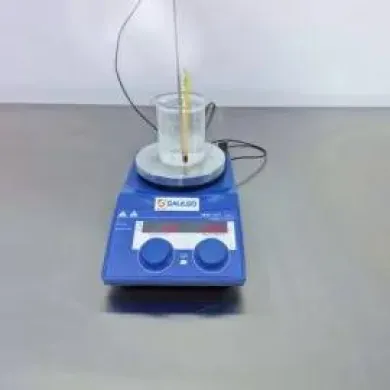
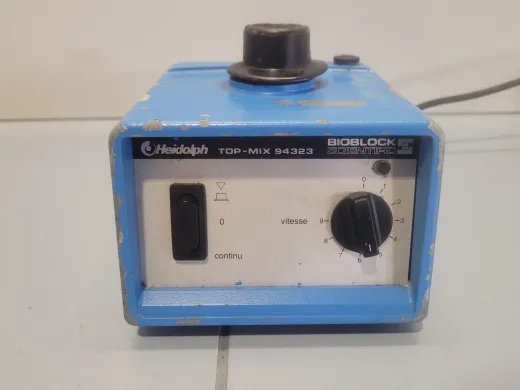
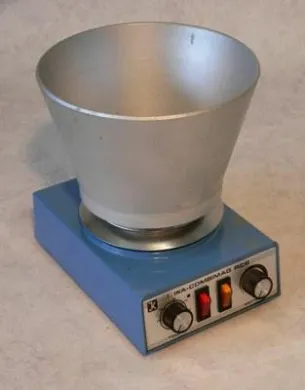
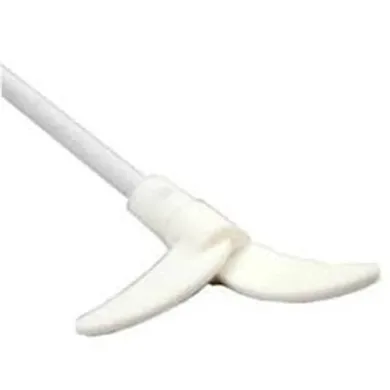
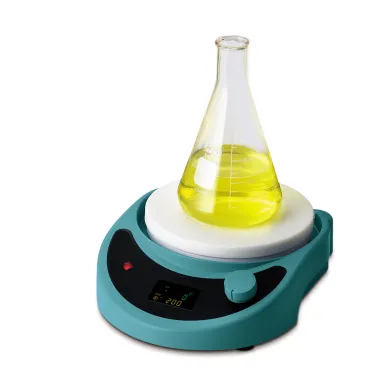
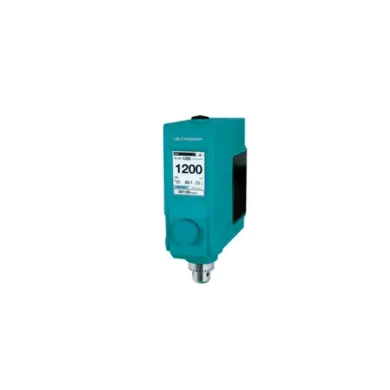
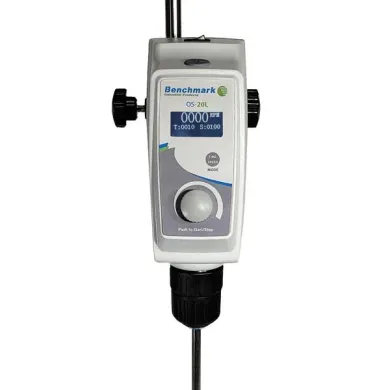
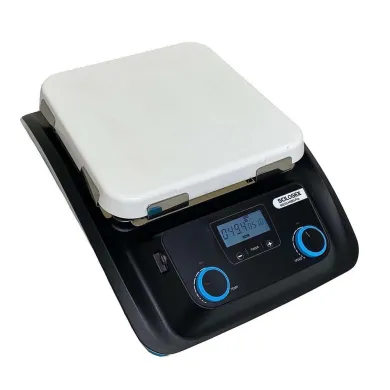
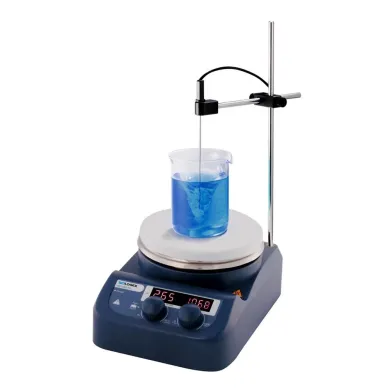
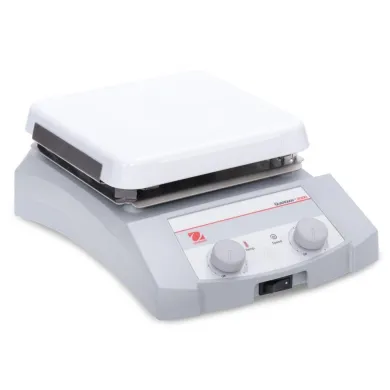
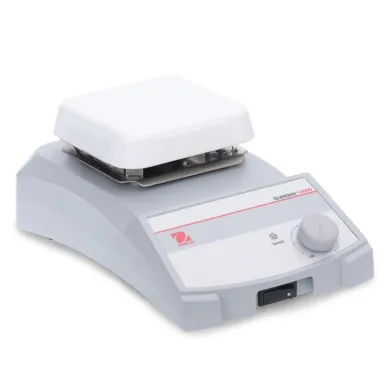
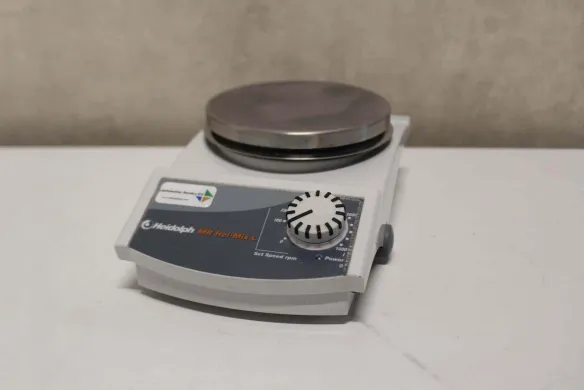
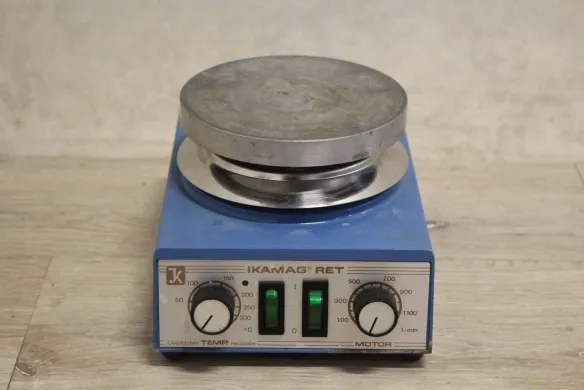
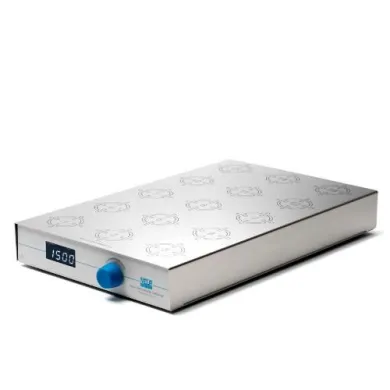
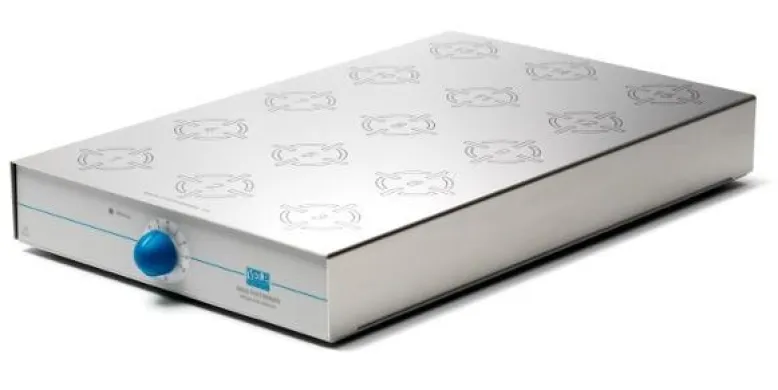
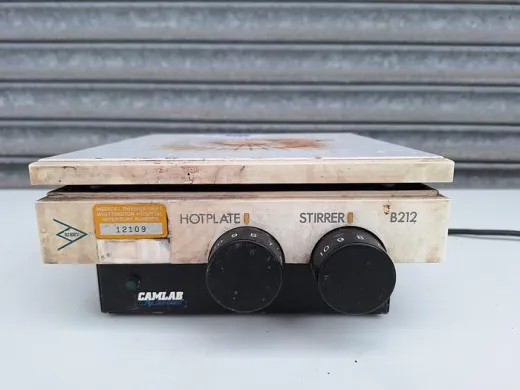
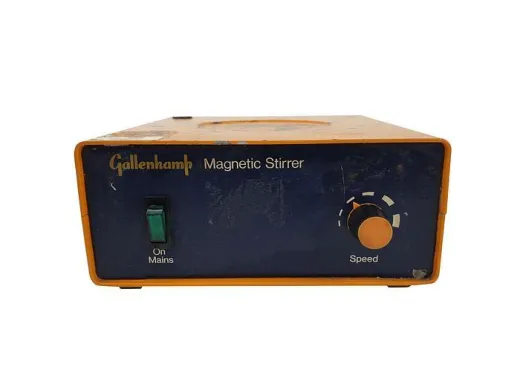
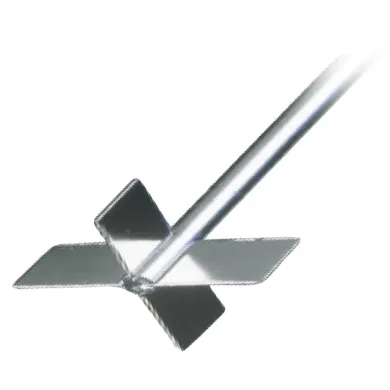
Among the listings that specify a type, the most common are magnetic stirrers, laboratory stirrers and mixers, hotplate stirrers, and overhead and benchtop units. The magnetic stirrer is the default for routine work: a bar follows a rotating field under the plate, with no shaft entering the vessel, which keeps it clean and closed. A hotplate stirrer adds a heated top plate so dissolution and reaction steps run at temperature without a separate bath. The overhead stirrer is the heavy-duty alternative, driving an impeller on a shaft for viscous or large-volume batches that defeat magnetic coupling. The looser labels, laboratory stirrer, laboratory mixer and benchtop stirrer, group the mid-range general-purpose units that sit on a bench and serve whichever of those duties a lab meets most often. The line between them is torque and whether the drive touches the liquid, so a buyer picks by what the sample will tolerate and how thick it gets.
In the life sciences these units do the quiet, upstream work that everything else depends on. Magnetic stirring holds a buffer homogeneous during protein purification and keeps a culture medium mixed as it is made up; overhead stirring suspends cells gently in small-scale cell culture and mixes the viscous feeds of bioprocessing and biomanufacturing. A laboratory stirrer for cell culture media preparation and a magnetic stirrer for buffer homogenisation in molecular biology are everyday fixtures, as is a hotplate stirrer used for agar and reagent preparation in microbiology. They also support formulation and sample preparation ahead of electrophoresis, immunoassay and genomics workflows, where an evenly dissolved reagent is the precondition for a clean result rather than the result itself.
The brands behind the stirrer listings
The names that recur are IKA, VWR, Thermo Fisher Scientific, Heidolph, Ohaus. A concentrated field like this one works in the buyer's favour: parts and spare bars, chucks and probes are easier to source for a model that many labs already run, and a given series shows up often enough that condition and price can be compared across several listings rather than taken on a single one. The mix spans the whole range, from compact magnetic plates to sealed overhead drives, so the same maker often appears at both ends of the price band. That keeps cross-shopping straightforward, since a specialist can line up equivalent units from two makers on the figures that matter, torque, speed range and plate temperature, instead of on brand availability alone.
What a used stirrer costs here
Condition leans heavily toward the second-hand side: 83 percent of the listings are used, the remainder new. Prices run from EUR 9 to EUR 34.436, with an average around EUR 553. That spread covers the full catalogue, a bare magnetic plate at the low end and a large, feedback-controlled overhead system at the high end, so the figure to watch is where a given type sits within the band rather than the band itself. Used and refurbished units are listed below new across every type, which is why a buyer on a fixed budget finds the most choice there.
Frequently asked questions
What is a stirrer?
A stirrer is a laboratory device that keeps a liquid in continuous, controlled motion, either by spinning a magnetic bar inside the vessel or by driving a shaft and impeller down into it. They are used across chemistry, biology and quality control labs for sample preparation, dissolution and reaction work.
What does stirrer mean in a lab context?
In a lab, a stirrer refers to the instrument that provides the mixing action rather than the stirring bar or impeller itself. The term covers magnetic plate units, hotplate stirrers and overhead drives, which differ in how the motion reaches the liquid.
How do stirrers work?
A magnetic stirrer spins a rotating magnetic field under the base plate, which drags a magnetic bar dropped into the vessel so nothing enters the liquid from above. An overhead stirrer instead turns a motor that drives a shaft and impeller directly into the fluid, which holds speed under heavier loads.
What types of stirrers are there?
The types listed here include magnetic stirrers, laboratory stirrers, laboratory mixers, hotplate stirrers, overhead stirrers and benchtop stirrers. Magnetic and hotplate units suit thin, low-volume samples, while overhead units handle viscous or large-volume batches through direct shaft drive.
What are stirrers used for?
They keep buffers homogeneous, dissolve reagents, mix culture media and suspend cells during preparation and reaction steps. In life sciences they support protein purification, cell culture media preparation, microbiology reagent and agar prep, and formulation ahead of workflows like electrophoresis and immunoassay.
How do I choose a stirrer?
Start with torque against viscosity, because that decides between a magnetic drive for thin, low-volume work and an overhead drive for gels, slurries and multi-litre batches. Then match rated torque and maximum stirring volume to the worst case your lab runs, and check speed range, since reproducible low-speed mixing matters more than top speed for most work.
What is the difference between refurbished and used stirrers?
Used units are sold in their existing condition, while refurbished units have been checked and brought back to working order before listing. Both are listed below new prices here, and the specific condition and any work done are described on the individual listing.
How much does a stirrer cost?
Prices in the Questpair catalogue range from EUR 9 to EUR 34.436, with an average around EUR 553. A bare magnetic plate sits near the bottom and a large feedback-controlled overhead system near the top, so the figure that matters is where your chosen type falls within that band.
What are the best stirrer brands?
The names that recur in the listings are IKA, VWR, Thermo Fisher Scientific, Heidolph and Ohaus. Rather than rank them, compare equivalent units on torque, speed range and plate temperature, since the same maker often appears at both the low and high end of the range.
Is there a warranty on a refurbished stirrer?
A warranty is often possible and is arranged in consultation for the specific listing. Check the condition notes and terms on the individual listing before purchase.
Can I still get parts for these stirrers?
Parts such as spare stirring bars, chucks and probes can be sourced via Questpair. A concentrated field of common makers also helps, because spares for a model many labs already run are easier to find.
How long does a stirrer last?
Lifespan depends on the moving parts: on overhead units bearings, chuck runout and motor hours age first, while on magnetic and hotplate models the plate coating and electronics are the usual weak points. A quick test at low and high speed reveals a failing speed controller before it fails outright.
Should I buy a new or used stirrer?
Used and refurbished stirrers are listed below new across every type, so a buyer working to a fixed budget finds the most choice on the second-hand side. Where you have to weigh the two, compare the condition described on each listing and note that warranty is arranged in consultation.
Where can I buy a stirrer?
The Questpair catalogue lists 2792 stirrer listings from 20 verified suppliers and distributors across 9 countries, in new, used and refurbished condition. You can compare type, condition and price across those listings in one place.
What is the lead time and shipping on a stirrer?
Lead time and shipping depend on the individual supplier and the unit's location, which is why these details sit on each listing rather than being fixed across the catalogue. For a specific listing you can contact Questpair, where specialists respond within 1 hour.
How are stirrers calibrated and maintained?
Maintenance centres on the moving and heating parts: check bearings and chuck runout on overhead units, and plate coating and speed-control response on magnetic and hotplate models. Hotplate units also need their temperature setpoint and probe checked for even heat across the plate; Questpair does not provide servicing itself.
Which stirrer types are most listed, and who reaches for each?
Magnetic stirrers are the default for routine, low-volume work where keeping the vessel closed matters, and hotplate stirrers add a heated plate for dissolution and reaction at temperature. Overhead stirrers are the choice of labs running viscous or large-volume batches, while laboratory stirrers, mixers and benchtop units cover mid-range general-purpose bench work.
Which brands dominate this category, and what does that mean for a buyer?
IKA, VWR, Thermo Fisher Scientific, Heidolph and Ohaus recur across the listings, spanning compact magnetic plates to sealed overhead drives. A concentrated field makes parts easier to source and lets you compare condition and price across several listings of the same series rather than relying on a single one.
What separates the cheapest stirrers here from the most expensive?
The bottom of the band is a basic magnetic plate with no heating and limited volume, while the top is a sealed, feedback-controlled overhead drive built for viscous, large-volume or explosion-rated work. Torque, maximum stirring volume, whether the unit heats, and feedback control are what move a listing up the price range.