

Water purification equipment
We personally find you the right used, refurbished and new water purification equipment from verified suppliers.
Water purification equipment is the class of laboratory apparatus that removes ions, organics, particulates and microorganisms from feed water to produce grades suitable for analytical and experimental work. These systems deliver anything from reverse-osmosis-grade water for glassware rinsing to Type I ultrapure water for HPLC, molecular biology and trace analysis. Across the Questpair catalogue, 513 listings are held across 15 verified suppliers and distributors in 9 countries, in new, used and refurbished condition. Of those, 86 percent of the listings are used. Prices run from EUR 12 to EUR 96.850, a span that separates a replacement cartridge from a complete central purification plant.
Updated:
Water purification equipment product list
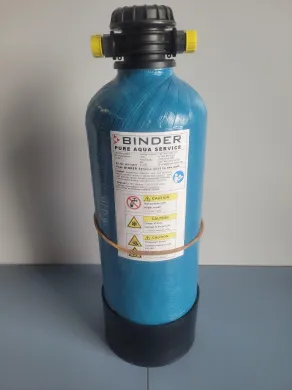
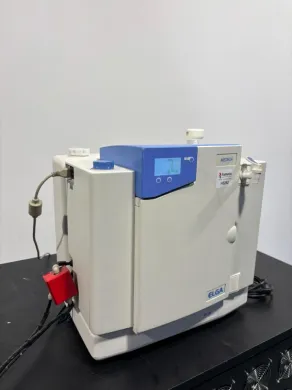
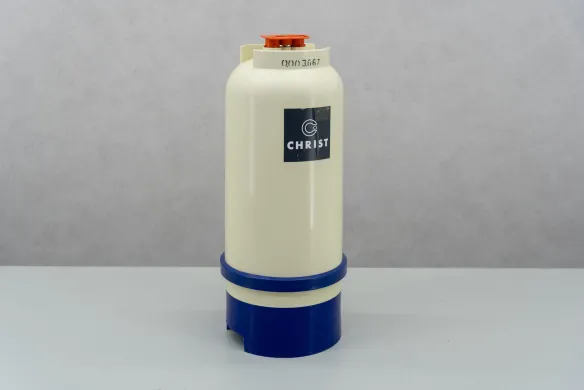
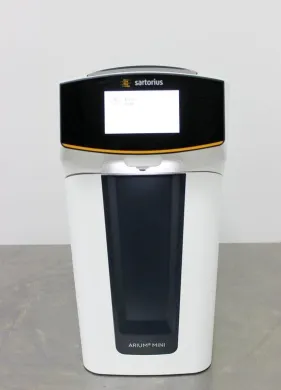


Not the exact instrument you need?
Tell our scientists what you are after. We track it down, including off-market supply.
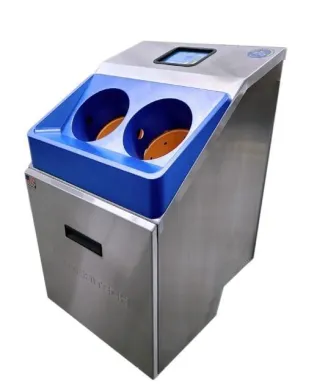
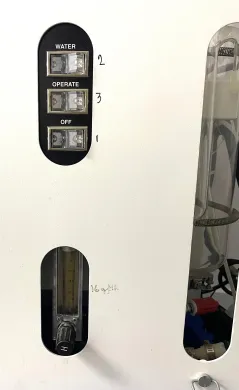
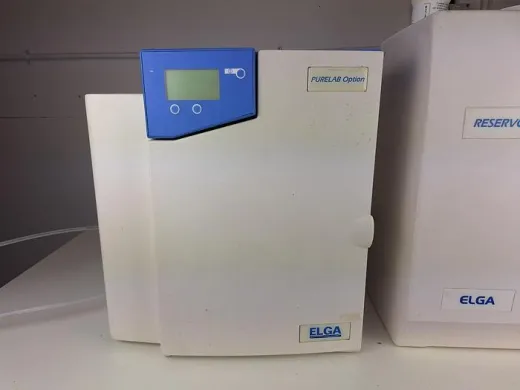
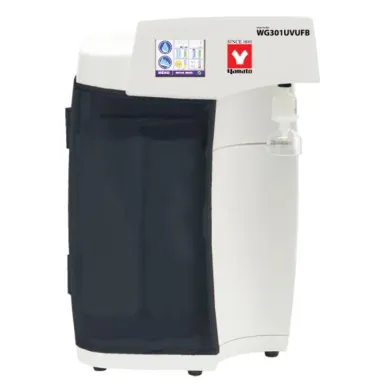
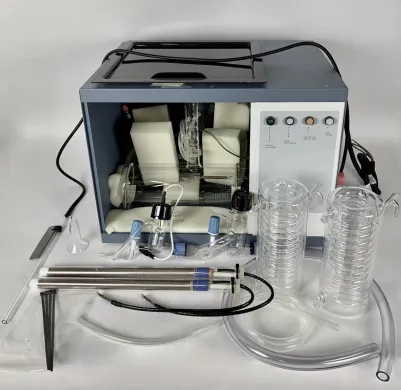
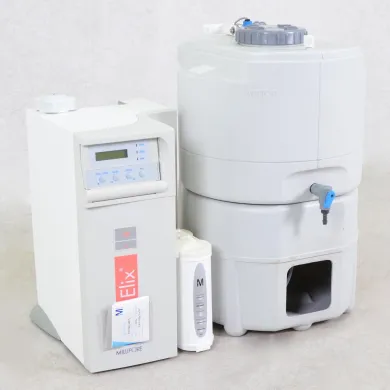
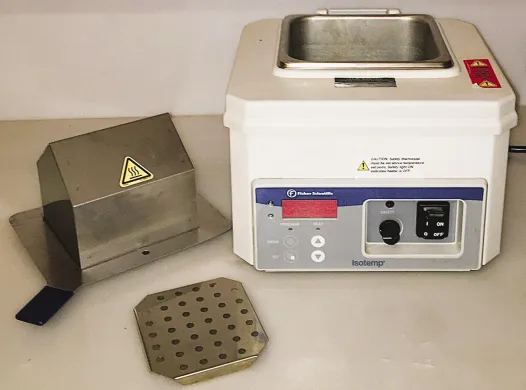
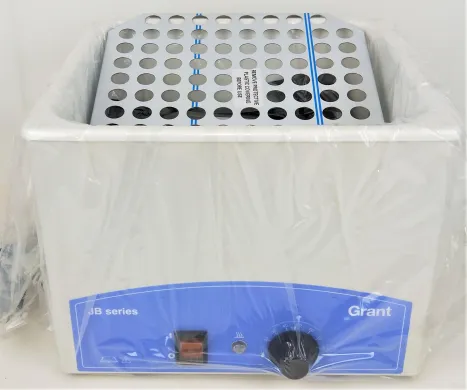
Not the exact instrument you need?
Tell our scientists what you are after. We track it down, including off-market supply.
Showing 1–40 of 269 listings
Show 40 more listingsBuying guide
Matching the water grade to the method
What settles a purification purchase is the grade of water a method actually needs, because every other decision follows from it. A cell culture lab and a trace-metals lab both say they need "pure water" and mean different things: the first wants bacteria and endotoxin controlled, the second wants resistivity at 18.2 megohm-centimetre and total organic carbon in the low single digits. Read the method before the datasheet. A system that polishes to Type I for molecular work is wasted on a dishwasher feed, and an under-specified unit quietly contaminates results that take weeks to trace back to the water.
Throughput is the second axis. A benchtop purifier that delivers a litre or two a minute suits a single bench; a shared facility feeding several instruments needs a system with a storage reservoir sized to the daily draw, or the point-of-use taps run dry mid-morning. The field of water purification separates these two worlds cleanly, so decide whether you are buying for one bench or for a building.
What to verify on a used unit is specific to this class. The pump, the UV lamp and the housings outlast the consumables by years, but the resin cartridges, the RO membrane and the final polishing pack are spent goods, and a system listed cheaply may need a full consumable set before it produces water at all. Ask when the membrane was last changed, whether the resistivity monitor still reads true, and whether the maker still supplies the cartridge format that unit takes, since discontinued consumables strand an otherwise sound machine.
Price maps onto all of this. What a complete ultrapure system costs sits well above what a point-of-use polisher does, and the range here reflects both ends. Prices run from EUR 12 to EUR 96.850, with EUR 3.570 sitting in the middle where most laboratory-scale systems land. A buyer working to a budget will find that refurbished units listed for sale come in below new, which brings a central system within reach where a new one would not fit. Millipore, Yamato, CLiR, ELGA, Sartorius occupy the band that most laboratories actually buy in, and a known brand is easier to source cartridges for later.
Types of Water purification equipment
Which water purification systems are listed here?
Among the listings that specify a type, the catalogue sorts into a handful of recognisable classes. The ultrapure water system is the demanding end: it polishes already-purified feed to Type I, the 18.2 megohm-centimetre grade with controlled total organic carbon that HPLC, ion chromatography and trace analysis depend on. An ultrapure water purification system is the same class named in full, and the two labels sit on the same hardware. The broader laboratory water purification system and laboratory water system cover units that produce intermediate grades, Type II for buffer preparation and media, Type III for washing and autoclave feed. The benchtop water purifier is the small-footprint member of the family, a single-bench unit that draws from a tap or a reservoir and delivers at the point of use. The plain water purification system label spans the range and often marks a unit that produces more than one grade through staged polishing.
These classes do real work in biotechnology and the life sciences. Type I ultrapure water is the solvent and diluent behind molecular biology, feeding PCR master mixes, electrophoresis buffers and the reagents of genomics and proteomics, where a trace of nuclease or metal ion corrupts a result. Endotoxin-controlled grades support cell culture and immunoassay work, and ultrapure water for HPLC is a long-standing requirement of molecular diagnostics and protein purification, where mobile-phase purity sets the baseline. Benchtop laboratory water systems are also used for reagent preparation across microbiology and histology benches.
The brands behind the water purification listings
Millipore, Yamato, CLiR, ELGA, Sartorius account for the names a buyer meets most often here. For the purchaser, an established brand matters less for prestige than for what comes after the sale: cartridge and membrane availability, a resistivity monitor that a service engineer recognises, and enough installed base that one model can be compared against another on specification rather than guesswork. Parts can be sourced via Questpair, which keeps an older unit from a well-known maker viable long after purchase.
What a used water purification system costs here
The condition mix leans heavily toward pre-owned stock: 86 percent of the listings are used. Prices run from EUR 12 to EUR 96.850, the lower end covering consumables and point-of-use polishers and the upper end complete central systems with storage and distribution. Used and refurbished units are listed below the price of new equipment, which is where the breadth of this catalogue is most useful to a laboratory working within a budget.
Frequently asked questions
What is water purification equipment?
It is the class of laboratory systems that removes ions, organic compounds, particulates, and microorganisms from feed water to produce reagent-grade water. The output is graded by purity, from Type III for glassware rinsing up to Type I ultrapure water for trace analysis.
What does water purification equipment mean in a laboratory context?
It refers to the equipment that conditions ordinary feed water into a defined grade suitable for analytical and biological work. The term covers both the full central systems and the compact units that sit next to a single instrument.
How does water purification equipment work?
Most systems combine several stages: reverse osmosis to remove the bulk of dissolved solids, ion exchange to strip remaining ions, UV photo-oxidation to break down organics, and final filters to catch particulates and microorganisms. The number and order of stages determine the purity grade delivered.
What types of water purification systems are there?
The listings here include ultrapure water systems and ultrapure water purification systems aimed at Type I output, general laboratory water purification systems and laboratory water systems that deliver more than one grade, broad water purification systems for reverse osmosis and deionisation, and benchtop water purifiers sized for a single bench.
What is water purification equipment used for?
Type I ultrapure water feeds HPLC, molecular biology, genomics, proteomics, cell culture, and trace metal analysis. Lower grades cover buffer preparation, feeding analytical instruments, washing glassware, and supplying autoclaves.
How do I choose a water purification system?
Start from the lowest grade every downstream method needs and the daily volume required, since flow rate and reservoir capacity size the unit as much as purity does. A system built for one grade will not reach a higher one without added polishing stages, so decide the grade first.
What is the difference between refurbished and used water purification equipment?
A used unit is sold in its existing condition, while a refurbished unit has had work done to return it to working order before sale. For both, the real question is the state of the consumables, since those do the actual purifying.
How much does water purification equipment cost?
Across the catalogue prices range from EUR 12 to EUR 96.850, with an average near EUR 3.570. A benchtop polisher fed from an existing source sits at the lower end, and a multi-stage central system producing both Type I and Type II at volume sits at the top.
Which brands of water purification equipment are worth looking at?
The recurring names in the listings are Millipore, Yamato, CLiR, ELGA, and Sartorius. Their presence matters practically: widely installed platforms mean cartridges, membranes, and UV lamps are routinely available, so a used unit is easier to specify consumables for.
Is there a warranty on refurbished water purification equipment?
A warranty is often possible and is arranged in consultation for the specific listing. Terms depend on the unit and the supplier rather than on a central policy.
Can I get parts for a used water purification system?
Parts such as ion-exchange cartridges, reverse osmosis membranes, UV lamps, and final filters can be sourced via Questpair. Platforms from Millipore and ELGA are widely installed, which makes their consumables routinely available.
How long does water purification equipment last?
The main body of a system runs for many years, but the consumables inside have finite lives and determine whether it still produces to grade. Membrane fouling and scale from hard feed water shorten component life, so the feed-water history affects the practical lifespan.
Should I buy a new or a used water purification system?
Used and refurbished units are listed at lower prices than new equivalents at the same grade, so a budget-constrained lab can find a working Type I system below new cost once consumable life is factored in. Weigh the condition of the consumables on the specific listing, and note that warranty is arranged in consultation.
Where can I buy water purification equipment?
Questpair lists new, used, and refurbished units from 15 verified suppliers and distributors across 9 countries. The catalogue currently spans 513 items.
What is the lead time and shipping on a water purification system?
Lead time and shipping depend on the individual listing and the supplier handling it. For a specific unit, you can contact Questpair and specialists respond within 1 hour.
What maintenance and calibration does water purification equipment need?
Routine upkeep is mainly replacing consumables on schedule: ion-exchange cartridges, reverse osmosis membranes, UV lamps, and final filters. Resistivity and TOC readings from the internal monitor indicate whether the system still performs, and where a monitor check is wanted it is arranged with the supplier on the listing.
Which types in this category are listed most, and who reaches for which?
Ultrapure water systems reach researchers running molecular biology, genomics, proteomics, cell culture, and immunoassay work, where trace nuclease and ion contamination compromise results. Multi-stage laboratory water systems pair reverse osmosis with ion exchange and UV photo-oxidation, while benchtop purifiers suit a single bench or small group feeding autoclaves and washing glassware with Type III water.
Which brands dominate this category, and what does that mean for a buyer?
Millipore, Yamato, CLiR, ELGA, and Sartorius recur across the listings. Because these makers appear across several format tiers, a buyer can compare a used benchtop model against a new one of the same brand on resistivity, TOC, and throughput without guessing at compatibility.
What separates the cheapest water purification systems from the most expensive here?
Price tracks purity grade and throughput more than anything else. A benchtop polisher fed from an existing source occupies the lower end, while a complete multi-stage system producing both Type I and Type II at high volume sits at the top, and condition further shifts where any given unit falls.