

Incubators
We personally find you the right used, refurbished and new incubators instruments & equipment from verified suppliers.
Incubators are temperature-controlled enclosures that hold biological samples, cultures, or reactions at a stable set point, used throughout laboratory work in the life sciences, clinical diagnostics, and microbiology. The Questpair catalogue lists 3466 incubators from 23 verified suppliers and distributors across 12 countries, in new, used, and refurbished condition. Of those listings, 90 percent are used, the remainder new. Prices run from EUR 22 to EUR 64.750, a span that reflects the gap between a small benchtop unit and a large laboratory CO2 system. Temperature range, chamber volume, and atmospheric control separate one model from the next, and those three specifications decide most purchases.
Updated:
Incubators product list
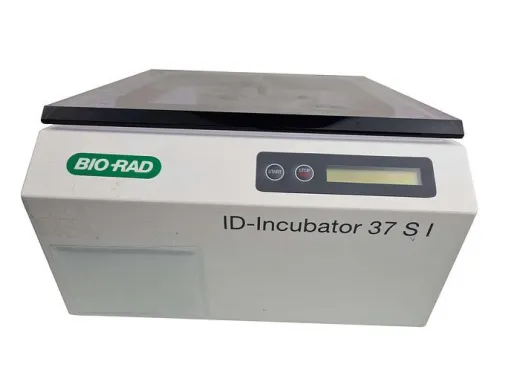
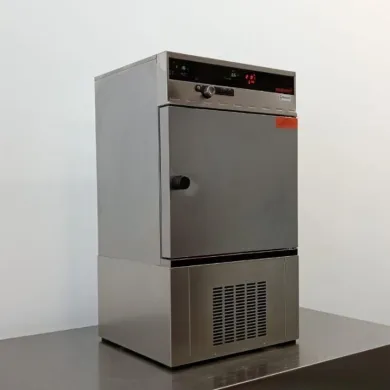
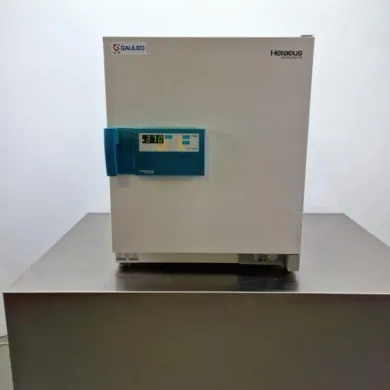
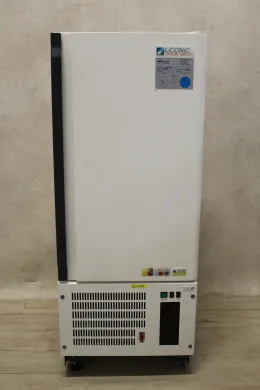


Not the exact instrument you need?
Tell our scientists what you are after. We track it down, including off-market supply.
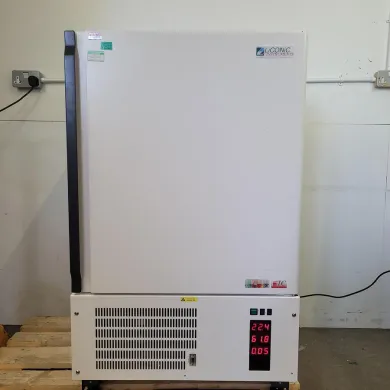
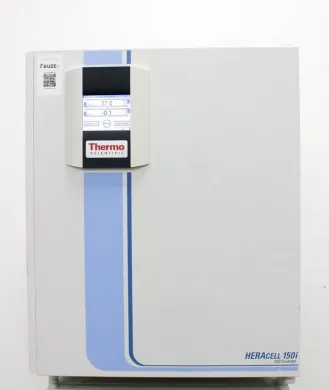
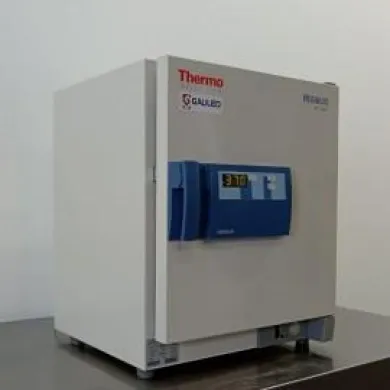
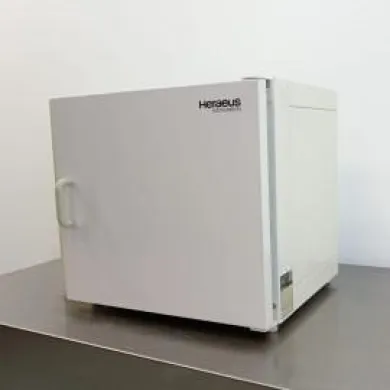
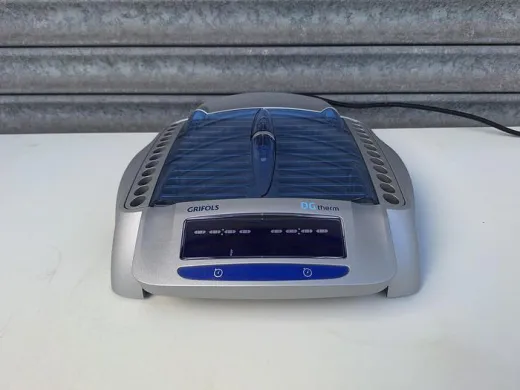
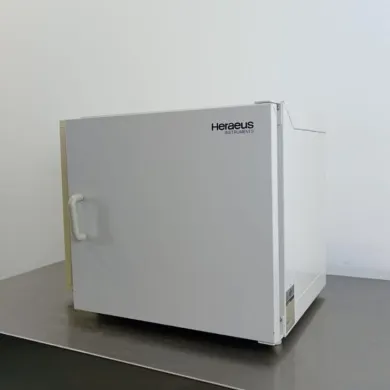
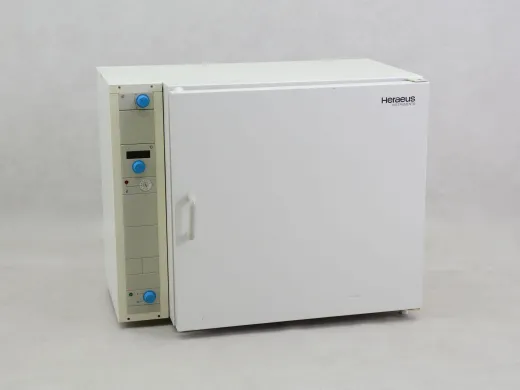
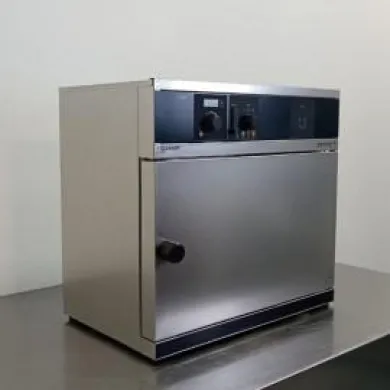
Thermo Heraeus B6060 Incubator
- Category
- Heating and cooling
- Brand
- Heraeus
- Suppliers
- 1 verified
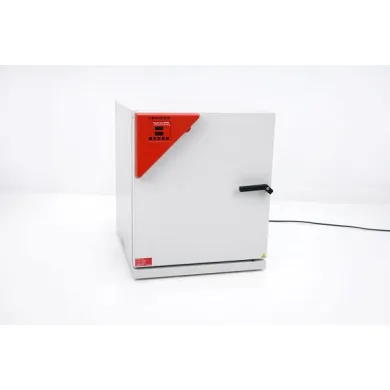
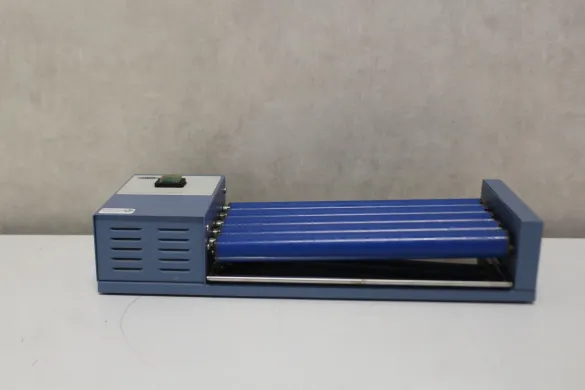
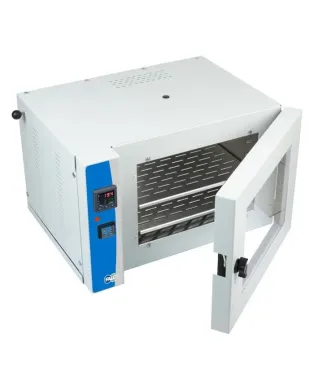
FALC ICT 5.4 Mini Lab Incubator
- Category
- Incubators
- Brand
- Falc instruments
- Suppliers
- 1 verified
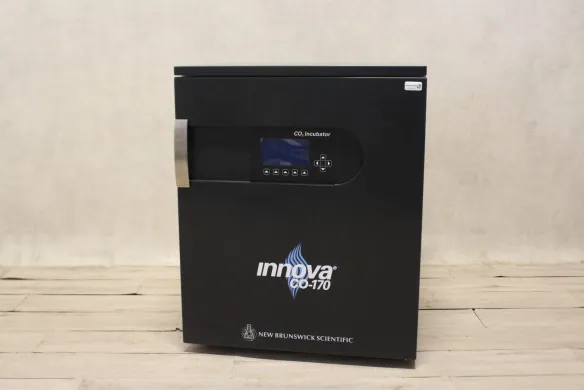

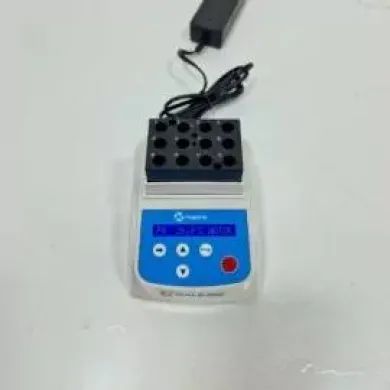
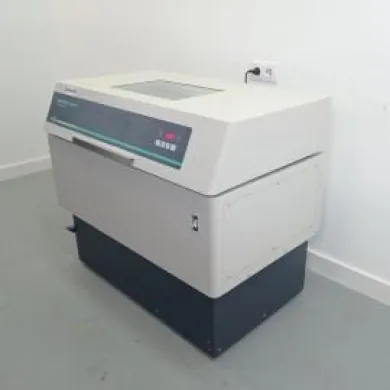
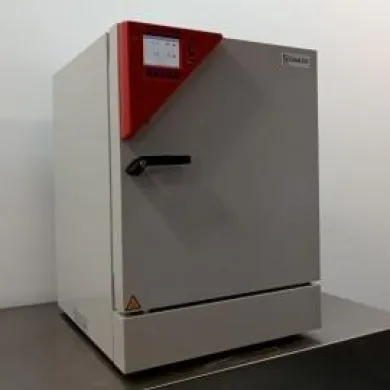
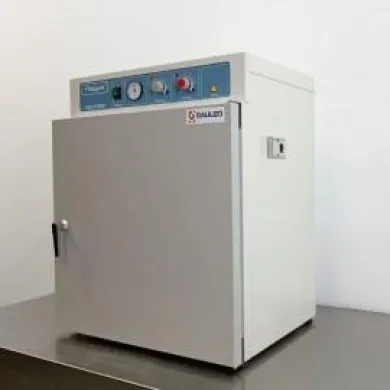
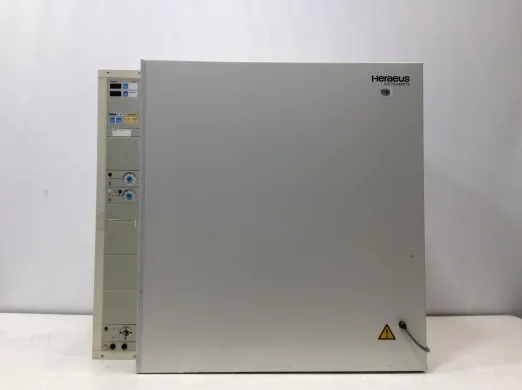
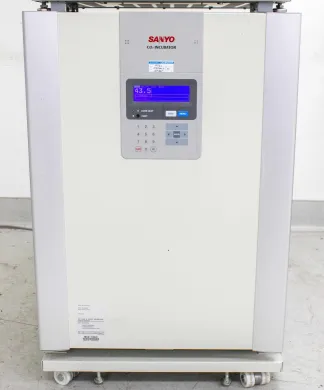
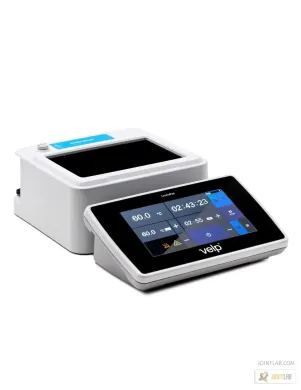
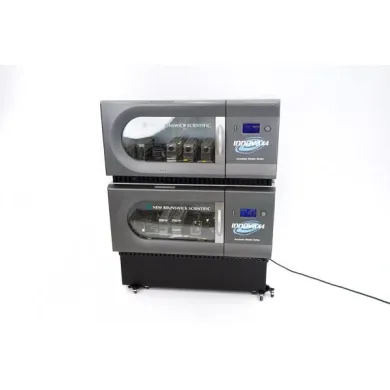
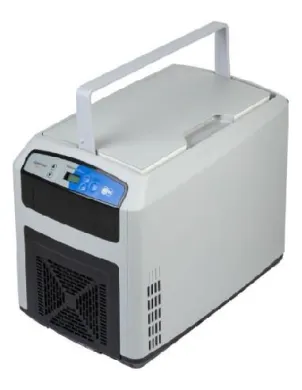
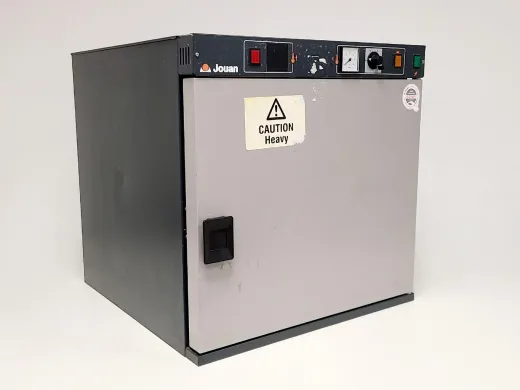
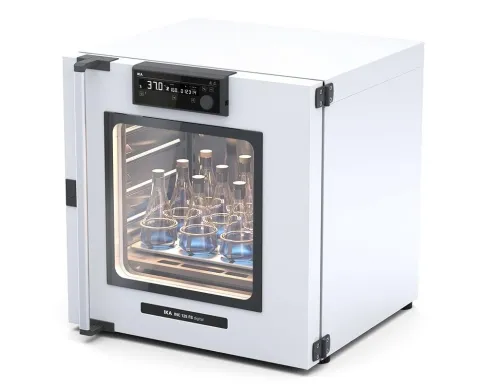
Not the exact instrument you need?
Tell our scientists what you are after. We track it down, including off-market supply.
Showing 1–40 of 1,494 listings
Show 40 more listingsBuying guide
The first thing to settle is what the chamber has to hold at its set point, because that governs every other choice. A microbiology lab incubating plates at 37 degrees Celsius needs stable dry heat and little else; a cell culture lab needs regulated CO2, humidity, and sometimes oxygen control to keep mammalian cultures viable. Those are different instruments with different price tags, and buying a CO2 incubator for bacterial work wastes money while buying a dry-heat unit for tissue culture makes the work impossible. Decide the application before the model, then let temperature range, atmospheric control, and chamber volume follow from it.
Atmospheric control is where cell culture incubators diverge from the rest. A CO2 incubator maintains a set percentage, usually around five percent, to buffer culture media at the correct pH, and the sensor type behind that, infrared or thermal conductivity, affects both accuracy and recovery time after the door opens. Humidity control matters for the same reason, since evaporation shifts media osmolality over a long run. Temperature-controlled incubators without gas regulation are simpler and cheaper, and for many applications that is all the work requires.
On a used unit, the chamber interior and the door seals tell you most of what you need. Ask when the unit was last calibrated and whether a temperature mapping record exists, because a reading at the sensor is not the same as uniformity across the shelves. For a CO2 incubator, the condition of the sensor and the humidity pan matters more than the cabinet itself, and contamination history is worth asking about given how hard a fouled chamber is to recover. Calibration can be verified independently, so an uncalibrated unit is not disqualifying, but it is a cost to factor in.
Price spans a wide range here, from EUR 22 to EUR 64.750, and where a unit sits in that band depends mostly on size and atmospheric capability. Thermo Scientific, Thermo Fisher Scientific, Binder, VWR, Memmert occupy much of the mid and upper range, where parts availability and documentation are easier to come by. What a CO2 incubator costs new puts it beyond many budgets, which is why refurbished units listed for sale are more affordable and make up most of this catalogue. A buyer working to a fixed budget will generally find a used benchtop or temperature-controlled unit well within reach, while new cell culture systems sit at the top of the range.
Types of Incubators
Which incubator types are listed?
Among the listings that specify a type, the catalogue sorts into a few recognisable classes. The general laboratory incubator and the temperature-controlled incubator cover dry-heat work at a stable set point, the kind used for bacterial culture, enzyme reactions, and sample conditioning across microbiology and molecular biology. These units hold temperature without regulating the atmosphere, which keeps them simple and affordable. Benchtop incubators are the same idea in a smaller footprint, chosen where space is tight or throughput is modest.
Cell culture incubators, CO2 incubators, and tissue culture incubators form the second group, built for mammalian cell culture where media pH depends on a regulated CO2 atmosphere. A CO2 incubator serves cell culture, tissue culture, and the cell imaging and protein purification workflows that depend on healthy cultures, and it is the type a lab reaches for in genomics, proteomics, and immunoassay work that starts from living cells. The difference from a plain incubator is the gas and humidity control, and that is what a buyer is paying for.
The brands behind the incubator listings
The most frequently listed makers are Thermo Scientific, Thermo Fisher Scientific, Binder, VWR, Memmert. Their presence shapes what a buyer can expect: these are widely distributed names, so parts, sensors, and door seals are easier to source, and service documentation is more likely to exist for a given model. It also makes models easy to compare, since a lab can line up specifications across units from the same maker and across the market. Thermo Scientific and Memmert in particular appear often enough that a buyer can usually find more than one listing of the same family to weigh against each other.
What a used incubator costs here
New units account for 332 of the listings and used units for 3110, so 90 percent of the catalogue is used. Prices run from EUR 22 to EUR 64.750. That spread covers everything from a small benchtop dry-heat unit at the low end to a large, gas-regulated cell culture system at the top, and the average listing sits at EUR 3.680. Used and refurbished incubators are listed below new prices, which is what makes the upper end of the range accessible to labs that could not otherwise reach it.
Frequently asked questions
What is an incubator?
An incubator is a temperature-controlled enclosure that holds biological samples, cultures, or reactions at a stable set point. Depending on the type, it may also regulate atmospheric conditions such as CO2 and humidity to keep living cells viable.
What does the term incubator mean in a lab context?
In a laboratory, an incubator refers to a chamber that maintains a fixed temperature, and sometimes a fixed gas and humidity level, for growing cultures or running reactions. It is distinct from an oven or a freezer because the goal is to sustain biological activity rather than sterilize or store cold.
How do incubators work?
A heating element and a sensor hold the chamber at a set temperature, with the controller cycling heat to stay on target. Cell culture and CO2 models add a gas injection system and a humidity source so that media pH and osmolality stay stable over long runs.
What types of incubators are there?
The catalogue sorts into general laboratory and temperature-controlled incubators for dry-heat work, benchtop incubators for smaller footprints, and cell culture, CO2, and tissue culture incubators that regulate a gas atmosphere. The dividing line is whether the unit controls only temperature or also gas and humidity.
What are incubators used for?
Dry-heat incubators handle bacterial culture, enzyme reactions, and sample conditioning in microbiology and molecular biology. CO2 and tissue culture incubators support mammalian cell culture and the imaging, protein purification, and immunoassay work that starts from living cells.
How do I choose an incubator?
Decide the application first, since a microbiology lab needs stable dry heat while a cell culture lab needs regulated CO2 and humidity. Once the application is set, temperature range, atmospheric control, and chamber volume follow from it and narrow the model.
What is the difference between a refurbished and a used incubator?
A used unit is sold in its existing condition, while a refurbished unit has been checked and brought back toward working order before listing. Both are listed below new prices; the specific condition and what was done to the unit are described in the individual listing.
How much does an incubator cost?
Prices in the catalogue run from EUR 22 to EUR 64.750, with the average listing at EUR 3.680. Where a unit sits in that band depends mostly on chamber size and whether it controls a gas atmosphere.
Which incubator brands show up most here?
The most frequently listed makers are Thermo Scientific, Thermo Fisher Scientific, Binder, VWR, and Memmert. Because these are widely distributed names, parts and service documentation for their models are easier to find, and a buyer can often compare more than one listing of the same family.
Can I get a warranty on a refurbished incubator?
A warranty is often possible and is arranged in consultation for the specific listing. Because terms are set per listing rather than centrally, the detail to check is on the individual unit you are considering.
Can I get parts for an incubator bought here?
Parts can be sourced via Questpair. For widely distributed brands such as Thermo Scientific and Memmert, components like door seals and sensors are generally easier to find because so many of the same models are in service.
How long does an incubator last?
A well-maintained dry-heat incubator can run for many years, since the heating and control components are simple. CO2 and cell culture units have more wearing parts, such as gas sensors and humidity pans, which affect how long a given unit stays reliable.
Should I buy a new or a refurbished incubator?
Used and refurbished incubators are listed at lower prices than new, which is what makes a gas-regulated cell culture system reachable for many labs. Weigh the two on the individual listing, including its condition and the warranty that is arranged in consultation.
Where can I buy an incubator?
The Questpair catalogue lists incubators from 23 verified suppliers and distributors across 12 countries, in new, used, and refurbished condition. You compare listings directly and contact the seller through the platform.
What are the lead time and shipping like?
Lead time and shipping depend on the individual seller and the unit's location, which can be any of 12 countries represented in the catalogue. These details are confirmed per listing rather than set across the whole catalogue.
How are incubators calibrated and maintained?
Calibration can be verified independently, so an uncalibrated unit is not disqualifying but is a cost to factor in. Ask when a unit was last calibrated and whether a temperature mapping record exists, because a reading at the sensor does not confirm uniformity across the shelves.
Which incubator types are listed most, and who reaches for which?
General laboratory and temperature-controlled incubators cover dry-heat work for microbiology and molecular biology, where only a stable set point is needed. Cell culture, CO2, and tissue culture incubators go to labs running mammalian cultures that depend on a regulated gas atmosphere and humidity.
Which brands dominate this category and what does that mean for a buyer?
Thermo Scientific, Thermo Fisher Scientific, Binder, VWR, and Memmert appear most often. Their frequency means a buyer can usually line up specifications across several listings of the same family, and parts and documentation are more likely to be available for those models.
What separates the cheapest incubators here from the most expensive?
The low end is typically a small benchtop or dry-heat unit that controls temperature only. The high end is a large cell culture or CO2 system that adds gas injection, humidity, and sometimes oxygen control, which is what the extra cost pays for.