

Sample preparation
We personally find you the right used, refurbished and new sample preparation instruments & equipment from verified suppliers.
Sample preparation is the set of laboratory steps that bring a raw specimen into the state an analysis or a reaction requires, covering mixing, thermal cycling, shaking, homogenisation and the handling that precedes measurement. The Questpair catalogue holds 12536 sample preparation listings from 19 verified suppliers and distributors across 19 countries, in new, used and refurbished condition. Of those, 96 percent are used, the remainder new, which tells a buyer at once that this is a market built mainly on second-hand instruments. Prices run from EUR 1 to EUR 387.400, a range that stretches from a single small accessory to a fully equipped automated workstation.
Updated:
Sample preparation product list


Not the exact instrument you need?
Tell our scientists what you are after. We track it down, including off-market supply.
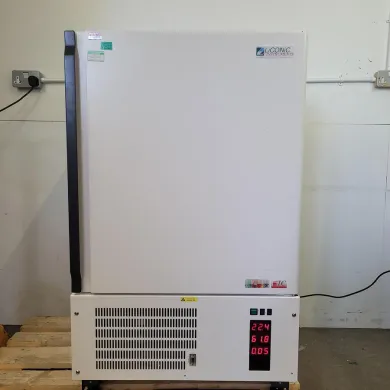
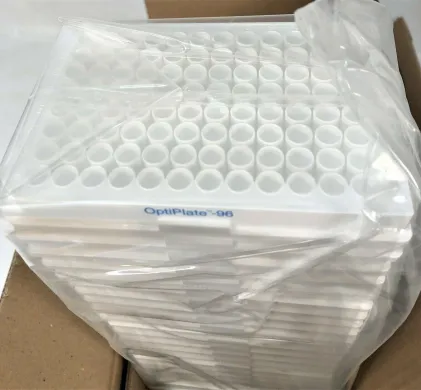
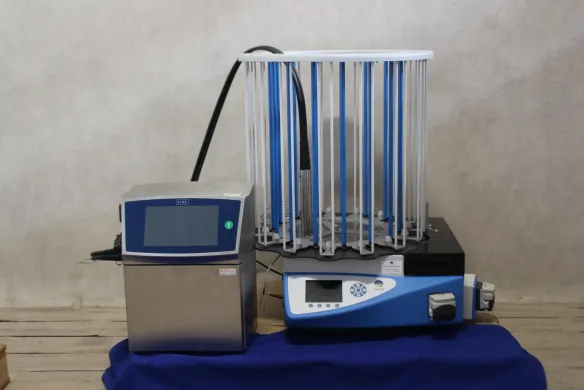
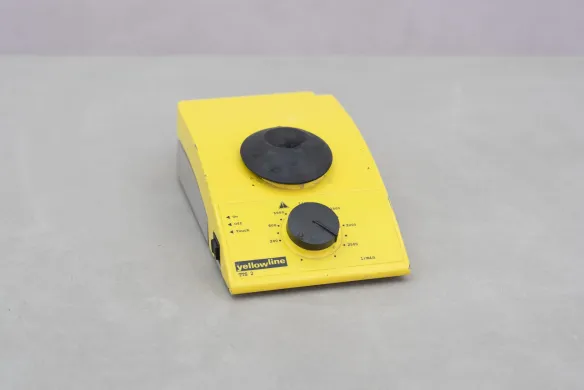

Not the exact instrument you need?
Tell our scientists what you are after. We track it down, including off-market supply.
Showing 1–40 of 5,803 listings
Show 40 more listingsBuying guide
Sample prep covers so many instruments that the first decision is not which brand but which operation the bench actually needs, because a thermal cycler and a laboratory shaker solve unrelated problems and are rarely substitutable. Once that is settled, the specification that decides the purchase falls out of the operation itself. For a thermal cycler it is the block format and ramp rate, since a 96-well plate run and a 384-well run need different hardware and the ramp governs how long a protocol takes. For a laboratory mixer or shaker it is the speed range, the orbit and the load the platform carries, because a flask of viscous culture and a rack of microplates ask for different motion. Match the figure on the datasheet to the throughput the lab runs, not to the headline capability.
On a used unit the verification step is where most of the risk sits, and the checks are specific to the instrument class. A used thermal cycler should have its block uniformity confirmed, because an uneven block produces inconsistent amplification long before it fails outright. A used mixer or shaker needs the drive and the bearings checked, since a worn motor is the common failure and is not obvious from a photograph. Ask the seller what has been tested and request a recent calibration record where one applies; a listing that states its service history is worth more than one that does not, whatever the price difference.
Price here spans almost the whole of what a laboratory ever spends on equipment, and the cost of a given model depends far more on its class than on its condition. Small accessories and basic benchtop mixers sit near the bottom of the range; automated preparation platforms and high-throughput systems from the dominant makers sit near the top. What fits a budget is therefore a question of class first. Across the catalogue, used and refurbished units listed for sale are more affordable than new, which is why the market leans so heavily toward second-hand, and the brands that recur most, Eppendorf, Thermo Scientific, VWR, Thermo Fisher Scientific, Bio-Rad, appear at several price points rather than one. The average listing sits at EUR 4.360, a figure that reflects the mix more than any single typical unit.
Types of Sample preparation
Which sample preparation types are listed?
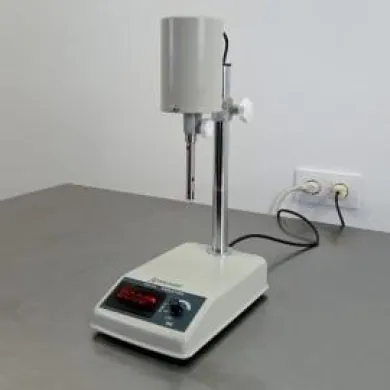
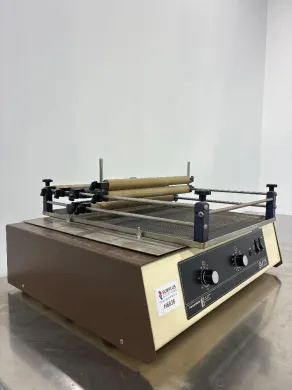
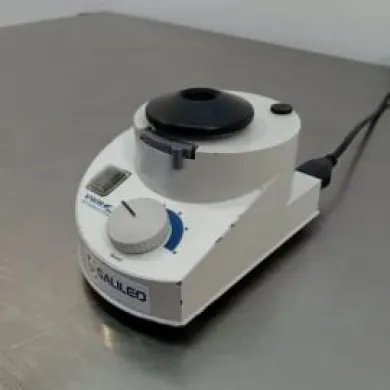
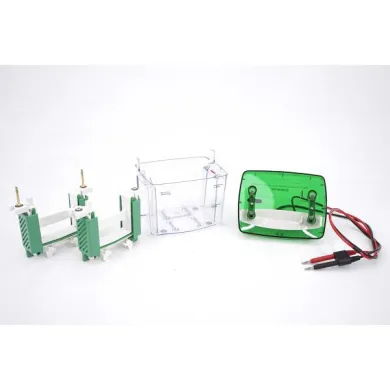
Among the listings that specify a type, the catalogue is led by laboratory mixers and benchtop mixers, which blend, resuspend and homogenise samples before they move to analysis, and are the workhorses of formulation and sample preparation on almost any bench. Laboratory shakers sit alongside them, agitating cultures and reaction mixtures where a mixer's direct action would be too harsh, and they are the standard tool for cell culture and for keeping suspensions uniform during incubation. Thermal cyclers and PCR thermal cyclers form the other large group: these drive PCR, the thermal amplification at the heart of molecular biology, genomics and molecular diagnostics, and they are also used for cDNA synthesis and library preparation ahead of sequencing. The molecular biology equipment entry gathers the broader prep instruments that feed those same workflows, from electrophoresis-adjacent sample handling to protein purification and nucleic acid extraction. A buyer searching for a PCR thermal cycler for genomics, a laboratory shaker for cell culture, or a benchtop mixer for formulation will find each of those classes represented here, and what separates them is less the field than the physical action they perform on the sample.
The brands behind the sample preparation listings
The recurring makers are Eppendorf, Thermo Scientific, VWR, Thermo Fisher Scientific, Bio-Rad. Eppendorf and the two Thermo lines dominate the thermal cycling and small-instrument end, which matters to a buyer in a practical way: these are the models most often listed, so comparing two used units side by side is realistic rather than a one-off. Wide presence also means parts and consumables for these families are easier to source, and resale value holds, since the next buyer recognises the same names. VWR and Bio-Rad broaden the range into shakers, mixers and electrophoresis-adjacent prep, so a bench that standardises on one of these can usually fill several prep steps from a single familiar maker. Parts for any of them can be sourced via Questpair.
What a used sample preparation unit costs here
The condition split is stark: 96 percent of the listings are used, with 511 new units against 12024 used. Prices run from EUR 1 to EUR 387.400, and that spread covers everything from a replacement accessory to a complete automated preparation system, which is why no single figure describes the market. Used and refurbished units are listed below the price of new, and with the catalogue weighted so heavily toward used stock, that is where most of the choice lies. Warranty on any individual listing is arranged in consultation for that unit.
Frequently asked questions
What is sample preparation?
Sample preparation is the set of laboratory steps that bring a raw specimen into the state an analysis or a reaction requires. It covers mixing, thermal cycling, shaking, homogenisation and the handling that comes before measurement.
What does sample preparation mean in practice?
In practice it means putting a sample into a usable form before the main test runs, for example resuspending a pellet, keeping a culture agitated during incubation, or amplifying DNA by PCR. The equipment in this category performs those physical and thermal actions on the sample.
How does sample preparation equipment work?
Each instrument applies a specific action: a mixer blends and homogenises by direct motion, a shaker agitates with a gentler orbital or reciprocating motion, and a thermal cycler heats and cools a block through defined temperature steps. The instrument you choose depends on the operation the sample needs, not on the field of work.
What types of sample preparation equipment are there?
The listed classes include laboratory mixers and benchtop mixers, laboratory shakers, thermal cyclers and PCR thermal cyclers, and broader molecular biology equipment. Mixers and shakers handle blending and agitation, while thermal cyclers drive amplification for molecular workflows.
What is sample preparation equipment used for?
Mixers and shakers blend, resuspend, homogenise and agitate samples before analysis or during incubation. Thermal cyclers run PCR for genomics and molecular diagnostics, and also handle cDNA synthesis and library preparation ahead of sequencing.
How do I choose the right sample preparation instrument?
Decide first which operation the bench needs, since a thermal cycler and a shaker solve unrelated problems and are rarely interchangeable. Then match the specification to your throughput: block format and ramp rate for a cycler, speed range, orbit and platform load for a mixer or shaker.
What is the difference between refurbished and used sample preparation units?
A used unit is sold in its existing condition, while a refurbished unit has been serviced or restored before listing. For either, ask the seller what was tested and request a recent calibration record where one applies; a listing that states its service history gives you more to verify.
How much does sample preparation equipment cost?
Prices in the catalogue run from EUR 1 to EUR 387.400, with the average listing at EUR 4.360. The cost of a given model depends far more on its class than its condition, so a basic benchtop mixer sits near the bottom and an automated preparation platform near the top.
Which brands are worth looking at for sample preparation?
The recurring makers here are Eppendorf, Thermo Scientific, VWR, Thermo Fisher Scientific and Bio-Rad. Eppendorf and the two Thermo lines appear most at the thermal cycling and small-instrument end, while VWR and Bio-Rad extend into shakers, mixers and electrophoresis-adjacent prep.
Is there a warranty on a refurbished sample preparation unit?
A warranty is often possible and is arranged in consultation for the specific listing. Check the individual listing and raise the question with the seller before you buy.
Can I get parts for sample preparation equipment?
Parts can be sourced via Questpair. With Eppendorf, Thermo and the other recurring families widely listed, the parts and consumables for those models are easier to find than for a one-off instrument.
How long does sample preparation equipment last?
Lifespan depends on the class and how hard the unit has been run. A thermal cycler's block and a mixer's drive and bearings are the parts that wear, so confirming block uniformity on a cycler or checking the motor and bearings on a mixer tells you more about remaining life than the age alone.
Should I buy new or refurbished?
Used and refurbished units are listed at lower prices than new, which is why the catalogue leans so heavily toward second-hand stock. Where you weigh the two, look at the individual listing for its tested condition and remember that warranty is arranged in consultation per unit.
Where can I buy sample preparation equipment?
The Questpair catalogue holds 12536 sample preparation listings from 19 verified suppliers and distributors across 19 countries. Stock is available in new, used and refurbished condition.
What is the lead time and shipping on these instruments?
Lead time and shipping depend on the specific listing, its location and the supplier. The catalogue spans suppliers across 19 countries, so confirm timing with the seller of the unit you want.
What calibration and maintenance should I expect?
For a thermal cycler, confirm block uniformity, because an uneven block produces inconsistent amplification before it fails outright. For a mixer or shaker, have the drive and bearings checked, and request a recent calibration record where one applies. Questpair does not perform servicing itself.
Which types are listed most and who reaches for which?
Laboratory mixers and benchtop mixers lead among listings that specify a type, used across formulation and general prep, with laboratory shakers alongside them for cell culture and keeping suspensions uniform. Thermal cyclers and PCR thermal cyclers form the other large group, reached for by genomics and molecular diagnostics work, while molecular biology equipment gathers broader prep instruments like nucleic acid extraction and protein purification.
Which brands dominate this category and what does that mean for me?
Eppendorf and the two Thermo lines dominate the thermal cycling and small-instrument end, so comparing two used units side by side is realistic rather than a one-off. That wide presence also means parts and consumables are easier to source and resale value holds, since the next buyer recognises the same names. VWR and Bio-Rad broaden the range into shakers and mixers, so a bench can standardise several prep steps on one maker.
What separates the bottom of the price band from the top here?
At the bottom sit small accessories and basic benchtop mixers; at the top sit automated preparation platforms and high-throughput systems from the recurring makers. The class of instrument drives the price far more than condition does, so what fits a budget is a question of which operation you need first.