

Biological safety cabinets
We personally find you the right used, refurbished and new biological safety cabinets instruments & equipment from verified suppliers.
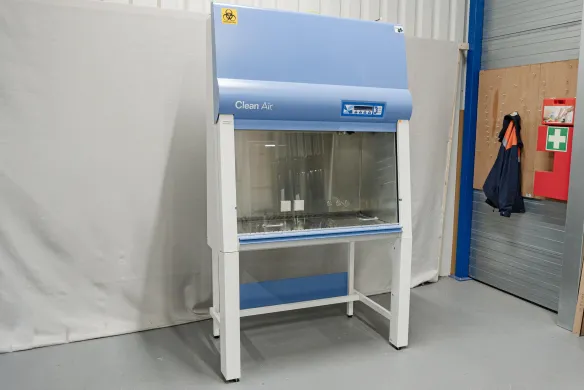
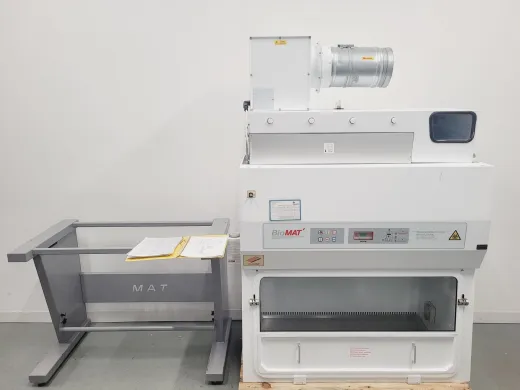
Biological safety cabinets are ventilated enclosures that protect the operator, the sample and the surrounding laboratory from exposure to infectious agents and aerosols generated during microbiological work. On the Questpair catalogue, 1970 biological safety cabinets are listed from 20 verified suppliers and distributors across 10 countries, and 96 percent of those listings are used. New, used and refurbished units all appear, with laboratory models ranging from compact benchtop clean benches to large Class II enclosures. Prices run from EUR 24 to EUR 258.267. The distinction between a true safety cabinet and a laminar flow hood matters here, because only the former protects the person working at it.
Updated:
Biological safety cabinets product list
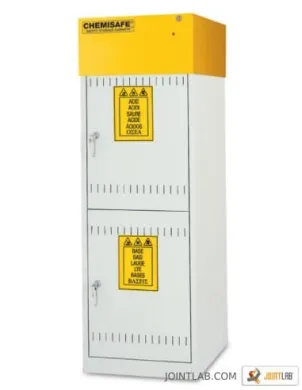


Not the exact instrument you need?
Tell our scientists what you are after. We track it down, including off-market supply.
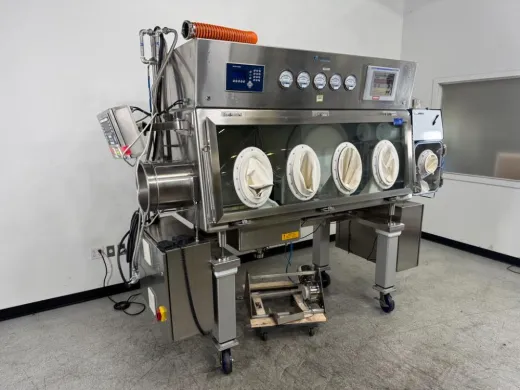
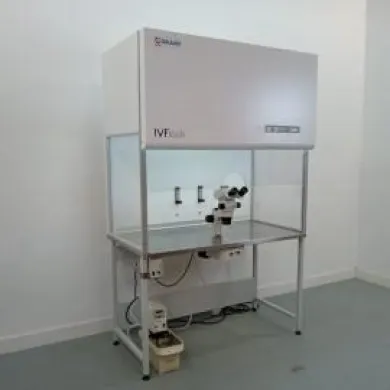
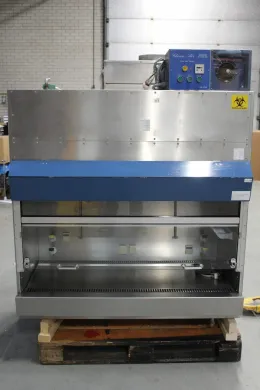
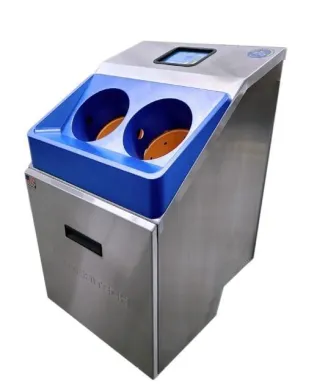
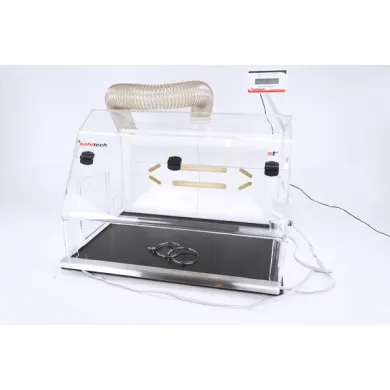
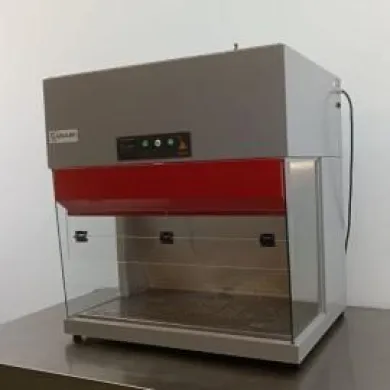
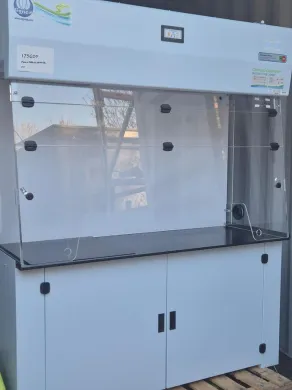
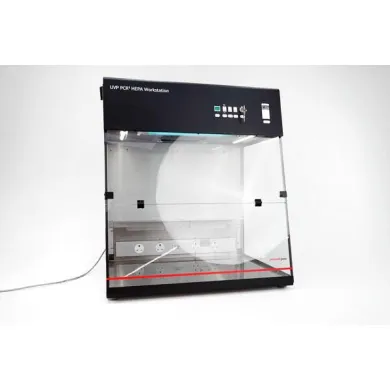
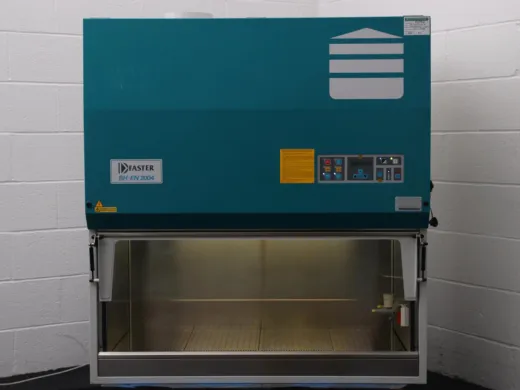
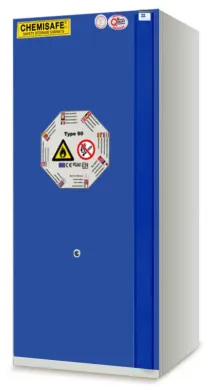
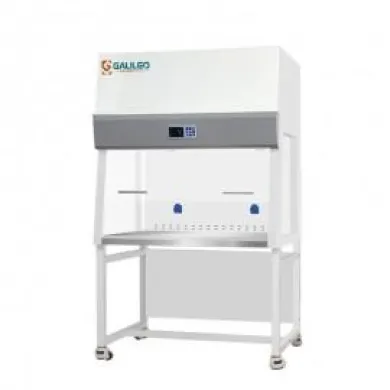
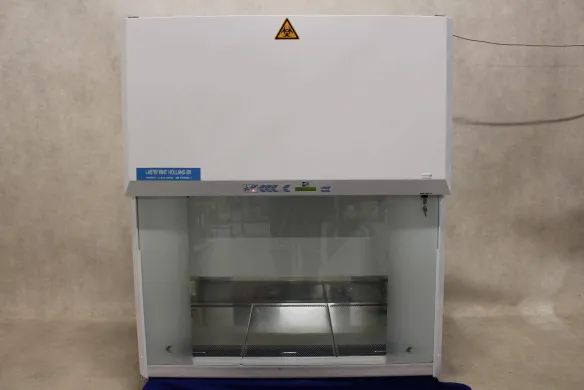
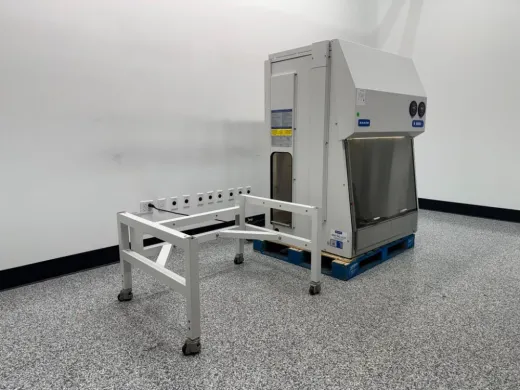
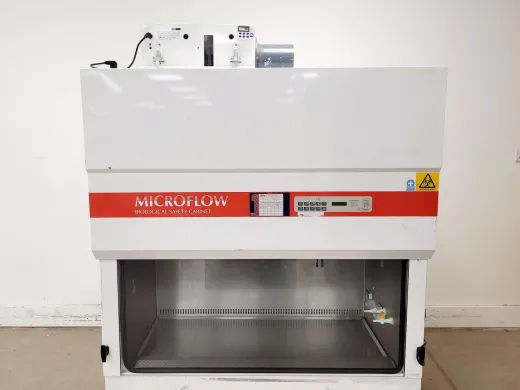
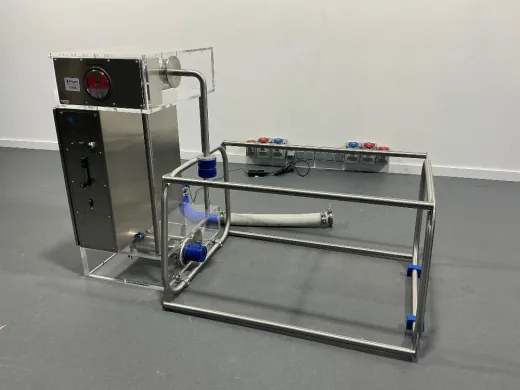
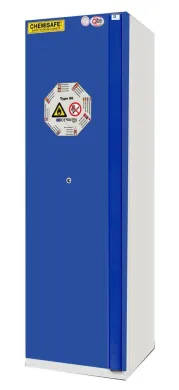
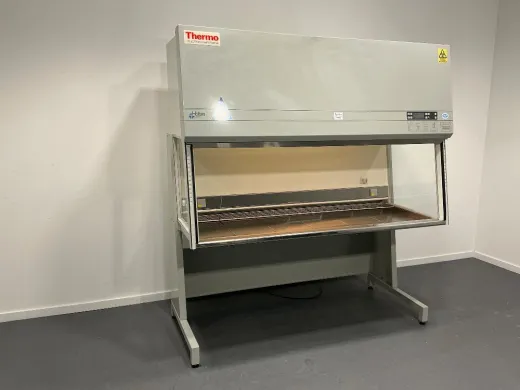
Not the exact instrument you need?
Tell our scientists what you are after. We track it down, including off-market supply.
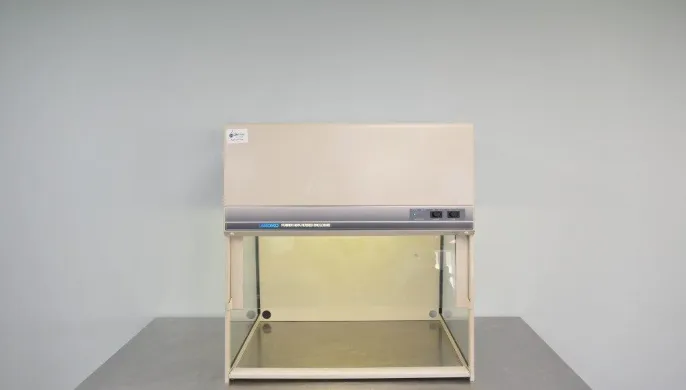
Showing 1–40 of 627 listings
Show 40 more listingsBuying guide
The containment class settles the purchase before anything else, because it decides what the cabinet protects and what it does not. A Class II cabinet draws room air through a front grille, filters the downflow over the work surface through a HEPA filter, and exhausts filtered air, so it protects the operator, the sample and the environment at once. A laminar flow clean bench pushes filtered air out toward the operator and protects only the sample, which makes it wrong for any infectious material however clean the bench looks. Read the class on the listing first; everything that follows depends on it.
On a used cabinet the airflow is the thing to verify, not the cosmetics. A biosafety cabinet is only as safe as its last certification, and the HEPA filters, the blower and the inflow velocity drift over years of service. Ask what the cabinet was last used for, whether the filters have been changed, and whether a recent field certification exists. A unit sold as working is not the same as a unit certified to the relevant standard, and recertification after installation is a cost a buyer should price in from the start. The sash mechanism, the alarm and the UV lamp are secondary; the filtration and the measured face velocity are what keep the work safe.
Price here spans a wide field, and the class and size explain most of the spread. What a compact clean bench costs sits near the floor of the range, while a large double-width Class II cabinet with fresh filters sits far higher. Prices run from EUR 24 to EUR 258.267, with an average around EUR 3.107. A buyer working to a fixed budget will find that used units, which make up the bulk of the catalogue, are listed well below new, and refurbished cabinets for sale offer a more affordable route into the larger enclosures than buying new. The brands that dominate the listings, among them Thermo Fisher Scientific, Labconco, Thermo Scientific, NuAire, Baker, hold their value and keep parts available, which matters more on a cabinet that has to pass certification than on most laboratory equipment.
Types of Biological safety cabinets
Which biological safety cabinet types are listed?
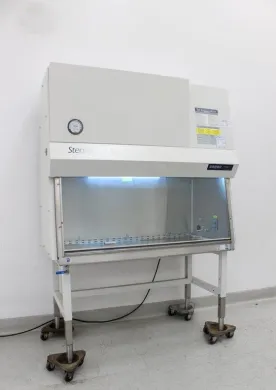
Among the listings that specify a type, the catalogue divides into a few recognisable groups. The Class II biosafety cabinet is the common workhorse of microbiology and tissue culture: it combines operator, product and environmental protection, which is why most cell culture and molecular biology benches run on one. These cabinets serve work with infectious agents, primary cell lines and anything requiring biocontainment, and they are the standard enclosure for aseptic handling in a microbiology or virology laboratory.
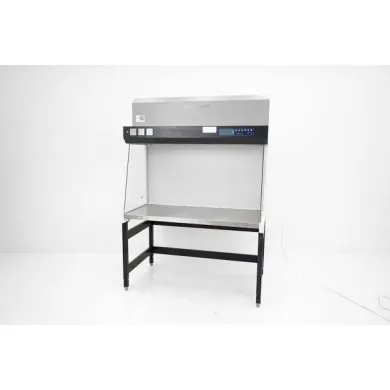
A laminar flow hood, sometimes catalogued as a clean bench, is a different machine despite the similar look. It protects only the sample by bathing the work surface in filtered air that flows toward the operator, so it suits media preparation, electronics assembly and other sterile work where nothing hazardous is handled. It offers no operator protection and must never substitute for a true safety cabinet.
The terms microbiological safety cabinet and biosafety cabinet describe the same containment equipment under European and American naming, and both appear across the listings. Where a listing names a class, that class, rather than the brand or the size, tells a buyer what the enclosure can and cannot be used for.
The brands behind the biological safety cabinet listings
The listings concentrate around a handful of established makers: Thermo Fisher Scientific, Labconco, Thermo Scientific, NuAire, Baker. For a buyer, that concentration is useful. A model from a dominant maker is easier to compare against another unit of the same line, filters and spare parts stay available through the market rather than becoming obsolete, and a recent certification history is easier to interpret on a known chassis. These are also the brands whose cabinets hold resale value, so a used purchase from one of them carries less risk of becoming unserviceable than an unfamiliar enclosure at a lower price.
What a used biological safety cabinet costs here
Used units dominate the catalogue, 96 percent of the listings, against a smaller stock of new cabinets. Prices run from EUR 24 to EUR 258.267. That range covers everything from a small clean bench to a large, recently certified Class II enclosure, which is why the span is so wide. A buyer should read the price alongside the class, the width and the certification status rather than on its own, since a low figure often reflects a cabinet that will need recertification before it can return to service.
Frequently asked questions
What is a biological safety cabinet?
It is a ventilated enclosure that protects the operator, the sample, and the surrounding laboratory from aerosols produced while handling infectious or hazardous biological material. Air passes through HEPA filters before it can reach the user's breathing zone.
What does biological safety cabinet mean, is it the same as a fume hood?
No. A fume hood protects the user from chemical vapours but does not filter particulates, while a biological safety cabinet uses HEPA filtration to contain biological aerosols. The two are not interchangeable for pathogen work.
How do biological safety cabinets work?
A blower draws room air through a HEPA filter, then either recirculates it inside the chamber or exhausts it through a second HEPA filter. The filtered airflow keeps contaminated particles from the operator while, in Class II units, also bathing the work surface in clean air to protect the sample.
What types of biological safety cabinets are there?
The catalogue separates protective cabinets from clean benches. True biosafety cabinets, including Class II microbiological safety cabinets, exhaust or recirculate through HEPA filtration and protect the operator, while a laminar flow hood or clean bench pushes filtered air toward the user and protects only the sample.
What is a biological safety cabinet used for?
It is used for cell culture, microbiology, work with cell lines, immunoassay preparation, and molecular biology sample handling where open vessels would shed aerosol. Class II cabinets also appear in biomanufacturing and early bioprocessing where a sterile field protects the product.
How do I choose the right biological safety cabinet?
Match the cabinet class to the biosafety level of your agents, then size the enclosure to your work and bench space. Confirm whether you need recirculating or fully exhausted filtration, since that affects both installation and the airflow specification you must certify.
What is the difference between refurbished and used cabinets?
A used cabinet is sold in its existing condition, while a refurbished one has been reconditioned before sale. On either, the airflow certification is what matters in service, so confirm the unit against a recent airflow test regardless of label.
How much does a biological safety cabinet cost?
Prices across this category range from EUR 24 to EUR 258.267, with an average around EUR 3.107. The spread reflects enclosure size and filtration specification, from small clean benches to large HEPA-exhausted Class II cabinets.
Which brands are listed for biological safety cabinets?
The most frequently listed makers are Thermo Fisher Scientific, Labconco, Thermo Scientific, NuAire, and Baker. These names recur across the 20 verified suppliers and distributors in the catalogue.
Can I get a warranty on a refurbished cabinet?
A warranty is often possible and is arranged in consultation for the specific listing. Check the individual listing for what the seller offers on that unit.
Can I get replacement parts like filters and blowers?
Parts can be sourced via Questpair. Filters, blowers, and sash components for widely sold lines tend to be easier to find because many units of the same model are in circulation.
How long does a biological safety cabinet last?
A cabinet can run for many years provided the HEPA filters are replaced on schedule and the blower stays within specification. Service life depends more on filter condition and airflow performance than on calendar age.
Should I buy new or refurbished?
Used and refurbished cabinets are listed at lower prices than new units. On a used unit the airflow certification carries over between owners, so confirm it against a recent airflow test and check the individual listing for warranty terms, which are arranged in consultation.
Where can I buy a biological safety cabinet?
The Questpair catalogue holds 1970 listings from 20 verified suppliers and distributors across 10 countries. New, used, and refurbished units are all listed.
What are the lead time and shipping like?
Lead time and shipping depend on the seller, the cabinet's size, and its origin among the 10 countries represented. A large Class II cabinet is heavy and may need freight handling, so timing is set per listing.
What does calibration and maintenance involve?
Maintenance centres on scheduled HEPA filter replacement and an airflow test that confirms face velocity and downflow are within specification. This airflow certification is what determines whether the cabinet is safe to put into service.
Which cabinet types are listed most and who buys which?
Among listings that specify a type, the Class II microbiological safety cabinet dominates, reached for by cell culture, microbiology, and molecular biology benches. Laminar flow hoods and clean benches appear for sample-protection work only and are chosen by labs that handle no pathogens.
Which brands dominate the listings and what does that mean for a buyer?
Thermo Fisher Scientific, Labconco, Thermo Scientific, NuAire, and Baker appear most often. A maker with a deep installed base means multiple units of the same model turn up, which gives a reference point for condition and price and makes filters and blowers easier to source.
What separates the cheapest cabinets here from the most expensive?
The bottom of the band is small clean benches that filter air toward the sample and offer no personnel protection. The top is large, fully HEPA-exhausted Class II cabinets sized for pathogen handling, so the difference is enclosure size and filtration specification rather than condition.