
Thermal analysis
We personally find you the right new, used and refurbished thermal analysis instruments & equipment from verified suppliers.
Thermal analysis is a group of laboratory techniques that measure how a material's physical properties change as a function of temperature, under a controlled heating or cooling programme. The category spans the instruments that run these measurements, differential scanning calorimeters, thermogravimetric analysers, and the furnaces that supply controlled heat, alongside the heat treatment equipment used to condition samples beforehand. New, used and refurbished units are listed in the Questpair catalogue, and 81 percent of the listings are used. Prices range from EUR 20 to EUR 81.785. The spread reflects how different these instruments are from one another, from a bench furnace to a fully instrumented calorimeter.
Updated:
Thermal analysis product list


Not the exact instrument you need?
Tell our scientists what you are after. We track it down, including off-market supply.
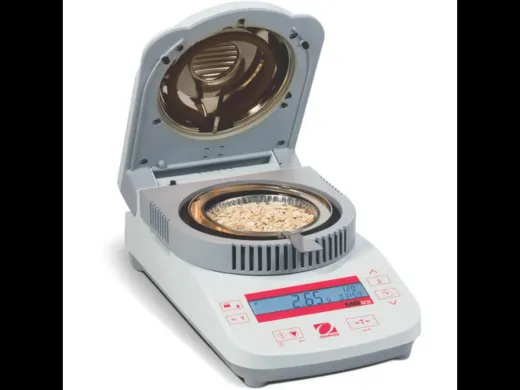
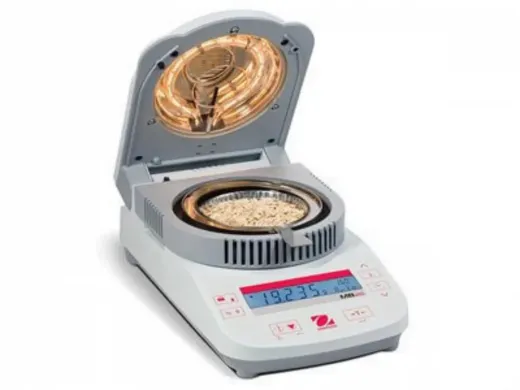
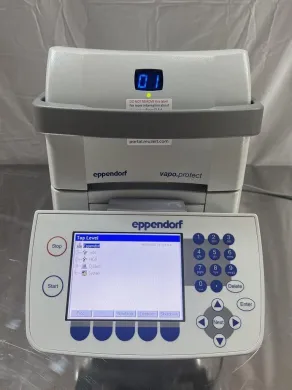
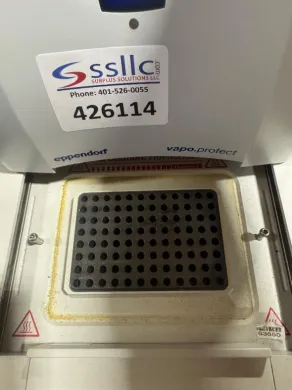
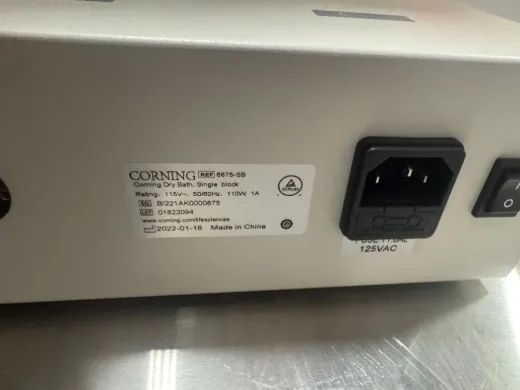
Not the exact instrument you need?
Tell our scientists what you are after. We track it down, including off-market supply.
Showing 1–40 of 97 listings
Show 40 more listingsBuying guide
The measurement a technique produces is what settles the first choice, because the instruments in this field do genuinely different things. A differential scanning calorimeter tracks heat flow into or out of a sample and resolves melting points, glass transitions and reaction enthalpies. A thermogravimetric analyser tracks mass against temperature and tells you about moisture, decomposition and filler content. A furnace supplies controlled heat without measuring the sample's response at all. Decide which property you need to quantify, and much of the rest follows from it, including the temperature range, the atmosphere control, and the sample size the instrument accepts.
On a used unit the condition questions turn on the parts that wear and the parts that drift. For a furnace, the heating elements and the insulation lining degrade with cycling, and a replacement element is a known cost rather than a fault, so ask how many hours the unit has run and whether it still reaches its rated temperature. For a calorimeter or a thermogravimetric analyser, the balance and the temperature sensor are what determine whether the data can be trusted, and both drift over time. Calibration standards are inexpensive and the procedure is routine, so a unit that has not been calibrated recently is not disqualified, but you should budget for recalibration and confirm that the control software and the sensor are intact. Parts for these instruments can be sourced via Questpair, which matters more here than in simpler equipment categories.
What a unit costs here covers an unusually wide band, and the reason is the range of equipment the category holds. A simple bench furnace sits near the bottom, a research-grade calorimeter or a dual-mode thermal analyser near the top, with the average well below the maximum because the furnaces are more numerous than the instrumented analysers. A buyer working to a fixed budget will find that condition moves the figure as much as capability does: used and refurbished units are listed for sale at lower prices than new, and for a furnace in particular the saving is substantial because the technology is mature and a serviced older unit performs to the same specification. The brands that occupy the band are worth checking against your budget before you narrow the search, because the instrumented end of the category clusters around a few makers while the furnace end is more fragmented.
Types of Thermal analysis
Which thermal analysis instruments are listed?
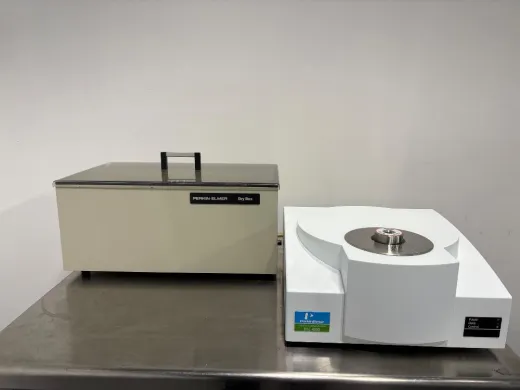
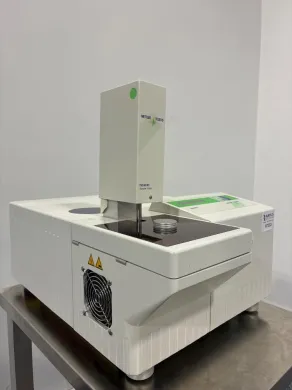
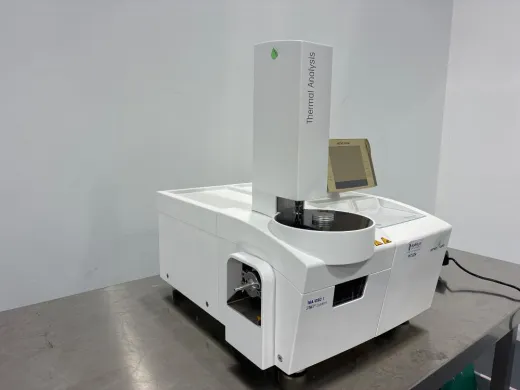
Among the listings that specify a type, the category divides into instruments that measure a sample's response to heat and equipment that simply supplies controlled heat. Differential scanning calorimeters and thermogravimetric analysers sit in the first group. A differential scanning calorimeter measures heat flow and resolves the transitions a material passes through, and it is the standard instrument for thermal characterisation in polymer science, pharmaceutical formulation and materials research. Thermogravimetric analysers measure mass change against temperature and are used for compositional analysis and stability testing. Both are central tools in materials characterisation and are also used in bioprocessing and biomanufacturing to confirm the thermal stability of formulated biologics, where differential scanning calorimetry for protein stability is a routine assay in protein purification workflows and biologics development.
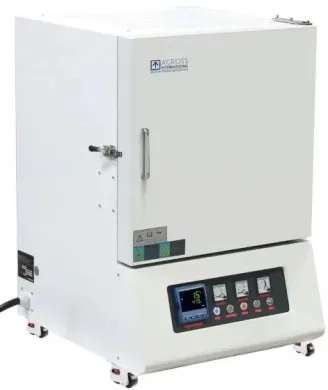
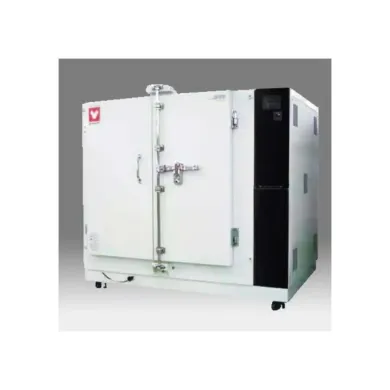
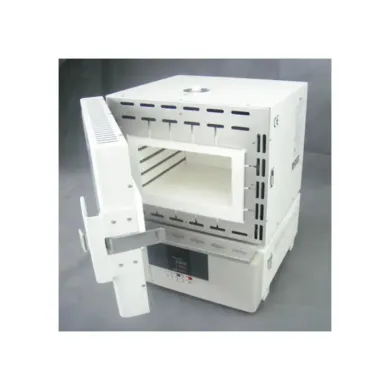
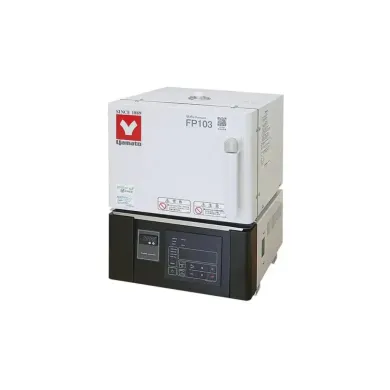
The second group is the furnaces: high-temperature furnaces, laboratory furnaces and heat treatment furnaces. These supply a controlled thermal environment rather than recording a measurement, and they serve sample preparation, ashing, sintering and the conditioning of materials before analysis. A general thermal analysis instrument, listed without a more specific type, rounds out what the catalogue holds.
The brands behind the thermal analysis listings
The instrumented end of the category clusters around a small set of makers, led by TA Instruments, Snol, Eppendorf, Bio-Rad, PerkinElmer. For a buyer, that concentration is useful: parts and consumables for the dominant instrument brands are easier to source, documented specifications are easier to find, and one model can be compared against another on the same terms. The furnace end of the category is more fragmented, which widens the price band but also means a serviced older unit from a specialist maker can represent good value. Across the whole category the catalogue lists 18 verified suppliers and distributors across 9 countries.
What a used thermal analysis instrument costs here
The catalogue holds 179 listings, of which 81 percent are used. Prices range from EUR 20 to EUR 81.785, with an average of EUR 8.051. That spread covers everything from a bench furnace to a fully instrumented research calorimeter, and the average sits well below the maximum because the simpler furnaces outnumber the high-end analysers. Used and refurbished units are listed at lower prices than new, and for the mature furnace designs in particular that difference is large.
Frequently asked questions
What is thermal analysis?
Thermal analysis is a group of laboratory techniques that measure how a material's physical properties change as temperature is raised or lowered under a controlled programme. The category covers both the instruments that run these measurements and the furnaces that supply controlled heat for sample conditioning.
What does thermal analysis mean in practice?
In practice it means heating or cooling a sample along a defined temperature profile while an instrument records a property such as heat flow or mass. The recorded curve reveals transitions like melting, decomposition or moisture loss that identify or characterise the material.
How does thermal analysis work?
A sample is placed in an instrument that applies a programmed heating or cooling rate while a sensor tracks one property against temperature or time. A differential scanning calorimeter measures heat flow, a thermogravimetric analyser measures mass change, and a furnace simply supplies the controlled thermal environment.
What types of thermal analysis equipment are there?
The listings divide into instruments that measure a sample's response to heat, such as differential scanning calorimeters and thermogravimetric analysers, and equipment that supplies controlled heat, such as high-temperature furnaces, laboratory furnaces and heat treatment furnaces. A general thermal analysis instrument listed without a more specific type also appears in the catalogue.
What is thermal analysis used for?
It is used for thermal characterisation in polymer science, pharmaceutical formulation and materials research, for compositional and stability testing, and for confirming the thermal stability of formulated biologics. Furnaces in the category serve sample preparation, ashing, sintering and conditioning of materials before analysis.
How do I choose the right thermal analysis instrument?
Start from the property you need to quantify: heat flow points to a differential scanning calorimeter, mass change to a thermogravimetric analyser, and controlled heating alone to a furnace. The temperature range, atmosphere control and accepted sample size follow from that first choice.
What is the difference between refurbished and used thermal analysis equipment?
A used unit is sold in its existing condition, while a refurbished unit has been serviced and checked before sale. Both are listed at lower prices than new, and for mature furnace designs the difference between the two often comes down to whether heating elements and calibration have been attended to.
How much does a thermal analysis instrument cost?
Listings in the Questpair catalogue range from EUR 20 to EUR 81.785, with an average of EUR 8.051. The spread reflects the distance between a simple bench furnace and a fully instrumented research calorimeter.
Which brands make thermal analysis equipment?
The instrumented end of the category clusters around TA Instruments, Snol, Eppendorf, Bio-Rad and PerkinElmer. The furnace end is more fragmented, with specialist makers represented across the listings.
Can I get a warranty on a refurbished unit?
A warranty is often possible and is arranged in consultation for the specific listing. The terms depend on the individual unit and seller rather than a central policy.
Are parts available for these instruments?
Parts can be sourced via Questpair, which matters more here than in simpler equipment categories because calorimeters, analysers and furnaces all have wear and drift components. For the dominant instrument brands, consumables and documented specifications are generally easier to find.
How long does a thermal analysis instrument last?
Lifespan depends on the type and how heavily it has been cycled. Furnace heating elements and insulation degrade with use and are replaceable, while a calorimeter's balance and temperature sensor determine data quality over the longer term and can be recalibrated.
Should I buy new or refurbished?
Used and refurbished units are listed at lower prices than new, and for mature furnace designs the saving is substantial because a serviced older unit performs to the same specification. Weigh the two on the individual listing, and note that warranty is arranged in consultation rather than assumed.
Where can I buy thermal analysis equipment?
The Questpair catalogue lists 179 listings from 18 verified suppliers and distributors across 9 countries. New, used and refurbished units are all represented.
What are the lead time and shipping like?
Lead time and shipping depend on the individual listing, the seller's location and whether the unit ships from one of the 9 countries represented. The specifics are confirmed per listing with the supplier.
What calibration and maintenance do these instruments need?
Calibration standards are inexpensive and the procedure is routine, so a unit that has not been calibrated recently is not disqualified, but budget for recalibration before relying on its data. For a calorimeter or thermogravimetric analyser, confirm the balance, the temperature sensor and the control software are intact; for a furnace, check whether it still reaches its rated temperature.
Which types in this category are most listed, and who reaches for which?
Among listings that specify a type, furnaces outnumber the instrumented analysers, which is why the average price sits well below the maximum. Materials and polymer labs and pharmaceutical formulators reach for differential scanning calorimeters and thermogravimetric analysers, while labs needing ashing, sintering or sample conditioning reach for high-temperature, laboratory and heat treatment furnaces.
Which brands dominate this category, and what does that mean for a buyer?
The instrumented end clusters around a small set of makers including TA Instruments, PerkinElmer, Eppendorf and Bio-Rad, while furnaces come from a wider range of specialists. For a buyer, concentration at the instrument end makes parts and specifications easier to source and models easier to compare, while the fragmented furnace end widens the price band and can put a serviced older unit at good value.
What separates the cheapest listings from the most expensive?
The bottom of the band is occupied by simple bench furnaces with mature, well-understood designs, while the top holds research-grade calorimeters and dual-mode analysers with sensors, software and atmosphere control. Condition moves the figure as much as capability does, since used and refurbished units are listed below new across both ends.