

Mass spectrometers
We personally find you the right used, refurbished and new mass spectrometers instruments & equipment from verified suppliers.
Mass spectrometers are analytical instruments that measure the mass-to-charge ratio of ionised molecules, identifying and quantifying the compounds in a sample from the pattern of ions they produce. They sit at the centre of modern analytical chemistry, from drug metabolite screening to environmental residue work and protein sequencing. The Questpair catalogue holds 791 listings in this category, offered by 18 verified suppliers and distributors across 9 countries. Of those listings, 99 percent are used. New, used and refurbished units all appear, and prices range from EUR 1 to EUR 258.267, so both a single ion source and a complete analyser reach the same catalogue.
Updated:
Mass spectrometers product list
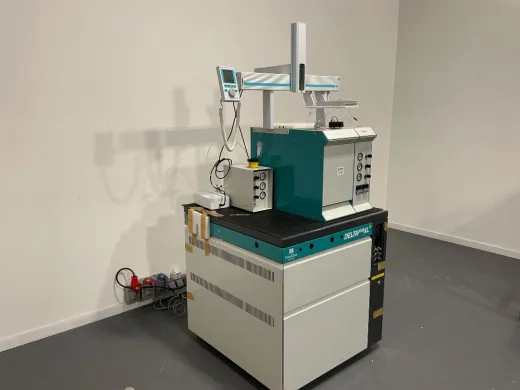
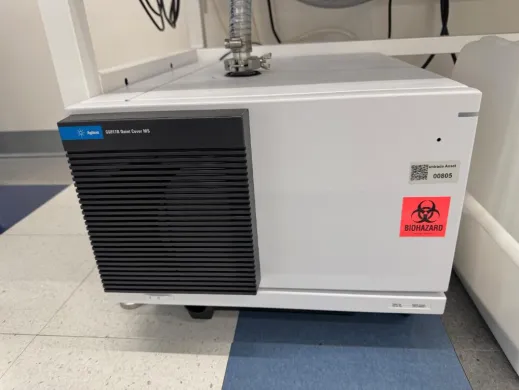


Not the exact instrument you need?
Tell our scientists what you are after. We track it down, including off-market supply.
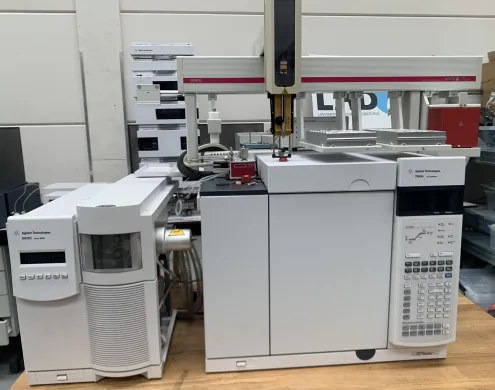
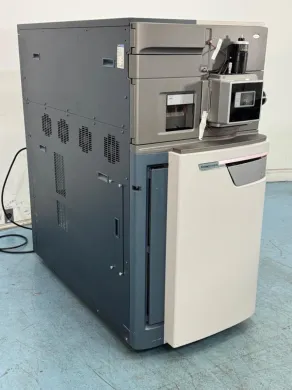
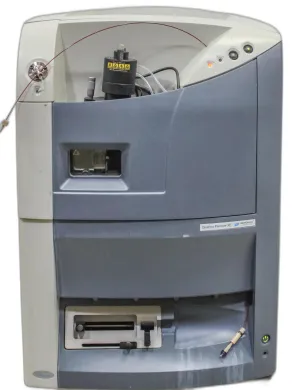
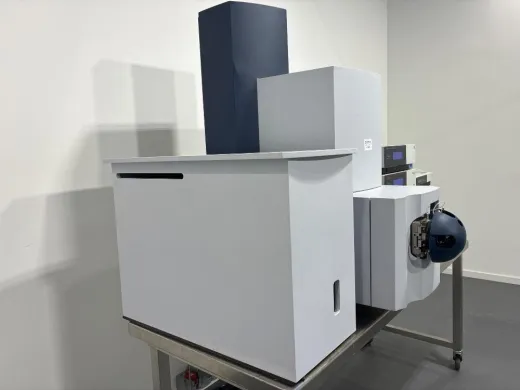
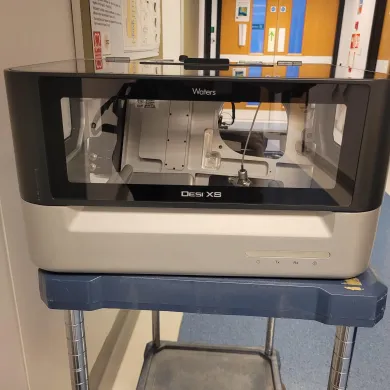
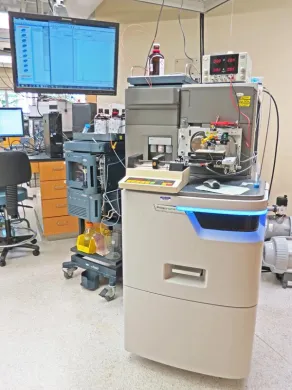
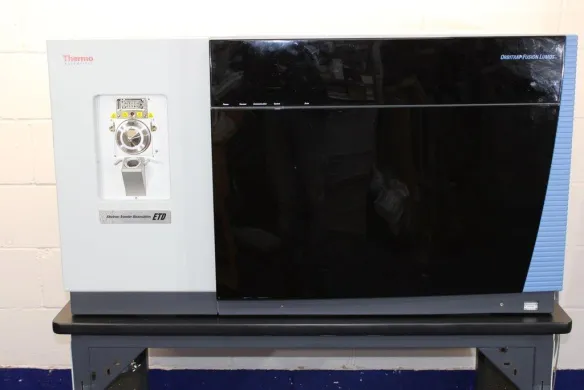
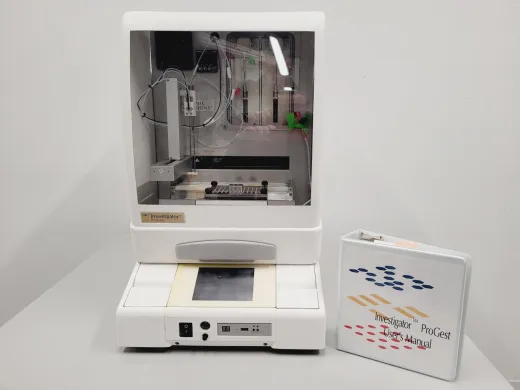
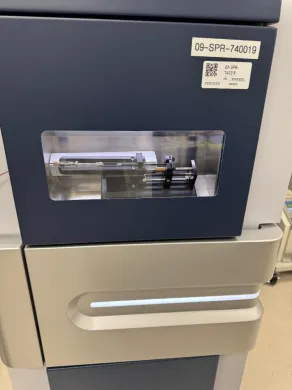
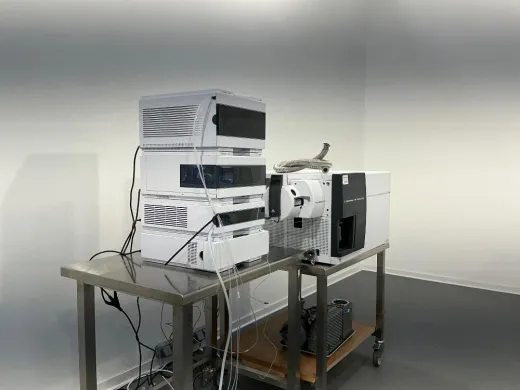
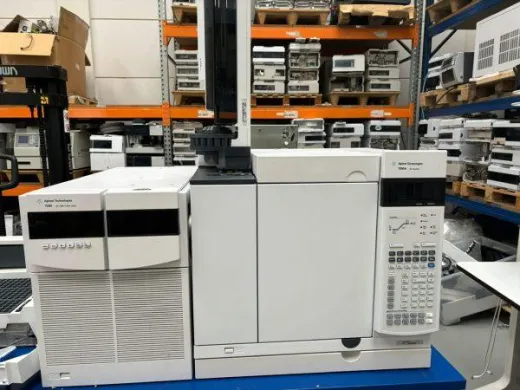
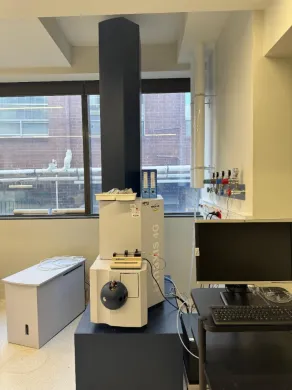
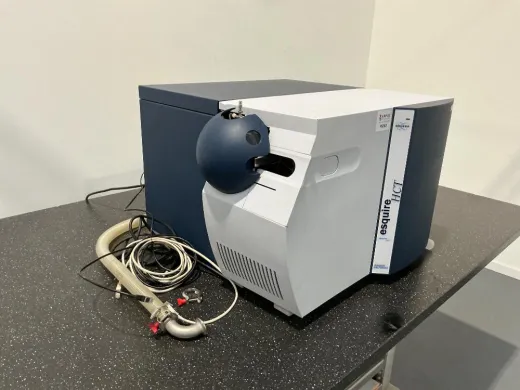
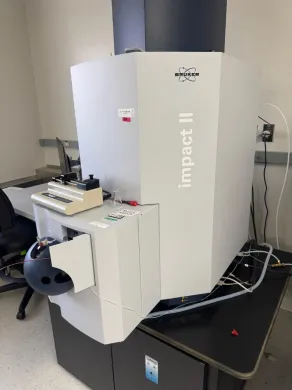
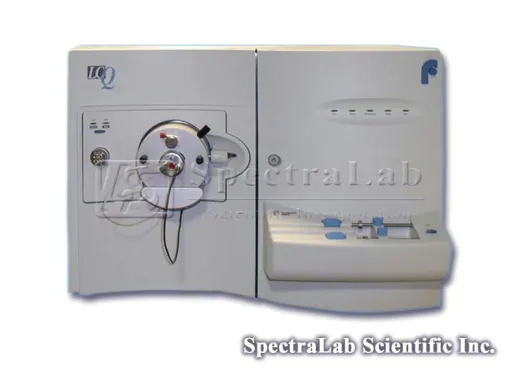
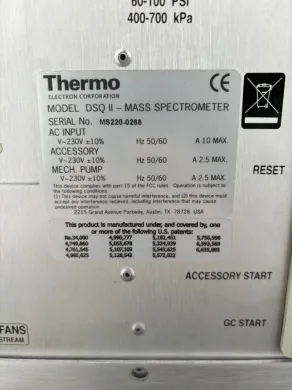
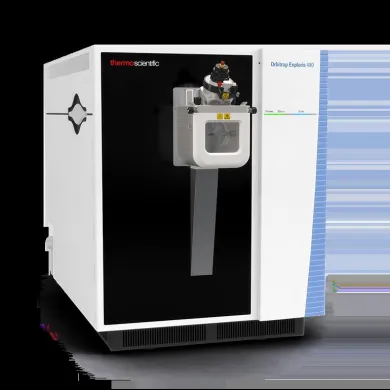
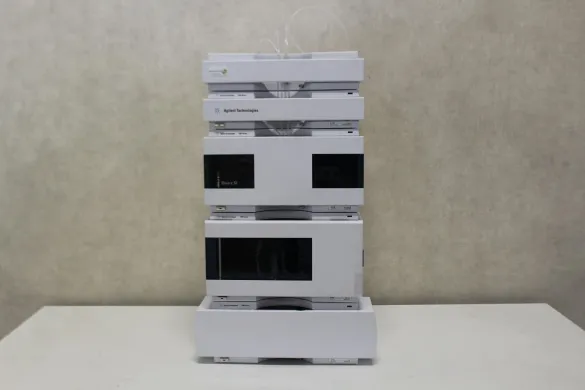
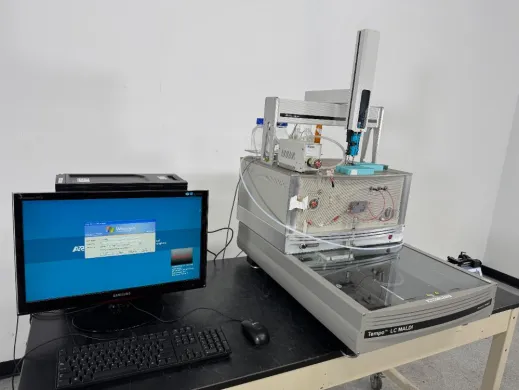
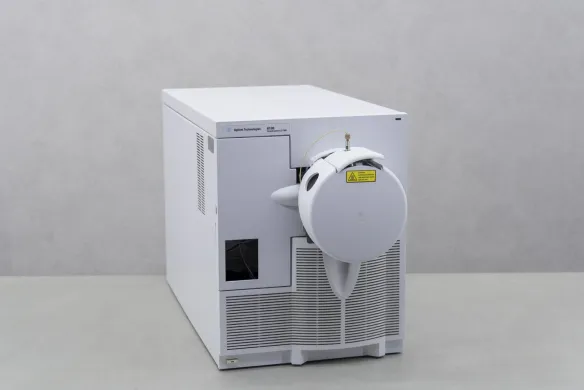
Agilent 6130 Quadrupole LC/MS System (G6130A)
- Category
- Hplc systems
- Brand
- Agilent
- Suppliers
- 1 verified
Not the exact instrument you need?
Tell our scientists what you are after. We track it down, including off-market supply.
Showing 1–40 of 409 listings
Show 40 more listingsBuying guide
What a mass spectrometer is for settles almost everything else, so decide the target application before reading a single specification. A triple quadrupole configured for targeted quantitation answers a different question from a high-resolution instrument built to find unknowns, and the two are not interchangeable at any price. Sensitivity, mass accuracy and the ion source all follow from whether the work is screening known compounds against a method or characterising something the lab has not seen. A buyer who fixes the analytical question first can then read a datasheet for the one or two figures that matter rather than being impressed by all of them.
On a used instrument, the specification on paper matters less than what the hardware has been through. Ask for the running hours on the detector and the turbo pumps, the state of the ion source and the quadrupole or flight tube, and whether the vacuum has held. A mass spectrometer is a system of consumable parts around a precision analyser, and a figure of merit quoted when the unit was new says nothing about where those parts sit now. Where a model needs recalibration or a source clean before it will meet its stated figures, that is work to budget for, not a reason to walk away. Parts can be sourced via Questpair when a unit needs them.
The price band here is wide, which reflects how much of the catalogue is used. Running from EUR 1 at the accessory end to EUR 258.267 for a complete high-resolution system, the figures cover everything from an ion-source component to a working analyser with its data station. The average sits near EUR 21.300. Most of what a modest budget will cost here is a used bench instrument from one of the larger makers, where a model that was common when new is easier to compare across listings and to find parts for later. Refurbished and used units are listed for sale below the price of new, and where a warranty matters it is arranged in consultation for the specific listing. The brands that dominate, led by Thermo Scientific, Agilent, Thermo Fisher Scientific, Thermo, Waters, are the ones a buyer will find most often offered for sale and most straightforward to value.
Types of Mass spectrometers
Which mass spectrometer types are listed?
Among the listings that specify a type, the catalogue runs from general analytical instruments through to specialised analysers. A plain mass spectrometer, the most common entry, covers bench and floor units sold as a working measurement system. A high-resolution mass spectrometer separates ions of nearly identical mass, which is what lets a lab assign an elemental formula rather than just a nominal mass, so it reaches for untargeted work and structural confirmation. A triple quadrupole mass spectrometer is built for the opposite job, following a known precursor-to-product transition for sensitive quantitation of a compound the method already names. Mass spectrometry accessories cover the ion sources, pumps and inlet parts that keep any of these running. Many of these instruments do proteomics and metabolomics, mapping proteins and small-molecule profiles in cell culture and tissue, and the high-resolution and triple quadrupole designs are also used for molecular diagnostics and for residue analysis in bioprocessing and biomanufacturing streams. Hyphenated designs that pair the analyser with chromatography carry much of the clinical and pharmaceutical workload, where LC-MS proteomics and protein characterisation sit beside targeted assay development.
The brands behind the mass spectrometer listings
The names that recur, led by Thermo Scientific, Agilent, Thermo Fisher Scientific, Thermo, Waters, shape what a buyer can actually do with a listing. A model from one of the larger makers is easier to value because comparable units appear across several suppliers, and it is easier to keep running because consumables and source parts for a widely sold instrument stay in circulation. That matters more on a used analyser than on almost any other laboratory equipment, since the detector, pumps and ion source are all serviceable items. Where a brand dominates the listings, a buyer can hold two or three offers of the same model side by side and judge condition rather than guess at it.
What a used mass spectrometer costs here
Used units account for 99 percent of the listings, which is why the price spread is so wide. The range from EUR 1 to EUR 258.267 covers a single accessory at one end and a complete high-resolution system with its data station at the other, with the average near EUR 21.300. Used and refurbished instruments are listed below the price of new, and a warranty, where one applies, is arranged in consultation for the specific listing.
Frequently asked questions
What is a mass spectrometer?
A mass spectrometer is an analytical instrument that identifies and quantifies compounds by ionising a sample and separating the resulting ions according to their mass-to-charge ratio. The output tells you both what is present and how much of it.
What does mass spectrometry mean?
Mass spectrometry is the analytical field built around these instruments, covering the hardware along with the ion sources, detectors and data systems that support a measurement. The term refers to the technique as a whole, not a single machine.
How do mass spectrometers work?
A sample is ionised at the source, the ions are pushed into an analyser that separates them by mass-to-charge ratio, and a detector records the abundance at each ratio. The result is a spectrum where peak position identifies a compound and peak height measures its quantity.
What types of mass spectrometers are there?
The listings here include plain analytical and general mass spectrometers, high-resolution systems built on Orbitrap or time-of-flight analysers, triple quadrupole instruments, and standalone accessories. Each analyser class measures differently, so the type decides what work the instrument can do.
What is a mass spectrometer used for?
Applications run from small-molecule drug metabolism and clinical assays to protein sequencing, proteomics and metabolomics. Targeted quantitation leans on triple quadrupole designs, while untargeted discovery work relies on high-resolution exact-mass instruments.
How do I choose the right mass spectrometer?
Start with the analyser type, because it fixes what the instrument can measure and roughly what it costs, then confirm the ion source and any coupled chromatograph match your samples and method. A triple quadrupole suits confirmatory quantitation; a high-resolution system suits discovery work where you do not know the target in advance.
What is the difference between refurbished and used?
A used unit is sold in its existing condition, while a refurbished unit has been reconditioned before listing. For either, ask the seller about recent calibration, detector age, pump hours and whether a standard was run before listing, since source contamination and detector wear are not visible in a photograph.
How much does a mass spectrometer cost?
Prices in this category range from EUR 1 to EUR 258.267, with an average around EUR 21.300. The figure to watch is the analyser class: accessories sit at the low end, complete analytical systems in the middle, and research-grade high-resolution instruments at the top.
Which brands make mass spectrometers?
The listings cluster around Thermo Scientific, Agilent, Thermo Fisher Scientific, Thermo and Waters. Because these platforms appear often, you can compare one listing against another rather than judging a single unit in isolation.
Can I get a warranty on a refurbished mass spectrometer?
A warranty is often possible and is arranged in consultation for the specific listing. Terms are tied to the individual unit rather than set across the category, so raise it with the seller for the system you are considering.
Are parts available for these instruments?
Parts can be sourced via Questpair, and the common platforms from the brands above have components in wider circulation. Availability of parts tends to affect long-term cost of ownership on a used system more than the initial price does.
How long does a mass spectrometer last?
Lifespan depends on analyser class and maintenance, with the replaceable wear points being the ion source, the detector and the turbo pumps. A system kept clean and calibrated continues to perform, which is why pump hours and detector age matter more than calendar age when assessing a used unit.
New or refurbished, which should I buy?
Used and refurbished units are listed at lower prices than new equipment, which is the clearest budget lever in this category. Weigh that saving against the condition details of the specific listing, and remember warranty is arranged per unit in consultation.
Where can I buy a mass spectrometer?
The Questpair catalogue holds 791 mass spectrometers from 18 verified suppliers and distributors across 9 countries. Listings cover new, used and refurbished units across the analyser classes.
What are the lead time and shipping like?
Lead time and shipping depend on the individual listing and the supplier handling it, since these instruments ship from different sellers and countries. Check the specific listing or contact Questpair for timing on the unit you want.
How is a mass spectrometer calibrated and maintained?
Calibration uses reference standards to set the mass scale and verify sensitivity, and routine maintenance covers source cleaning, detector checks and pump servicing. When assessing a used unit, ask for the ion count or sensitivity from a recent calibration as a baseline.
Which types in this category are listed most, and who buys them?
Plain analytical and general mass spectrometer entries cover complete working systems and make up the broad middle of the catalogue. High-resolution systems go to proteomics, metabolomics and untargeted screening, triple quadrupoles go to regulated bioanalysis and clinical assays, and accessories serve buyers replacing a single source or detector.
Which brands dominate this category, and what does that mean for me as a buyer?
Thermo Scientific, Agilent, Thermo Fisher Scientific, Thermo and Waters account for the bulk of the listings. That concentration means a given model is easier to price against a known reference, easier to compare against a second unit, and more likely to have parts in circulation.
What separates the cheapest listings from the most expensive here?
The low end is accessories and standalone parts, starting at EUR 1; the middle is complete analytical systems; the top, reaching EUR 258.267, is research-grade high-resolution instrumentation built on Orbitrap or time-of-flight analysers. The analyser class drives the gap far more than brand or condition does.