

Genome editing and molecular tools
We personally find you the right used, refurbished and new genome editing and molecular tools from verified suppliers.
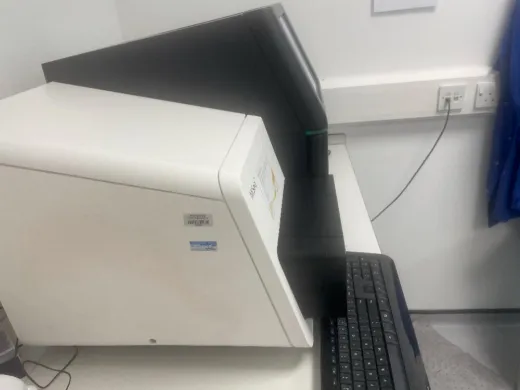
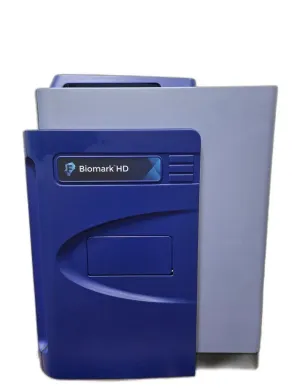
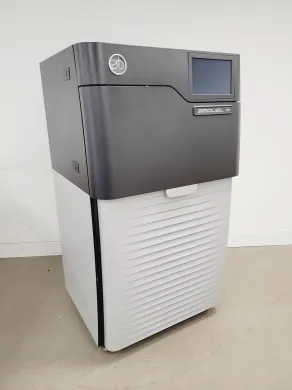
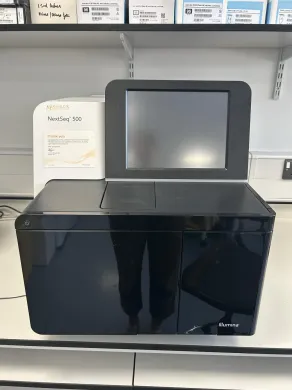
Genome editing and molecular tools are the instruments that read, write and manipulate nucleic acids, spanning DNA sequencers, high-throughput sequencing systems and the molecular diagnostics platforms that turn a sample into a called variant. The category sits at the point where molecular biology becomes measurement, covering genomics, gene editing workflows and the sequencing that underpins both. On Questpair, 100 percent of the listings are used. The Questpair catalogue holds 261 listings in this category, from 11 verified suppliers and distributors across 6 countries. Prices run from EUR 61 to EUR 107.611. New, used and refurbished units all appear here, with laboratory sequencers and diagnostics instruments forming the bulk of what is offered for sale.
Updated:
Genome editing and molecular tools product list
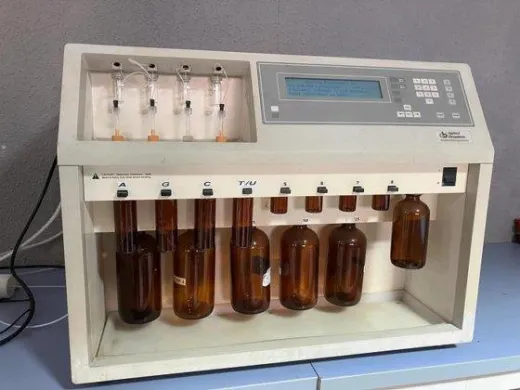
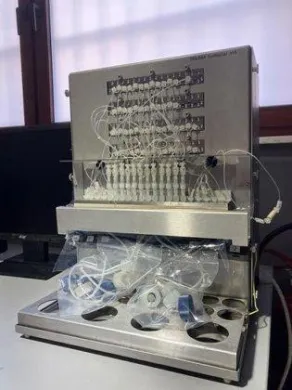
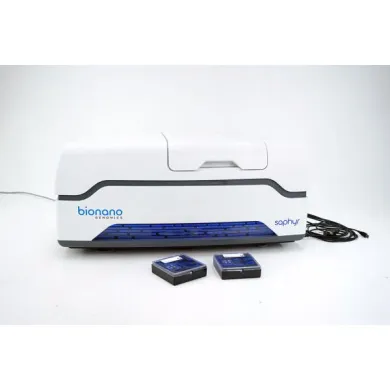


Not the exact instrument you need?
Tell our scientists what you are after. We track it down, including off-market supply.
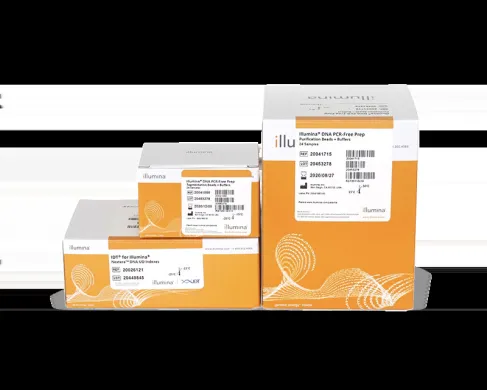
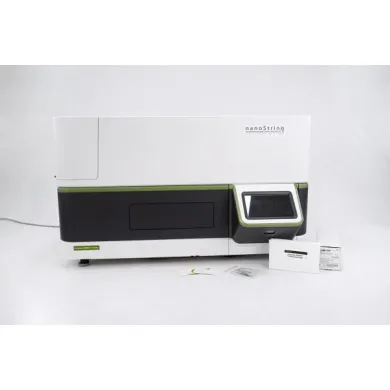
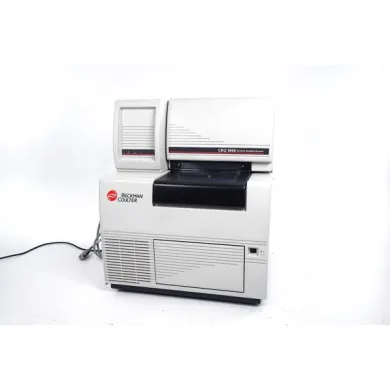
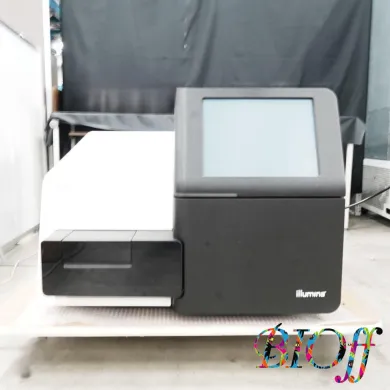
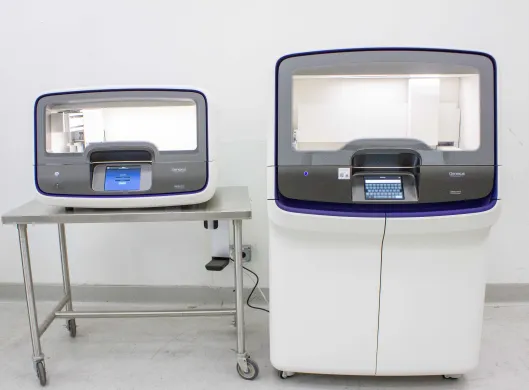
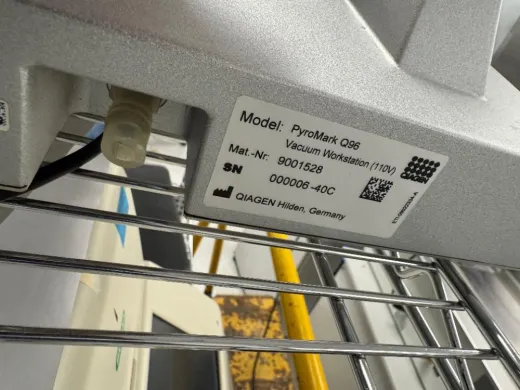
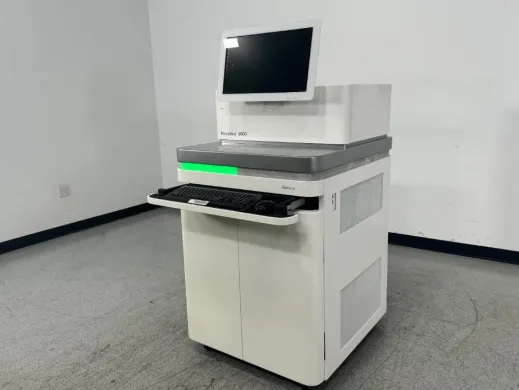
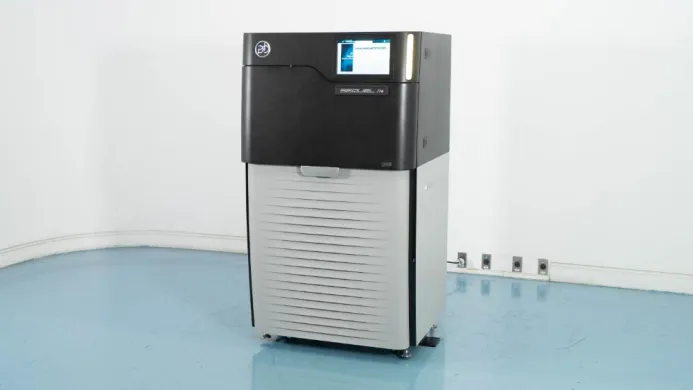
Not the exact instrument you need?
Tell our scientists what you are after. We track it down, including off-market supply.
Showing 1–40 of 182 listings
Show 40 more listingsBuying guide
What settles a sequencer purchase before anything else is throughput matched to the question being asked. A platform built for whole-genome runs is wasteful on a targeted panel, and a benchtop system sized for amplicon work will not clear a population study in any reasonable time. Read the quoted output in gigabases per run and the read length together, because a high gigabase figure built from short reads answers a different question than fewer, longer reads that resolve structural variants and phasing. Match that to the chemistry the instrument is locked to, since the consumable kit, not the box, often decides what a run actually costs per sample.
On a used sequencer the verification is specific and worth doing in person. Ask for the cycle count and the run log, because the optics and the fluidics age with use, not with calendar time. Confirm the instrument control software version and whether it still receives the maker's updates, since an orphaned version can strand you on obsolete reagent lots. For any platform with a flow cell or a sipper, check that the fluidics have been flushed and parked rather than left loaded, and establish which reagents are still commercially supplied for that model. A diagnostics instrument carries the same questions plus its calibration state, so ask when it last ran a known control and what the result was.
The spread in this category is wide, and the band tells you why. Prices run from EUR 61 to EUR 107.611. The floor covers accessories, single modules and older bench units, while the ceiling reflects complete high-throughput sequencing systems with their imaging and fluidics intact. The average listing sits at EUR 9.037, which is where most working sequencers and mid-range diagnostics platforms land. The brands that occupy these bands are Illumina, Thermo Fisher Scientific, PacBio, Invitrogen, Roche, and the name on the box shapes what a unit costs, what a kit for it costs, and how cleanly one listing compares against another. A refurbished sequencer listed for sale is more affordable than the same model new, and whether that saving fits a budget depends as much on the ongoing consumable spend as on the purchase price. Warranty, where it matters to you, is arranged in consultation for the specific listing.
Types of Genome editing and molecular tools
Which sequencing and diagnostics types are listed?
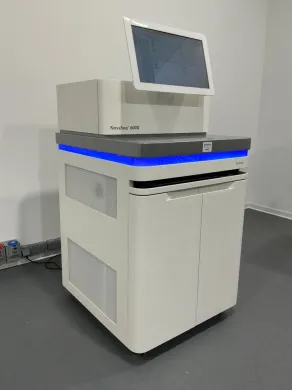
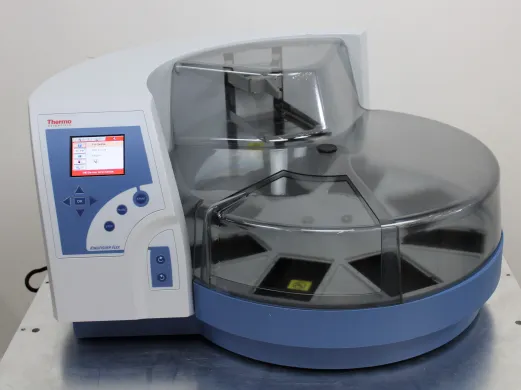
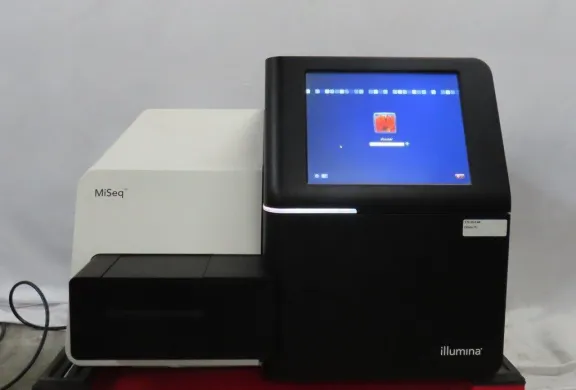
Among the listings that specify a type, the catalogue divides into a few recognisable classes. NGS systems, the massively parallel sequencers, dominate: these run millions of reactions at once and are the workhorse of modern genomics, proteomics support work and population-scale studies. DNA sequencers in the narrower sense cover the older capillary and single-sample instruments still used for Sanger confirmation and short targeted reads, where a lab wants one clean sequence rather than a flood of them. Molecular diagnostics equipment forms the third group, built to run validated assays on patient or quality-control samples. Genomic analysis instruments round out the sample, covering the downstream platforms that quantify, size or prepare nucleic acids ahead of a run. A buyer reaches for a high-throughput sequencer when the question is "what is in this whole sample", and for a capillary DNA sequencer when it is "is this one sequence correct".
These instruments carry most of molecular biology on their backs. A sequencer is the core tool of genomics and the read-out step for gene editing, where it confirms that a CRISPR edit landed where it was meant to. The diagnostics platforms run molecular diagnostics assays, from infectious-disease panels to oncology profiling, and the same hardware supports immunoassay-adjacent nucleic acid tests. In a bioprocessing or biomanufacturing setting these tools verify cell-line identity and monitor genomic stability across a production campaign. Sample-preparation and library work feed every one of them, linking back to the electrophoresis and protein purification benches upstream. A used DNA sequencer for molecular diagnostics, a benchtop NGS system for targeted gene panels, a capillary sequencer for Sanger confirmation: each pairs a class of instrument with the field it serves, which is how these units earn their place in a cell culture, microbiology or synthetic biology lab.
The brands behind the sequencing listings
The names that recur here are Illumina, Thermo Fisher Scientific, PacBio, Invitrogen, Roche. Their presence shapes the buying decision in concrete ways. A platform from a widely deployed maker is easier to compare across listings, because many of the same model sit in the catalogue and the spec sheets line up. It also tends to have a living consumable supply, which matters more on a sequencer than on almost any other instrument, since the kit chemistry is what the box is built around. Where a brand is less common in the catalogue, expect fewer directly comparable units and a thinner secondary market for the matching reagents, both of which feed back into price and into how confidently a buyer can judge one listing against another.
What a used sequencer costs here
Every unit in this category is listed used: 100 percent of the listings are used. Prices run from EUR 61 to EUR 107.611, and that spread covers everything from single accessories at the floor to complete high-throughput sequencing systems at the ceiling. The average lands at EUR 9.037. Parts for these instruments can be sourced via Questpair, and documentation for a specific model can be requested from Questpair specialists, who respond within an hour.
Frequently asked questions
What is genome editing and molecular tools equipment?
It is the group of instruments that read, write and manipulate nucleic acids, covering DNA sequencers, high-throughput sequencing systems and molecular diagnostics platforms. These tools turn a biological sample into measurable data such as a called variant or a confirmed sequence.
What does genome editing and molecular tools mean as a category?
The term refers to the point where molecular biology becomes measurement, spanning genomics, gene editing workflows and the sequencing that supports both. In practice it is the sequencers and diagnostics instruments that quantify, identify and verify nucleic acids.
How do these sequencing and molecular tools work?
A sequencer reads the order of bases in DNA or RNA, either one sample at a time on a capillary instrument or millions of reactions at once on a massively parallel system. Diagnostics platforms run validated assays that detect specific sequences, and both rely on chemistry kits that pair with the instrument.
What types are listed in this category?
The catalogue divides into massively parallel sequencing systems, capillary DNA sequencers for single-sample and Sanger work, molecular diagnostics equipment for validated assays, and genomic analysis instruments that quantify or prepare nucleic acids. The listed types include next-generation sequencer, dna sequencer, molecular diagnostics equipment, molecular diagnostics instrument, next-generation sequencing system and genomic analysis instrument.
What are these instruments used for?
A high-throughput sequencer answers what is in a whole sample, a capillary sequencer confirms whether a single sequence is correct, and diagnostics platforms run assays from infectious-disease panels to oncology profiling. They also confirm CRISPR edits landed correctly and verify cell-line identity in bioprocessing.
How do I choose between a high-throughput sequencer and a capillary sequencer?
Match the instrument to the question: a high-throughput system when you need to characterise a whole sample, a capillary DNA sequencer when you need one clean, confirmed read. Then read the quoted output in gigabases per run alongside read length, since short reads and long reads answer different biological questions.
What is the difference between refurbished and used in this category?
Used describes an instrument sold in its current working state, while refurbished has been reconditioned before resale. On a sequencer, ask for the cycle count and run log in both cases, since the optics and fluidics age with use rather than with calendar time.
How much does a sequencer or diagnostics instrument cost here?
Prices range from EUR 61 to EUR 107.611, with the average listing at EUR 9.037. The floor covers accessories and older bench units, while the ceiling reflects complete high-throughput sequencing systems with imaging and fluidics intact.
Which brands appear most in this category?
The names that recur are Illumina, Thermo Fisher Scientific, PacBio, Invitrogen and Roche. A platform from a widely deployed maker is easier to compare across listings and tends to have a living consumable supply, which matters because the kit chemistry is what the instrument is built around.
Can I get a warranty on a refurbished sequencer?
A warranty is often possible and is arranged in consultation for the specific listing. The terms depend on the individual unit, so raise it with the listing you are considering.
Are parts available for these instruments?
Parts for sequencers and diagnostics instruments can be sourced via Questpair. For a consumable-dependent platform, also establish which reagent kits are still commercially supplied for that model before you buy.
How long does a sequencer last?
Lifespan depends on use rather than age, since the optics and fluidics wear with cycles run. An instrument control software version that no longer receives updates can strand you on obsolete reagent lots, which often limits practical service life more than the hardware does.
Should I buy new or used?
Used and refurbished units are listed at lower prices than new. Whether that saving fits depends as much on the ongoing consumable spend as on the purchase price, so weigh the kit cost per run alongside the instrument price and check warranty on the specific listing.
Where can I buy these instruments?
The Questpair catalogue holds 261 listings from 11 verified suppliers and distributors across 6 countries. Each listing is offered by one of these sellers, and you arrange the purchase through that listing.
What is the lead time and shipping on a sequencer?
Lead time and shipping depend on the individual listing and the supplier handling it. These are instruments with imaging and fluidics to protect in transit, so confirm packing and delivery terms with the specific listing.
What calibration and maintenance should I check before buying?
For any platform with a flow cell or sipper, confirm the fluidics have been flushed and parked rather than left loaded. A diagnostics instrument carries the same checks plus its calibration state, so ask when it last ran a known control and what the result was.
Which types are most listed and who reaches for which?
Massively parallel sequencing systems make up the bulk of what is offered, serving genomics and population-scale studies. A genomics lab reaches for a high-throughput sequencer, a lab needing Sanger confirmation reaches for a capillary DNA sequencer, and a clinical or QC lab reaches for a molecular diagnostics instrument running validated assays.
Which brands dominate this category and what does that mean for a buyer?
The recurring names are Illumina, Thermo Fisher Scientific, PacBio, Invitrogen and Roche. Where a model is common in the catalogue, spec sheets line up and comparison is cleaner; where a brand is less common, expect fewer comparable units and a thinner secondary market for the matching reagents, both of which feed into price.
What separates the bottom of the price band from the top?
The floor covers accessories, single modules and older bench units, while the ceiling reflects complete high-throughput sequencing systems with their imaging and fluidics intact. The average at EUR 9.037 is where most working sequencers and mid-range diagnostics platforms land, and the brand on the box shapes both the purchase price and the kit cost.