Not in stock, available to order through our sourcing team
We source this model through our supplier network. Request a quote and we'll come back within one hour.
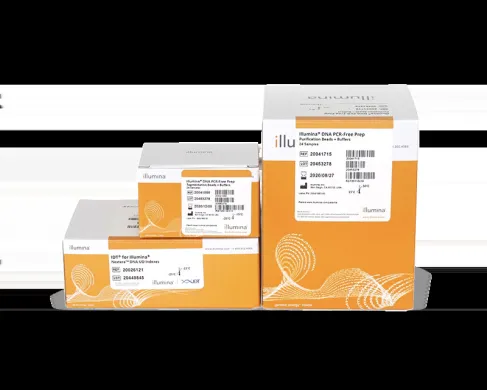
Software for alignment, variant calling, and read counting of Illumina sequencing data with GenomeStudio integration.
Illumina's Consensus Assessment of Sequence and Variation (CASAVA) software was a pivotal tool in the analysis of sequencing data generated by Illumina platforms, such as the Genome Analyzer. Released in 2008, CASAVA facilitated comprehensive secondary analysis, including alignment, variant calling, and read counting, thereby streamlining workflows in genomic research.
Key features of this software included:
CASAVA was widely adopted in fields like genomics, molecular biology, and biotechnology, playing a significant role in applications such as whole-genome sequencing, transcriptomics, and epigenetics. Its utility extended to various institutions, including university laboratories, biomedical research centres, and biotechnology companies.
While CASAVA was instrumental during its time, it has since been succeeded by more advanced tools as sequencing technologies have evolved. Nonetheless, its contributions to the development of bioinformatics workflows in the biotechnology industry remain noteworthy.
Lab equipment markets are fragmented. Buyers spend weeks calling distributors, comparing quotes, and verifying supplier reliability. Sellers struggle to reach global research labs.
We built Questpair to fix this. Every supplier on the platform is verified before listing. Every quote you receive comes from a real, vetted seller. AI prepares your case in minutes, then a real specialist takes over.
We're an independent team based in The Netherlands, working with research labs and procurement teams across Europe and worldwide.
With a service contract, ten to fifteen years is normal for most benchtop instruments. Detectors and pumps are the parts that wear first.
Often, yes. Verified suppliers frequently work with service partners converting the instrument. If applicable, we can list servicing options alongside the offer.
Ask a scientist through the request button. Parts are often available even when the instrument itself is discontinued.
Two to six weeks, depending on refurbishment scope and whether calibration is included.
We ship to 38 countries. Crating and customs handling are quoted with the instrument.
Tell us what you need and a scientist finds it for you, usually within the hour.
Last updated 6 November 2026