

Immunohistochemistry
We personally find you the right used, refurbished and new immunohistochemistry instruments & equipment from verified suppliers.
Immunohistochemistry is a laboratory technique that detects specific antigens in tissue sections using antibodies tagged with a visible label, so that the location of a protein can be read directly under a microscope. The Questpair category covers the reagents and instruments the method depends on: primary and secondary antibodies, detection kits, and the automated platforms that run staining or protein analysis. Of the 216 listings here, 99 percent are used. New, used and refurbished laboratory items are listed together, offered by 14 verified suppliers and distributors across 7 countries. Prices span a wide range, from single reagents to complete automated systems.
Updated:
Immunohistochemistry product list
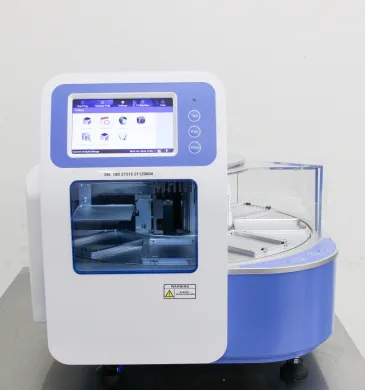
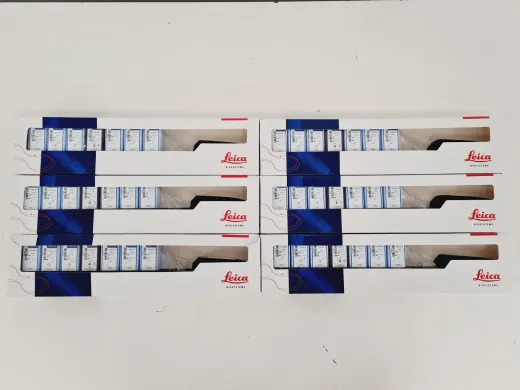
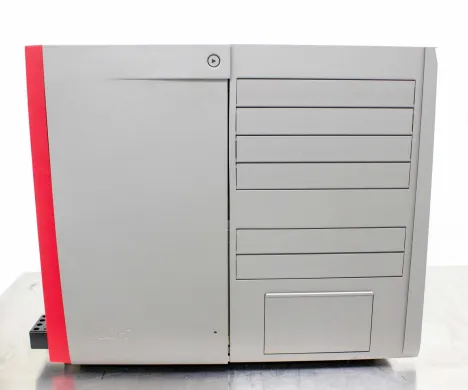
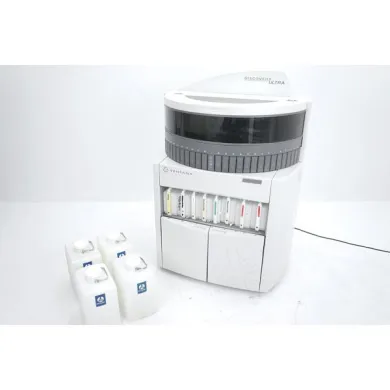


Not the exact instrument you need?
Tell our scientists what you are after. We track it down, including off-market supply.
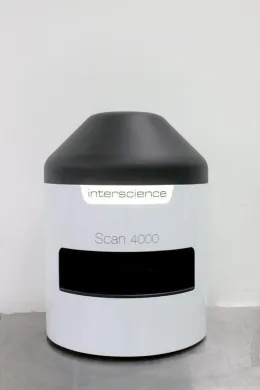
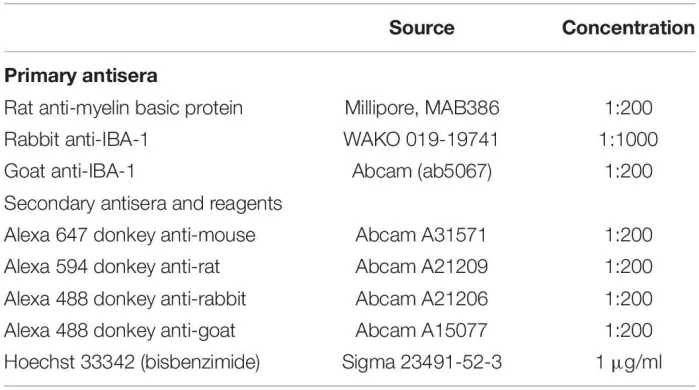
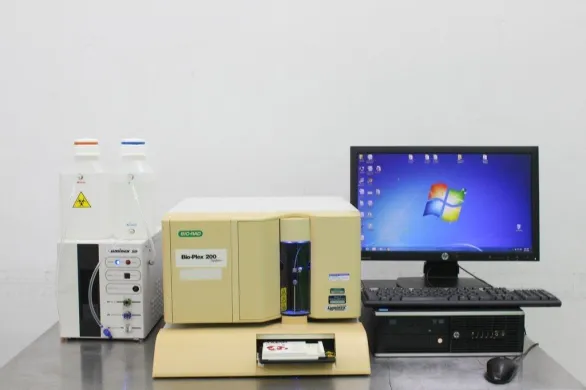
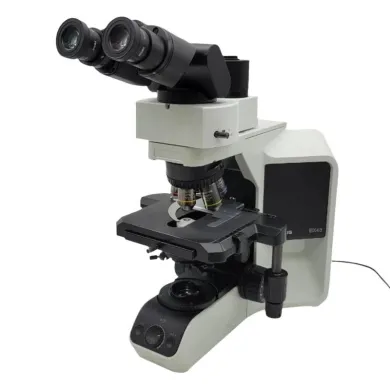
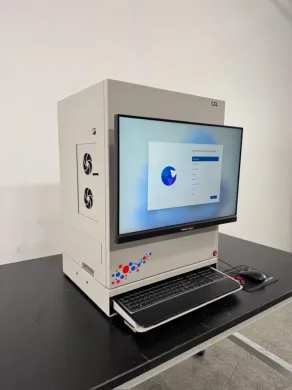
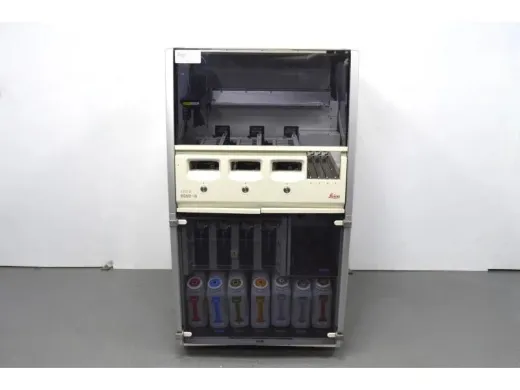
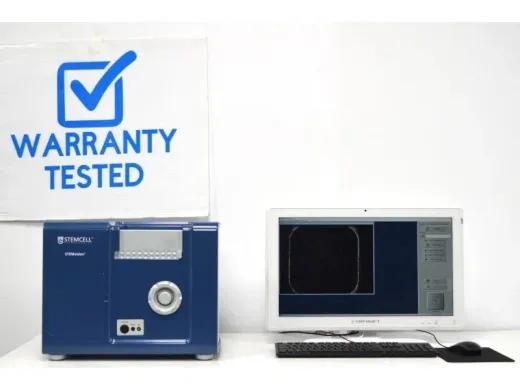
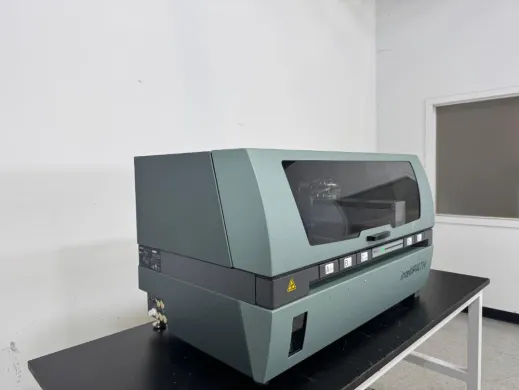
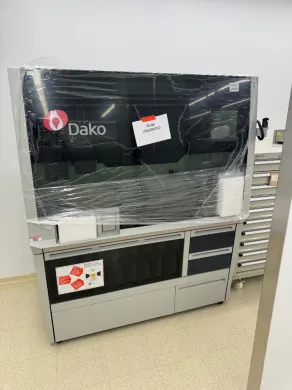
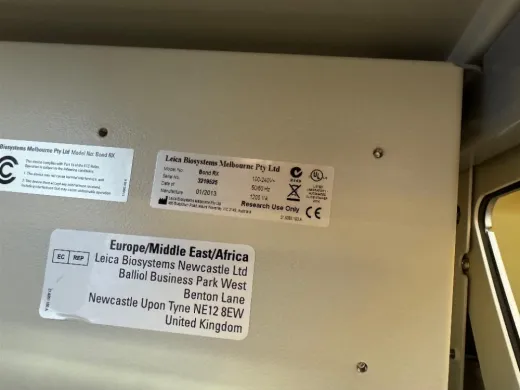
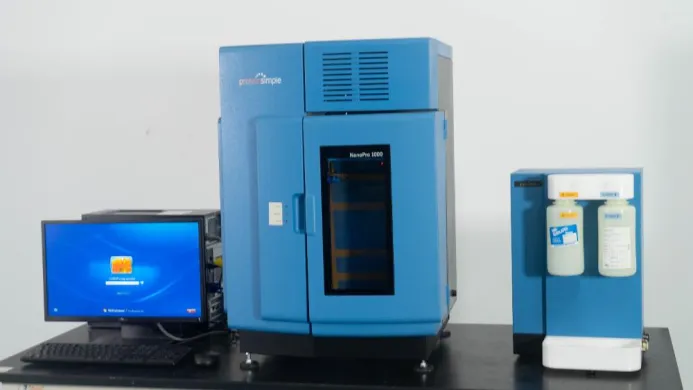
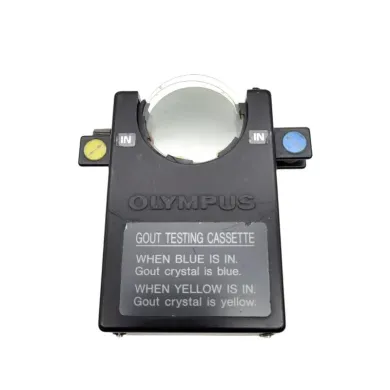
Not the exact instrument you need?
Tell our scientists what you are after. We track it down, including off-market supply.
Showing 1–40 of 140 listings
Show 40 more listingsBuying guide
What settles an immunohistochemistry purchase first is almost never the instrument. It is whether the antibody you are buying recognises the antigen you intend to stain, in the tissue and under the fixation your protocol uses. A monoclonal antibody validated for formalin-fixed paraffin-embedded sections will not necessarily work on frozen tissue, and a clone validated for one species may cross-react or fail entirely in another. So the specification that decides the reagent is the validated application and target, printed on the datasheet, not the format or the pack size. Read the clone number and the stated applications before anything else; two antibodies against the same protein can behave differently because they bind different epitopes.
For a used reagent the question shifts to condition in a way that has no equivalent on the datasheet. Antibodies and detection kits degrade with time and temperature, and an opened or mishandled vial loses titre. Check the stated storage, whether the cold chain was maintained, and how much of the expiry window remains. A reagent that has sat at room temperature is worth little regardless of its original quality, which is why provenance matters more here than on a piece of hardware.
Instruments are a different matter. An automated western blot system or a protein analysis instrument is a capital item, and for those the used question is service history and consumable availability rather than shelf life. Confirm which assay cartridges or capillaries the unit accepts and whether those remain in production, because a working instrument tied to a discontinued consumable is a short-lived purchase. Parts can be sourced via Questpair where a component is needed.
The spread between a single reagent and a complete system is what produces the price band on this page, which runs from EUR 43 to EUR 172.178, with an average of EUR 15.241. A buyer working to a fixed budget will find most of the reagent listings near the lower end, while the automated platforms sit toward the top. Used and refurbished units listed for sale cost less than their new equivalents, so a tight budget stretches further on this catalogue than on a new-equipment order, and warranty, where it applies, is arranged in consultation for the specific listing.
Types of Immunohistochemistry
Which immunohistochemistry products are listed here?
Among the listings that specify a type, the catalogue divides into reagents and instruments. The reagents are the larger group: immunohistochemistry reagents proper, which include the primary and secondary antibodies and the detection chemistries that make a bound antibody visible in a tissue section, and monoclonal antibodies, which are single-clone reagents prized for their consistency between lots. Alongside these sit western blot reagents, used in protein electrophoresis and immunoblotting to confirm the size and presence of a target protein, and flow cytometry reagents, the fluorophore-conjugated antibodies that identify and count cells in suspension. The instruments are the automated western blot systems, which run capillary or membrane-based immunoassays with less hands-on time than a manual blot, and the broader protein analysis instruments used across molecular biology and proteomics workflows.
Each type serves a recognisable corner of the life sciences. Immunohistochemistry reagents do histology and tissue-based molecular diagnostics, where antigen localisation in a biopsy carries clinical weight. Monoclonal antibodies underpin immunoassay and protein purification work, and are also used for cell imaging. Western blot reagents and automated western blot systems belong to protein analysis and proteomics, while flow cytometry reagents do flow cytometry in immunology and cell biology. These classes overlap in practice, since a single antibody is often validated across several of them.
The brands behind the immunohistochemistry listings
The names that recur here are ProteinSimple, Invitrogen, Cell Signaling Technology, Leica, Leica Biosystems. For a buyer, a concentration of recognised antibody and instrument makers has practical consequences: documentation and clone data are easier to find, lots are easier to compare against a published datasheet, and consumables or parts for an automated system are more likely to remain obtainable. ProteinSimple appears on the instrument side, while the antibody and reagent suppliers dominate the consumable listings. A familiar brand does not guarantee fitness for your protocol, but it does make validation records and compatibility simpler to confirm before you commit.
What a used immunohistochemistry listing costs here
Of the listings, 99 percent are used. Prices run from EUR 43 to EUR 172.178. That spread covers everything from a single antibody vial to a complete automated protein analysis platform, which is why the average of EUR 15.241 sits well above the cheapest reagents. The 216 listings come from 14 verified suppliers and distributors in 7 countries. Where a reagent or instrument needs supporting material, manuals and documentation can be requested via Questpair, and specialists respond within one hour.
Frequently asked questions
What is immunohistochemistry?
Immunohistochemistry is a laboratory technique that detects specific antigens in tissue sections using antibodies tagged with a visible label, so the location of a protein can be read directly under a microscope. The term also refers to the reagents and instruments that the method depends on, which is what this category covers.
What does immunohistochemistry mean?
It literally means detecting chemistry within tissue using the immune system's own tools, specifically antibodies that bind a target antigen. The bound antibody carries a label, usually an enzyme or fluorophore, so that the antigen's position in a tissue section becomes visible.
How does immunohistochemistry work?
A primary antibody binds the target antigen in a fixed tissue section, and a secondary antibody carrying a visible label then binds the primary, producing a colour or fluorescent signal where the antigen sits. The signal is read under a microscope, showing both whether the protein is present and where it is located in the tissue.
What types of immunohistochemistry products are listed here?
The listings split into reagents and instruments. Reagents include immunohistochemistry reagents, monoclonal antibodies, western blot reagents and flow cytometry reagents, while the instruments are automated western blot systems and broader protein analysis instruments.
What is immunohistochemistry used for?
It is used for histology and tissue-based molecular diagnostics, where locating an antigen in a biopsy carries clinical weight. The related reagents in this category extend to immunoassay, protein purification, cell imaging, protein analysis and flow cytometry.
How do I choose the right antibody for my protocol?
Start with the validated application and target on the datasheet, not the format or pack size, because a clone validated for formalin-fixed paraffin-embedded tissue may not work on frozen sections and one validated in one species may fail in another. Check the clone number and stated applications before anything else, since two antibodies against the same protein can behave differently where they bind different epitopes.
What is the difference between refurbished and used reagents or instruments?
For reagents the distinction has little meaning, since what matters is condition, remaining expiry and whether the cold chain held. For instruments, a refurbished unit has typically been checked and brought back to working order, while used describes its condition as sold, so confirm service history and consumable availability on the individual listing.
How much does immunohistochemistry equipment cost?
Prices range from EUR 43 to EUR 172.178, with an average of EUR 15.241. A single antibody vial sits near the lower end and a complete automated protein analysis platform toward the top, which is why the average sits well above the cheapest reagents.
Which brands appear most in this category?
The recurring names are ProteinSimple, Invitrogen, Cell Signaling Technology, Leica and Leica Biosystems. ProteinSimple appears on the instrument side, while Invitrogen, Cell Signaling Technology and the Leica names populate the antibody and reagent listings.
Is a warranty available on refurbished instruments?
A warranty is often possible and is arranged in consultation for the specific listing. Terms are not set centrally, so check what the individual listing states.
Can I get parts for an automated western blot or protein analysis system?
Parts can be sourced via Questpair. For an automated system, confirm first which assay cartridges or capillaries the unit accepts and whether those remain in production, since a working instrument tied to a discontinued consumable has a short life.
How long do immunohistochemistry reagents and instruments last?
Reagents have a finite shelf life governed by storage temperature and the expiry window, and an opened or mishandled vial loses titre regardless of its original quality. Instruments are capital items whose working life depends on service history and the continued availability of their consumables.
Should I buy new or used?
Used and refurbished units are listed at lower prices than new, so a fixed budget stretches further on this catalogue. For reagents, weigh the saving against remaining shelf life and cold-chain provenance; for instruments, weigh it against service history and consumable availability on the specific listing.
Where can I buy immunohistochemistry reagents and instruments?
They are listed here on Questpair, offered by 14 verified suppliers and distributors across 7 countries. The 216 listings combine new, used and refurbished items in one catalogue.
What are the lead time and shipping like?
Lead time and shipping depend on the individual supplier and the item, particularly for reagents that require cold-chain transport. Check the specific listing, and where supporting material is needed, specialists respond within one hour.
How are these instruments calibrated and maintained?
Calibration and maintenance follow the manufacturer's procedures for each instrument, and manuals and documentation can be requested via Questpair with specialists responding within one hour. Questpair does not carry out servicing itself, but parts can be sourced through it when a component is needed.
Which product types are listed most, and who reaches for each?
Reagents are the larger group, led by immunohistochemistry reagents and monoclonal antibodies, with western blot and flow cytometry reagents alongside them. Histology and diagnostics labs reach for the immunohistochemistry reagents, immunoassay and purification work for the monoclonals, proteomics labs for the western blot reagents and systems, and immunology and cell biology for the flow cytometry reagents.
What does the mix of brands mean for me as a buyer?
A concentration of recognised antibody and instrument makers makes documentation and clone data easier to find, lots easier to compare against a published datasheet, and consumables or parts for a system more likely to stay obtainable. A familiar brand does not guarantee fitness for your protocol, but it makes validation records and compatibility simpler to confirm before you commit.
What separates the cheapest listings from the most expensive?
The bottom of the band is single reagents such as individual antibody vials or detection kits, while the top is complete automated western blot and protein analysis platforms. The gap is the difference between a consumable and a capital instrument, which is why the price runs from EUR 43 to EUR 172.178.