Price on request
In stock
Can't find what you're looking for?
Pre-Owned
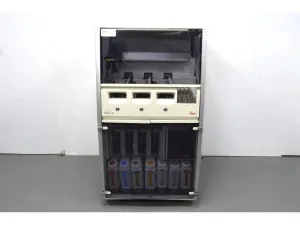
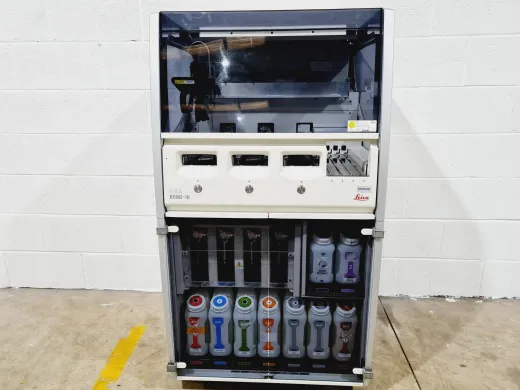
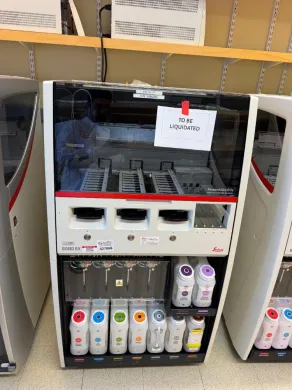
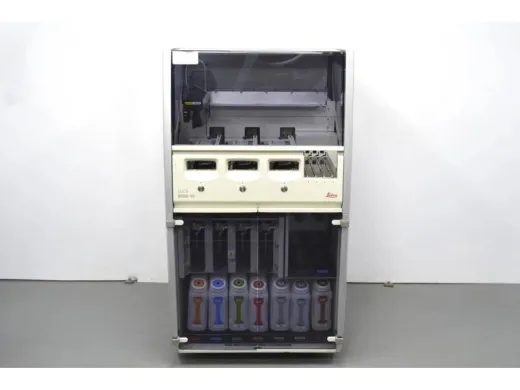
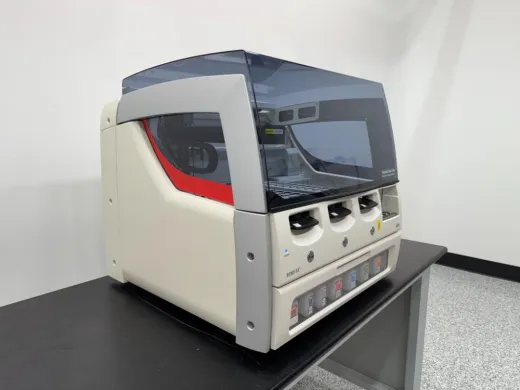
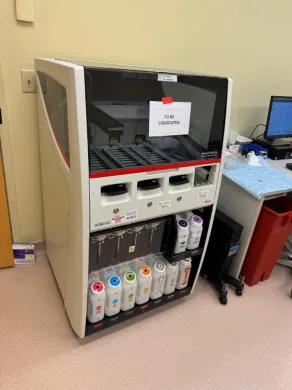
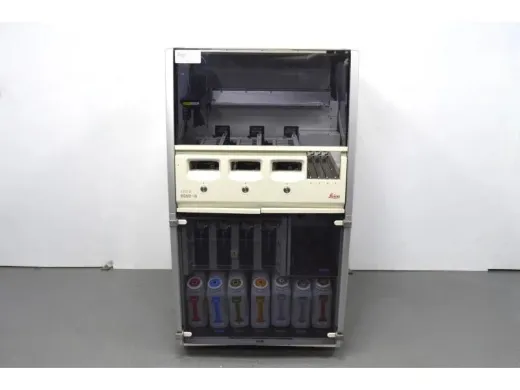
Fully automated Leica BOND-III stainer processes up to 30 slides for IHC and ISH with barcode tracking.
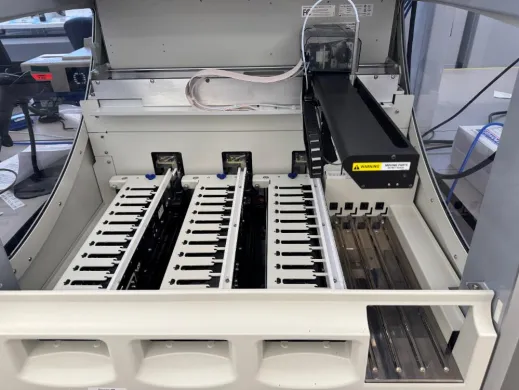
The Leica BOND-III is a fully automated benchtop staining system engineered specifically for high-throughput research in immunohistochemistry (IHC) and in situ hybridization (ISH) applications, critical in molecular diagnostics and biotechnology research workflows. It supports continuous processing of up to 30 slides simultaneously via three independent trays, enabling uninterrupted slide preparation and efficient workflow in tissue biomarker detection and genetic analysis.
The system is widely adopted in synthetic biology, molecular cloning workflows, and clinical diagnostics laboratories due to its ability to provide consistent, reproducible slide staining results and capability for multiplex tissue analysis. The Leica BOND-III supports advanced biotechnology research needs by automating time-consuming manual staining procedures while maintaining high accuracy and throughput.
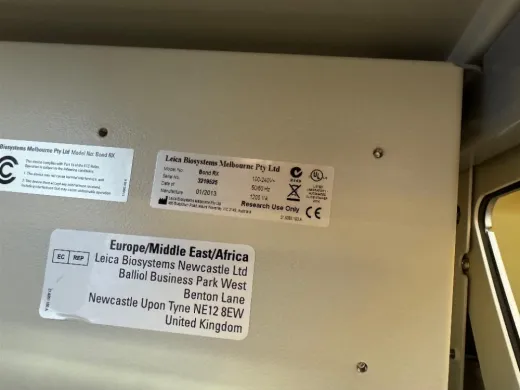
Despite being sold as-is without warranty due to unavailable software and untested status, this model remains a vital instrument in labs focused on high-throughput tissue analysis and biotechnology-driven research. Contact sales for testing and software support for integration into existing workflows.
This unit integrates seamlessly into bioprocessing and molecular diagnostics labs looking to standardize IHC and ISH protocols and enhance productivity in biopharmaceutical production pipelines. Its robust build and reagent handling capabilities position it as a reliable platform for cutting-edge synthetic biology research and clinical translational studies.
---
This automated slide stainer specifically targets scientists, researchers, and laboratory buyers in clinical diagnostics, translational medicine, and biotechnology sectors seeking dependable and scalable staining solutions validated in high-demand research environments.
Lab equipment markets are fragmented. Buyers spend weeks calling distributors, comparing quotes, and verifying supplier reliability. Sellers struggle to reach global research labs.
We built Questpair to fix this. Every supplier on the platform is verified before listing. Every quote you receive comes from a real, vetted seller. AI prepares your case in minutes, then a real specialist takes over.
We're an independent team based in The Netherlands, working with research labs and procurement teams across Europe and worldwide.
With a service contract, ten to fifteen years is normal for most benchtop instruments. Detectors and pumps are the parts that wear first.
Often, yes. Verified suppliers frequently work with service partners converting the instrument. If applicable, we can list servicing options alongside the offer.
Ask a scientist through the request button. Parts are often available even when the instrument itself is discontinued.
Two to six weeks, depending on refurbishment scope and whether calibration is included.
We ship to 38 countries. Crating and customs handling are quoted with the instrument.
Tell us what you need and a scientist finds it for you, usually within the hour.
Last updated 5 November 2026
The middle half of the 36 with a price runs from €704 to €10,158.