

Flow cytometry antibodies
We personally find you the right used, refurbished and new flow cytometry antibodies instruments & equipment from verified suppliers.
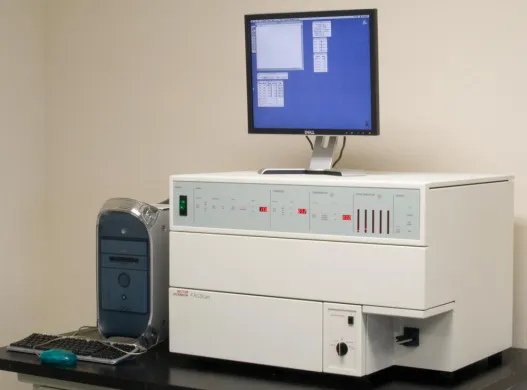
Flow cytometry antibodies are reagents that bind specific cell-surface or intracellular targets and carry a fluorescent label, so that a flow cytometer can detect and count the cells expressing those targets. In practice the term also covers the instruments that read them, and on Questpair the listings under this heading are the analysers themselves: of the 402 items on offer, 100 percent of the listings are used. New, used and refurbished units all appear across 11 verified suppliers and distributors in 6 countries. Prices run from EUR 129 to EUR 159.265. The laboratory work behind these reagents is immunophenotyping, the sorting of mixed cell populations by the markers they carry.
Updated:
Flow cytometry antibodies product list
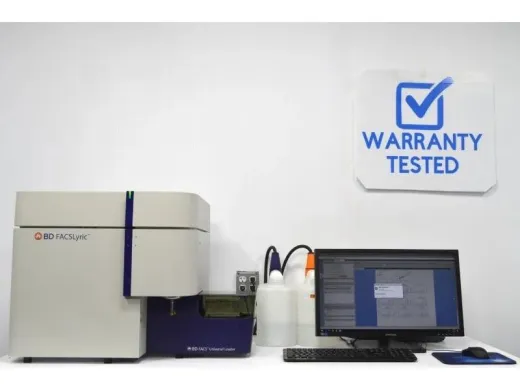


Not the exact instrument you need?
Tell our scientists what you are after. We track it down, including off-market supply.
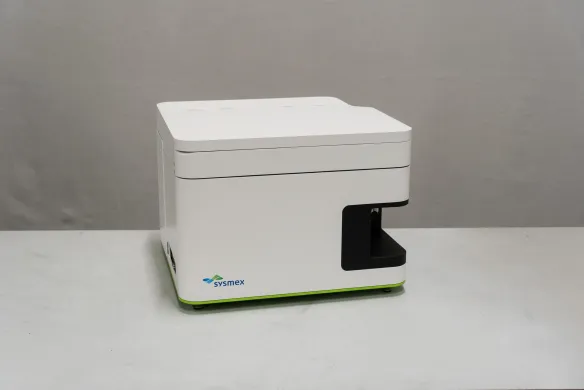
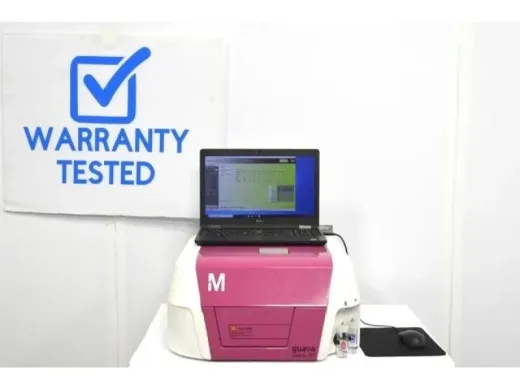
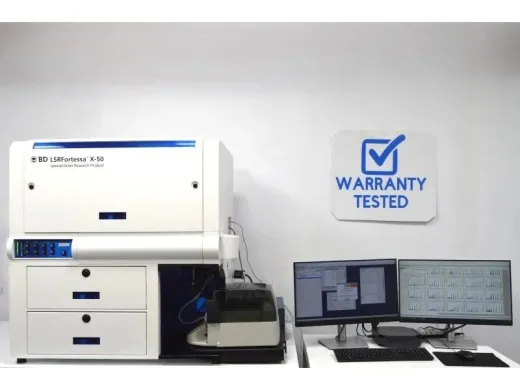
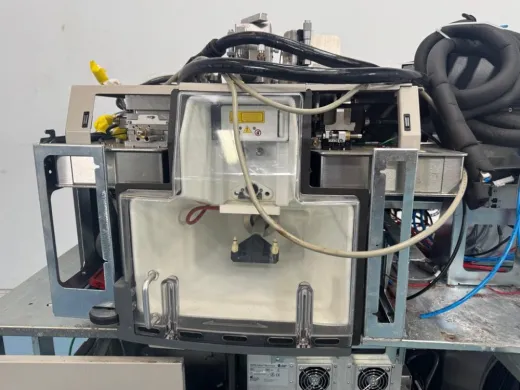
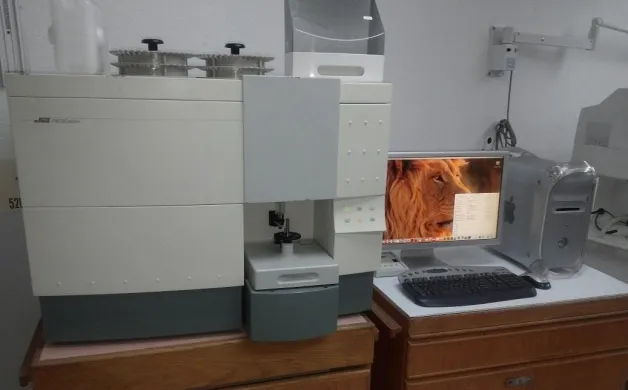
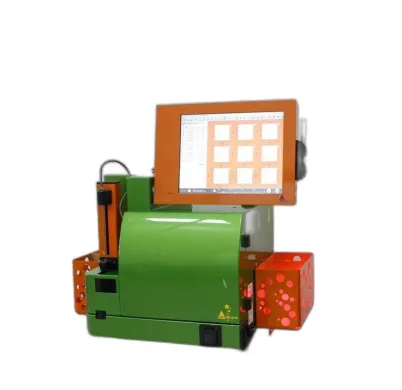
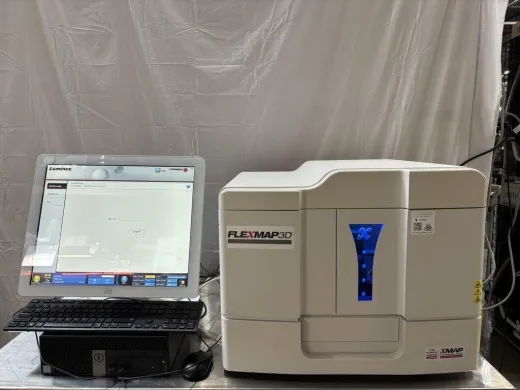
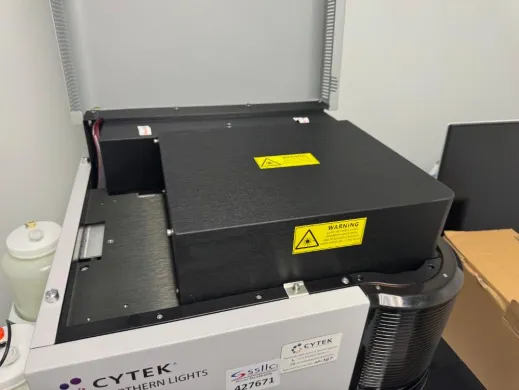
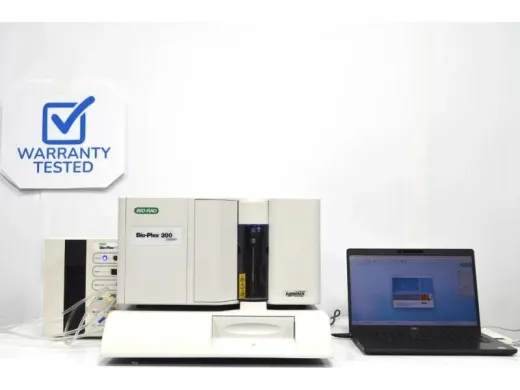
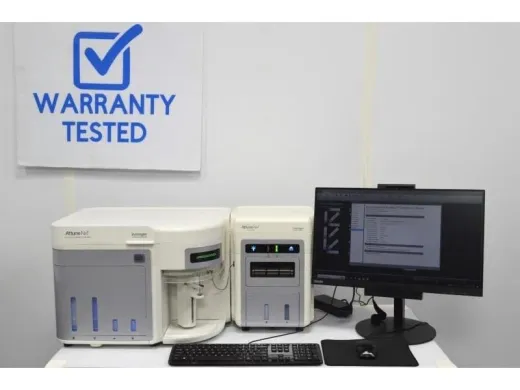
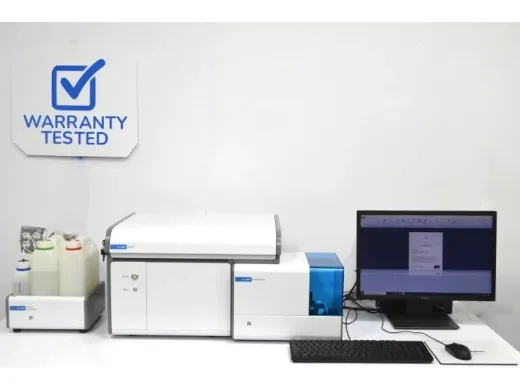
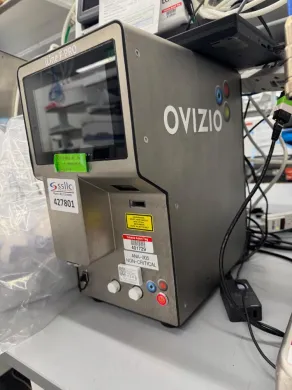
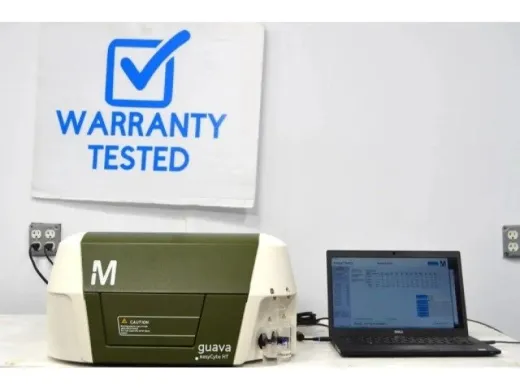
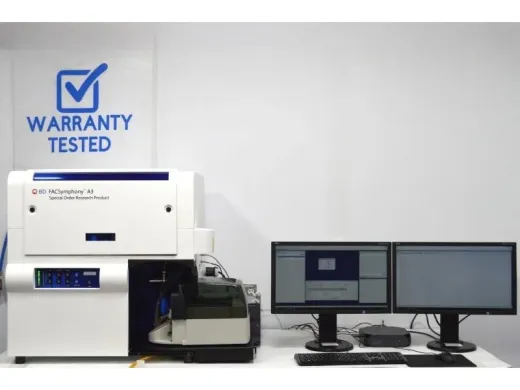
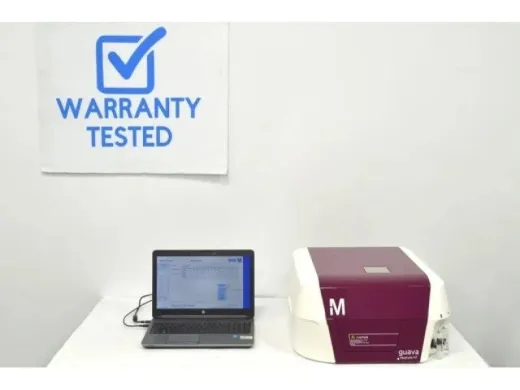
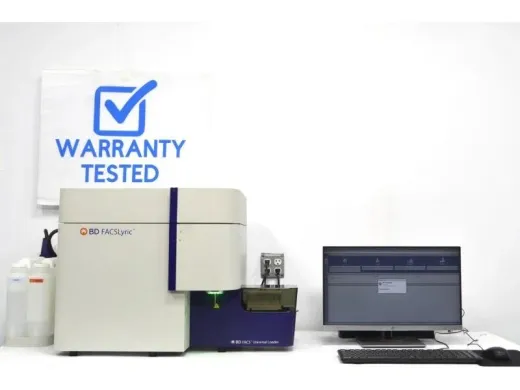
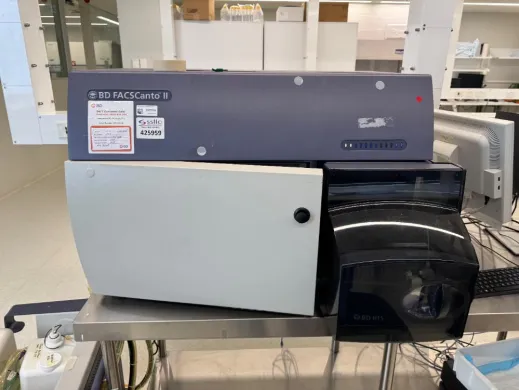
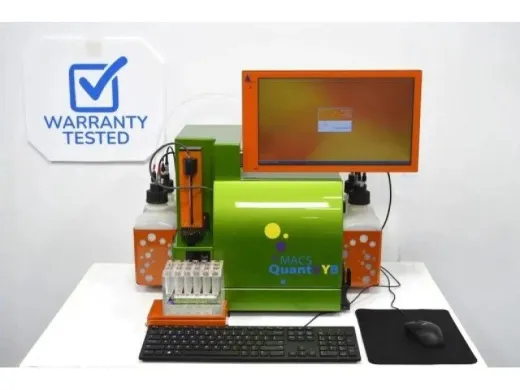
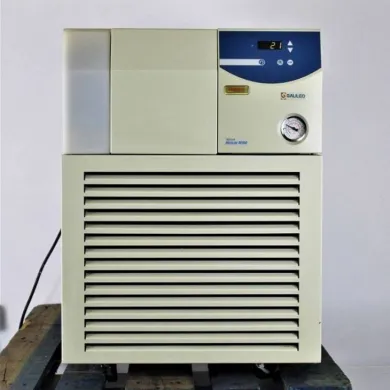
Not the exact instrument you need?
Tell our scientists what you are after. We track it down, including off-market supply.
Showing 1–40 of 205 listings
Show 40 more listingsBuying guide
What settles the purchase here is the parameter count, how many fluorescent colours the instrument can read at once, because that number caps how many markers you can stain a single cell with. A machine built for two or three colours tells you whether a cell is alive and what broad lineage it belongs to; an eighteen-colour analyser resolves rare subsets inside a population that a smaller instrument lumps together. Match the parameter count to the panel you actually run, not to the largest panel you can imagine, since every extra detector and laser adds cost and adds compensation work at the bench.
Once the colour count fits, the laser configuration decides which fluorochromes you can use. A blue laser alone covers the common dyes; adding a red and a violet line opens up the far-red and the violet-excited labels that modern panels lean on. Check which lasers a listed unit carries before assuming your existing antibody stock will work on it, because a dye without its excitation line reads as nothing.
On a used analyser, the things to verify are the ones a datasheet never shows. Fluidics wear and clog, so ask whether the sheath and sample lines have been serviced and whether the unit has run recently. Detector sensitivity drifts, so a record of calibration against reference beads matters more than the stated specification. Ask for the laser hours where the seller knows them, since lasers are the costliest component to replace and the one most likely to fail. A unit sold without any run history is not disqualified, but it is a unit you price as if it needs a full service.
Where the price band sits is wide: a bare benchtop analyser can cost little, while a sorter with multiple lasers and high-speed fluidics runs to the top of the range here, with an average around EUR 31.217. The brands that occupy it are BD, Thermo Fisher Scientific, Beckman Coulter, Miltenyi Biotec, Sony, and the spread reflects the gap between a two-laser teaching instrument and a research sorter. For a buyer working to a budget, used and refurbished units are listed below new prices, and the same panel of markers runs on a well-maintained older analyser as on a current one. What is affordable in this category is almost always a serviced used machine, and the listings for sale here are overwhelmingly that.
Types of Flow cytometry antibodies
Which flow cytometer types are listed here?
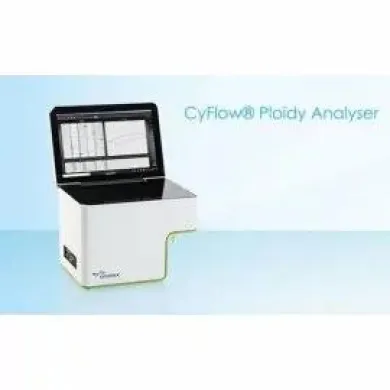
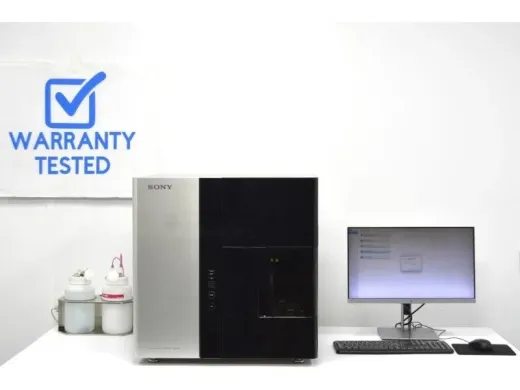
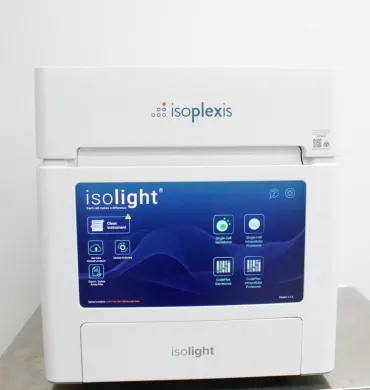
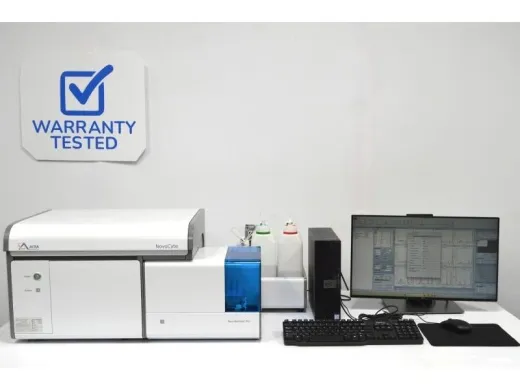
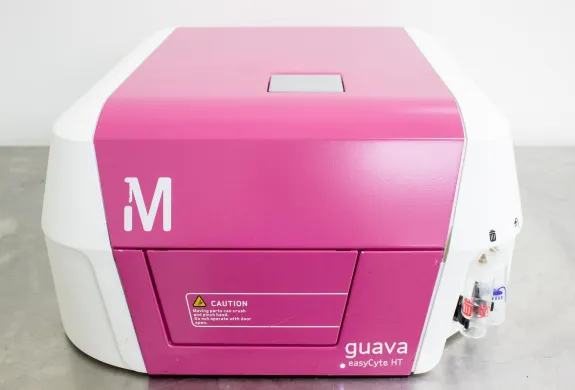
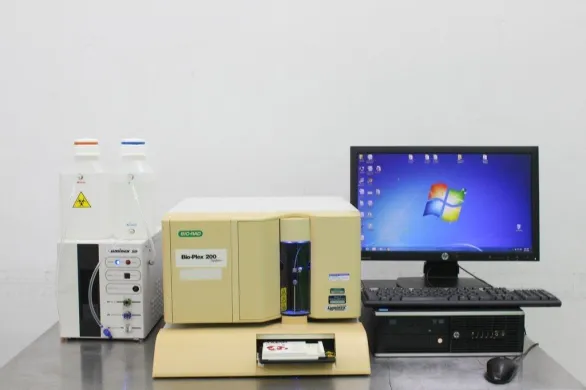
Among the listings that specify a type, the catalogue sorts into a handful of forms that differ by throughput and by how many markers they read at once. The benchtop flow cytometer is the general workhorse, compact enough for a shared lab and built for routine counting and viability work. A high-throughput flow cytometer adds automated sample loading from plates, which suits a screening lab running hundreds of wells rather than tubes one at a time. The multiparameter and multicolor flow cytometer designations mark the instruments carrying the laser and detector count for large panels, where a single cell is stained for many markers at once. A cell analysis system is the broader label for an integrated unit, often bundling the analyser with acquisition and gating software. These forms serve immunophenotyping, cell cycle analysis, and apoptosis assays across cell biology, and the multicolor instruments in particular carry the panels used in cancer immunology and in clinical haematology, where resolving rare cell subsets by surface marker is the whole point. The high-throughput configurations are also used for compound screening in drug discovery.
The brands behind the listings
The instruments on offer come from BD, Thermo Fisher Scientific, Beckman Coulter, Miltenyi Biotec, Sony. For a buyer, that concentration is useful: these are the makers whose reagent and consumable ecosystems are the most widely stocked, so parts can be sourced and a model is easy to compare against its peers. An analyser from one of the dominant names tends to hold its value and to have a known service history in the field, which matters when the costliest components are lasers and fluidics. A less common maker may list lower but can be harder to match a panel to.
What a used flow cytometer costs here
Every unit in this category is listed used, and prices run from EUR 129 to EUR 159.265, averaging around EUR 31.217. That spread covers everything from a single-laser benchtop analyser to a multi-laser research sorter. Used and refurbished units are listed below the price of new, which is the practical reason the catalogue sits where it does. Parts can be sourced via Questpair, and warranty is arranged in consultation for the specific listing.
Frequently asked questions
What is a flow cytometry antibody?
It is a reagent that binds a specific cell-surface or intracellular target and carries a fluorescent label, so a flow cytometer can detect and count the cells expressing that target. On Questpair, the listings under this heading are the analysers that read those reagents.
What does the term flow cytometry antibody actually mean?
In the strict sense it means the labelled binding reagent itself. In practice the term is also used for the instrument category, which is what is listed here: flow cytometers and cell analysis systems.
How do flow cytometry antibodies work?
A fluorescently labelled antibody binds its target marker on a cell, then the cell passes a laser line that excites the label and a detector records the emitted light. The signal tells you whether that marker is present and at what level, which is how populations are separated by surface or intracellular markers.
What types of flow cytometers are listed in this category?
The catalogue sorts into benchtop flow cytometers, high-throughput flow cytometers, multiparameter and multicolor instruments, and broader cell analysis systems. They differ mainly by throughput and by how many fluorescent colours they read at once.
What are flow cytometers used for?
They support immunophenotyping, cell cycle analysis, and apoptosis assays across cell biology. Multicolor instruments carry the panels used in cancer immunology and clinical haematology, while high-throughput configurations are used for compound screening in drug discovery.
How do I choose the right flow cytometer?
Start with the parameter count, meaning how many fluorescent colours the instrument reads at once, because that caps how many markers you can stain a single cell with. Then check the laser configuration, since a fluorochrome without its excitation line produces no signal, and match both to the panel you actually run.
What is the difference between refurbished and used?
Used describes a unit sold in its current condition, while refurbished means it has been serviced and brought back to a working standard. On a flow cytometer the practical question is service history: whether fluidics have been maintained, whether it has run recently, and whether detector calibration is documented.
How much does a flow cytometer cost here?
Prices range from EUR 129 to EUR 159.265, with an average around EUR 31.217. The spread reflects the gap between a single-laser benchtop analyser and a multi-laser research sorter.
Which brands are available in this category?
The instruments come from BD, Thermo Fisher Scientific, Beckman Coulter, Miltenyi Biotec, and Sony. These are makers whose reagent and consumable lines are widely stocked, which makes a model easier to compare against its peers.
Is there a warranty on a refurbished flow cytometer?
A warranty is often possible and is arranged in consultation for the specific listing. Terms are tied to the individual unit rather than set across the category.
Can I get parts for these instruments?
Parts can be sourced via Questpair. Lasers and fluidics components are the costliest, so confirming availability for a specific model before purchase is worthwhile.
How long does a flow cytometer last?
Lifespan depends mainly on the laser and the fluidics, which are the components most likely to need replacement. A well-maintained analyser can run for many years, which is why laser hours and a service record matter more than the instrument's age.
Should I buy new or refurbished?
Used and refurbished units are listed at lower prices than new, and the same panel of markers runs on a well-maintained older analyser as on a current one. Where you need to weigh the two, check the individual listing and note that warranty is arranged in consultation.
Where can I buy a flow cytometer?
The units here are offered through verified suppliers and distributors across 11 sources in 6 countries. All 402 listings sit in the Questpair catalogue.
What is the lead time and shipping?
Lead time and shipping depend on the individual listing and its supplier. For a specific unit, contact Questpair and specialists respond within one hour.
What calibration and maintenance does a used flow cytometer need?
Detector sensitivity drifts over time, so calibration against reference beads should be checked, and the sheath and sample fluidics lines need servicing and periodic cleaning. A unit with a recent calibration record is worth more than one sold on its stated specification alone.
Which flow cytometer types are listed most, and who reaches for each?
Benchtop analysers are the general workhorse for a shared lab running routine counting and viability work, while high-throughput units suit screening labs loading plates rather than tubes. Multiparameter and multicolor instruments go to labs running large staining panels, particularly in cancer immunology and haematology where resolving rare subsets is the point.
Which brands dominate this category, and what does that mean for a buyer?
BD, Thermo Fisher Scientific, Beckman Coulter, Miltenyi Biotec, and Sony account for the instruments on offer. That concentration means parts and consumables are easier to source and a model is easier to compare, while a less common maker may list lower but can be harder to match a panel to.
What separates the cheapest flow cytometers here from the most expensive?
At the lower end sits a bare single-laser or two-laser benchtop analyser suited to viability and broad lineage work. At the top is a multi-laser research sorter with high-speed fluidics and a large detector count, which resolves rare subsets a smaller instrument lumps together, and the extra lasers and detectors drive the price difference.