

Biotech and life sciences
We personally find you the right used, refurbished and new biotech and life sciences instruments & equipment from verified suppliers.
Biotech and life sciences equipment is the class of laboratory instruments used to grow, amplify, separate, detect and quantify biological material, from whole cells down to individual nucleic acid strands. On Questpair, 12438 such instruments are listed from 34 verified suppliers and distributors across 21 countries. 95 percent of the listings are used, the remainder new. The catalogue spans new, used and refurbished laboratory equipment, with prices running from EUR 1 to EUR 516.534. The group covers incubators, PCR and real time PCR systems, electrophoresis rigs, microplate readers and washers, flow cytometers and imaging cameras, each tied to a distinct stage of molecular biology and cell culture work.
Updated:
Biotech and life sciences product list


Not the exact instrument you need?
Tell our scientists what you are after. We track it down, including off-market supply.
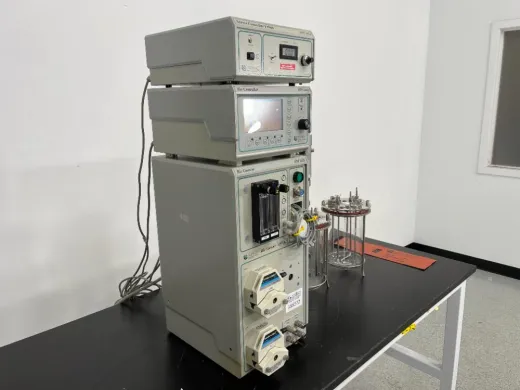
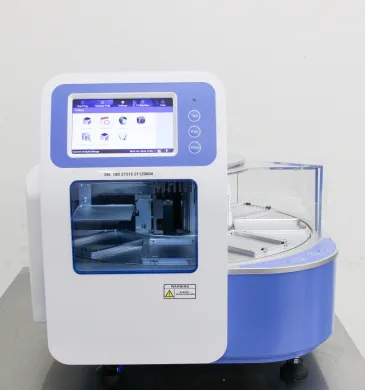
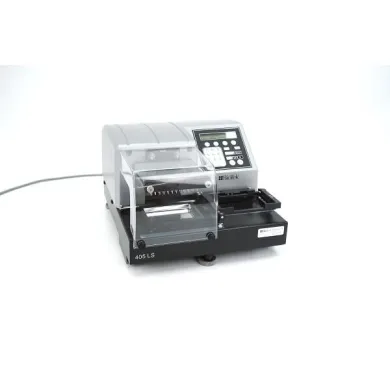
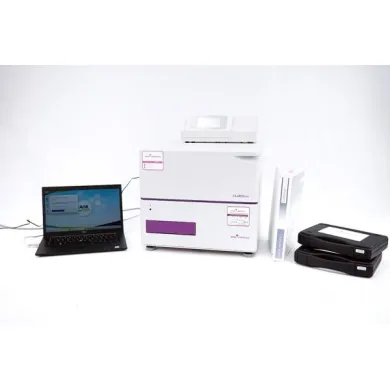
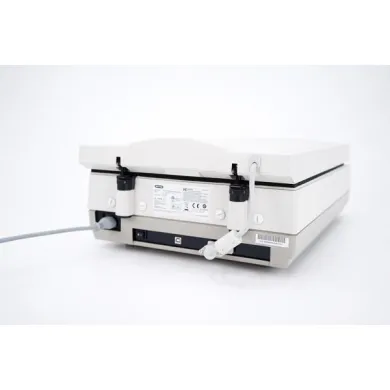
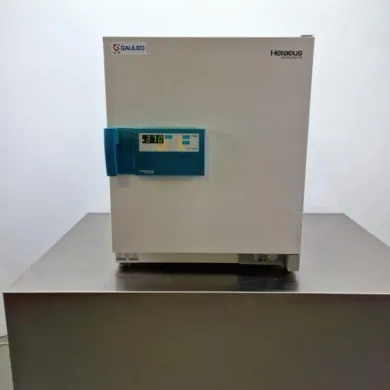
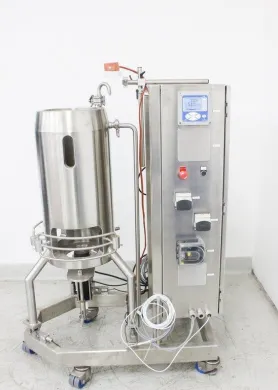
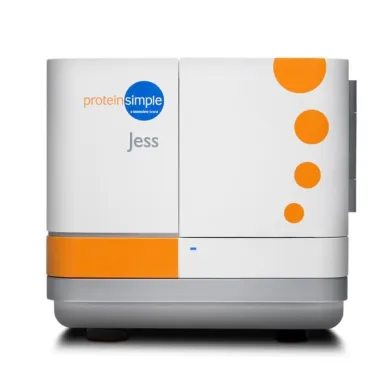
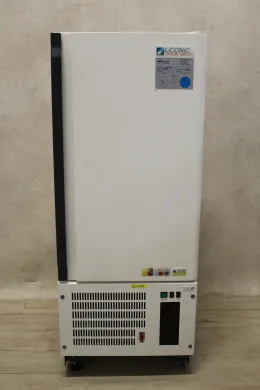
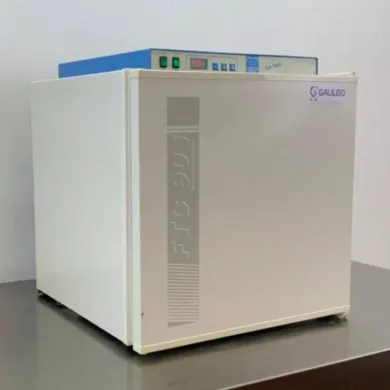
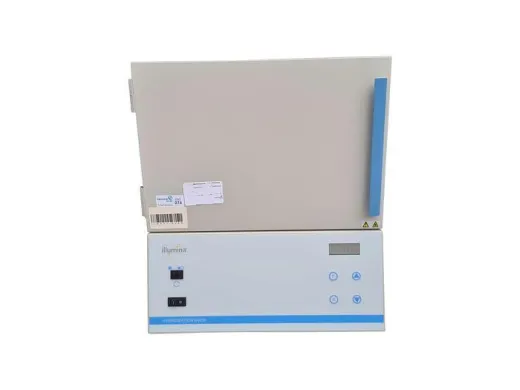
Illumina Boekel 230401 - 21LL Hybridization Oven
- Category
- Furnaces
- Brand
- Illumina
- Suppliers
- 1 verified
Not the exact instrument you need?
Tell our scientists what you are after. We track it down, including off-market supply.
Showing 1–40 of 6,783 listings
Show 40 more listingsBuying guide
Because this group covers eight very different instrument types, the first thing to settle is which stage of the workflow the purchase serves, and that decision is rarely about the headline specification. For a thermal cycler the block configuration and ramp rate matter, but what separates a usable used unit from a liability is calibration history: a cycler whose Peltier elements have drifted will run PCR that silently fails, and no datasheet records that drift. The same holds for a microplate reader, where the optics and the lamp age on a schedule the seller may not have tracked. So on this marketplace, where 95 percent of the listings are used, the condition of the detection and heating components is the lead question, not the brochure figures.
Once condition is established, the specification that actually decides the purchase is throughput matched to the assay. A real time PCR instrument with 96 wells and a four-colour optical set covers a different scale of work than a benchtop system built for single-plex screening, and an incubator rated for CO2 and humidity control serves cell culture where a dry convection unit does not. Read the specification against the protocol, not against the price.
Verification on a used unit comes down to what degrades invisibly. Ask for the last service record, confirm that optical filters and light sources are original or documented replacements, and check that software licences and any dongles transfer with the hardware, since instrument control software is often the hidden cost. On a flow cytometer, fluidics and laser alignment are the parts that fall out of true.
Price follows the type. The band here runs from EUR 1 to EUR 516.534, which separates a single plate washer from a multi-laser cytometer. A used microplate reader or a basic electrophoresis rig sits near the lower end and is what most buyers mean when they ask what a unit costs; a fully optioned real time PCR system or a flow cytometer sits far higher. The brands occupying that range are Bio-Rad, Thermo Scientific, Applied Biosystems, Thermo Fisher Scientific, Invitrogen, which is where a limited budget and a specific model search most often meet. Refurbished and used units listed for sale are more affordable than new, and for a group this capital-intensive that gap is often what makes the equipment reachable at all.
Types of Biotech and life sciences
Incubators
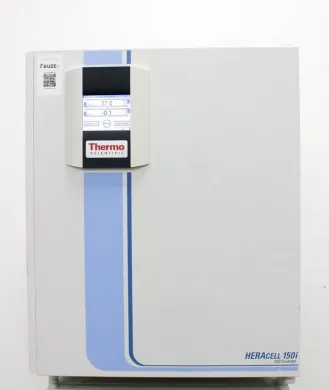
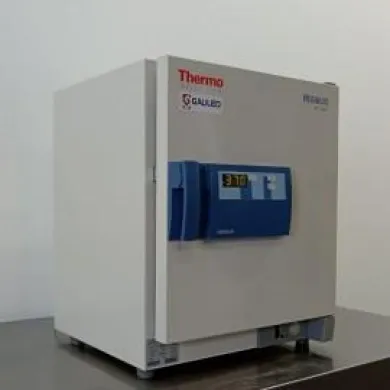
Incubators are the largest group here, and they hold biological samples at a controlled temperature, and often a controlled CO2 level and humidity, so that cells and microbial cultures stay viable and grow at a predictable rate. The split a buyer faces is between dry convection units, which suit microbiology and general bacterial work, and CO2 or tri-gas models built for mammalian cell culture, where pH is held by a buffered atmosphere. Among the listings that specify a type, both occur. The field they serve is cell culture, and within that, cell imaging and bioprocessing workflows depend on an incubator holding conditions steady for days. A unit used for primary cell culture, or for a cell culture incubator with CO2 control feeding a downstream immunoassay, is the common starting point for a molecular biology or microbiology lab.
PCR equipment
PCR equipment amplifies a target DNA sequence through repeated cycles of heating and cooling, and this category covers the thermal cyclers and block systems that run endpoint PCR. What separates them is block format, 96-well, 384-well, or a gradient block that lets a researcher optimise annealing temperature across a row in one run. These instruments do PCR, the foundational reaction of molecular biology, and they sit at the front of workflows in genomics, molecular diagnostics and gene editing, where a clean amplicon has to exist before anything downstream can read it. A thermal cycler for PCR amplification is also used for cloning and library preparation in synthetic biology.
Electrophoresis
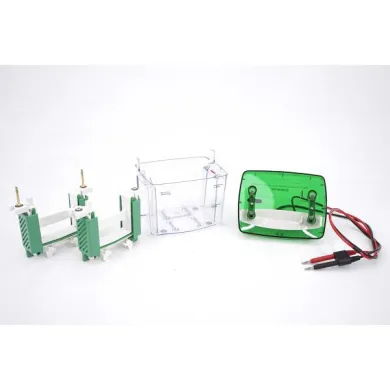
Electrophoresis separates charged molecules, DNA, RNA or proteins, by driving them through a gel under an electric field, so that fragments resolve by size. The category divides into horizontal systems for nucleic acid agarose gels and vertical systems for protein polyacrylamide gels, with power supplies and transfer units listed alongside. This is the workhorse of electrophoresis and protein purification checks, and it underpins histology-adjacent protein analysis, proteomics and molecular biology. A gel electrophoresis system for DNA fragment analysis is also used for Western blot protein transfer when paired with a blotting module.
Microplate readers
Microplate readers measure an optical signal, absorbance, fluorescence or luminescence, in each well of a multi-well plate, turning a colour or light change into quantitative data. They differ by detection mode: a single-mode absorbance reader is the economical choice for ELISA, while a multi-mode reader adds fluorescence and luminescence for a wider panel. The field is the immunoassay, and a microplate reader for ELISA quantification serves molecular diagnostics, drug screening and proteomics, reading hundreds of samples where a single-cuvette instrument reads one.
Real time PCR
Real time PCR instruments, also called qPCR systems, amplify and measure DNA at the same time, tracking fluorescence cycle by cycle so that the starting quantity of a target can be calculated. They separate from endpoint PCR equipment by their optical detection block and by the number of fluorescence channels, which sets how many targets run in one well. The work is quantitative molecular diagnostics, and a real time PCR system for gene expression analysis sits at the centre of genomics, pathogen detection and synthetic biology, measuring copy number where endpoint PCR only confirms presence.
Cameras
Cameras in this category are the imaging detectors mounted on microscopes, gel documentation systems and cell imaging platforms, capturing the fluorescent or brightfield signal as a digital image. They vary by sensor, cooled CCD and sCMOS units resolve faint fluorescence for low-light cell imaging, while standard colour cameras document gels and stained histology sections. A scientific camera for fluorescence microscopy supports cell imaging, histology and high-content screening, converting an optical signal into data a molecular biology or proteomics pipeline can measure.
Flow cytometers
Flow cytometers pass cells single-file through one or more laser beams and record the scattered and fluorescent light from each, so that a population can be counted and sorted by marker. They differ by laser count and by the number of fluorescence detectors, which fixes how many parameters a researcher measures per cell, and sorting models physically separate populations where analysers only read them. The field is flow cytometry, and a flow cytometer for immunophenotyping serves immunology, molecular diagnostics and cell biology, profiling thousands of cells a second.
Microplate washers
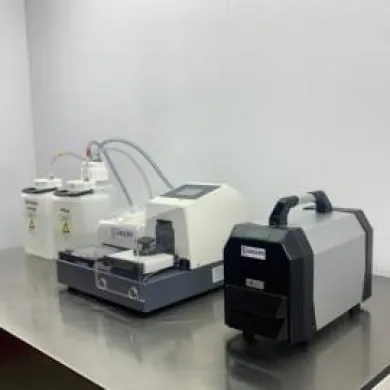
Microplate washers dispense and aspirate wash buffer across every well of a plate, removing unbound reagent between the steps of a plate-based assay. They separate by the plate formats they handle, 96-well and 384-well, and by the number of dispense channels, which sets wash speed and uniformity. The work is the immunoassay again: a microplate washer for ELISA plate processing keeps background low in molecular diagnostics and drug screening, and the quality of that wash step decides whether the reader downstream sees a clean signal or noise.
Frequently asked questions
What is biotech and life sciences equipment?
It is the class of laboratory instruments used to grow, amplify, separate, detect and quantify biological material, from whole cells down to individual nucleic acid strands. The group covers incubators, PCR and real time PCR systems, electrophoresis rigs, microplate readers and washers, flow cytometers and imaging cameras.
What does biotech and life sciences mean as a category?
It groups the instruments tied to molecular biology and cell culture work, each matched to a stage of the workflow: culturing cells, amplifying DNA, separating molecules, reading plate-based assays and counting cells. The term describes function, not a single machine type.
How does this equipment work?
Each type targets a different physical process: incubators hold samples at a set temperature and gas level, thermal cyclers heat and cool to amplify DNA, electrophoresis rigs drive charged molecules through a gel, and microplate readers convert an optical signal into quantitative data. Flow cytometers pass cells past a laser and record scattered and fluorescent light per cell.
What types are there in this category?
The main types are laboratory incubators, cell culture incubators and CO2 incubators, thermal cyclers, molecular biology equipment and temperature-controlled incubators, alongside electrophoresis systems, microplate readers and washers, real time PCR instruments, scientific cameras and flow cytometers. Incubators are the largest group listed here.
What is biotech and life sciences equipment used for?
It supports cell culture, DNA and RNA amplification, protein and nucleic acid separation, immunoassays such as ELISA, gene expression analysis and cell counting. The applications span genomics, molecular diagnostics, proteomics, immunology and synthetic biology.
How do I choose the right instrument?
Start with the stage of the workflow the purchase serves, then match throughput to the assay rather than to the headline specification. A real time PCR instrument with 96 wells and four optical channels covers different work than a single-plex benchtop system, and a CO2 incubator serves mammalian cell culture where a dry convection unit does not.
What is the difference between refurbished and used units?
A used unit is sold in its existing condition, while a refurbished unit has been restored and tested before listing. For both, the condition of the detection and heating components matters more than the brochure figures, so ask for the last service record and confirm optics and light sources are original or documented.
How much does biotech and life sciences equipment cost?
Prices across the catalogue range from EUR 1 to EUR 516.534, with an average around EUR 6.999. That band separates a single plate washer or a basic electrophoresis rig at the lower end from a fully optioned real time PCR system or a multi-laser flow cytometer at the top.
Which brands are listed in this category?
The brands occurring most here are Bio-Rad, Thermo Scientific, Applied Biosystems, Thermo Fisher Scientific and Invitrogen. These are the names where a specific model search most often meets an available listing.
Can I get a warranty on a refurbished instrument?
A warranty is often possible and is arranged in consultation for the specific listing. Terms depend on the individual unit rather than being set centrally, so check the listing you are considering.
Can I get parts for these instruments?
Parts can be sourced via Questpair. On a used purchase, confirm that optical filters, light sources and any dongles are present or documented, since instrument control software is often a hidden cost.
How long do these instruments last?
Lifespan depends on the component that degrades on a schedule: lamps and optical filters in readers age, Peltier elements in thermal cyclers drift, and fluidics and laser alignment fall out of true on flow cytometers. A documented service history is the better guide to remaining life than age alone.
New versus refurbished, which should I buy?
Used and refurbished units are listed at lower prices than new, and for a capital-intensive group this gap is often what makes the equipment reachable. Where you weigh the two, look at the individual listing's condition and note that warranty is arranged in consultation.
Where can I buy biotech and life sciences equipment?
These instruments are listed on Questpair from 34 verified suppliers and distributors across 21 countries, totalling 12438 listings. The catalogue spans new, used and refurbished units.
What is the lead time and shipping on these instruments?
Lead time and shipping depend on the specific listing, its supplier and country of origin, since the catalogue draws on 34 suppliers across 21 countries. Check the individual listing for its availability.
What calibration and maintenance do these instruments need?
Calibration history is the lead question on a used unit, because a thermal cycler whose Peltier elements have drifted will run PCR that silently fails and no datasheet records that drift. Ask for the last service record, and confirm optical filters and light sources are original or documented replacements.
Which types in this category are listed most, and who reaches for each?
Incubators are the largest group, with dry convection units serving microbiology and CO2 or tri-gas models serving mammalian cell culture. PCR and real time PCR systems go to genomics and diagnostics labs, microplate readers and washers to immunoassay and drug screening work, and flow cytometers to immunology and cell biology.
Which brands dominate this category and what does that mean for a buyer?
Bio-Rad, Thermo Scientific, Applied Biosystems, Thermo Fisher Scientific and Invitrogen appear most often across the listings. A concentrated set of names means a model-specific search is more likely to return a match, and that parts and documentation for those lines are more commonly available.
What separates the bottom of the price band from the top?
The instrument type drives it: a used microplate reader or a basic electrophoresis rig sits near EUR 1, while a fully optioned real time PCR system or a multi-laser flow cytometer approaches EUR 516.534. Within a type, channel count, well format, detection modes and documented condition move a unit up or down the band.