

Primary and cultured cells
We personally find you the right used, refurbished and new primary and cultured cells instruments & equipment from verified suppliers.
Primary and cultured cells are biological materials and the equipment used to grow, maintain and analyse them, spanning the incubators, counters and viability analysers that support cell culture work. On Questpair, 1121 listings in this category come from 17 verified suppliers and distributors across 9 countries. 99 percent of the listings are used, with new units making up the remainder. The equipment is listed in new, used and refurbished condition, with laboratory incubators and automated cell counters among the most common types. Prices run from EUR 12 to EUR 150.656. This class of instrument underpins molecular biology, immunology and tissue engineering workflows wherever living cells are propagated under controlled conditions.
Updated:
Primary and cultured cells product list


Not the exact instrument you need?
Tell our scientists what you are after. We track it down, including off-market supply.
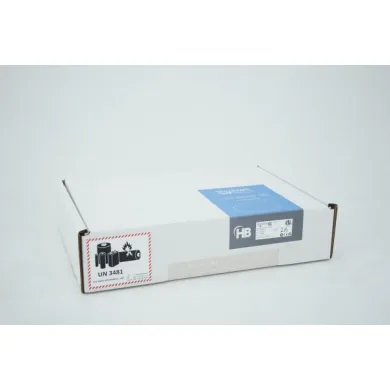
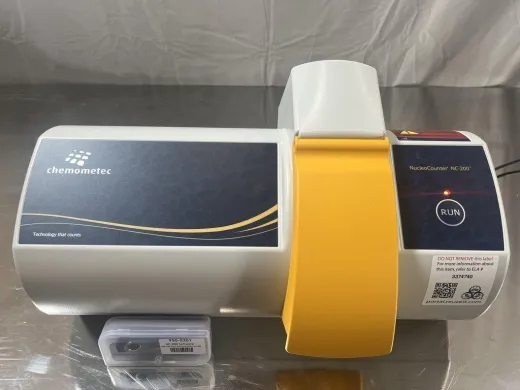
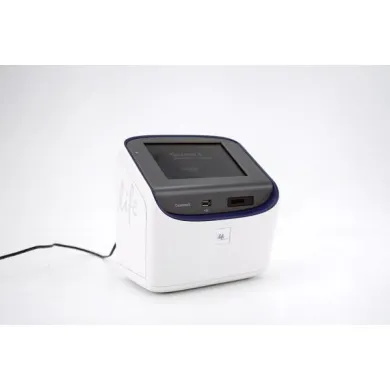
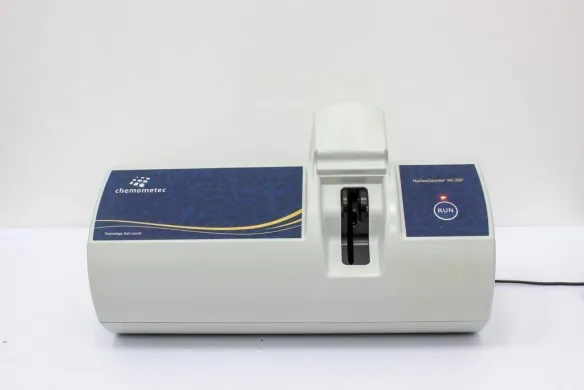
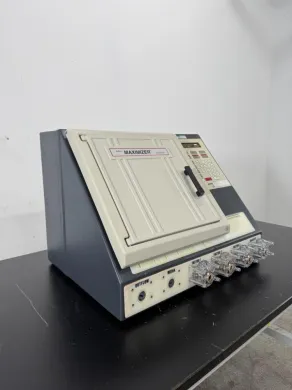
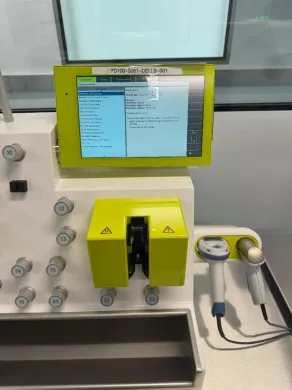
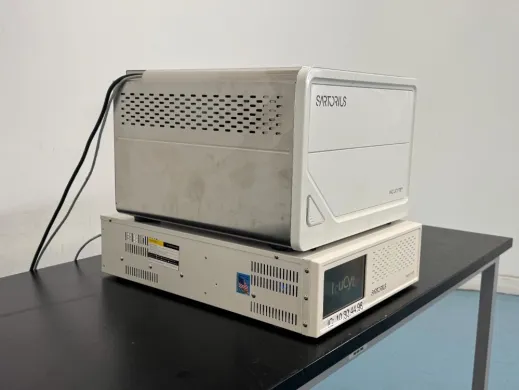
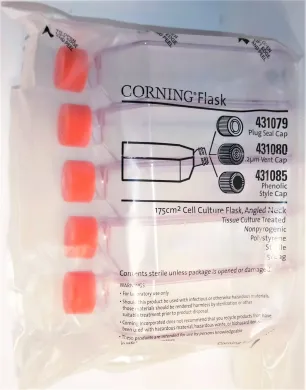

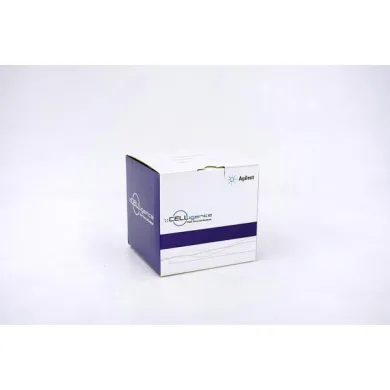
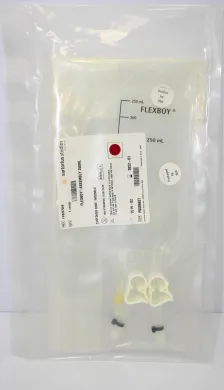
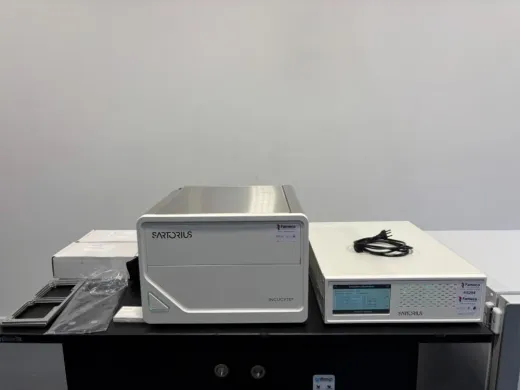
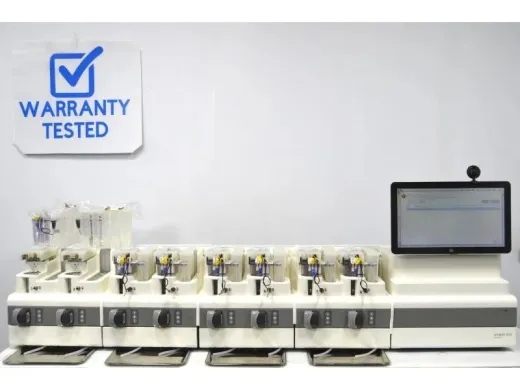
Not the exact instrument you need?
Tell our scientists what you are after. We track it down, including off-market supply.
Showing 1–40 of 556 listings
Show 40 more listingsBuying guide
For cell culture work the environment settles the purchase before any other feature does. A CO2 incubator holds temperature, humidity and carbon dioxide at the narrow band mammalian cells need, and the control tolerance on those three variables is what separates a research-grade unit from a general laboratory incubator that only manages temperature. Decide first whether the protocol needs active CO2 regulation and contamination control, because a counter or a viability analyser chosen without the right incubator behind it produces data from cells that were never held correctly in the first place.
Condition carries real weight here, and the catalogue reflects it: 99 percent of the listings are used. On a used incubator, verify the state of the CO2 sensor and the humidity pan, confirm that the door seal is intact, and ask whether a decontamination cycle still runs. On an automated cell counter or a cell viability analyser, the optics and the calibration matter more than the chassis, so confirm that the unit powers through its self-check and that consumables such as counting slides are still obtainable. A used unit at a low price is only a saving if it reaches the specification its datasheet claims.
Price spans a wide band in this category. A single listing can cost as little as EUR 12, while a complete high-throughput system reaches EUR 150.656. That spread covers everything from a basic benchtop counter to a large automated incubator, and brands such as Miltenyi Biotec, Beckman Coulter, Thermo Scientific, Miltenyi, Thermo Fisher Scientific occupy the upper and middle of it. Buyers working to a fixed budget will find that refurbished and used units listed for sale are more affordable than new equivalents, which is where most of the catalogue sits. Where a warranty matters, it is arranged in consultation for the specific listing, so the condition of an individual unit and the terms attached to it are worth checking before the cost comparison is final.
Types of Primary and cultured cells
Which equipment types appear in the primary and cultured cells listings?
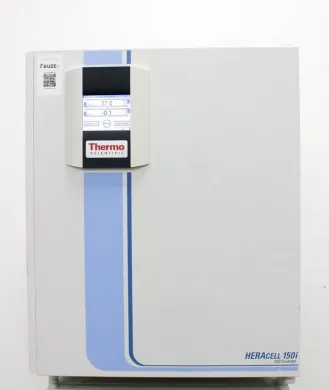
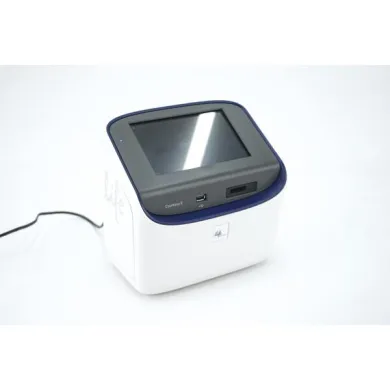
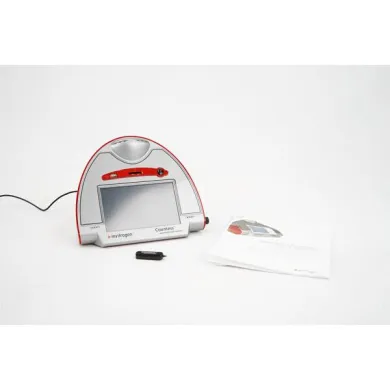
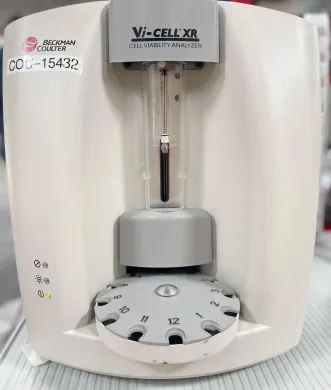
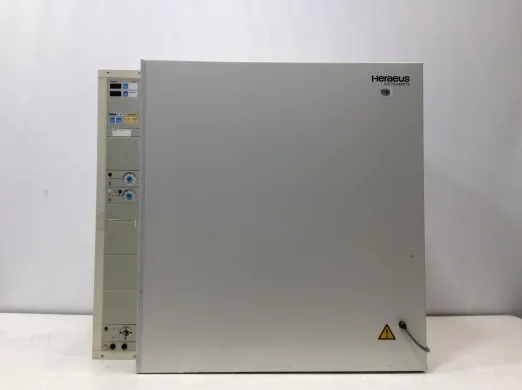
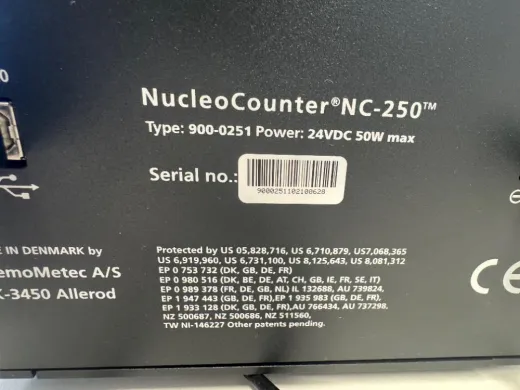
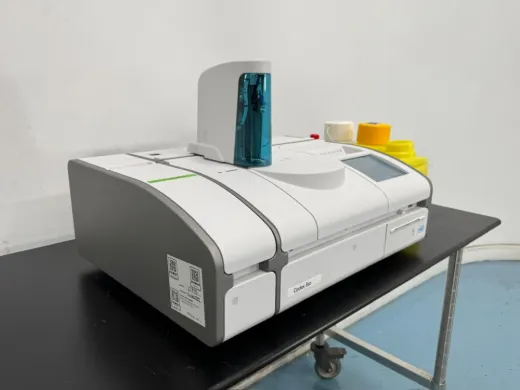
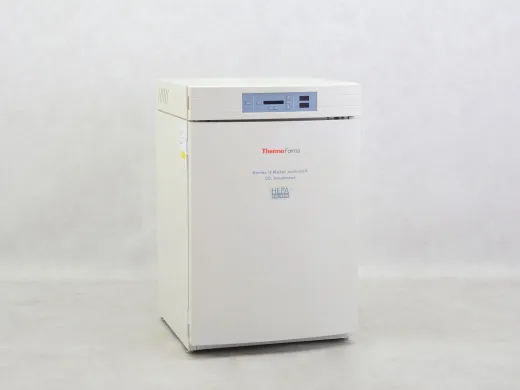
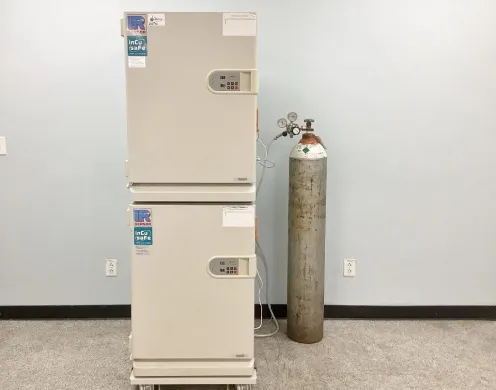
Among the listings that specify a type, the category divides into two families: the instruments that maintain cells and the instruments that measure them. Cell culture incubators and CO2 incubators dominate the maintenance side, holding the gas, temperature and humidity that living cultures depend on; a tissue culture incubator is the same class of device named for its application. A general laboratory incubator, by contrast, regulates temperature alone and suits microbiology or drying work rather than mammalian cell culture. On the measurement side, automated cell counters report cell concentration and a cell viability analyser reports what fraction of a population is alive, both central to cell culture and to cell imaging workflows.
These instruments do real work in biotechnology and the life sciences. CO2 incubators support cell culture and cell-based immunoassay development, holding cultures for protein purification upstream of downstream analysis. Automated cell counters feed molecular biology and genomics pipelines, since a known cell count sets the input for a transfection, a gene editing experiment or a single-cell sequencing run. Cell viability analysers support bioprocessing and biomanufacturing, where culture health determines yield, and they also serve cell culture quality control in molecular diagnostics. A benchtop cell counter is a routine purchase for a microbiology or proteomics laboratory running daily culture counts.
The brands behind the primary and cultured cells listings
The listings here are led by Miltenyi Biotec, Beckman Coulter, Thermo Scientific, Miltenyi, Thermo Fisher Scientific. For a buyer, their presence has practical consequences: a Thermo Scientific or Beckman Coulter incubator is a widely sold platform, so parts and consumables are easier to source and a used model is easier to compare against another of the same line. Miltenyi Biotec equipment reaches further into cell separation and analysis, which narrows the field when a protocol calls for a specific workflow. A concentration of known makers also steadies the price picture, because a buyer can read one listing against another of the same model rather than guessing at an unfamiliar unit.
What condition and price look like in this category?
The condition mix is heavily weighted toward pre-owned equipment: 99 percent of the listings are used. Prices run from EUR 12 to EUR 150.656. That range covers the full distance from a small benchtop counter or a single accessory to a large automated culture system, which is why the span is so wide. Used and refurbished units are listed below new prices, and with so few new units in the catalogue, the used market is where most of the choice in cell culture equipment sits.
Frequently asked questions
What are primary and cultured cells equipment?
It is the group of laboratory instruments that grow, maintain, count and assess the viability of living cells outside the organism. This covers incubators that hold the temperature, humidity and gas conditions a cell line needs, plus the counters and analysers that measure how many cells are present and how many are alive.
What does primary and cultured cells mean as a category?
The term distinguishes two sources of cells: primary cells taken directly from tissue and cultured cells grown as established lines in the lab. The equipment in this category serves both, since each requires controlled growth conditions and accurate counting before any experiment can proceed.
How do these instruments work?
An incubator seals cells in a chamber held at body temperature with a regulated carbon dioxide atmosphere that buffers the growth medium, and some models also control humidity and oxygen. A cell counter or viability analyser draws a small sample and reports concentration, size distribution and the live-dead ratio using optical or electronic detection.
What types are listed in this category?
Six recur across the listings: the cell culture incubator, the CO2 incubator, the automated cell counter, the laboratory incubator, the cell viability analyser and the tissue culture incubator. The incubator names often describe the same box under different labels or interior fittings, while the counters and analysers do the measuring rather than the growing.
What is this equipment used for?
Incubators keep cell populations alive for culture, imaging, protein purification and scale-up for biomanufacturing. Counters set seeding density before an experiment, and viability analysers report the fraction of intact cells, a figure that matters in bioprocessing, cell therapy and molecular diagnostics.
How do I choose between the incubator types?
Decide by what you culture and what you need to control. A plain laboratory incubator suits a microbiology bench, while sensitive primary cultures call for a tri-gas CO2 cabinet that regulates oxygen and humidity as well as carbon dioxide; capacity and whether the unit runs a high-temperature decontamination cycle also separate models.
What is the difference between refurbished and used units?
A used unit is sold in its existing condition, while a refurbished one has been checked and brought back toward working order before listing. Both are listed at lower prices than new; read the individual listing to see what has been done to a given unit.
How much does this equipment cost?
Prices across the category range from EUR 12 to EUR 150.656, with an average around EUR 9.385. The span is wide because it covers everything from a small benchtop counter to a large multi-chamber incubator or an automated viability platform.
Which brands appear in this category?
The names that recur are Miltenyi Biotec, Beckman Coulter, Thermo Scientific, Miltenyi and Thermo Fisher Scientific. Thermo-branded incubators and Beckman Coulter counters show up often, and Miltenyi Biotec instruments bring cell separation and analysis into the same catalogue.
Can I get a warranty on a refurbished unit?
A warranty is often possible and is arranged in consultation for the specific listing. Terms are not set centrally, so check the individual listing and raise the question with the supplier before you buy.
Can I still get parts for these instruments?
Parts can be sourced via Questpair. A concentration of listings under a handful of makers also means parts and consumables for well-documented model lines are easier to match.
How long do these instruments last?
Incubators and counters built for continuous lab use typically run for many years when maintained, with chambers and sensors being the components that wear. Lifespan depends on usage intensity, the care record of a specific unit and how readily its consumables and sensors can be replaced.
Should I buy new or refurbished?
The practical difference on Questpair is price: used and refurbished units are listed below new. Support and warranty are not set centrally, so weigh a specific new listing against a specific used one and confirm warranty in consultation for whichever you pick.
Where can I buy this equipment?
It is offered on Questpair by verified suppliers and distributors across 9 countries, with 17 suppliers behind 1121 listings. You can compare units of the same model against each other on the same page.
What are the lead time and shipping like?
Lead time and shipping depend on the individual supplier and where the unit ships from, since listings come from suppliers across 9 countries. The listing shows who holds the unit, and specialists respond within one hour if you need details before ordering.
What calibration and maintenance do these need?
Incubators need periodic checks of temperature, CO2 and humidity against reference values, plus cleaning or decontamination cycles to keep the chamber sterile. Counters and viability analysers need routine verification against control samples; Questpair does not provide servicing, so maintenance is arranged through your own provider.
Which types are listed most, and who reaches for which?
Cell culture incubators and CO2 incubators form the bulk of what is listed, followed by automated cell counters. A microbiology bench reaches for a plain laboratory incubator, a lab running primary cultures reaches for a tri-gas CO2 cabinet, and a bioprocessing or cell therapy group reaches for a viability analyser to track the live-dead ratio.
Which brands dominate, and what does that mean for a buyer?
Listings concentrate under Thermo Fisher Scientific, Beckman Coulter and Miltenyi Biotec among the recurring names. For a buyer this means a second-hand unit can usually be matched against another on the same specification rather than judged in isolation, and consumables for those model lines are easier to source.
What separates the cheapest listings from the most expensive?
At the low end sit small benchtop counters and single-chamber incubators; at the high end sit large multi-chamber or tri-gas incubators and automated viability platforms that control more variables and handle larger throughput. Condition also shifts the figure, with used and refurbished units listed below new.