58k+ listingsShips to NLResponse within one hour+31 73 711 4717info@questpair.com
Procurable · sourced on request

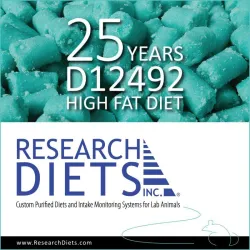
Research Diets D12492

UsedResearch DietsPrimary and cultured cellsNetherlands
Procurable

Not in stock, available to order through our sourcing team

Not in stock, but we can get it for you

We source this model through our supplier network. Request a quote and we'll come back within one hour.

  1. Request a quote
  2. We confirm price and lead time
  3. You approve, we ship to you
Intended species
Rodent (Rat/Mouse)
Total weight per package
773.85 g
Protein content
26.2% g
Carbohydrate content
26.3% g
Fat content
34.9% g
Availability
Procurable
Lead time
Confirmed with your quote
All 16 specifications
  • Ships to NL
  • Response within 1 hour
  • Warranty available. Buy without worry
  • Support from a scientist

Specifications 16

Brands
Research Diets
New/Used
Used
Intended species
Rodent (Rat/Mouse)
Total weight per package
773.85 g
Protein content
26.2% g
Carbohydrate content
26.3% g
Fat content
34.9% g
Cholesterol content
279.6 mg/kg
Color
Blue
Energy density
5.21 kcal/g
Shelf life
6 months
Storage temperature
Frozen
Irradiation
Not irradiated
Irradiation designation
D12492i
Availability
Procurable
Lead time
Confirmed with your quote

Product description

High-fat rodent diet (60% fat, 5.21 kcal/g) for modelling metabolic, cardiovascular, and neurological conditions.

Research Diets D12492 is a meticulously formulated high-fat rodent diet, providing 60% of its caloric content from fat. This diet is widely utilised in preclinical studies to model human metabolic conditions such as obesity, diabetes, and cardiovascular diseases. By offering a consistent and controlled nutritional profile, it enables researchers to investigate the effects of high-fat intake on various physiological and pathological processes.

Key features:

  • High-fat content: 60% of total calories derived from fat, facilitating the study of diet-induced metabolic disorders.
  • Defined composition: Purified ingredients ensure reproducibility and minimise variability in experimental outcomes.
  • Energy density: Provides 5.21 kcal/g, supporting studies on energy balance and weight gain.
  • Customisable: Available in irradiated forms to meet specific research requirements.

Applications:

  • Metabolic research: Investigating mechanisms underlying obesity, insulin resistance, and related metabolic syndromes.
  • Cardiovascular studies: Assessing the impact of high-fat diets on heart health and vascular function.
  • Neuroscience: Exploring the effects of diet on brain function and behaviour.
  • Biotechnology: Evaluating therapeutic interventions targeting metabolic pathways.

Commonly used in:

  • Academic institutions: Universities and research centres conducting fundamental and applied biomedical research.
  • Pharmaceutical companies: Developing and testing new drugs for metabolic and cardiovascular diseases.
  • Biotechnology firms: Investigating novel therapeutic targets and interventions.

Since its introduction, Research Diets D12492 has become a standard tool in metabolic research, offering a reliable platform for studying the complex interactions between diet and health.

Why Questpair exists

Lab equipment markets are fragmented. Buyers spend weeks calling distributors, comparing quotes, and verifying supplier reliability. Sellers struggle to reach global research labs.

We built Questpair to fix this. Every supplier on the platform is verified before listing. Every quote you receive comes from a real, vetted seller. AI prepares your case in minutes, then a real specialist takes over.

We're an independent team based in The Netherlands, working with research labs and procurement teams across Europe and worldwide.

Frequently asked questions

How long does laboratory equipment typically last?

With a service contract, ten to fifteen years is normal for most benchtop instruments. Detectors and pumps are the parts that wear first.

Can I get service for older equipment?

Yes. Every verified supplier states which service partners cover the instrument, and we list that alongside the offer.

Where can I buy parts?

Ask a scientist through the request button. Parts are often available even when the instrument itself is discontinued.

What is the typical lead time for refurbished equipment?

Two to six weeks, depending on refurbishment scope and whether calibration is included.

Does laboratory equipment ship internationally?

We ship to 38 countries. Crating and customs handling are quoted with the instrument.

Reply in one hour

Can't find the exact configuration?

Tell us what you need and a scientist finds it for you, usually within the hour.

Last updated 19 October 2026