

PCR equipment
We personally find you the right used, refurbished and new pcr equipment from verified suppliers.
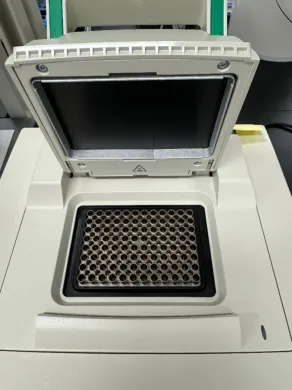
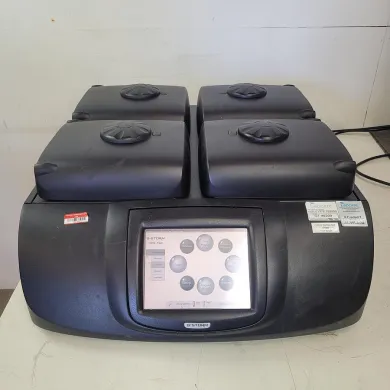
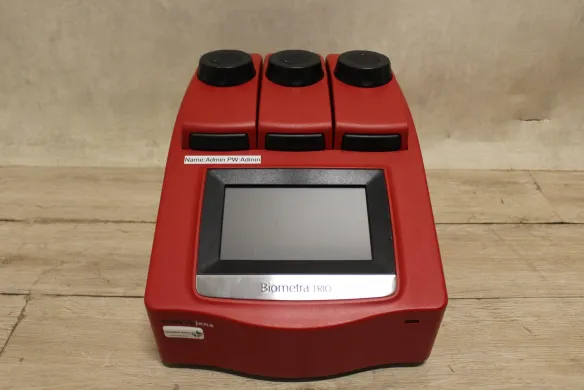
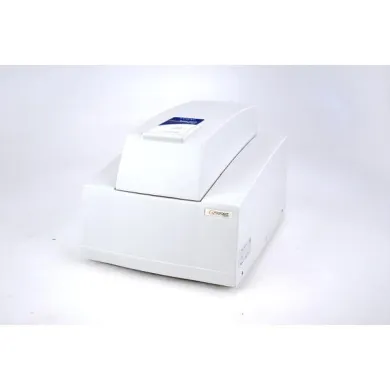
PCR equipment is the class of laboratory instruments that amplifies DNA through the polymerase chain reaction, cycling a sample through repeated heating and cooling steps to copy a target sequence millions of times. On Questpair, 1758 PCR listings are available from 20 verified suppliers and distributors across 12 countries, offered new, used and refurbished. Of those listings, 96 percent are used, the remainder new. Prices range from EUR 1 to EUR 97.711, covering single consumables through to complete real-time systems. The category spans thermal cyclers, which run endpoint amplification, and real-time instruments, which read fluorescence during each cycle to quantify the product as it forms.
Updated:
PCR equipment product list
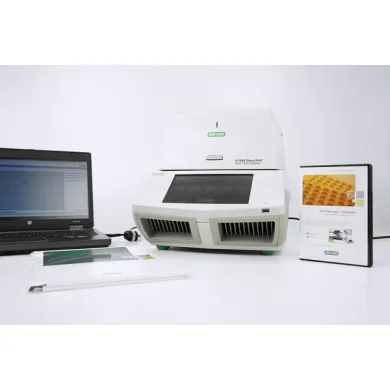


Not the exact instrument you need?
Tell our scientists what you are after. We track it down, including off-market supply.
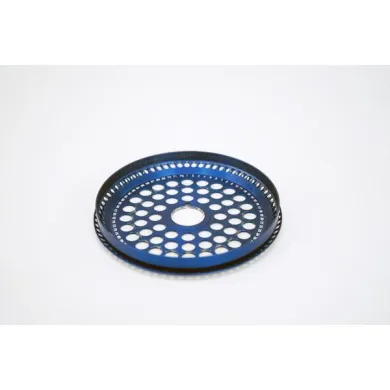
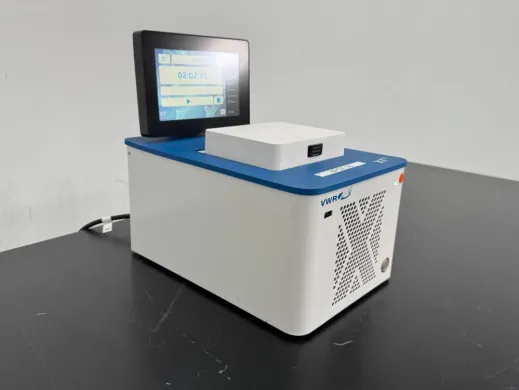
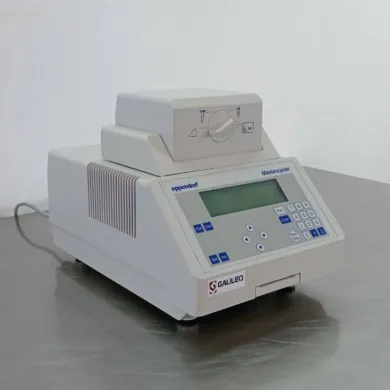
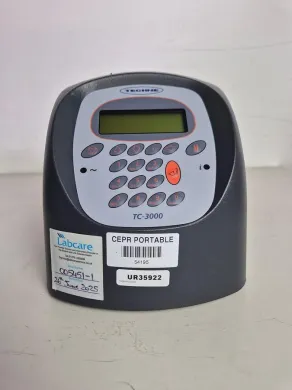
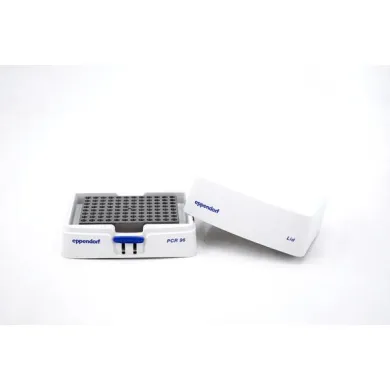
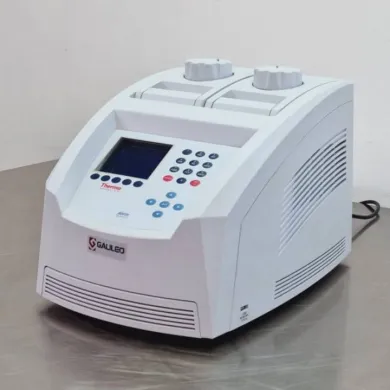
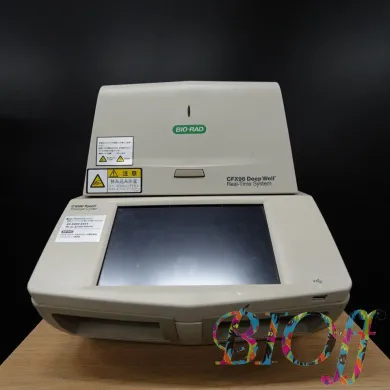
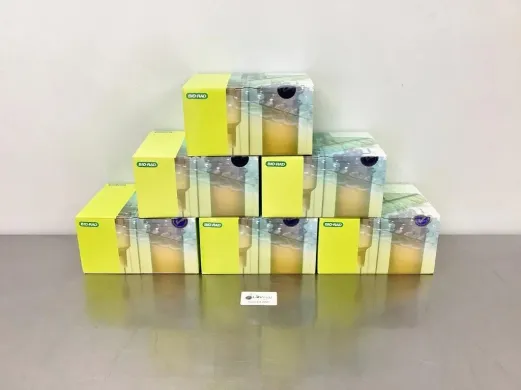
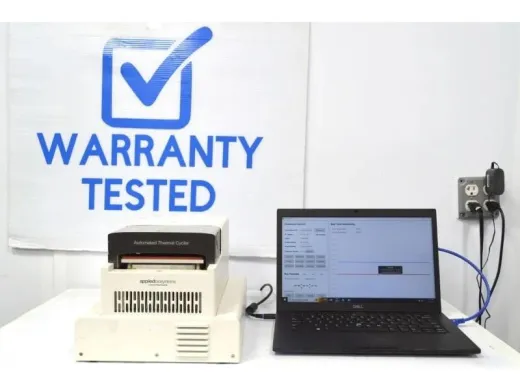
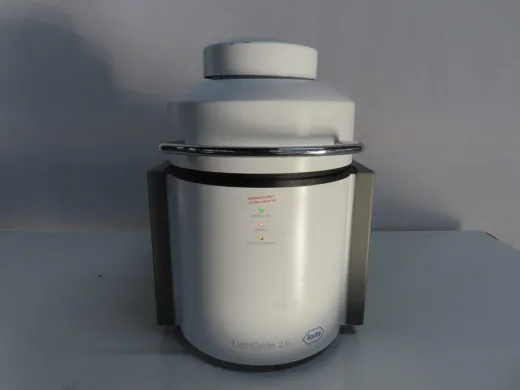
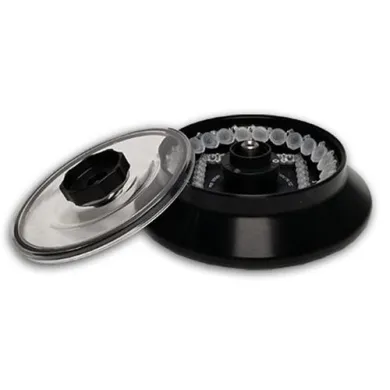
Not the exact instrument you need?
Tell our scientists what you are after. We track it down, including off-market supply.
Showing 1–40 of 731 listings
Show 40 more listingsBuying guide
The thermal performance of the block settles most PCR purchases, because it governs both the assays an instrument can run and how long each run takes. Ramp rate, the speed at which the block moves between temperatures, decides throughput: a fast-ramping unit shortens a 40-cycle protocol by a significant margin over a slower one, which matters when a lab processes plates back to back. Block format matters alongside it. A 96-well block suits routine work, a 384-well block raises capacity for screening, and interchangeable blocks let one chassis serve different plate formats. Where the work is comparative, a gradient block runs a range of annealing temperatures across the plate in a single pass, so a buyer optimising a new primer pair should confirm the instrument offers one.
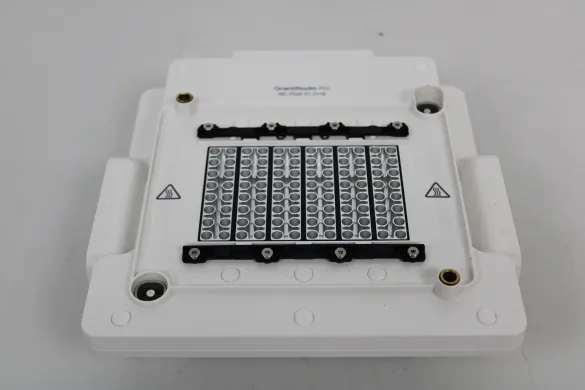
Whether the instrument reads fluorescence in real time is the second decision, and it is a different purchase rather than a feature. A plain thermal cycler amplifies and stops; a real-time, or quantitative, instrument measures product accumulation cycle by cycle and reports a quantity. The number of optical channels on a real-time system fixes how many targets it can distinguish in one well, so a lab running multiplex assays needs more channels than one running single-target quantification. Buyers moving from endpoint to quantitative work should budget for the optics, which account for much of the price gap between the two classes.
On a used unit, verify the block and the optics before anything else. Thermal blocks degrade with thousands of cycles, and a worn block holds temperature unevenly across the wells, which shows up as inconsistent results rather than an obvious fault. Ask for a recent temperature-uniformity check, confirm the lamp or LED hours on a real-time system, and establish that the control software still runs on a current operating system, since older instruments often depend on a specific legacy version.
What a PCR instrument costs on this marketplace spans a wide band, from EUR 1 for a consumable or accessory to EUR 97.711 for a high-channel real-time system. The bulk of complete thermal cyclers sits well below the top of that range, so a buyer working to a fixed budget has real choice among the mid-range instruments. Refurbished and used units listed for sale are more affordable than new, which is why most of the equipment here falls into that category, and Applied Biosystems, Bio-Rad, Eppendorf, Roche, Agilent are the names a buyer will meet most often when comparing models at a given price.
Types of PCR equipment
Which PCR instrument types are listed?
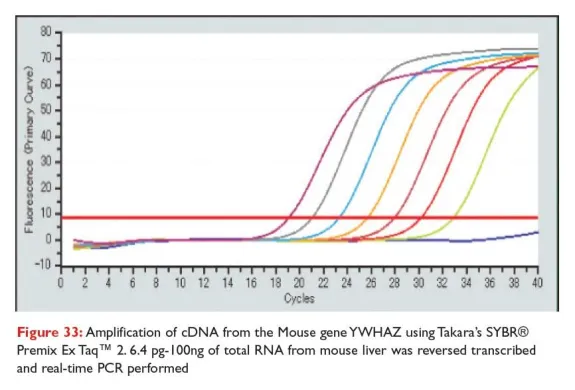
Among the listings that specify a type, the split runs along one line: whether the instrument reads the reaction as it happens. Thermal cyclers, also written as PCR thermal cyclers or PCR machines, drive the amplification and stop, giving an endpoint product a researcher then analyses separately, typically by gel electrophoresis. They are the standard tool for routine molecular biology, for cloning, and for preparing templates ahead of sequencing. Real-time PCR systems, the quantitative PCR instruments in the same list, add optics that measure fluorescence during each cycle, so the instrument reports how much target was present at the start. That capability makes them the workhorse of molecular diagnostics and gene expression studies, where a quantity, not just a yes or no, is the result. The wider heading of molecular biology equipment covers the accessories and consumables that sit alongside both.
The polymerase chain reaction underpins a large part of modern biotechnology, and the instrument type a lab chooses follows the work it does. Quantitative PCR is central to molecular diagnostics and to genomics, where it validates sequencing results and measures gene expression across samples. Endpoint thermal cycling supports cloning, mutagenesis and library preparation in synthetic biology and molecular cloning workflows. Real-time instruments also carry much of the load in microbiology for pathogen detection, and both classes feed into proteomics and cell culture research wherever a nucleic acid has to be amplified before it can be studied. A buyer searching for a real-time PCR system for gene expression analysis, or a gradient thermal cycler for primer optimisation, is describing the instrument and the field it serves in one phrase, and both map directly onto the types listed here.
The brands behind the PCR listings
The names a buyer meets most often are Applied Biosystems, Bio-Rad, Eppendorf, Roche, Agilent. For a buyer, that concentration is useful on two fronts. Consumables and replacement parts for the common platforms are easier to source, because the plates, caps and optical seals that fit a widely sold instrument stay in supply long after a niche model's do not. It also makes models easy to compare: where several suppliers list the same well-known chassis, a buyer can weigh condition and price directly rather than guessing at an unfamiliar instrument. Real-time systems from these makers tend to sit at the higher end of the price range, reflecting their optics, while basic thermal cyclers from the same brands populate the mid and lower bands.
What a used PCR instrument costs here
The condition mix leans heavily one way: 96 percent of the listings are used, the remainder new. Prices run from EUR 1 to EUR 97.711. That spread covers everything from a single consumable at the floor to a multi-channel real-time platform at the ceiling, with complete thermal cyclers occupying the middle. Used and refurbished units are listed at lower prices than new, which is the practical reason the catalogue tilts toward them. Where a buyer wants to weigh a used instrument against a new one, the individual listing carries the detail, and a warranty is arranged in consultation for that specific listing.
Frequently asked questions
What is PCR equipment?
PCR equipment is the group of laboratory instruments that amplify DNA through the polymerase chain reaction, cycling a sample through repeated heating and cooling to copy a target sequence many times over. The category covers thermal cyclers for endpoint amplification and real-time systems that read fluorescence during each cycle.
What does PCR equipment mean?
PCR stands for polymerase chain reaction, so PCR equipment means the instruments that run that reaction. The term covers thermal cyclers, real-time or quantitative PCR systems, and the consumables and accessories grouped under molecular biology equipment.
How does PCR equipment work?
A thermal block heats and cools the sample through a set program, denaturing the DNA, annealing primers, and extending new strands, repeated for 30 to 40 cycles so the target doubles each pass. Real-time instruments add optics that read fluorescence during the run, reporting how much target was present at the start rather than only an endpoint product.
What types of PCR equipment are there?
The listings split along one line: thermal cyclers, also written as PCR thermal cyclers or PCR machines, run endpoint amplification and stop, while real-time PCR systems, the quantitative PCR instruments, read fluorescence cycle by cycle to measure the product as it forms. Molecular biology equipment covers the accessories and consumables that sit alongside both.
What is PCR equipment used for?
Endpoint thermal cycling supports cloning, mutagenesis and library preparation, with the product analysed separately by gel electrophoresis. Real-time or quantitative PCR is used in molecular diagnostics, gene expression studies, pathogen detection, and to validate sequencing results, wherever a quantity rather than a yes or no is the answer.
How do I choose a PCR instrument?
Start with whether you need fluorescence read in real time, since that separates a plain thermal cycler from a quantitative system and accounts for much of the price gap. Then weigh block format (96-well for routine work, 384-well for screening), ramp rate for throughput, and a gradient block if you optimise annealing temperatures across a plate.
What is the difference between refurbished and used PCR equipment?
Used describes an instrument sold in its existing condition, while refurbished means it has been checked and brought back toward working specification before listing. On a real-time system, ask about lamp or LED hours, and on any unit request a recent temperature-uniformity check regardless of which label the listing carries.
How much does PCR equipment cost?
On this marketplace prices range from EUR 1 to EUR 97.711, with an average around EUR 3.502. The floor covers a single consumable or accessory, complete thermal cyclers sit in the middle, and high-channel real-time systems reach the ceiling.
What are the main PCR equipment brands?
The names that appear most often across the listings are Applied Biosystems, Bio-Rad, Eppendorf, Roche and Agilent. Because several suppliers list the same widely sold chassis, a buyer can compare condition and price directly rather than assessing an unfamiliar model.
Can I get a warranty on a refurbished PCR instrument?
A warranty is often possible and is arranged in consultation for the specific listing. Check the listing detail and raise the question before purchase so the terms are settled for that exact unit.
Can I get replacement parts for PCR equipment?
Parts can be sourced via Questpair. Plates, caps, optical seals and other consumables for widely sold platforms stay in supply longer than those for niche models, which is one reason the common brands are easier to run over time.
How long does a PCR instrument last?
A thermal block degrades over thousands of cycles, and a worn block holds temperature unevenly across the wells, which shows up as inconsistent results rather than an obvious failure. On a used unit, ask for a recent temperature-uniformity check, and on a real-time system confirm the lamp or LED hours to judge remaining life.
Should I buy new or refurbished PCR equipment?
Used and refurbished units are listed at lower prices than new, which is the practical reason the catalogue tilts toward them. Weigh the two on the individual listing, where the condition detail sits, and settle warranty in consultation for that specific unit.
Where can I buy PCR equipment?
On Questpair, 1758 PCR listings are available from 20 verified suppliers and distributors across 12 countries, offered new, used and refurbished. Each listing carries its own condition and specification detail.
What is the lead time and shipping on a PCR instrument?
Lead time and shipping depend on the individual seller and the instrument's location, since listings come from suppliers across 12 countries. The specifics are set per listing, so check it there or contact Questpair, where specialists respond within an hour.
How is PCR equipment calibrated and maintained?
Thermal performance is verified with a temperature-uniformity check across the block, and real-time systems also need their optics and lamp or LED condition assessed. Questpair does not provide servicing, so confirm the current calibration status and recent check results with the seller through the listing.
Which PCR instrument types are listed most, and who reaches for each?
Thermal cyclers serve routine molecular biology, cloning and template preparation ahead of sequencing, where an endpoint product is enough. Real-time and quantitative PCR systems are chosen by diagnostics and gene expression labs that need a measured quantity, and labs running multiplex assays look specifically at the number of optical channels.
Which brands dominate this category and what does that mean for a buyer?
Applied Biosystems, Bio-Rad, Eppendorf, Roche and Agilent recur across the listings. That concentration keeps consumables and replacement parts easier to source for the common platforms, and it lets a buyer compare the same chassis across several suppliers on condition and price.
What separates the cheapest PCR listings from the most expensive?
At the bottom of the band sit single consumables and accessories, then complete thermal cyclers occupy the middle. The top is held by high-channel real-time systems, where the optics that measure fluorescence and distinguish multiple targets per well account for most of the difference in price.