

Process pumps
We personally find you the right used, refurbished and new process pumps instruments & equipment from verified suppliers.
Process pumps are fluid-handling devices that move liquids through laboratory and production systems at controlled flow rates, used in applications ranging from reagent dosing to large-scale bioprocessing. They cover peristaltic, HPLC and bioprocessing designs, each matched to a different combination of flow range, pressure and fluid chemistry. The Questpair catalogue lists 2033 process pumps from 19 verified suppliers and distributors across 15 countries, in new, used and refurbished condition. Of those listings, 94 percent are used, the remainder new. Prices run from EUR 1 to EUR 236.745, a range that reflects how far this class of equipment stretches, from a single bench dosing head to a complete process skid.
Updated:
Process pumps product list


Not the exact instrument you need?
Tell our scientists what you are after. We track it down, including off-market supply.
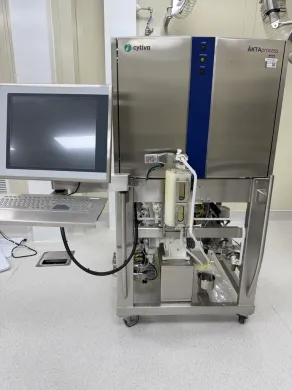
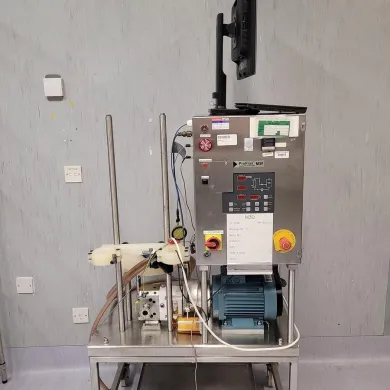
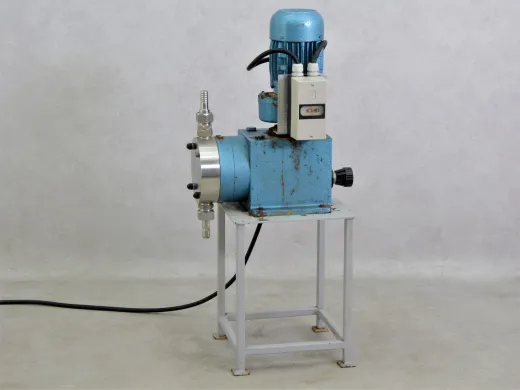
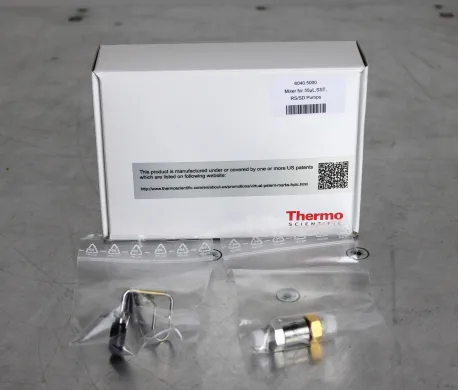
Not the exact instrument you need?
Tell our scientists what you are after. We track it down, including off-market supply.
Showing 1–40 of 907 listings
Show 40 more listingsBuying guide
Flow rate settles most purchases here before anything else, because a pump chosen for the wrong volume range is simply the wrong pump. A peristaltic head dosing microlitres per minute into a fermenter has nothing in common with a process unit shifting litres per minute through a filtration loop, and the two do not substitute for one another. Fix the flow window the application needs first, then read everything else against it: pressure capability, the materials that touch the fluid, and whether the duty is continuous or intermittent.
Pressure and fluid chemistry follow directly from that flow decision. An HPLC pump has to hold a steady flow against high back-pressure, so its specification lives in bar and in pulsation, not in litres. A peristaltic pump isolates the fluid inside a disposable tube, which decides tubing material and service life rather than wetted-part metallurgy. Where the liquid is aggressive, solvent-laden or shear-sensitive, the wetted materials and the pump principle matter more than headline throughput, and a buyer who skips this ends up with a unit that meets the flow figure and corrodes or shears the product.
On a used unit, condition work centres on the parts that wear. Peristaltic heads need their rollers and occlusion checked and fresh tubing fitted as a matter of course. Diaphragm and HPLC pumps need their seals, check valves and pistons inspected, since these are consumables and a listing described as working may still want a seal kit. Ask what has been replaced and when, and treat recalibration of the flow or the pressure output as expected rather than optional. Where a manual or documentation is missing, that can be requested through Questpair, and specialists respond within an hour.
What a unit costs spans the whole catalogue, from entry-level dosing heads near EUR 1 to complete process systems approaching EUR 236.745, with an average around EUR 7.308. The lower end suits a tight budget and covers most bench peristaltic and metering work; the upper end carries bioprocessing skids and tangential flow systems from Cytiva, Millipore, Thermo Scientific, Agilent, Cole-Parmer. Used and refurbished units listed for sale sit below the price of new equivalents, which is where the saving on this class of equipment comes from. Where a warranty matters, that is arranged in consultation against the specific listing.
Types of Process pumps
Which process pump types are listed?
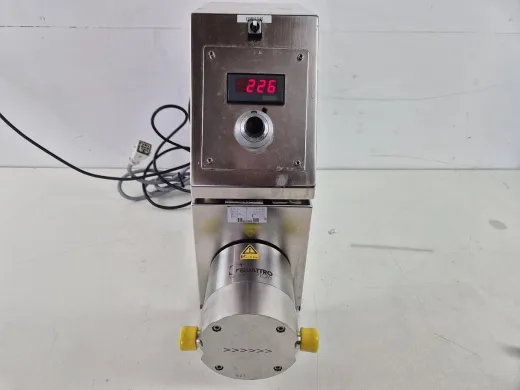
Among the listings that specify a type, the catalogue divides along how the fluid is moved and what it is moved for. Peristaltic pumps are the most common: a roller compresses a length of tubing, so the liquid never touches the pump body and the only wetted part is a disposable tube. That isolation makes them the default for sterile dosing, media transfer and sample preparation, and it is why they dominate cell culture and bioprocessing benches. Laboratory pumps cover the general-purpose metering and transfer units that sit on a bench without a dedicated process role. HPLC pumps are built for a different job entirely, delivering a precise, pulse-controlled flow against high back-pressure so a chromatography column runs reproducibly, which places them in analytical chemistry, molecular diagnostics and protein purification workflows. Bioprocessing pumps and bioprocessing equipment are sized and specified for scale-up, where throughput and sterility carry more weight than micro-volume precision.
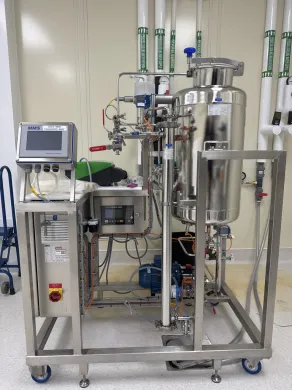
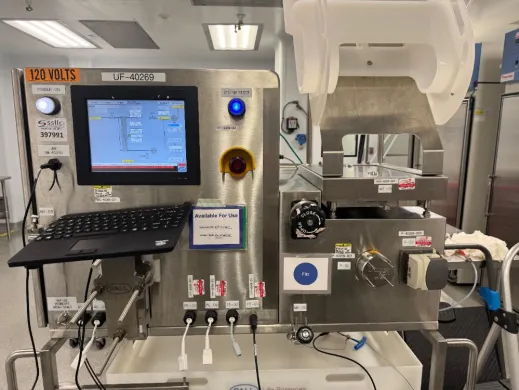
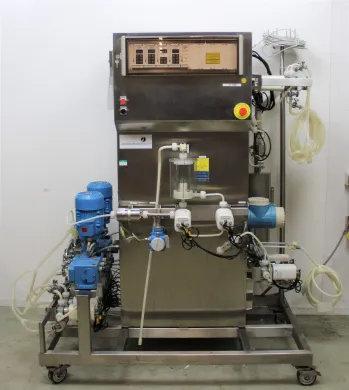
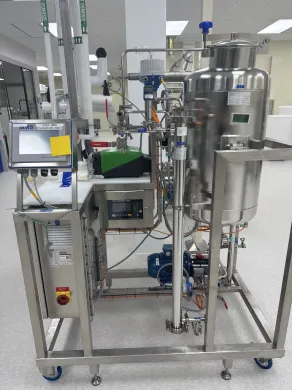
Tangential flow filtration systems also appear under this heading, and they are where a pump becomes part of a larger process. In tangential flow filtration the feed runs parallel to a membrane while a pump maintains the crossflow, concentrating or exchanging buffer without clogging the filter. That work is central to biomanufacturing and to protein purification: it is how a monoclonal antibody stream is concentrated, how a cell culture harvest is clarified, and how buffer is exchanged ahead of a final fill. A buyer searching for a peristaltic pump for cell culture, an HPLC pump for protein purification, or a tangential flow filtration system for antibody concentration is describing three different jobs, and the type that fits one rarely fits another.
The brands behind the process pump listings
The names that recur are Cytiva, Millipore, Thermo Scientific, Agilent, Cole-Parmer. For a buyer, that concentration is useful in three practical ways. Parts and tubing for established peristaltic and bioprocessing lines are easier to source when the maker has a wide installed base, which several of these do. Price level tracks the brand too: analytical and bioprocess names sit higher, general laboratory pump makers lower, so the brand gives a quick read on where a listing will land in the range. And a well-represented brand is easier to compare, because multiple units of the same model appear across the catalogue, letting a buyer judge condition and price against like for like rather than guessing. All of these come from verified suppliers and distributors.
What a used process pump costs here
Condition is heavily weighted toward used equipment: 1914 of the listings are used against 119 new, so 94 percent of the catalogue is pre-owned. Prices range from EUR 1 to EUR 236.745. That spread covers everything from a bare peristaltic head to a complete tangential flow or bioprocessing skid, which is why the figure stretches so far, and it is the reason used and refurbished pumps are listed below the cost of new equivalents.
Frequently asked questions
What is a process pump?
A process pump is a fluid-handling device that moves liquids through laboratory or production systems at a controlled flow rate. The category spans peristaltic, HPLC and bioprocessing designs, each matched to a particular combination of flow range, pressure and fluid chemistry.
What does 'process pump' mean?
The term describes pumps built for a defined process role rather than casual fluid transfer, meaning the flow rate, pressure and wetted materials are specified for a task like reagent dosing, chromatography or buffer exchange. It separates purpose-built units from general-purpose transfer pumps.
How do process pumps work?
The mechanism depends on the type: a peristaltic pump uses a roller to compress tubing so the liquid moves without touching the pump body, while an HPLC pump drives a piston to hold steady flow against high back-pressure. Bioprocessing pumps apply similar principles sized for larger throughput.
What types of process pumps are there?
The catalogue covers peristaltic pumps, laboratory pumps, bioprocessing pumps, HPLC pumps, bioprocessing equipment and tangential flow filtration systems. They divide by how the fluid is moved and what it is moved for, from microlitre dosing to litre-per-minute filtration loops.
What are process pumps used for?
Uses range from sterile reagent dosing and media transfer on the bench to chromatography flow delivery and large-scale bioprocessing. Tangential flow filtration systems also handle buffer exchange and concentration of monoclonal antibody or cell culture streams.
How do I choose the right process pump?
Fix the flow window the application needs first, because a pump sized for the wrong volume range will not substitute. Then read pressure capability, the materials that touch the fluid, and whether the duty is continuous or intermittent against that flow figure.
What is the difference between a refurbished and a used process pump?
A used pump is sold in its current working condition, while a refurbished one has had wear parts inspected and replaced before listing. On both, ask what has been done to the wear items and treat recalibration of flow or pressure output as expected.
How much does a process pump cost?
Prices in the catalogue run from EUR 1 to EUR 236.745, with an average around EUR 7.308. The lower end covers bench peristaltic and metering heads; the upper end carries bioprocessing skids and tangential flow systems.
Which brands make process pumps?
The names that recur are Cytiva, Millipore, Thermo Scientific, Agilent and Cole-Parmer. Analytical and bioprocess names tend to sit higher in the price range, general laboratory pump makers lower.
Can I get a warranty on a refurbished process pump?
A warranty is often possible and is arranged in consultation for the specific listing. Terms are tied to the individual unit rather than set across the category.
Can I get spare parts for a process pump?
Parts such as tubing, seals, check valves and pistons can be sourced via Questpair. Established peristaltic and bioprocessing lines with a wide installed base are generally easier to supply.
How long does a process pump last?
The pump body commonly lasts for years, while wear parts set the practical service interval. Peristaltic tubing, diaphragms, seals and check valves are consumables that need replacement on a cycle driven by use and fluid chemistry.
Should I buy a new or a refurbished process pump?
Used and refurbished units are listed at lower prices than new equivalents, which is the saving on this class of equipment. Where warranty matters, it is arranged in consultation against the specific listing, so weigh the two by the individual unit.
Where can I buy a process pump?
The Questpair catalogue lists 2033 process pumps from 19 verified suppliers and distributors across 15 countries. Listings cover new, used and refurbished condition.
What is the lead time and shipping on a process pump?
Lead time and shipping depend on the individual supplier and the condition of the unit, so they are confirmed against the specific listing. Questpair specialists respond within an hour if you need to check availability or dispatch.
What maintenance and calibration does a process pump need?
Peristaltic heads need rollers and occlusion checked and fresh tubing fitted; diaphragm and HPLC pumps need seals, check valves and pistons inspected. Recalibration of the flow or pressure output should be treated as expected after purchase, not optional.
Which process pump types are listed most, and who reaches for each?
Peristaltic pumps are the most common and dominate cell culture and bioprocessing benches because the fluid only touches a disposable tube. HPLC pumps go to analytical chemistry and protein purification for precise flow against back-pressure, while tangential flow filtration systems serve biomanufacturing for concentration and buffer exchange.
Which brands appear most in this category and what does that mean for a buyer?
Cytiva, Millipore, Thermo Scientific, Agilent and Cole-Parmer recur across the listings. A well-represented brand means tubing and parts are easier to source and multiple units of the same model appear, letting you compare condition and price like for like rather than guessing.
What separates the cheapest process pumps from the most expensive?
The bottom of the band near EUR 1 covers bare peristaltic heads and bench metering units, while the top approaching EUR 236.745 carries complete bioprocessing skids and tangential flow systems. The gap reflects throughput, sterility specification and whether you are buying a single head or a full process system.