

Process conveyors
We personally find you the right used, refurbished and new process conveyors instruments & equipment from verified suppliers.
Process conveyors are powered transport systems that move products, parts or samples from one station to another along a fixed path, handling the material flow between the separate steps of a laboratory, packaging or production line. On the Questpair catalogue, 146 process conveyors are listed from 7 verified suppliers and distributors across 6 countries. New, used and refurbished units appear here, and 99 percent of the listings are used. Prices run from EUR 43 to EUR 64.562, a span that reflects how far apart a short belt section and a complete automated handling cell sit. The field covers belt and chain transport, part feeding and the sorting and inspection stations that sit between conveyor runs.
Updated:
Process conveyors product list


Not the exact instrument you need?
Tell our scientists what you are after. We track it down, including off-market supply.
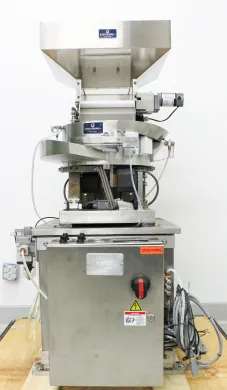
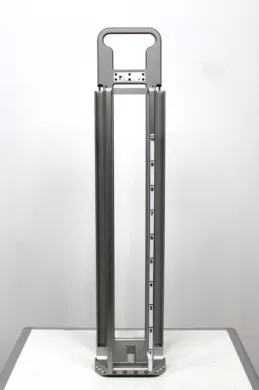
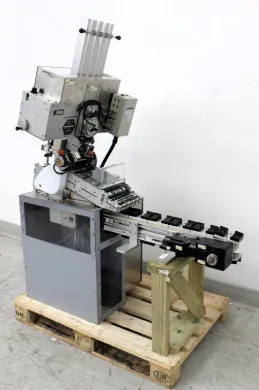
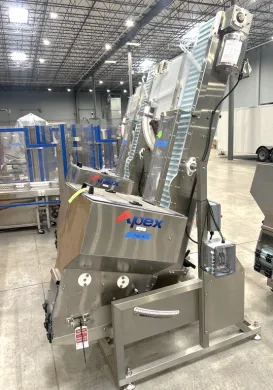
Not the exact instrument you need?
Tell our scientists what you are after. We track it down, including off-market supply.
Showing 1–40 of 65 listings
Show 25 more listingsBuying guide
The throughput and the product being moved settle most of this purchase before any brand enters the picture. Conveyance is not one task: a bulk feed of small components, a steady line of packaged units, and a batch of fragile samples each need a different transport principle, and a conveyor sized for one handles the others badly. Decide first what moves along the line, at what rate, and in what orientation, because that fixes belt width, the drive, the incline the unit can hold, and whether the product sits on a flat belt, nests in a chain, or arrives loose in a feeder bowl. A vibratory bowl feeder that orients screws will not carry filled vials, and an accumulation table that buffers bottles has no way to present oriented parts to a machine. Match the transport type to the product and the speed, and the rest of the specification follows from it.
On a used unit the drive and the contact surfaces are what to verify. Belts wear, lace joints fail, and bearings in the drive and idler rollers run dry, so a unit that moved abrasive material or ran continuously carries hours that a datasheet does not show. Ask what the conveyor last carried and for how long, confirm the motor and gearbox turn under load rather than freewheeling, and check the belt or chain for tracking wear at the edges. Where a unit is stainless steel, intended for washdown or clean handling, inspect the welds and the surface for pitting, because corrosion there is not cosmetic. A pallet jack is simpler but still mechanical: the hydraulic ram and the wheels are the parts that go.
The price spread here is wide, from EUR 43 to EUR 64.562. A short belt section, a single pallet jack or a bare feeder bowl sits near the floor of that range; a complete handling cell with a vision inspection system and integrated controls sits at the top. For a buyer working to a budget, that spread is the point: used and refurbished conveyors are listed at prices below new, and most of what trades here is used, so the question is rarely whether a unit fits the cost ceiling but which configuration does. The brands on offer, led by Various, Dorner, R-Tech Feeders, Kinematic Automation, R-Tech, set the parts and resale picture. Where a warranty matters, it is arranged in consultation for the specific listing, and parts can be sourced via Questpair. A conveyor for sale at the lower end is affordable to acquire; whether it is affordable to run depends on how much of the drivetrain you can inspect before it ships.
Types of Process conveyors
Which conveyor and handling types are listed?
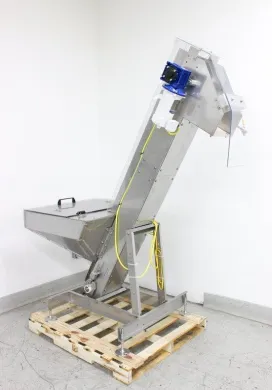
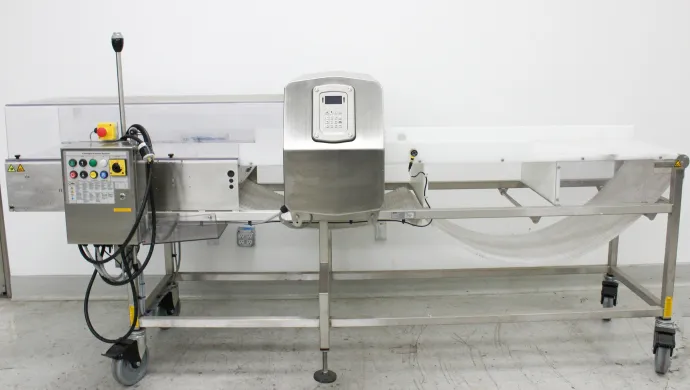
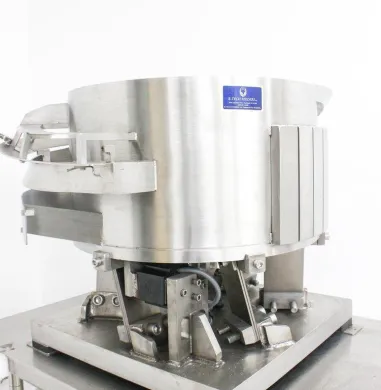
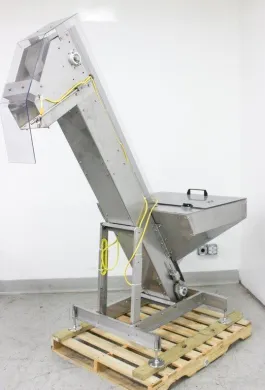
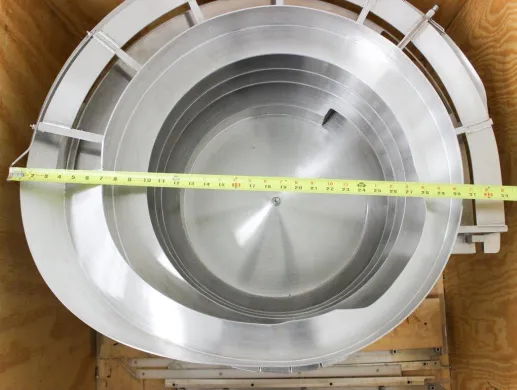
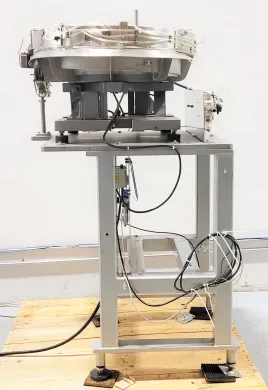
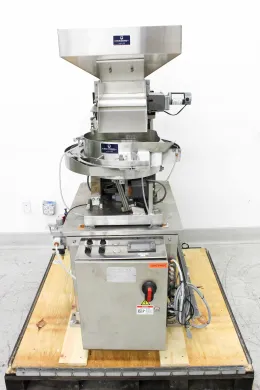
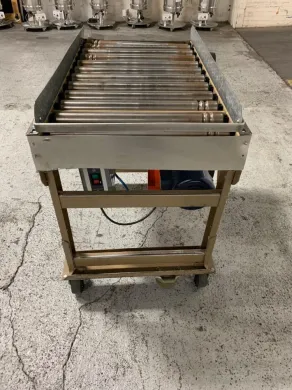
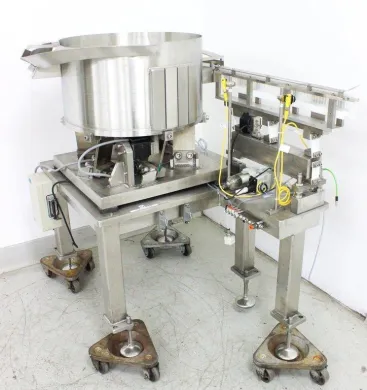
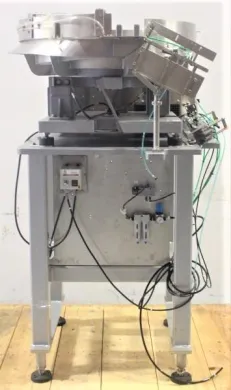
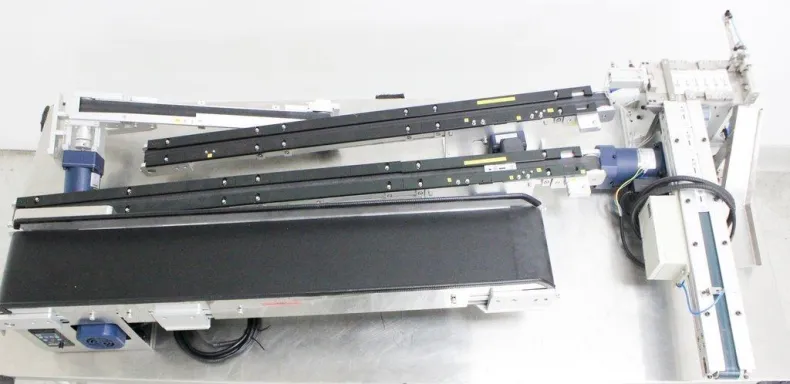
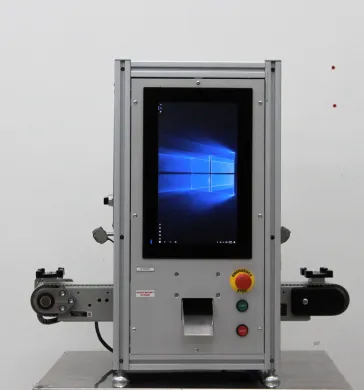
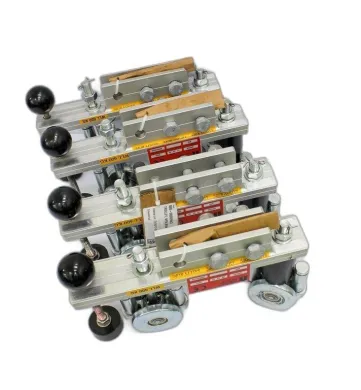
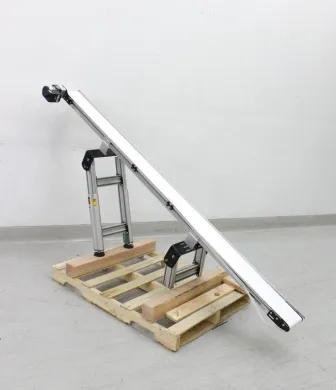
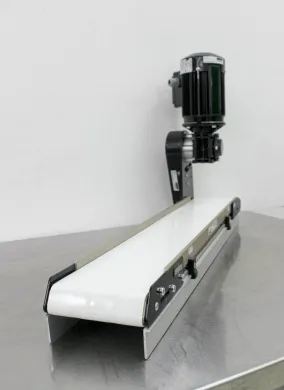
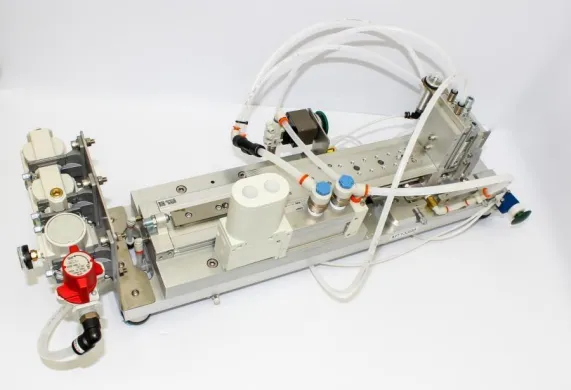
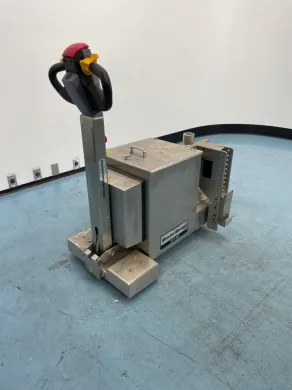
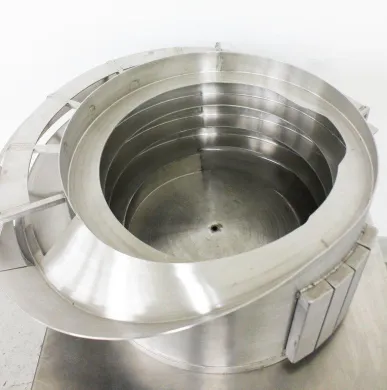
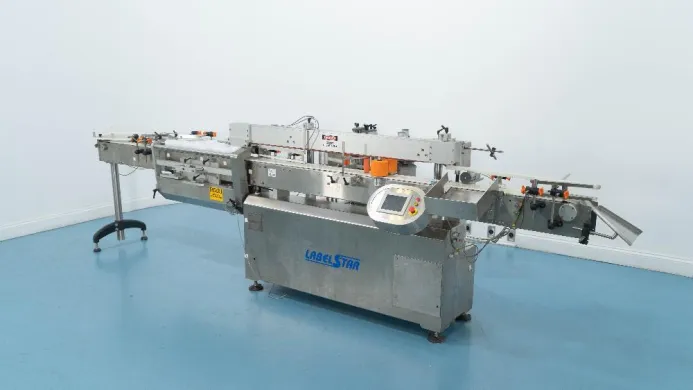
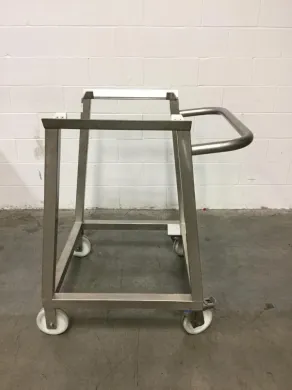
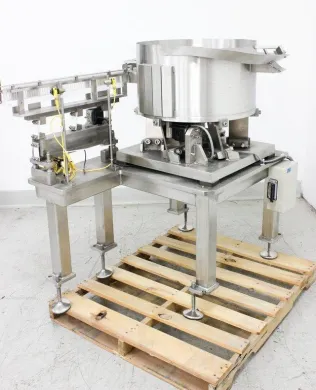
Among the listings that specify a type, the catalogue covers both transport itself and the stations that sit between transport runs. Belt and chain conveyors, grouped here under material handling equipment, carry product along a fixed line and are the backbone of any automated flow. Vibratory bowl feeders do a narrower job: they orient and singulate small loose parts, screws, caps, electronic components, so a downstream machine receives them one at a time in a known position. An accumulation table buffers product between stations that run at different rates, letting bottles or packs collect without jamming the line. A stainless steel pallet jack handles the manual end, moving loaded pallets where a powered conveyor does not reach. Vision inspection systems close the loop, reading and sorting product as it passes. Treat this as a sample rather than the whole range, since it is drawn from most but not all of the listings.
Laboratory material handling equipment is the form this field takes inside life sciences and biomanufacturing. Automated transport and feeding move samples, consumables and filled containers through the stages of a workflow, and the vision inspection systems listed here are used for quality control in biomanufacturing and molecular diagnostics lines, where each vial or plate is checked for fill, cap and label before it advances. Accumulation tables and feeders also used for buffering and presenting cell culture consumables and assay plates between automated steps, keeping a sample preparation line moving at a steady rate. These systems sit around the process rather than performing the assay, so they carry product through bioprocessing and protein purification suites where throughput and clean handling both matter.
The brands behind the process conveyor listings
The brands offering this equipment, Various, Dorner, R-Tech Feeders, Kinematic Automation, R-Tech, shape what a buyer can expect on parts and comparison. Dorner is a conveyor maker, so its belt and modular units tend to have documented configurations and available spares, which makes one listing easier to match against another. R-Tech Feeders and the related R-Tech entries point to feeding and orientation equipment, the bowl feeders and associated tooling. Kinematic Automation builds automated handling and converting systems, often custom to a line. A large share of listings sit under Various, which means the units are one-off or unbranded; those reward closer inspection, because there is no model line to compare against and the specification has to come from the unit itself.
What a used process conveyor costs here
The catalogue runs almost entirely on used stock: 99 percent of the listings are used. Prices span from EUR 43 to EUR 64.562, and that range covers everything from a single pallet jack or a bare belt section to a complete inspection and accumulation cell. Parts can be sourced via Questpair, and where a warranty is needed it is arranged in consultation for the specific listing.
Frequently asked questions
What is a process conveyor?
A process conveyor is a powered transport system that moves products, parts or samples along a fixed path from one station to the next. It handles the material flow between the separate steps of a laboratory, packaging or production line.
What does the term process conveyor actually mean?
It refers to the equipment that carries material between process steps rather than performing a process itself. The term covers belt and chain transport, part feeding, accumulation and the sorting or inspection stations that sit between conveyor runs.
How do process conveyors work?
A motor and gearbox drive a belt, chain or vibration mechanism that moves product along a fixed route at a set rate. Different principles suit different loads: a belt carries packaged units, a chain nests heavier parts, and a vibratory bowl feeder orients loose components so a downstream machine receives them one at a time.
What types of process conveyors are there?
The catalogue covers material handling equipment such as belt and chain conveyors, vibratory bowl feeders that orient small loose parts, accumulation tables that buffer product between stations, stainless steel pallet jacks for manual pallet moves, and vision inspection systems that read and sort product as it passes. Laboratory material handling equipment is the form these take inside life sciences and biomanufacturing.
What is a process conveyor used for?
It carries products, parts or samples between the stages of a packaging, production or laboratory workflow so each step feeds the next without manual transfer. In biomanufacturing and molecular diagnostics lines, these systems move vials, plates and consumables, and the vision inspection systems check fill, cap and label before a unit advances.
How do I choose the right process conveyor?
Decide first what moves along the line, at what rate, and in what orientation, because that fixes belt width, the drive, the incline the unit can hold and whether product sits on a flat belt, nests in a chain, or arrives loose in a feeder bowl. A bowl feeder that orients screws will not carry filled vials, so match the transport type to the product and the speed, and the rest of the specification follows.
Refurbished versus used, what is the difference here?
A used unit is sold in its current condition, while a refurbished unit has been reconditioned before listing. On a conveyor the drive and contact surfaces carry the most wear, so for either one ask what it last carried and for how long before you buy.
How much does a process conveyor cost?
Prices on the catalogue range from EUR 43 to EUR 64.562, with an average around EUR 3.897. A short belt section, a single pallet jack or a bare feeder bowl sits near the floor of that range, and a complete handling cell with a vision inspection system and integrated controls sits at the top.
Which brands are available for process conveyors?
The brands listed include Dorner, R-Tech Feeders, Kinematic Automation and R-Tech, alongside a large share grouped under Various. Dorner makes belt and modular conveyors, R-Tech supplies feeding and orientation equipment, and Kinematic Automation builds automated handling and converting systems that are often custom to a line.
Is there a warranty on a refurbished process conveyor?
A warranty is often possible and is arranged in consultation for the specific listing. Terms vary by unit, so check the individual listing when warranty matters to you.
Can I get parts for a used process conveyor?
Parts can be sourced via Questpair. Belts, lace joints and drive bearings are the components that wear first, so these are the parts most often needed on a used unit.
How long does a process conveyor last?
Lifespan depends on what the unit carried and how continuously it ran, since belts wear, lace joints fail and bearings in the drive and idler rollers run dry over time. A conveyor that moved abrasive material or ran around the clock carries hours a datasheet does not show, which is why inspecting the drivetrain before purchase matters.
New versus refurbished, which should I buy?
Used and refurbished units are listed at lower prices than new, and the catalogue runs almost entirely on used stock at 99 percent. Where a buyer has to weigh the two, check the individual listing and note that warranty is arranged in consultation for that specific unit.
Where can I buy a process conveyor?
They are listed on the Questpair catalogue, with 146 process conveyors from 7 verified suppliers and distributors across 6 countries. New, used and refurbished units all appear there.
What is the lead time and shipping on a used conveyor?
Lead time and shipping depend on the individual listing, its location among the 6 countries represented, and the size of the unit. A bare belt section ships differently from a complete handling cell with integrated controls, so confirm these details on the specific listing.
What maintenance does a process conveyor need?
Routine attention goes to the belt or chain tracking, the lace joints, and the bearings in the drive and idler rollers, since these are the parts that wear under load. On a stainless steel unit intended for washdown, inspect the welds and surface for pitting, because corrosion there is structural rather than cosmetic.
Which conveyor and handling types are listed most, and who reaches for which?
Material handling equipment, the belt and chain conveyors, forms the backbone for any automated flow, while vibratory bowl feeders go to lines that singulate small loose parts. Accumulation tables suit buffering between stations that run at different rates, vision inspection systems go to quality control in biomanufacturing and diagnostics, and pallet jacks cover the manual end where powered conveyors do not reach.
Which brands dominate this category, and what does that mean for a buyer?
A large share of listings sit under Various, meaning one-off or unbranded units with no model line to compare against, so the specification has to come from the unit itself. Where a named maker like Dorner appears, its belt and modular units tend to have documented configurations and available spares, which makes one listing easier to match against another.
What separates the cheapest process conveyors from the most expensive?
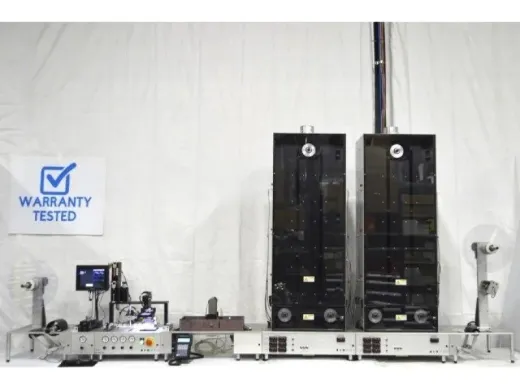
At the lower end sits a single pallet jack, a bare belt section or a feeder bowl, equipment that does one transport task. At the top sits a complete handling cell that combines accumulation, feeding and a vision inspection system with integrated controls, so the span reflects how much of the line the unit automates rather than a quality ranking.