

Process analysers
We personally find you the right used, refurbished and new process analysers instruments & equipment from verified suppliers.
Process analysers are instruments that measure the chemical or physical properties of a material stream continuously, during production rather than afterward in a separate laboratory. They sit inline or at-line in a process and report a composition, a concentration or a quality parameter in near real time, which lets an operator correct a run before it drifts out of specification. The Questpair catalogue lists 502 process analysers in new, used and refurbished condition, from 17 verified suppliers and distributors across 10 countries. Of those, 95 percent of the listings are used. Prices run from EUR 22 to EUR 645.667, a span that covers both a single sensor and a complete analytical cabinet.
Updated:
Process analysers product list


Not the exact instrument you need?
Tell our scientists what you are after. We track it down, including off-market supply.
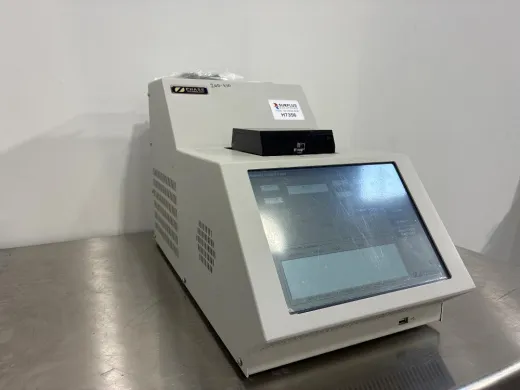
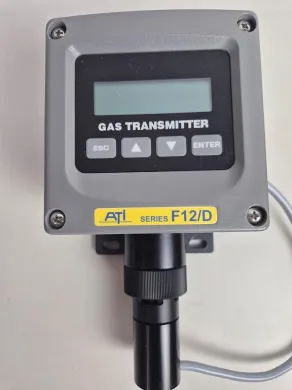
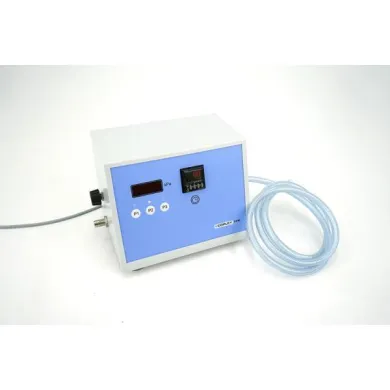
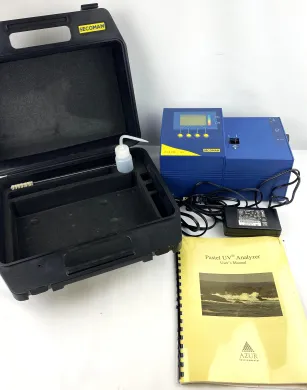
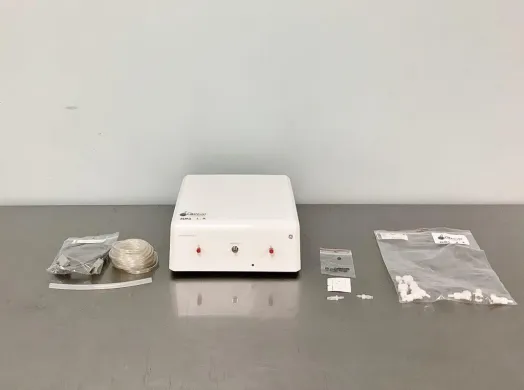
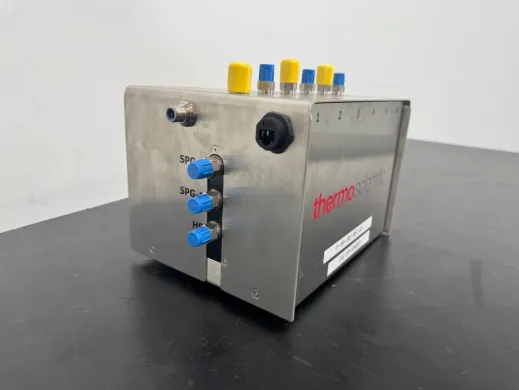
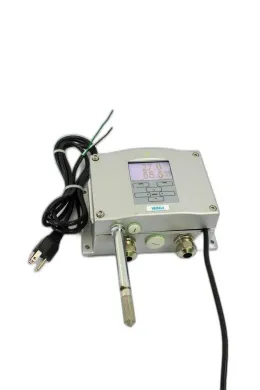
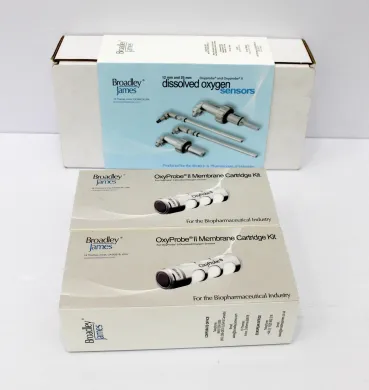
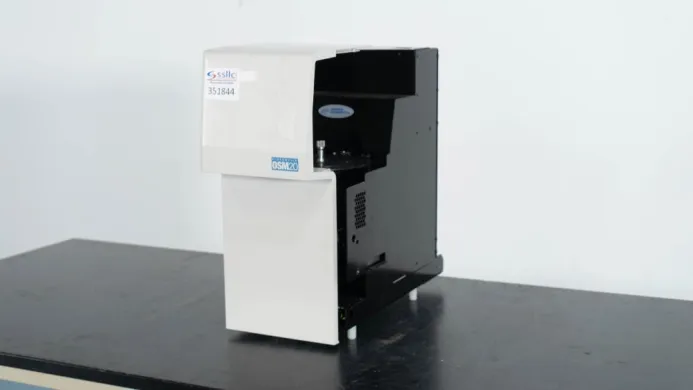
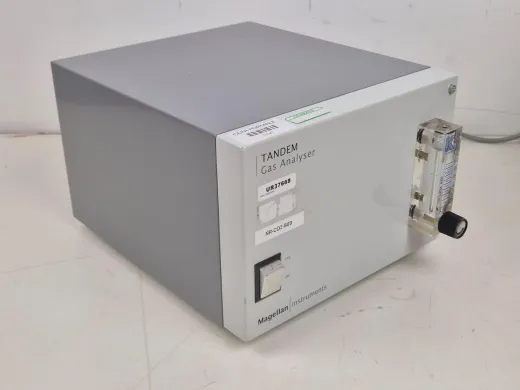
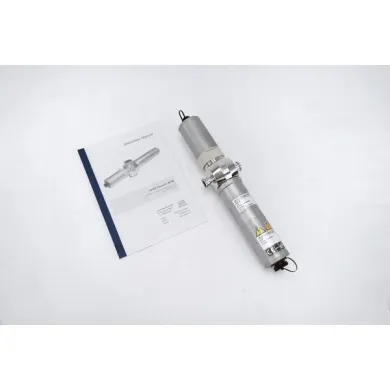
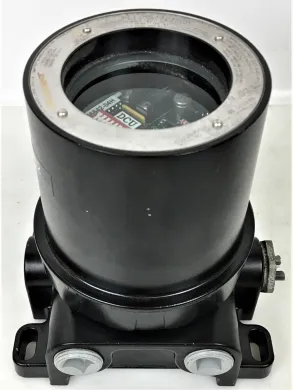
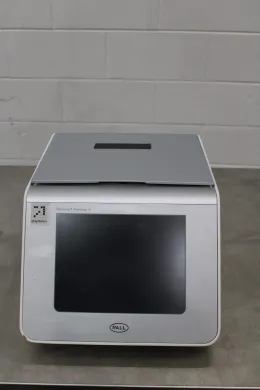
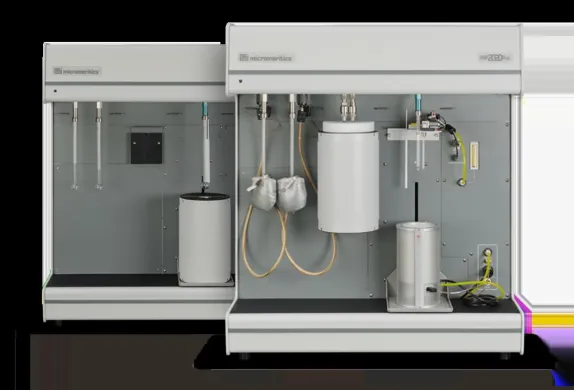
Not the exact instrument you need?
Tell our scientists what you are after. We track it down, including off-market supply.
Showing 1–40 of 282 listings
Show 40 more listingsBuying guide
What a process analyser has to measure is the first thing to settle, because it determines the detection principle and almost everything that follows from it. A gas analyser reading oxygen in a flue stream, a dissolved oxygen sensor in a fermenter and a water quality analyser tracking conductivity are not variants of one device; they are different measurement physics in different housings. Fix the analyte, the expected concentration range and the required accuracy first, then the matrix it sits in, a wet gas, a pressurised liquid, a sterile broth, because the matrix decides whether a sensor survives the environment at all. Only once those are known does a model shortlist mean anything.
For a used unit the sensing element is where the value and the risk both concentrate. An electrochemical cell, an optical window or a membrane ages with exposure and has a finite service life regardless of how the surrounding electronics behave, so verify what the sensor is, how old it is, and whether a replacement element is still available before the price looks attractive. Ask for the last calibration record and check that the unit was stored, not left installed on a stream after its last run. A filter integrity tester or a bioprocess sensor pulled from a validated line may carry documentation worth as much as the hardware; a gas analyser with a spent cell may need a new sensor that approaches the cost of the instrument. Where documentation or a replacement element is in question, that is a point to raise against the individual listing, and warranty on Questpair is arranged in consultation for the specific unit rather than set as a blanket term.
The price band here is wide because the category holds both ends of the measurement chain. A bare dissolved oxygen sensor and a full multi-stream gas analysis cabinet both appear, so a quoted range of EUR 22 to EUR 645.667 says little until you know which end of the chain you are pricing. The average listing at EUR 6.791 is more useful as a reference point for a complete working instrument. Set your budget against the measurement task rather than the category, because a water quality analyser for a single parameter and a bioprocess analyser for a regulated line occupy different parts of that range entirely. Within it, Thermo Scientific, Mettler Toledo, Millipore, Agilent, Cytiva account for much of what is listed, and a used or refurbished unit from one of them is more affordable than its new equivalent while keeping parts and calibration support straightforward. For a buyer working to a fixed budget, the units for sale from established makers are the ones easiest to compare on specification and to maintain over a service life.
Types of Process analysers
Which process analyser types are listed here?
Among the listings that specify a type, six recur, and they divide by what they measure rather than by how they look. Gas analysers are the largest group, reading a single species or a mix in a flowing gas stream, used in emissions monitoring, combustion control and bioprocess off-gas analysis. Dissolved oxygen sensors measure oxygen in a liquid, most heavily in cell culture and fermentation, where oxygen transfer governs how a culture grows. Water quality analysers track parameters such as pH, conductivity and turbidity in process and environmental water. Filter integrity testers confirm that a sterilising filter holds before and after a run, a verification step in sterile biomanufacturing and aseptic processing. Bioprocess sensors cover the probes that sit inside a bioreactor, reading pH, oxygen and biomass during a run. The general analytical instruments round out the list, the detectors and controllers that read a signal a sensor produces. The split reflects where continuous measurement earns its place: online rather than in a laboratory afterward.
The brands behind the process analyser listings
Thermo Scientific, Mettler Toledo, Millipore, Agilent, Cytiva make up the bulk of what is listed, and each carries a known position in continuous measurement. For a buyer that presence matters in three practical ways. Parts and replacement sensors for these makers are the easiest to source, which keeps an ageing analyser serviceable; the models are documented well enough to compare on specification across listings; and a used instrument from one of them holds a resale and support base that a niche maker does not. Dissolved oxygen and bioprocess probes in particular depend on a steady supply of replacement elements, so a maker with a wide installed base is the safer bet for a unit expected to run for years.
What a used process analyser costs here
Condition is where this category skews hard: 95 percent of the listings are used. Prices run from EUR 22 to EUR 645.667, with the average near EUR 6.791. That spread is not a single market but several, a bare sensor at one end and a multi-stream analytical cabinet at the other, and the figure that matters is the one for the measurement task in front of you. Within genomics, proteomics and cell culture work, where these instruments read fermentation off-gas, dissolved oxygen in a bioreactor, or sterile filter integrity, a used unit from an established maker is listed below its new price while keeping the calibration and parts path open. The practical reading of the range is to price the complete working instrument you need, not the category it belongs to.
Frequently asked questions
What is a process analyser?
A process analyser is an instrument that measures a chemical or physical property of a material stream continuously during production, rather than in a separate laboratory afterward. It reports a composition, concentration or quality parameter in near real time so an operator can correct a run before it drifts out of specification.
What does process analyser mean?
The term covers inline or at-line instruments that read a stream while a process runs, as opposed to grab-sample lab testing done after the fact. The defining feature is continuous measurement of a live stream, not the physical form of the device.
How do process analysers work?
A sensing element in contact with the stream converts a property such as gas concentration, dissolved oxygen or conductivity into an electrical or optical signal, which a detector or controller reads and reports. The detection principle depends entirely on what is being measured, so an electrochemical cell, an optical window and a membrane each suit different analytes.
What types of process analysers are there?
The listings here divide by what they measure: gas analysers, dissolved oxygen sensors, water quality analysers, filter integrity testers, bioprocess sensors and general analytical instruments. They are different measurement physics in different housings, not variants of one device.
What are process analysers used for?
They are used for emissions monitoring, combustion control, bioprocess off-gas analysis, dissolved oxygen tracking in cell culture and fermentation, water quality monitoring, and sterile filter integrity verification. The common thread is correcting a running process in near real time rather than testing samples afterward.
How do I choose a process analyser?
Fix the analyte, its expected concentration range and the required accuracy first, then the matrix it sits in, because a wet gas, a pressurised liquid and a sterile broth each decide whether a sensor survives at all. Only once those are settled does a model shortlist mean anything, since the measurement task determines the detection principle.
Refurbished versus used, what is the difference?
A used analyser is sold in the condition it came out of service, while a refurbished one has been checked and brought back toward working order before listing. For either, the sensing element carries the most risk, so verify the sensor type, its age and whether a replacement element is still available before judging the price.
How much does a process analyser cost?
Listed prices run from EUR 22 to EUR 645.667, with the average near EUR 6.791. That span covers both a bare sensor and a full multi-stream analytical cabinet, so price the complete working instrument for your measurement task rather than the category.
Which brands make process analysers?
Thermo Scientific, Mettler Toledo, Millipore, Agilent and Cytiva make up the bulk of what is listed here. Each holds a known position in continuous measurement, with documented models and a parts base that keeps an ageing unit serviceable.
Is there a warranty on a refurbished process analyser?
A warranty is often possible and is arranged in consultation for the specific listing. Because terms are not set centrally, raise warranty against the individual unit you are considering.
Are replacement parts and sensors available?
Parts and replacement sensing elements can be sourced via Questpair. Dissolved oxygen and bioprocess probes in particular depend on a steady supply of replacement elements, so a maker with a wide installed base is the safer bet for a unit expected to run for years.
How long does a process analyser last?
The surrounding electronics can run for many years, but the sensing element has a finite service life regardless, since an electrochemical cell, an optical window or a membrane ages with exposure. Replacing the element on schedule is what determines how long a unit stays usable.
New versus refurbished, which should I buy?
Used and refurbished analysers are listed at lower prices than new equivalents, and a unit from an established maker keeps the calibration and parts path open. Where you have to weigh the two, check the specific listing and arrange warranty in consultation for that unit.
Where can I buy a process analyser?
The Questpair catalogue lists 502 process analysers from 17 verified suppliers and distributors across 10 countries. Listings appear in new, used and refurbished condition, of which 95 percent are used.
What is the lead time and shipping on a used unit?
Lead time and shipping depend on the individual listing and the supplier holding it, since stock sits across 17 suppliers in 10 countries. Check these against the specific unit before committing.
What about calibration and maintenance?
Ask for the last calibration record and confirm the unit was stored rather than left installed on a stream after its final run. Calibration standards and replacement sensing elements are the recurring maintenance items, and parts can be sourced via Questpair; Questpair itself does not perform servicing.
Which process analyser types are listed most, and who reaches for each?
Gas analysers are the largest group, used in emissions monitoring, combustion control and off-gas work. Dissolved oxygen sensors and bioprocess probes go to cell culture and fermentation, water quality analysers to process and environmental water teams, and filter integrity testers to sterile biomanufacturing and aseptic processing.
Which brands dominate this category, and what does that mean for a buyer?
Thermo Scientific, Mettler Toledo, Millipore, Agilent and Cytiva account for much of the catalogue. For a buyer that means replacement sensors are easier to source, models are documented well enough to compare on specification, and a used unit holds a support base a niche maker does not.
What separates the cheapest listings from the most expensive here?
The bottom of the band is typically a bare single-parameter sensor, such as a dissolved oxygen probe, while the top is a full multi-stream gas analysis cabinet reading several species at once. The difference is the extent of the measurement chain, not a difference in quality, so match the price to what you actually need to measure.