

Industrial sterilizers
We personally find you the right used, refurbished and new industrial sterilizers instruments & equipment from verified suppliers.
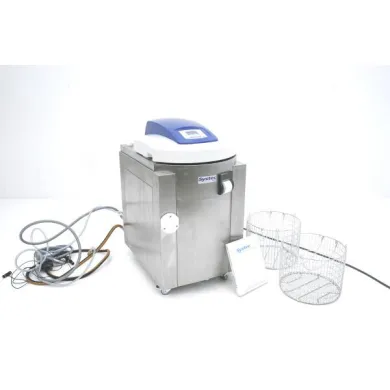
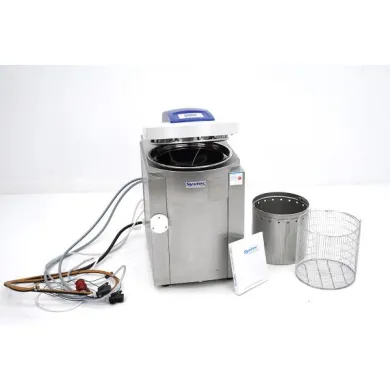
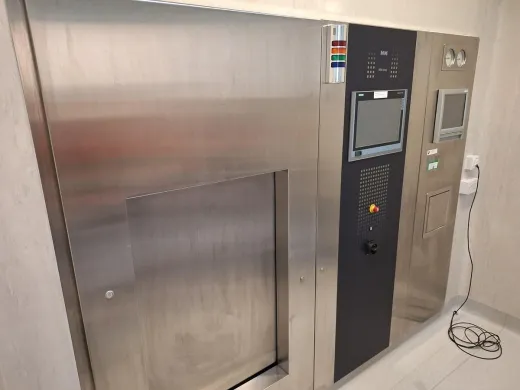
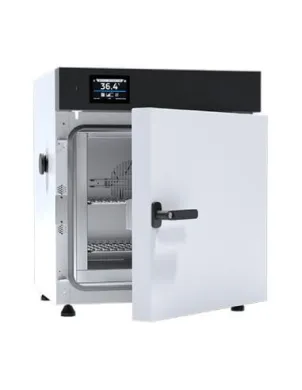
Industrial sterilizers are heat and pressure devices that destroy microorganisms on laboratory glassware, instruments, media and waste through saturated steam, typically at 121 to 134 degrees Celsius. Across the Questpair catalogue, 153 laboratory sterilizers are listed from 16 verified suppliers and distributors across 8 countries, in new, used and refurbished condition. Among those listings, 83 percent are used. The core process is steam sterilization, where pressurised steam penetrates loads and holds temperature long enough to inactivate spores. Units range from benchtop models that fit a single bench to large chamber autoclaves built for central sterilisation departments, with prices from EUR 40 to EUR 224.492.
Updated:
Industrial sterilizers product list
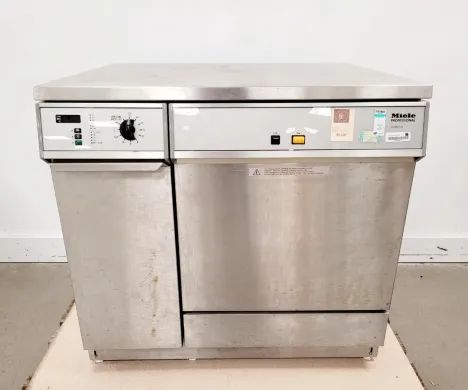
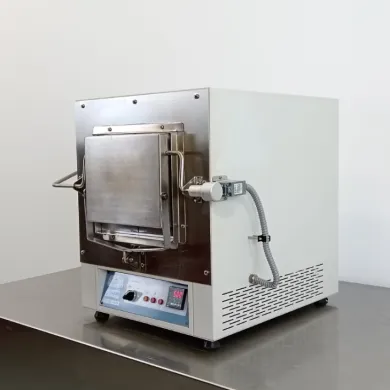
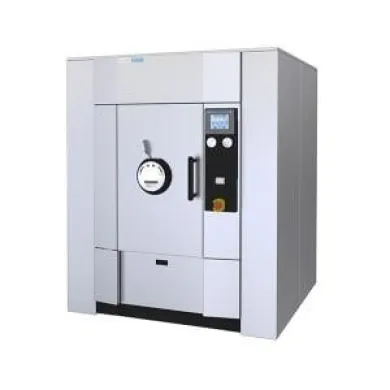
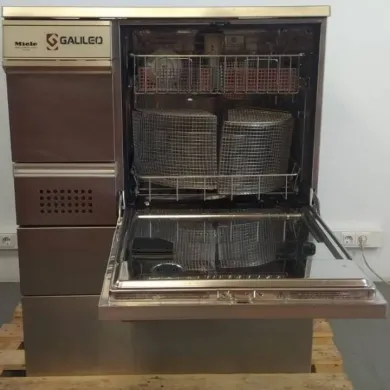


Not the exact instrument you need?
Tell our scientists what you are after. We track it down, including off-market supply.
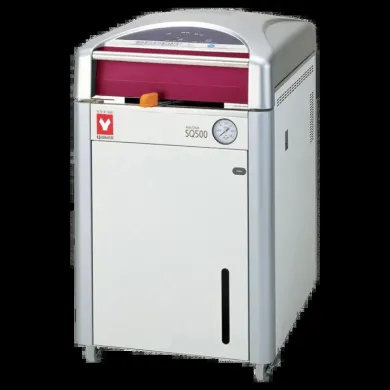
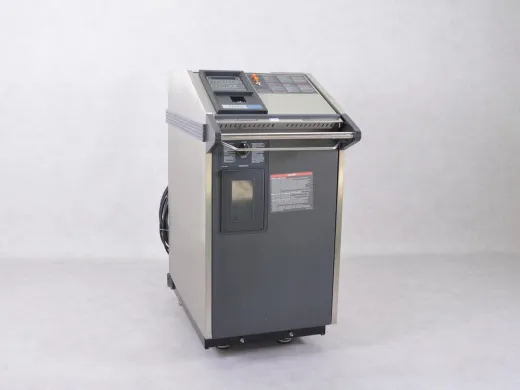
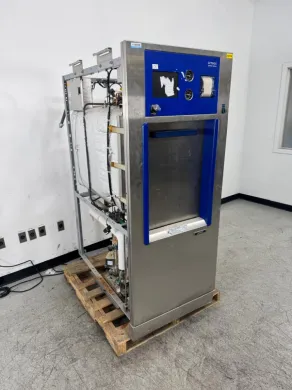
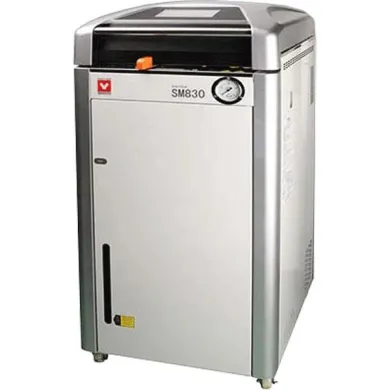
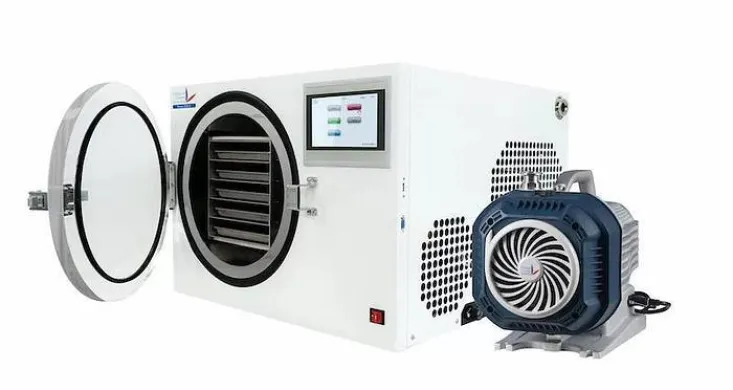
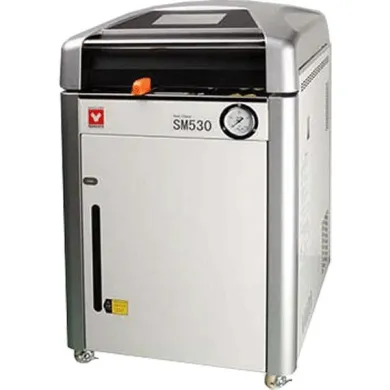
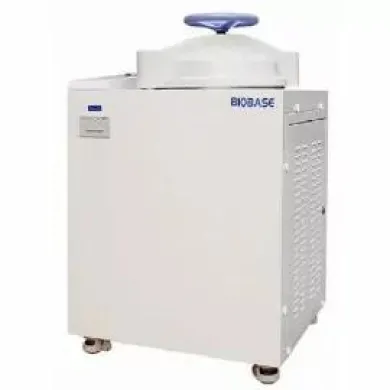
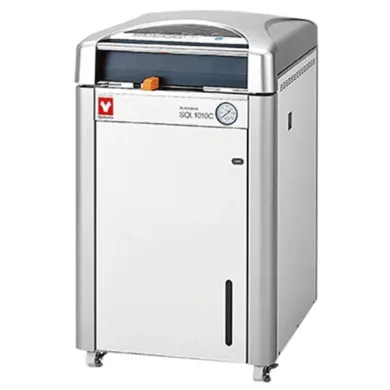
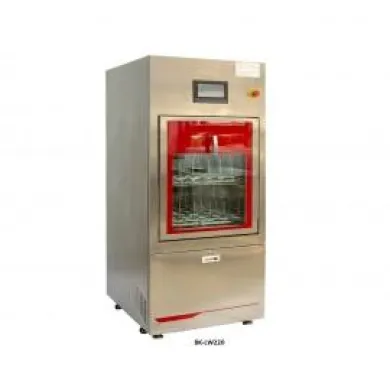
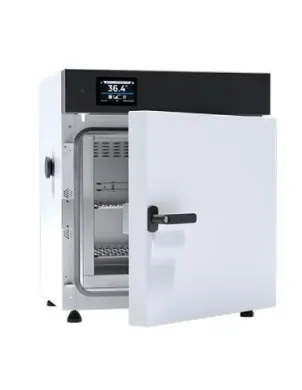
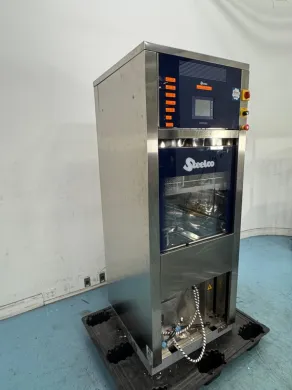
Not the exact instrument you need?
Tell our scientists what you are after. We track it down, including off-market supply.
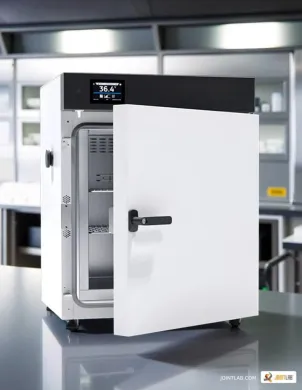
Showing 1–40 of 99 listings
Show 40 more listingsBuying guide
Chamber volume and the load it has to hold settle most purchases before any other specification matters. A microbiology lab running agar plates and pipette tips needs a different chamber from one autoclaving sealed liquid bottles, because liquids demand slow exhaust to prevent boil-over and a longer cycle. Work out the largest routine load first, then match the chamber to it with room to spare, because a sterilizer run at capacity every cycle wears faster and takes longer to reach temperature. The cycle types a unit offers follow from this: gravity displacement for unwrapped solids, pre-vacuum for wrapped or porous loads, and a dedicated liquid cycle where media and solutions are the daily work.
Condition is where a used autoclave repays close reading, because a sterilizer is a pressure vessel and its chamber, door seal and safety valve carry the whole safety case. On a used unit, verify the service history, ask whether the chamber has been pressure-tested, and confirm the door gasket and the steam generator are sound rather than due for replacement. A validation or calibration record matters here more than on most equipment, since a sterilizer that reaches a reading of 121 degrees without holding true temperature throughout the load is not sterilising at all. Where a unit lacks recent documentation, factor recalibration and a gasket into the price rather than assuming they are fine.
Price spans a wide band on Questpair, from EUR 40 for small benchtop sterilization equipment to EUR 224.492 for large installed systems, with an average near EUR 13.005. That spread covers the gap between a compact benchtop steam sterilizer and a floor-standing chamber with programmable cycles and recording. Brands such as Yamato, POL-EKO, Steris, Pol-Eko, Miele occupy different parts of it, benchtop and mid-range units at the lower end, large-chamber and pharmaceutical-grade systems higher up. What a unit costs tracks chamber size, cycle sophistication and whether steam is self-generated or fed from a line. For a buyer working to a budget, a used unit is more affordable than new and for sale across most of this range, so matching the cycle requirement to the smallest chamber that handles the load usually frees the most room.
Types of Industrial sterilizers
Which sterilizer types are listed here?
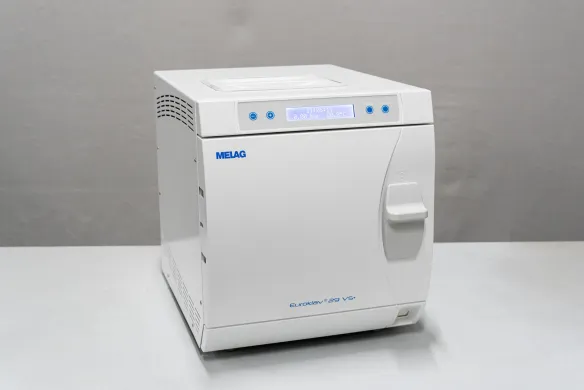
Among the listings that specify a type, the catalogue sorts into a few recognisable groups: laboratory sterilizer, laboratory autoclave, steam sterilizer, sterilization equipment, benchtop sterilizer, autoclave. A laboratory autoclave and a steam sterilizer describe the same principle under two names, saturated steam under pressure, and both terms appear across the listings for the same class of machine. What separates the groups is mainly size and cycle control. A benchtop sterilizer is a compact chamber for a single bench, suited to a small clinic, a dental practice or a research group sterilising modest batches. Larger laboratory sterilizers and sterilization equipment move up to floor-standing chambers with pre-vacuum cycles and recording, built for central sterilisation work and higher throughput.
Steam sterilization underpins core life sciences work, which is where these machines earn their place. In microbiology, an autoclave prepares sterile growth media and decontaminates cultures and waste, making autoclave sterilisation of culture media a daily step in any microbiology lab. In molecular biology and genomics, the same cycle sterilises pipette tips, tubes and buffers so that PCR and cloning work stays free of contaminating nuclease and DNA. Cell culture labs rely on them for sterile glassware and instruments, and sample preparation sterilizer cycles for laboratory glassware run constantly in protein purification and immunoassay work. A benchtop steam sterilizer for dental instruments serves the clinical side, where instrument decontamination is routine.
The brands behind the sterilizer listings
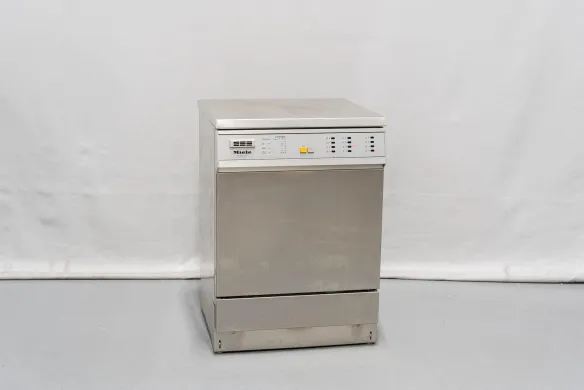
The names that recur in this category, Yamato, POL-EKO, Steris, Pol-Eko, Miele, shape what a buyer can compare and maintain. A well-represented brand means more models to weigh against each other and a better chance of sourcing a door gasket or a steam generator part later, which matters on equipment that outlasts a decade of service. Yamato and Pol-Eko sit across the laboratory and benchtop range, while Steris reaches into larger institutional systems, and Miele appears on the washer-disinfector and decontamination side. Their presence steadies the price picture, since several units of the same family make it easier to judge whether a given listing is fairly priced.
What a used sterilizer costs here
Condition runs heavily to used stock: of 153 listings, 127 are used and 26 new, so 83 percent of the listings are used. Prices run from EUR 40 to EUR 224.492. That range covers everything from a small benchtop unit to a large installed chamber, and the gap between the two ends is wide because chamber size, cycle programming and an integral steam generator each move the figure. The average sits near EUR 13.005.
Frequently asked questions
What is an industrial sterilizer?
An industrial sterilizer is a heat and pressure device that destroys microorganisms on laboratory glassware, instruments, media and waste using saturated steam, usually at 121 to 134 degrees Celsius. Units range from compact benchtop chambers to large floor-standing autoclaves built for central sterilisation work.
What does industrial sterilizer mean?
The term covers steam sterilization equipment used in laboratories, clinics and institutional settings to inactivate bacteria, viruses and spores. A laboratory autoclave and a steam sterilizer describe the same principle, pressurised saturated steam, under two names.
How do industrial sterilizers work?
Pressurised steam fills the chamber, penetrates the load and holds temperature long enough to inactivate spores and other microorganisms. Different cycle types handle different loads: gravity displacement for unwrapped solids, pre-vacuum for wrapped or porous items, and a dedicated liquid cycle for media and solutions.
What types of sterilizers are listed in this category?
The listings sort into laboratory sterilizers, laboratory autoclaves, steam sterilizers, sterilization equipment, benchtop sterilizers and autoclaves. The main difference between them is chamber size and cycle control rather than the sterilisation principle itself.
What are industrial sterilizers used for?
In microbiology they prepare sterile growth media and decontaminate cultures and waste, and in molecular biology they sterilise pipette tips, tubes and buffers so PCR and cloning work stays free of contamination. Cell culture and protein purification labs use them for sterile glassware, and benchtop units serve dental and clinical instrument decontamination.
How do I choose an industrial sterilizer?
Start with chamber volume and the largest routine load, then match the chamber with room to spare, since a unit run at capacity every cycle wears faster and takes longer to reach temperature. Then confirm the cycle types you need: gravity displacement, pre-vacuum, or a liquid cycle for media and solutions.
What is the difference between refurbished and used sterilizers?
A used unit is sold in its existing condition, while a refurbished one has been reconditioned before resale. On either, verify the service history and ask whether the chamber has been pressure-tested and the door gasket and steam generator are sound rather than due for replacement.
How much does an industrial sterilizer cost?
Prices on Questpair run from EUR 40 to EUR 224.492, with an average near EUR 13.005. The wide band reflects the gap between a compact benchtop unit and a large installed chamber with programmable cycles and an integral steam generator.
Which are the main sterilizer brands here?
The names that recur in this category are Yamato, POL-EKO, Steris and Miele. Yamato and Pol-Eko sit across the laboratory and benchtop range, Steris reaches into larger institutional systems, and Miele appears on the washer-disinfector and decontamination side.
Is there a warranty on a refurbished sterilizer?
A warranty is often possible and is arranged in consultation for the specific listing. Since a sterilizer is a pressure vessel, a validation or calibration record carries extra weight alongside any warranty terms.
Can I get parts for an industrial sterilizer?
Parts such as door gaskets and steam generator components can be sourced via Questpair. A well-represented brand improves the chance of sourcing a replacement part later, which matters on equipment that outlasts a decade of service.
How long does an industrial sterilizer last?
These machines commonly stay in service for over a decade, which is why brand representation and parts availability matter at purchase. Lifespan depends on how hard the unit is run, since a chamber loaded to capacity every cycle wears faster than one with headroom.
Should I buy new or used?
Used and refurbished units are listed at lower prices than new across most of this range. Where you have to weigh the two, check the individual listing and note that warranty is arranged in consultation rather than assuming a condition carries fixed terms.
Where can I buy an industrial sterilizer?
Questpair lists 153 sterilizers from 16 verified suppliers and distributors across 8 countries, in new, used and refurbished condition. You can compare models and conditions within the catalogue and contact suppliers through the listing.
What is the lead time and shipping on a sterilizer?
Lead time and shipping depend on the individual listing, the supplier and whether the unit is a benchtop model or a large installed chamber. A floor-standing system with an integral steam generator typically involves more handling than a compact benchtop unit.
How are sterilizers calibrated and maintained?
A sterilizer that reaches a reading of 121 degrees without holding true temperature throughout the load is not sterilising, so calibration and validation records are central to its safety case. Where a used unit lacks recent documentation, factor recalibration and a gasket into the price.
Which sterilizer types are listed most and who reaches for which?
The recurring groups are laboratory sterilizers, laboratory autoclaves, steam sterilizers, sterilization equipment, benchtop sterilizers and autoclaves. A small clinic, dental practice or research group reaches for a benchtop sterilizer for modest batches, while central sterilisation departments and higher-throughput labs use floor-standing chambers with pre-vacuum cycles and recording.
Which brands dominate this category and what does that mean for a buyer?
Yamato, POL-EKO, Steris and Miele recur across the listings. A well-represented brand means more models to compare and a better chance of sourcing a door gasket or steam generator part later, and several units of the same family make it easier to judge whether a listing is fairly priced.
What separates the cheapest sterilizers here from the most expensive?
At the lower end sit compact benchtop units with basic cycles, running from EUR 40. At the top are large floor-standing chambers with pre-vacuum and liquid programming, recording, and an integral steam generator, reaching EUR 224.492; chamber size, cycle sophistication and whether steam is self-generated or line-fed drive the difference.