

Process mixers
We personally find you the right used, refurbished and new process mixers instruments & equipment from verified suppliers.
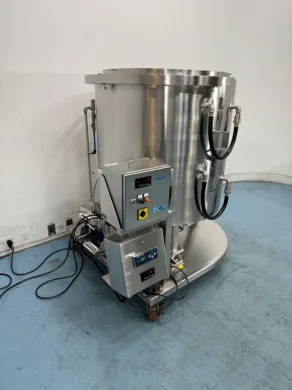
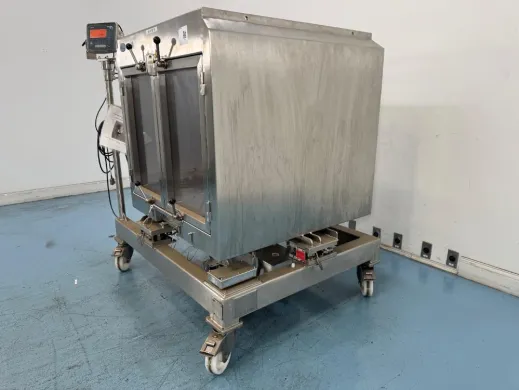
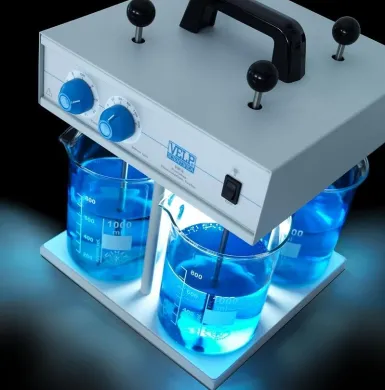
Process mixers are laboratory and production instruments that blend, suspend or homogenise fluids and powders within a controlled vessel, used across bioprocessing to prepare buffers, media and cell suspensions at a defined shear and speed. On Questpair, the catalogue carries new, used and refurbished units, and 97 percent of the listings are used. Prices run from EUR 38 to EUR 232.440, a span that reflects the gap between a simple benchtop stirrer and a fully instrumented single-use mixing system. The mixing equipment listed here spans 467 items from 15 verified suppliers and distributors across 8 countries, so a buyer comparing a laboratory mixer against a production-scale unit can see both conditions and both price ends in one place.
Updated:
Process mixers product list
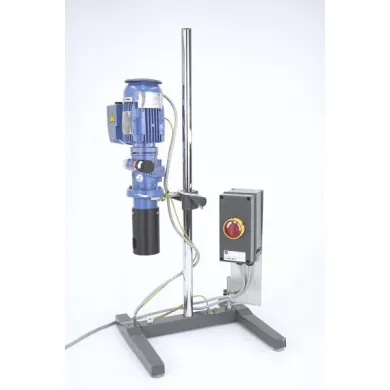
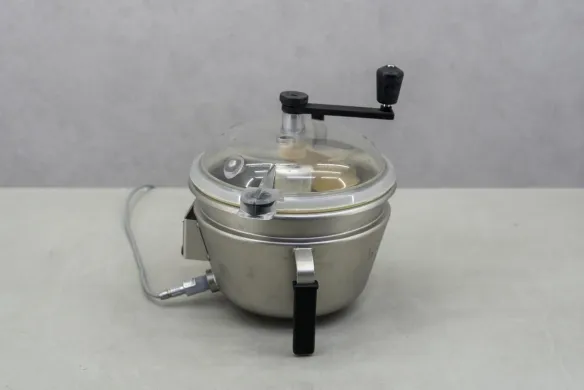


Not the exact instrument you need?
Tell our scientists what you are after. We track it down, including off-market supply.
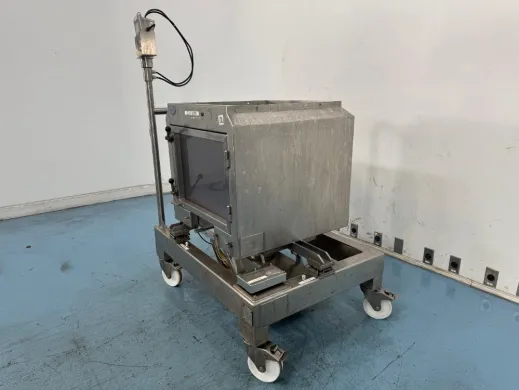
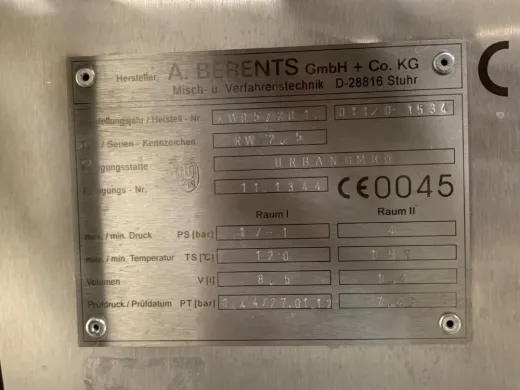
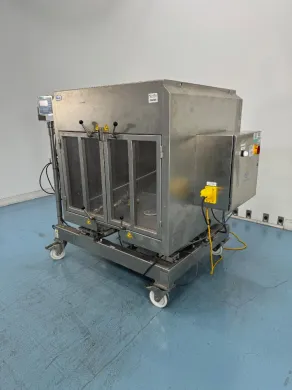
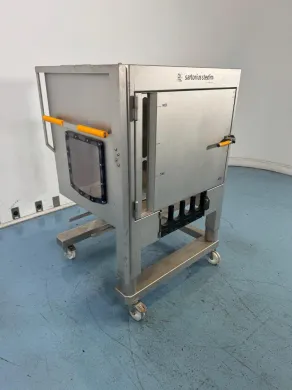
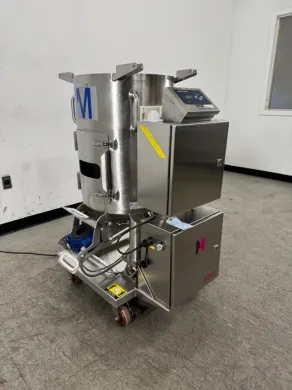
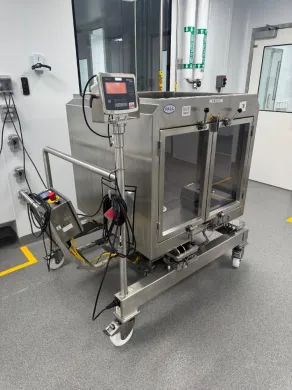
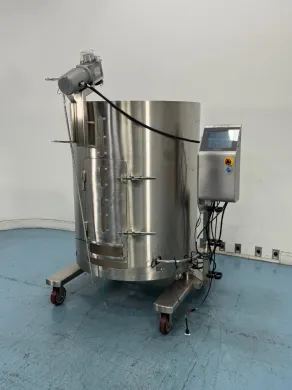
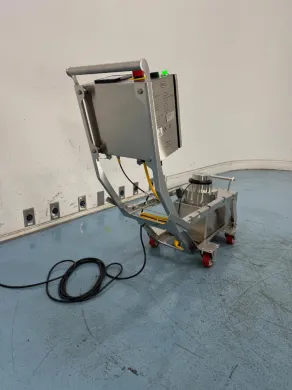
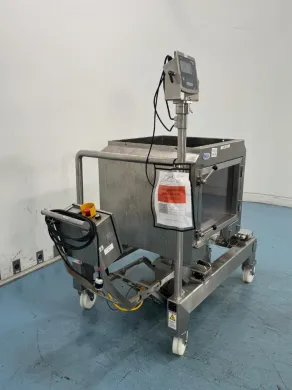
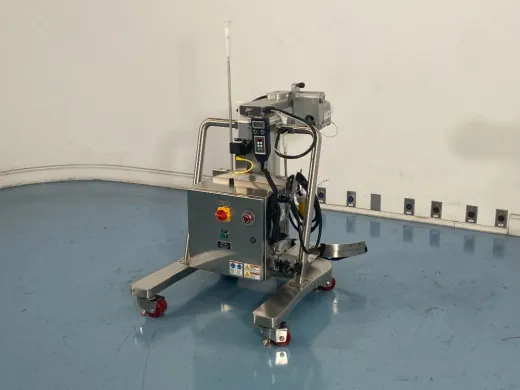
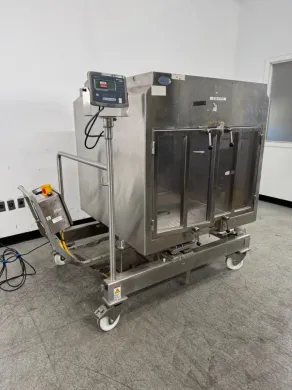
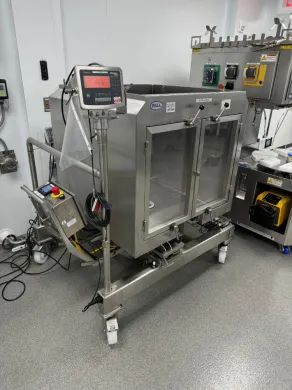
Not the exact instrument you need?
Tell our scientists what you are after. We track it down, including off-market supply.
Showing 1–40 of 311 listings
Show 40 more listingsBuying guide
What the vessel and the batch size settle first
For a process mixer the working volume decides almost everything downstream, so start there. A unit sized for a one-litre buffer prep will not serve a 500-litre media batch, and a mixer rated for the larger volume wastes capacity and money on the smaller one. Fix the volume range the process actually runs, then read the impeller or mixing geometry against it: a low-shear marine impeller suits shear-sensitive cell suspensions, while a high-shear rotor-stator head is what dissolves a stubborn powder into buffer. The drive type follows from that choice. Top-mounted magnetic drives keep the vessel closed and are common on single-use mixing systems; a direct mechanical drive reaches higher torque but needs a seal. Confirm the speed range in rpm and the maximum viscosity the unit handles before anything else.
Condition carries more weight on this class of equipment than a datasheet admits, because a used mixer's seals, bearings and drive have a service history the listing may not state. On a single-use mixer the hardware is the drive and the controller; the wetted bag is consumable, so verify the drive runs smoothly across its full speed range and that the controller communicates. On a stainless mechanical unit, ask about seal wear, shaft runout and whether the motor has been rebuilt. A unit sold as used is offered as it stands, so request a function test or a recent service note where the price justifies it.
Price sits across a wide band here, and what a mixing system costs depends almost entirely on scale and instrumentation. A bare laboratory stirrer fits a small budget and sits near EUR 38; a validated single-use bioreactor mixing platform with a drive, controller and sensors reaches toward EUR 232.440. The refurbished and used units listed for sale are more affordable than the equivalent new system, which is the clearest reason this catalogue mixes conditions. The average settles around EUR 11.757, which places most single-use and bioprocess systems well below the top of the range. Pall, Millipore and Sartorius occupy the upper and middle of that band, where parts availability and documented provenance matter to a buyer who has to match a specific vessel.
Types of Process mixers
Which process mixer types are listed here?
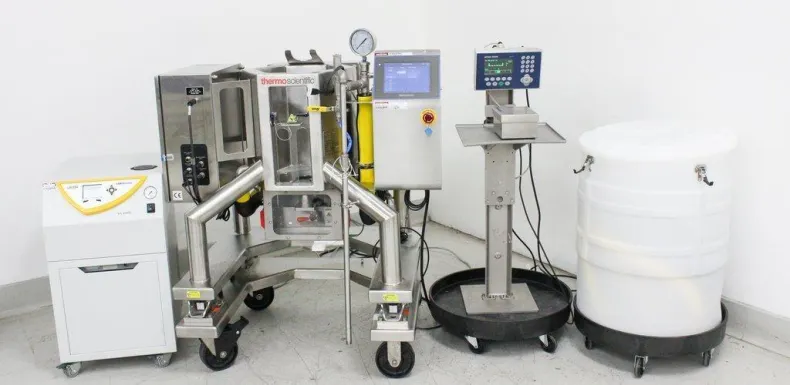
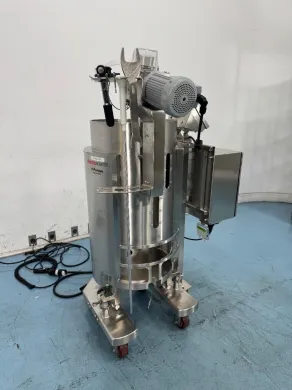
Among the listings that specify a type, the catalogue leans heavily toward single-use and bioprocessing formats rather than general-purpose stirrers. A bioprocess mixer, sometimes written as a bioprocessing mixer, is built to blend media, buffers and cell suspensions under defined conditions, and it does the work of upstream and downstream processing in biomanufacturing where sterility and low shear decide the outcome. The single-use mixer and the single-use bioreactor mixer wrap that same job in a pre-sterilised disposable bag, so the wetted path is discarded between batches and cross-contamination between products is designed out, which is why these formats dominate cell culture and biologics workflows. A single-use bioreactor accessory covers the drives, holders and sensor ports that make those systems run. A laboratory mixer sits at the benchtop end, suited to buffer formulation, reagent preparation and small-scale sample preparation in molecular biology and microbiology work.
The field each type serves is narrower than the hardware suggests. Single-use mixing systems are the standard preparation step feeding a bioreactor in upstream bioprocessing, where a buyer searching for a single-use bioprocess mixer is matching a drive to a specific bag footprint. The bioprocess mixer is also used for media and buffer preparation ahead of protein purification and downstream chromatography, two steps where consistent blending keeps a process reproducible across genomics and proteomics pipelines. The laboratory mixer is also used for homogenising samples ahead of an immunoassay or an electrophoresis run.
The brands behind the process mixer listings
The listings cluster around Pall, Millipore, Pall Life Sciences, Various, Sartorius. For a buyer, that concentration is useful: it means the wetted bags, holders and drive parts for the common single-use platforms are easier to source, and that two units from the same maker can be compared on comparable terms rather than on marketing language. Pall and Millipore sit across the single-use mixing range, Sartorius across bioprocess platforms, and the "Various" entry reflects benchtop and accessory items from smaller makers. Parts for these can be sourced via Questpair.
What a used process mixer costs here
The condition mix is lopsided: 97 percent of the listings are used. Prices range from EUR 38 to EUR 232.440, and that spread covers everything from a benchtop stirrer to an instrumented single-use mixing system, with the average near EUR 11.757. Used and refurbished units are listed at lower prices than new.
Frequently asked questions
What is a process mixer?
A process mixer is a laboratory or production instrument that blends, suspends or homogenises fluids and powders inside a controlled vessel at a defined shear and speed. In bioprocessing it prepares buffers, media and cell suspensions before they move to the next step.
What does process mixer mean in a bioprocessing context?
It refers to equipment that mixes media, buffers and cell suspensions under controlled conditions where sterility and low shear affect the result. The term covers both single-use systems with disposable bags and stainless mechanical units.
How do process mixers work?
A drive turns an impeller or mixing element inside a vessel to circulate the contents at a set speed and shear. Low-shear marine impellers suit shear-sensitive cell suspensions, while high-shear rotor-stator heads dissolve stubborn powders into buffer.
What types of process mixers are there?
The listings here include bioprocess mixers (also written bioprocessing mixers), single-use mixers, single-use bioreactor mixers, single-use bioreactor accessories and laboratory mixers. The catalogue leans toward single-use and bioprocessing formats rather than general-purpose stirrers.
What are process mixers used for?
They prepare buffers, media and cell suspensions ahead of a bioreactor in upstream bioprocessing, and blend media and buffers before protein purification and downstream chromatography. A laboratory mixer at the benchtop handles reagent preparation and homogenising samples before an immunoassay or electrophoresis run.
How do I choose a process mixer?
Start with the working volume the process actually runs, since a one-litre buffer prep and a 500-litre media batch need different machines. Then match the impeller or mixing geometry to the shear needed, confirm the speed range in rpm and the maximum viscosity, and pick the drive type from there.
What is the difference between refurbished and used process mixers?
A used unit is offered as it stands, with a service history the listing may not fully state. Both are listed at lower prices than new; where the price justifies it, request a function test or a recent service note for the specific listing.
How much does a process mixer cost?
Prices range from EUR 38 to EUR 232.440, with the average near EUR 11.757. A bare laboratory stirrer sits near the low end, while a validated single-use bioreactor mixing platform with drive, controller and sensors reaches toward the top.
Which brands make process mixers?
The listings cluster around Pall, Millipore, Pall Life Sciences, Sartorius and a Various entry for smaller makers. Pall and Millipore sit across the single-use mixing range, Sartorius across bioprocess platforms, and Various covers benchtop and accessory items.
Is a warranty available on a refurbished process mixer?
A warranty is often possible and is arranged in consultation for the specific listing. Terms are not set centrally, so check the individual listing before you buy.
Can I get parts for a process mixer?
Parts can be sourced via Questpair. The brand concentration helps here, because wetted bags, holders and drive parts for the common single-use platforms are easier to find when listings share a maker.
How long does a process mixer last?
Lifespan depends on the drive, seals and bearings rather than the mixing element, since on a single-use system the wetted bag is consumable and only the drive and controller are durable hardware. On a stainless mechanical unit, seal wear, shaft runout and whether the motor has been rebuilt are what to check.
Should I buy new or refurbished?
Used and refurbished units are listed at lower prices than new, which is the clearest reason this catalogue mixes conditions. Where you have to weigh the two, compare the individual listing and remember that warranty is arranged in consultation.
Where can I buy a process mixer?
The listings come from verified suppliers and distributors on Questpair. The catalogue spans 467 items from 15 suppliers across 8 countries, so both conditions and both price ends appear in one place.
What are the lead time and shipping on a process mixer?
Lead time and shipping depend on the individual listing and the supplier handling it. Contact Questpair for the specific unit and specialists respond within 1 hour.
How are process mixers calibrated and maintained?
On a single-use mixer, verify the drive runs smoothly across its full speed range and that the controller communicates before each campaign. On a stainless unit, maintenance centres on seals, bearings and shaft alignment; Questpair does not provide servicing, but parts can be sourced through it.
Which process mixer types are listed most, and who reaches for each?
Single-use and bioprocessing formats dominate the listings over general-purpose stirrers. Single-use mixing systems are used for the preparation step feeding a bioreactor in upstream work, bioprocess mixers for media and buffer prep ahead of purification, and laboratory mixers at the benchtop for reagent prep and sample homogenisation.
Which brands dominate this category, and what does that mean for a buyer?
Pall, Millipore and Sartorius account for the bulk of the listings. That concentration means two units from the same maker can be compared on comparable terms, and the wetted bags, holders and drive parts for their platforms are easier to source.
What separates the cheapest process mixers from the most expensive?
Scale and instrumentation set the gap. A bare benchtop stirrer with a small working volume sits near EUR 38, while a validated single-use bioreactor platform with drive, controller and sensors reaches toward EUR 232.440; Pall, Millipore and Sartorius occupy the upper and middle of that band where documented provenance matters.