

Process mills
We personally find you the right used, refurbished and new process mills instruments & equipment from verified suppliers.
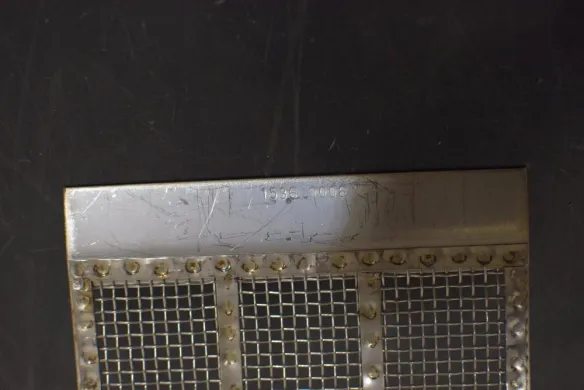
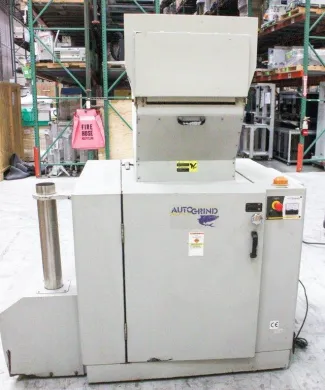
Process mills are machines that reduce solid material to a controlled particle size by forcing it through a milling chamber, where rotating elements break the feed against a screen until the particles are small enough to pass. They handle dry powders, granules, fibrous solids and wet cakes across pharmaceutical, food and chemical production. On Questpair, 165 laboratory process mill listings are available from 8 verified suppliers and distributors across 7 countries, in new, used and refurbished condition. Of those, 97 percent of the listings are used. Prices run from EUR 50 to EUR 34.005. Most listings centre on hammer mills and their screens, the parts that determine the size a mill delivers.
Updated:
Process mills product list
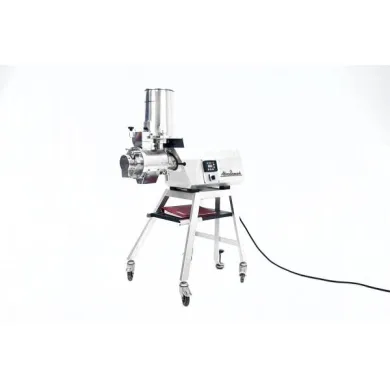
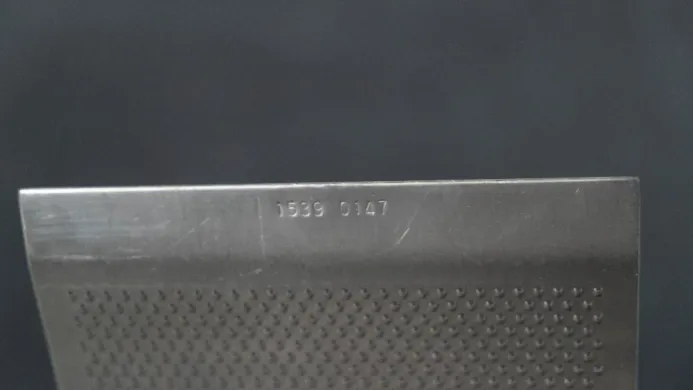
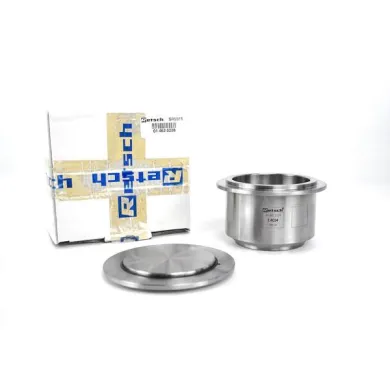
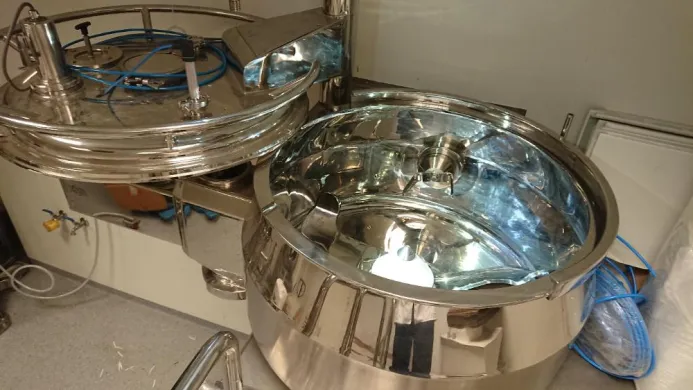


Not the exact instrument you need?
Tell our scientists what you are after. We track it down, including off-market supply.

Not the exact instrument you need?
Tell our scientists what you are after. We track it down, including off-market supply.
Showing 1–40 of 148 listings
Show 40 more listingsBuying guide
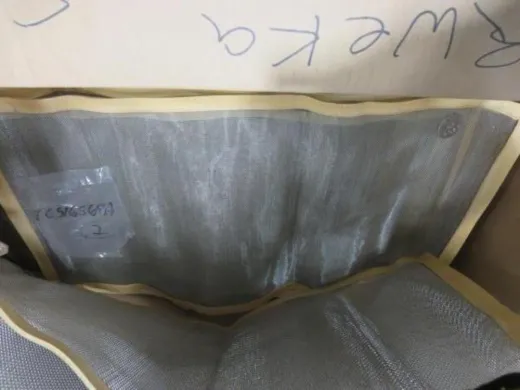
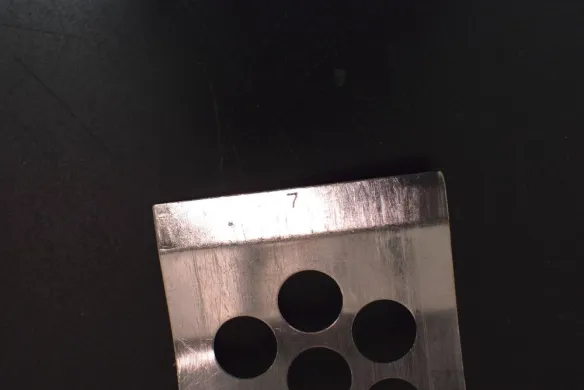
The screen settles most process mill purchases before anything else does. A hammer mill, the dominant design in this catalogue, produces a particle size governed mainly by the perforation of the screen it runs against, so the first question is which screen apertures a given machine accepts and whether the ones a process needs are available. A buyer milling to a fine pharmaceutical powder and a buyer reducing granules for a feed line may want the same mill body with entirely different screens, and a mill offered without its screen set is a partial purchase. Rotor speed and the choice between hammers and blades matter next, because they decide how brittle or how fibrous a feed the machine can take, but the screen is where the specification turns into a result on the bench.
Condition carries real weight here because the wear parts and the contact surfaces do the work. On a used process mill, inspect the screen for elongation or tearing around the perforations, check the hammers or blades for rounding, and look at the chamber wall for the scoring that abrasive feeds leave. These are consumable items by design, so their state says less about the machine's age than about what it last milled and whether the seller replaced them. For pharmaceutical or food use, ask what the contact surfaces are made of and whether the unit was cleaned and documented, since cross-contamination between campaigns is the risk a used mill carries that a specification sheet will not show.
Price spans a wide band on this catalogue, from EUR 50 for a screen or a single wear component to EUR 34.005 for a complete production-scale mill, with an average near EUR 3.127. That spread reflects the mix of whole machines and the milling screens, hammer mill screens and particle size reduction components that sit alongside them. The brands that occupy the band are FitzMill, Fitzpatrick, Fitzmill, Retsch, Fitz-Mill, with FitzMill models forming most of the complete units; their long production history means screens and replacement parts are widely interchangeable, which keeps a used purchase serviceable. A refurbished or used mill listed for sale costs less than a new one, and for a buyer whose budget has to cover both the machine and a set of screens, that difference often decides which end of the range fits. Where warranty matters, it is arranged in consultation for the specific listing rather than set across the catalogue.
Types of Process mills
Which process mill types are listed?
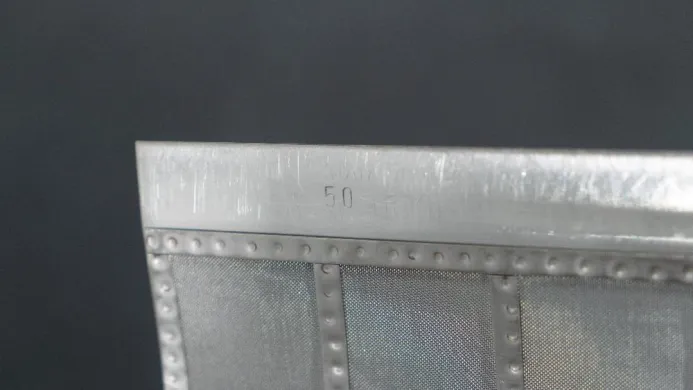
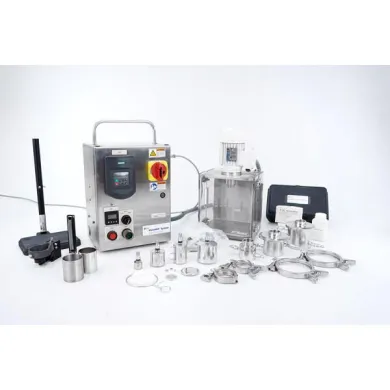
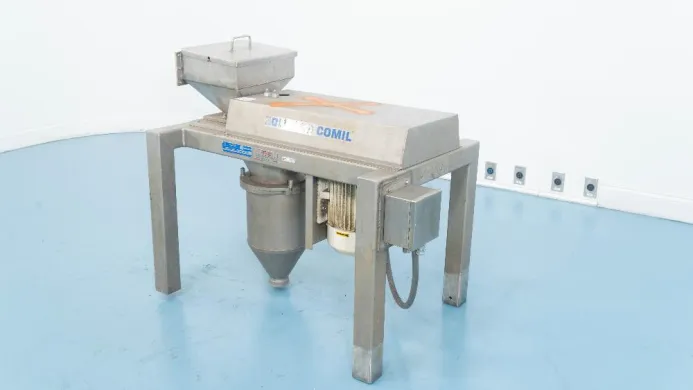
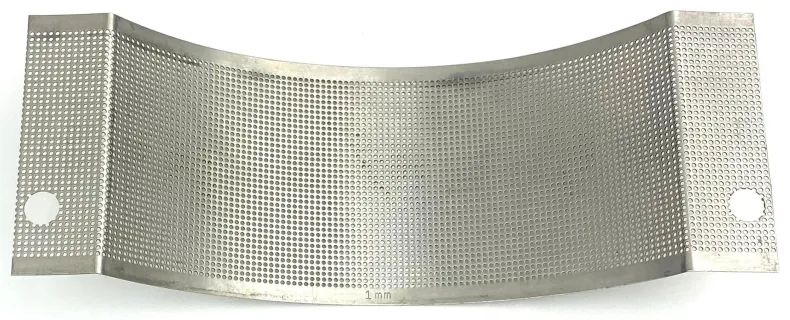
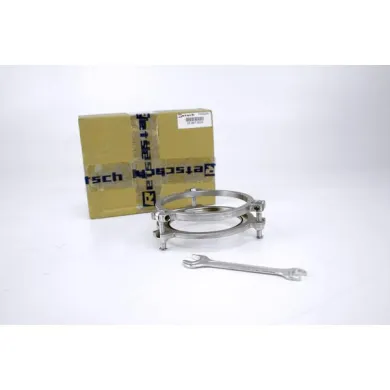
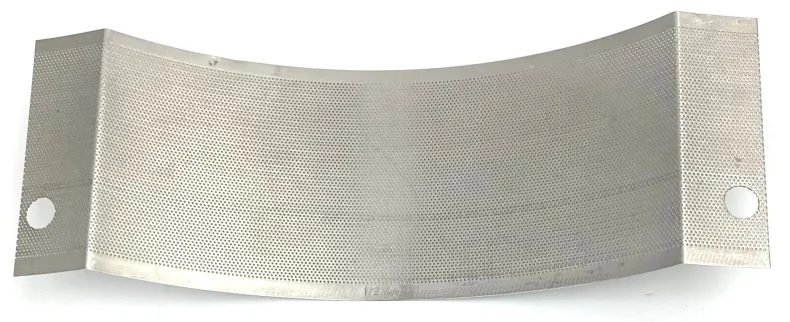
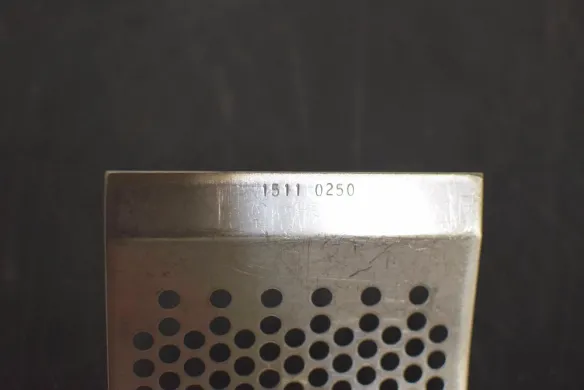
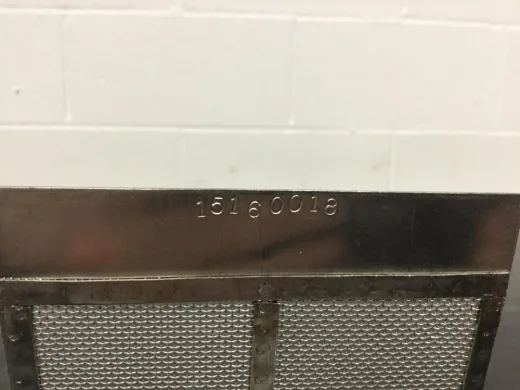
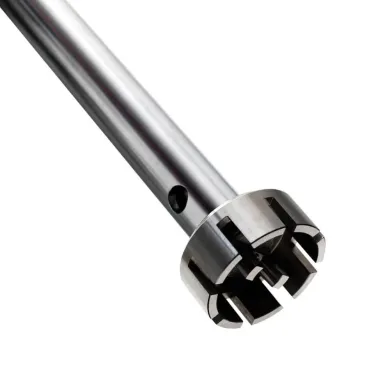
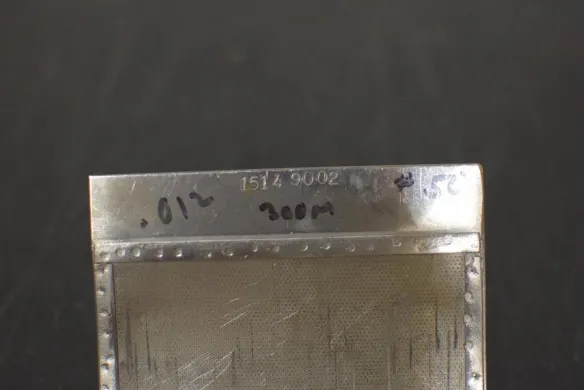
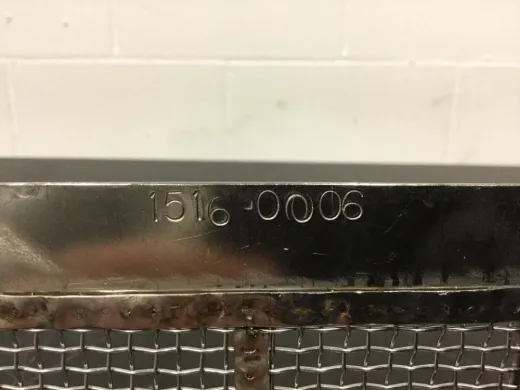
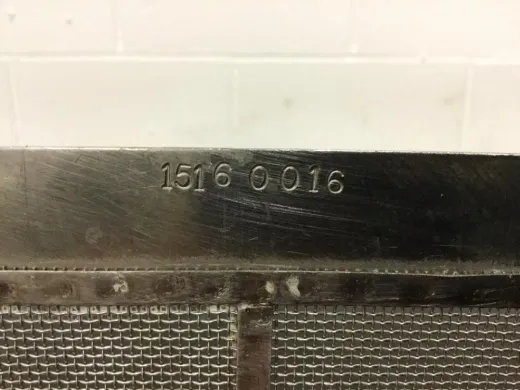
Among the listings that specify a type, the catalogue is dominated not by whole machines but by the parts that define how they mill. Hammer mill screens come first: the perforated plates that set the final particle size, sold separately because they are the component a user changes most often. Alongside them sit milling screens of other patterns, milling equipment accessories and components, and particle size reduction components and accessories, the hammers, blades, liners and fittings that wear and get replaced. The complete mills themselves run through these parts. A hammer mill does particle size reduction by impact, driving feed against the screen until it passes; the screen aperture, not the motor, is what a buyer is really selecting when they choose between listings.
The brands behind the process mill listings
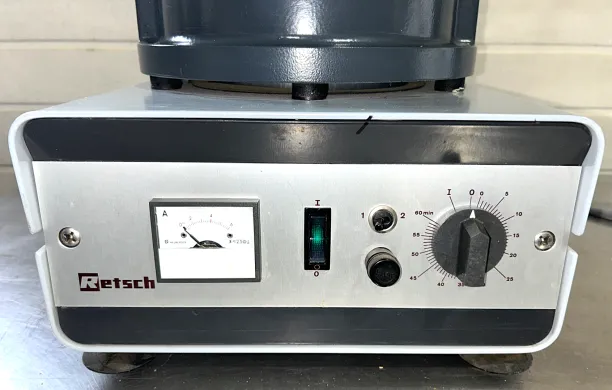
The brands here are FitzMill, Fitzpatrick, Fitzmill, Retsch, Fitz-Mill, a list on which FitzMill, Fitzpatrick and Fitz-Mill are variant spellings of the same long-established maker of hammer-style mills. That concentration works in a buyer's favour: a single dominant platform means screens and wear parts are broadly interchangeable across model generations, so a used machine stays serviceable and a replacement screen is easier to match. Retsch appears for laboratory-scale milling and sample preparation. Because so many listings are parts rather than whole units, knowing which maker a screen or rotor fits is the practical step before purchase.
What a used process mill costs here
Used and refurbished units make up 97 percent of the listings. Prices run from EUR 50 to EUR 34.005, a range that stretches from a single screen to a full production mill, with the average sitting near EUR 3.127. In the life sciences this milling equipment feeds bioprocessing and biomanufacturing, where a hammer mill for pharmaceutical powder processing reduces active ingredients and excipients ahead of formulation, and finer particle size reduction supports the sample preparation that precedes molecular biology and microbiology workflows. These mills are also used for comminuting dried biomass and plant material before protein purification and genomics extraction. Parts for a listed machine can be sourced via Questpair, and a warranty, where needed, is arranged in consultation for the specific listing.
Frequently asked questions
What is a process mill?
A process mill is a machine that reduces bulk solids to a target particle size by mechanical action, hammering, cutting or shearing material against a screen until it passes through. It sits between a laboratory grinder and a full production comminution line, handling batch and continuous feeds.
What does process mill mean?
The term covers both the complete milling machine and the wear parts that keep one running. In this catalogue it refers to hammer mills, cutting mills and shearing mills alongside their screens, hammers and rotor components used in pharmaceutical, chemical and food processing.
How do process mills work?
Material is fed into a chamber where a rotating element strikes, cuts or shears it against a screen. Particles stay in the chamber until they are small enough to pass through the screen aperture, so the screen sets the final particle size.
What types of process mills are there?
The listings here lean toward components rather than whole machines. Named types include hammer mill screens, milling equipment accessories, particle size reduction components, milling equipment components, milling screens and particle size reduction accessories.
What are process mills used for?
They handle particle size reduction in sample preparation and formulation: reducing active ingredients and excipients ahead of blending, granulation and tableting, milling powder for biomanufacturing feedstock and media, and disrupting tissue or cells for protein purification and nucleic acid extraction.
How do I choose a process mill?
For a complete mill, match throughput, feed size and the fineness it needs to reach. For a screen or a wear part, buy against the model number and rotor housing it fits, since aperture and fit are specific to one machine rather than general across a category.
What is the difference between refurbished and used?
A used mill is sold in its existing condition, while a refurbished one has been reconditioned before resale. Both are listed below the price of new here, and the specific condition and any work done are stated on the individual listing.
How much does a process mill cost?
Prices in this catalogue run from EUR 50 to EUR 34.005, with an average of EUR 3.127. That spread is wide because a single screen or a bag of hammers sits near the floor while a complete mill with drive and housing sits near the top, so read the individual listing rather than the average.
Which brands are worth looking at?
The listings cluster around FitzMill, Fitzpatrick, Fitzmill, Retsch and Fitz-Mill. The FitzMill name appears in several spellings because sellers transcribe it differently, so searching variants of the same name turns up more listings.
Is there a warranty on a refurbished process mill?
A warranty is often possible and is arranged in consultation for the specific listing. Check the listing for its stated condition and terms before buying.
Can I get parts for a process mill?
Screens, hammers and rotor parts are the items most often listed in this catalogue, and parts can be sourced via Questpair. Matching a worn component means quoting the brand and part number against the specific machine you run.
How long does a process mill last?
A well-built mill stays in service for years, which is reflected in how many of the listings here are used and how actively the wear parts are resold. The parts that wear, screens and hammers and rotor components, are replaced over the life of the machine rather than the machine itself.
Should I buy new or refurbished?
Used and refurbished mills are listed at lower prices than new. Where warranty matters it is arranged in consultation for the specific listing, so weigh the individual listing on its condition and terms rather than on condition alone.
Where can I buy a process mill?
The Questpair catalogue lists 165 process mills from 8 verified suppliers and distributors across 7 countries, in new, used and refurbished condition.
What is the lead time and shipping?
Lead time and shipping depend on the individual seller and the item's location, since listings come from suppliers and distributors across 7 countries. The specific listing carries these details, and specialists respond within an hour if you need to confirm them.
How is a process mill calibrated and maintained?
Maintenance centres on replacing worn wear parts, chiefly the screen and the hammers or blades, as they degrade or as a formulation moves to a finer cut. Questpair does not perform servicing, but the parts needed can be sourced via Questpair.
Which types in this category are listed most, and who reaches for which?
Hammer mill screens dominate the listings that specify a type, followed by milling equipment accessories and particle size reduction components. A buyer keeping a running line going reaches for screens and consumables by part number, while a buyer standing up a new process looks for a complete mill specified by throughput and fineness.
Which brands dominate this category, and what does that mean for a buyer?
The FitzMill or Fitzpatrick family and Retsch account for the bulk of the listings. A concentrated installed base means screens, hammers and rotor parts recur across many listings, so matching a worn component to an existing machine is more straightforward, though a Retsch part number does not cross to a Fitzpatrick machine.
What separates the cheapest listings from the most expensive?
The bottom of the range is a single wear part, a hammer mill screen or a set of hammers bought as a consumable. The top is a complete processing mill with its drive and housing, which is why the span from EUR 50 to EUR 34.005 is so wide and the listing itself tells you which end you are reading.