

Process miscellaneous
We personally find you the right used, refurbished and new process miscellaneous instruments & equipment from verified suppliers.
Process miscellaneous is the catalogue category for laboratory and production process equipment that does not fall under a named process type, covering unit-operation hardware from bioprocessing vessels to lamination and web-handling modules. New, used and refurbished units are listed, and of the current offering 99 percent of the listings are used. The category holds 136 listings from 10 verified suppliers and distributors across 4 countries. Prices run from EUR 52 to EUR 46.648. What unites these items is function rather than form: each performs a discrete step in a larger process line, which is why they sit together here instead of under a dedicated analytical or separation heading.
Updated:
Process miscellaneous product list
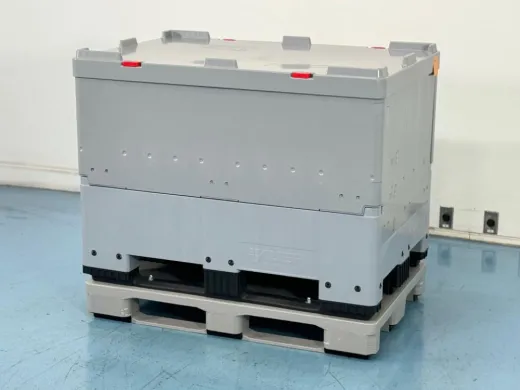
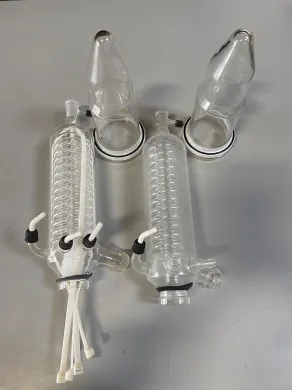
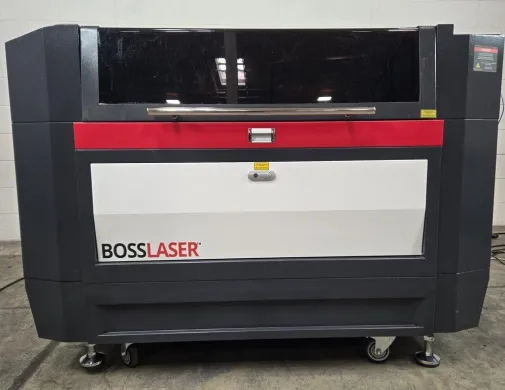
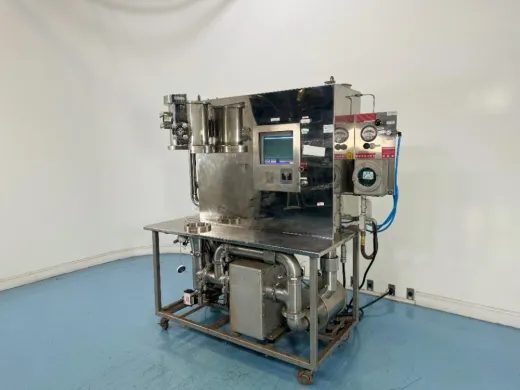


Not the exact instrument you need?
Tell our scientists what you are after. We track it down, including off-market supply.
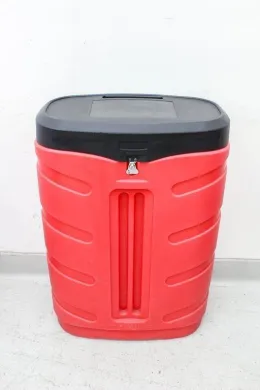
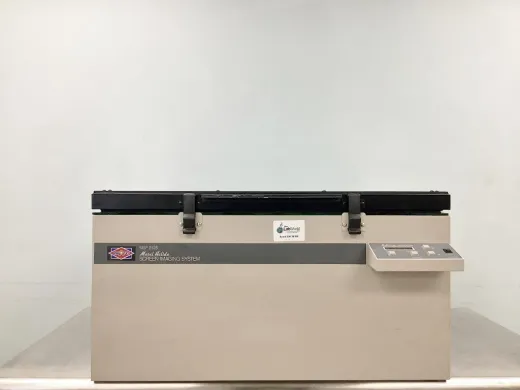
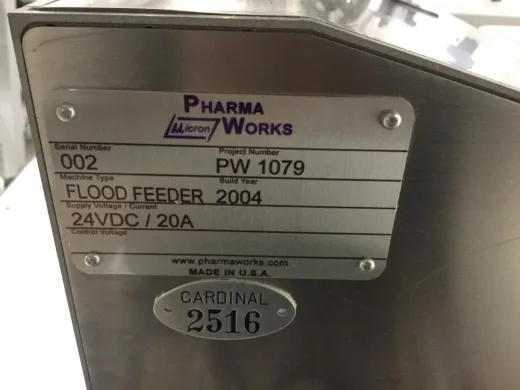
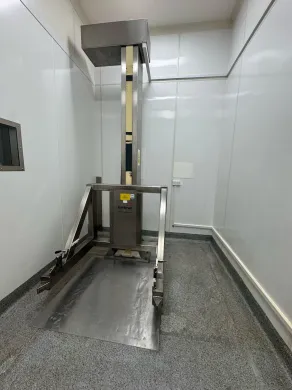
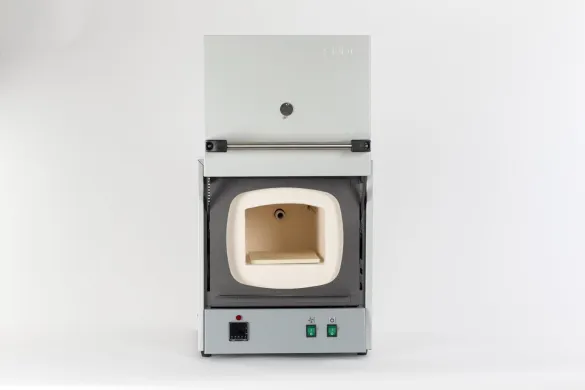
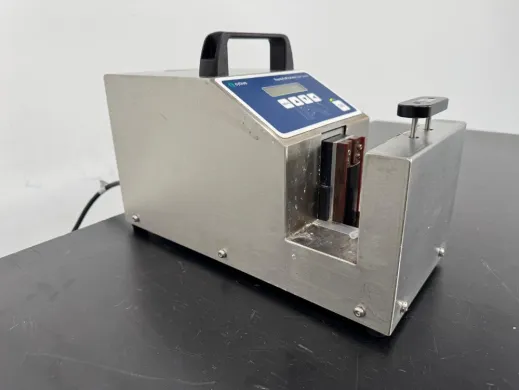
Not the exact instrument you need?
Tell our scientists what you are after. We track it down, including off-market supply.
Showing 1–40 of 64 listings
Show 24 more listingsBuying guide
Matching the equipment to the process step
Because this category gathers equipment by what it does rather than by a shared instrument class, the first thing a buyer settles is the process step the unit has to perform and the throughput that step demands. A bioprocessing container sized for a pilot run will not serve a production batch, and an accumulation table rated for one line speed will stall or jam another. Capacity, line speed, and the physical interface to the equipment upstream and downstream decide the purchase before any secondary feature does. Read the specification against the process the unit will join, not against a generic benchmark, and confirm the connection sizes, voltages, and control signals match what is already installed.
Condition carries more weight here than on catalogue equipment with standard parts, because much of this hardware is semi-custom or built for a particular line. On a used bioprocessing container, the wetted surfaces, seals, and any sensor ports are what wear, so ask for the service history and photographs of the interior. On a lamination module or a kapton heater module, the heating elements and rollers define remaining life, and a unit pulled from a decommissioned line may have run for years. Verify that the unit is complete, since a module missing its original control box or feed mechanism is often harder to return to service than its price suggests. Parts for this class of equipment can be sourced via Questpair.
The price band is wide, running from EUR 52 at the simple-component end to EUR 46.648 for a complete production assembly, with an average near EUR 3.757. That spread reflects the range of what the category holds, from a single heater element to a full web-handling line. For a buyer working to a budget, the used and refurbished units listed here cost less than new equivalents, and the spread means something suitable exists at most price points. Brands offering equipment for sale in this category include Various, Kinematic Automation, Sartorius, Bohle, Glatt, which span general process builders and specialist makers of lamination and granulation hardware. Where a unit is semi-custom, expect fewer directly comparable listings, so judge each on its own specification rather than on a model-to-model match.
Types of Process miscellaneous
Which process equipment types are listed here?
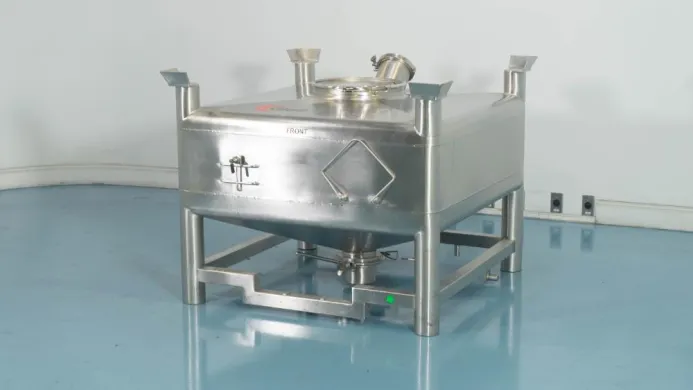
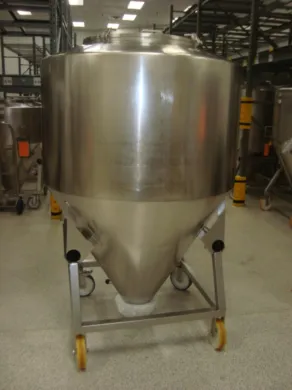
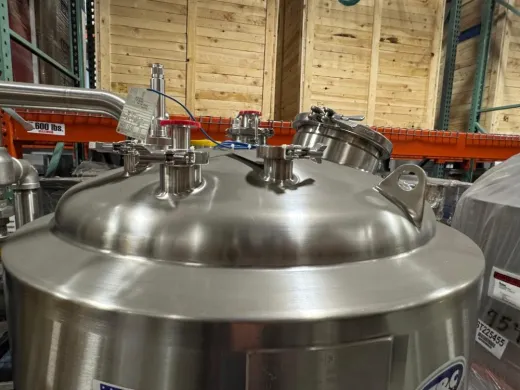
Among the listings that specify a type, the catalogue holds bioprocessing equipment, accumulation table, bioprocessing container, card lamination module, diagnostic test strip laminator, kapton heater module. These divide roughly into two families. The bioprocessing group, bioprocessing equipment and bioprocessing containers, handles the controlled growth, mixing, and holding of biological material, and is reached for in cell culture, protein purification, and biomanufacturing work, where a sealed and often single-use vessel moves product through fermentation and downstream recovery. Such equipment also serves upstream steps in bioprocessing for molecular biology and microbiology production. The second family is web and sheet handling: accumulation tables, card lamination modules, and diagnostic test strip laminators buffer and bond continuous material, and the strip laminator in particular is a fixture in molecular diagnostics and immunoassay manufacturing, where a reagent-coated membrane is laminated into a finished test strip. The kapton heater module is a flexible polyimide heating element used to hold a defined temperature on a surface, a supporting component rather than a standalone process unit. What separates these types is the medium each moves, liquid culture, a card stack, or a reagent web, and a buyer chooses by the process the unit has to join.
The brands behind these process listings
Equipment here comes from Various, Kinematic Automation, Sartorius, Bohle, Glatt. A large share is listed under a general or unbranded maker, which is common for semi-custom process hardware built for a specific line, so a buyer judges those units on specification rather than on a model name. The named makers occupy recognisable niches: Kinematic Automation builds the strip-laminating and cutting equipment used in diagnostic manufacturing, Sartorius supplies bioprocessing containers and single-use systems, and Bohle and Glatt are established in granulation and solids processing. For a buyer, a named brand usually means parts and documentation are easier to trace and that a given model can be compared against others of the same line, whereas an unbranded unit is weighed on its own condition and completeness.
What a used process unit costs here
The condition mix is heavily weighted toward pre-owned equipment: 99 percent of the listings are used. Prices range from EUR 52 to EUR 46.648, a spread that covers everything from a single kapton heater element to a complete bioprocessing or lamination assembly, with the average sitting near EUR 3.757. The width of that band reflects the variety the category holds rather than any one type, so a stated price says as much about the scale of the unit as about its condition. Documentation for a specific listing can be requested through Questpair, where specialists respond within one hour.
Frequently asked questions
What is process miscellaneous equipment?
It is the catalogue category for laboratory and production process equipment that does not fall under a named process type, covering unit-operation hardware from bioprocessing vessels to lamination and web-handling modules. Each item performs a discrete step in a larger process line, which is why they sit together under one heading.
What does process miscellaneous mean on this page?
It means the equipment here is grouped by function rather than by a shared instrument class. These units do not belong to a dedicated analytical or separation heading, so the common thread is that each handles one step in a larger process rather than a shared form or technology.
How does this equipment work?
Each type works differently because the category spans several functions: bioprocessing vessels hold and move biological material through growth and recovery, web and sheet handlers buffer and bond continuous material, and a kapton heater holds a defined temperature on a surface. What a given unit does depends on the medium it moves, whether that is liquid culture, a card stack, or a reagent web.
What types are listed in this category?
Among listings that specify a type, the catalogue holds bioprocessing equipment, accumulation tables, bioprocessing containers, card lamination modules, diagnostic test strip laminators, and kapton heater modules. These split into a bioprocessing family and a web and sheet handling family.
What is this equipment used for?
Bioprocessing equipment and containers are used for cell culture, protein purification, and biomanufacturing, where a sealed and often single-use vessel carries product through fermentation and downstream recovery. Lamination modules and strip laminators are used in molecular diagnostics and immunoassay manufacturing, where a reagent-coated membrane becomes a finished test strip.
How do I choose the right unit?
Settle the process step the unit has to perform and the throughput that step demands first, then match capacity, line speed, and the physical interface to the equipment upstream and downstream. Confirm the connection sizes, voltages, and control signals match what is already installed before weighing any secondary feature.
What is the difference between refurbished and used?
A used unit is sold in its pulled condition, while a refurbished one has been worked on before listing. For semi-custom process hardware the practical question is completeness and remaining life of wear parts, so ask for service history and interior photographs regardless of the label.
How much does this equipment cost?
Prices range from EUR 52 to EUR 46.648, with the average near EUR 3.757. That width covers everything from a single kapton heater element to a complete bioprocessing or lamination assembly, so a stated price reflects the scale of the unit as much as its condition.
Which brands are here?
Equipment comes from Various or unbranded makers, Kinematic Automation, Sartorius, Bohle, and Glatt. A large share is listed under a general or unbranded maker, which is common for semi-custom hardware built for a specific line.
Is a warranty available on refurbished units?
A warranty is often possible and is arranged in consultation for the specific listing. Terms depend on the individual unit rather than being set across the category.
Can I get parts for these units?
Parts can be sourced via Questpair. For semi-custom or line-specific hardware, confirm a unit is complete before purchase, since a module missing its control box or feed mechanism can be harder to return to service than its price suggests.
How long does this equipment last?
Lifespan depends on the wear parts for the type: on a bioprocessing container the wetted surfaces, seals, and sensor ports wear, while on a lamination or heater module the heating elements and rollers define remaining life. A unit pulled from a decommissioned line may already have run for years, so the service history matters more than age alone.
Should I buy new or used?
Used and refurbished units are listed at lower prices than new equivalents, and the wide spread means something suitable exists at most price points. Where you have to weigh the two, judge the individual listing and note that warranty is arranged in consultation for that unit.
Where can I buy this equipment?
The listings come from 10 verified suppliers and distributors across 4 countries, held within the Questpair catalogue. The category currently holds 136 listings in total.
What are the lead time and shipping like?
Lead time and shipping depend on the individual listing and its supplier, since units range from a single component to a full assembly. Documentation and details for a specific listing can be requested through Questpair, where specialists respond within one hour.
What about calibration and maintenance?
Maintenance needs sit with the wear parts of each type, such as seals on a container or rollers and heating elements on a laminator, and parts for these can be sourced via Questpair. Questpair does not carry out servicing itself, so plan maintenance against the unit you install.
Which types are listed most and who reaches for which?
The listings divide into a bioprocessing family, bioprocessing equipment and containers, and a web and sheet handling family, accumulation tables, card lamination modules, and strip laminators. Bioprocessing vessels are reached for in cell culture, protein purification, and biomanufacturing, while strip laminators are a fixture in molecular diagnostics and immunoassay manufacturing.
Which brands dominate and what does that mean for a buyer?
A large share of listings carry a general or unbranded maker, with named makers in recognisable niches: Kinematic Automation in strip laminating and cutting for diagnostics, Sartorius in bioprocessing containers and single-use systems, and Bohle and Glatt in granulation and solids processing. A named brand usually makes parts and documentation easier to trace and lets a model be compared against others in the same line, while an unbranded unit is weighed on its own condition and completeness.
What separates the cheapest listings from the most expensive?
The bottom of the band, near EUR 52, is the simple-component end, such as a single kapton heater element, while the top, near EUR 46.648, is a complete production assembly like a full web-handling or bioprocessing line. The gap reflects the scale and completeness of the hardware rather than condition alone, with the average sitting near EUR 3.757.