

Process homogenizers
We personally find you the right used, refurbished and new process homogenizers instruments & equipment from verified suppliers.
Process homogenizers are instruments that reduce particle size and disrupt cells, tissues or emulsions by forcing material through a controlled shear, pressure or mechanical field. They turn coarse mixtures into uniform suspensions, breaking down structures that ordinary mixing leaves intact. The Questpair catalogue holds 124 listings in this category, from 15 verified suppliers and distributors across 8 countries. New, used and refurbished units are listed, and 97 percent of the listings are used. Prices run from EUR 41 to EUR 107.611, a wide band that reflects everything from benchtop laboratory models to industrial high-pressure platforms. Homogenization serves research, quality control and production alike, which is why the equipment spans so many scales.
Updated:
Process homogenizers product list
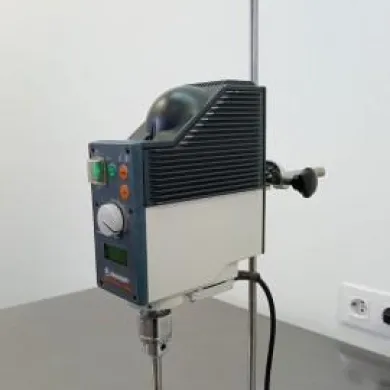
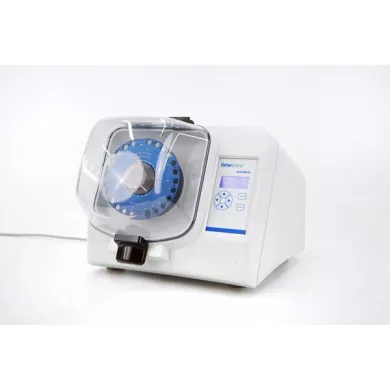
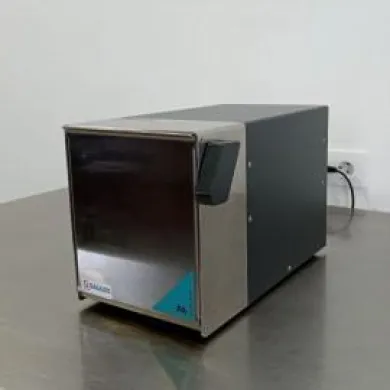
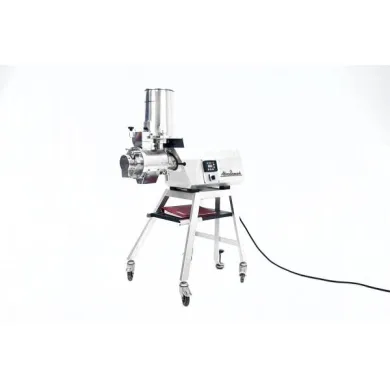


Not the exact instrument you need?
Tell our scientists what you are after. We track it down, including off-market supply.

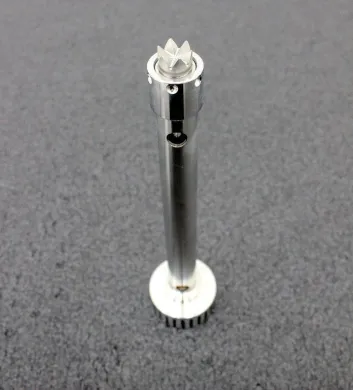
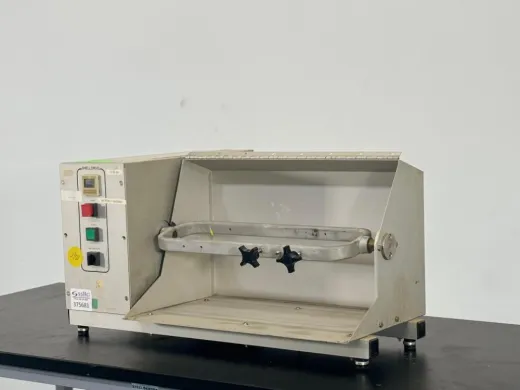
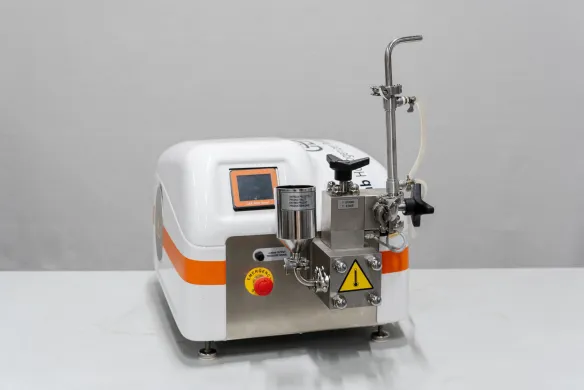
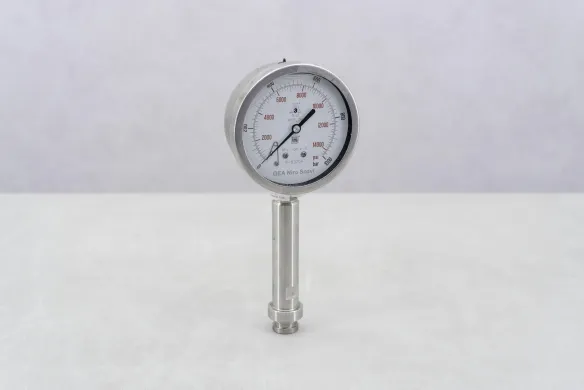
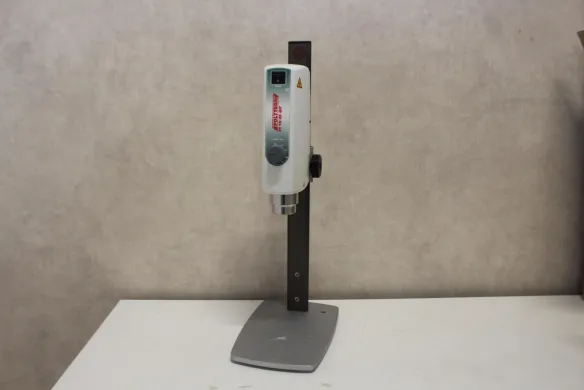
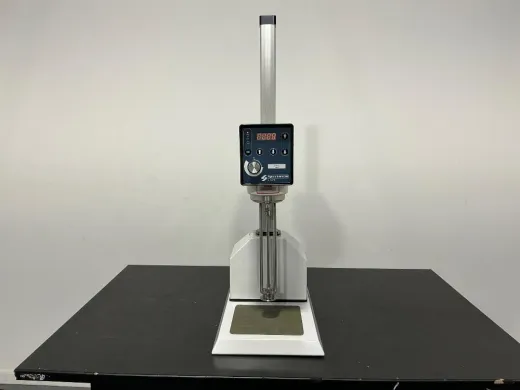
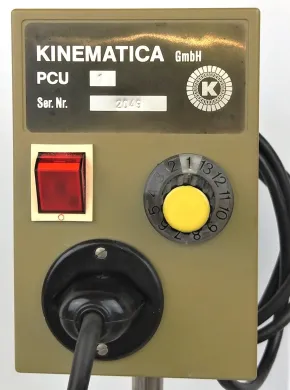
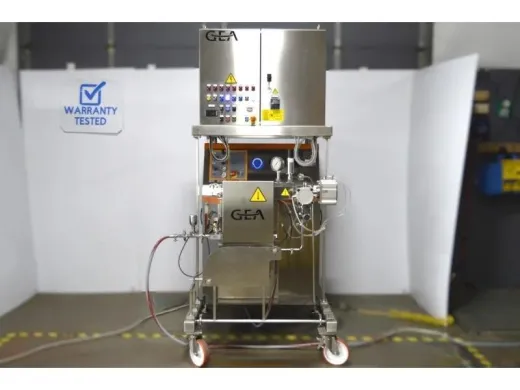

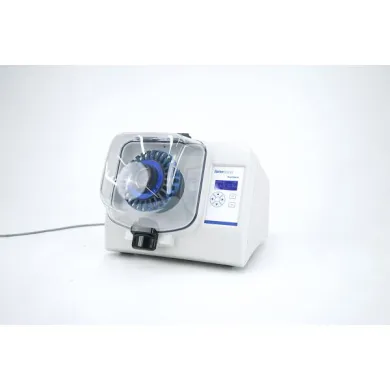
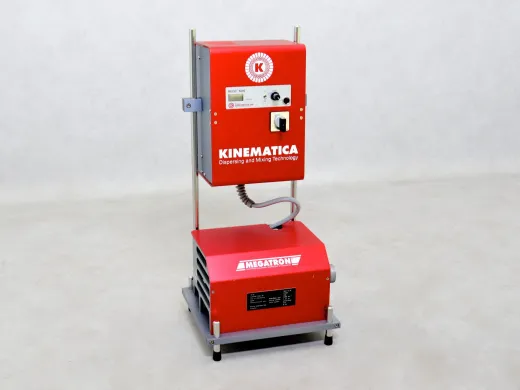
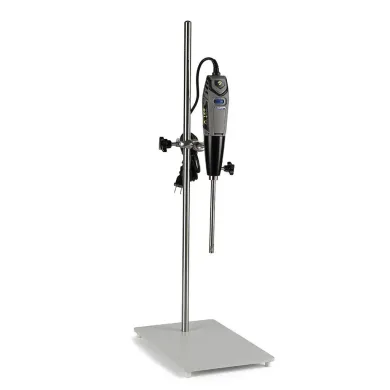
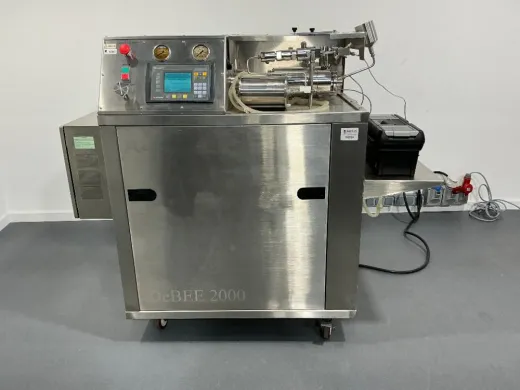
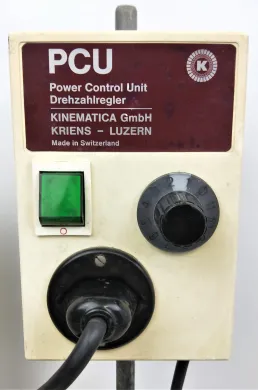
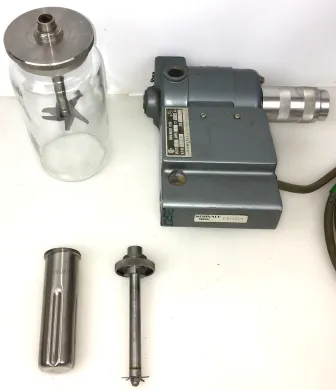
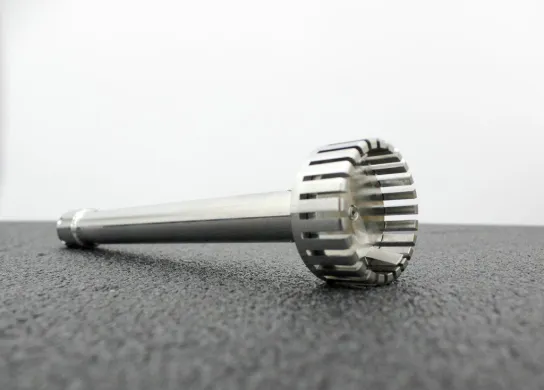
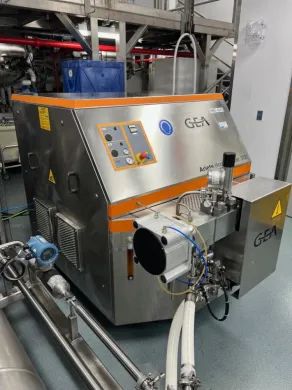
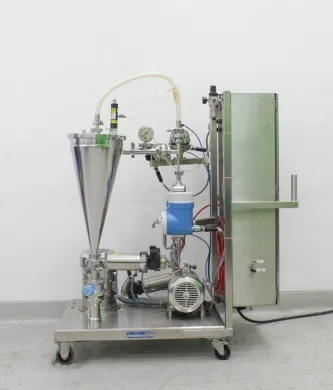
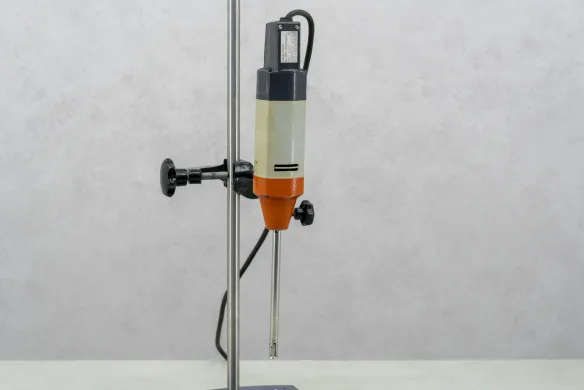
Not the exact instrument you need?
Tell our scientists what you are after. We track it down, including off-market supply.
Showing 1–40 of 116 listings
Show 40 more listingsBuying guide
What pressure or shear a process homogenizer has to reach?
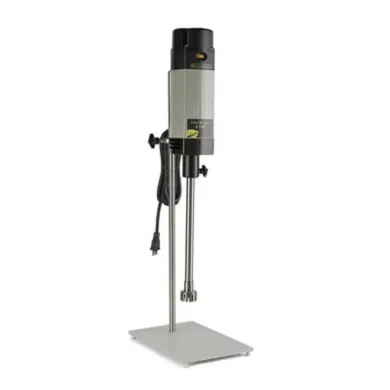
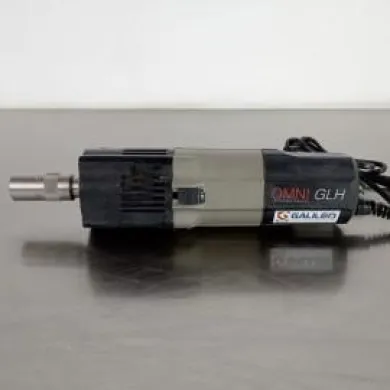
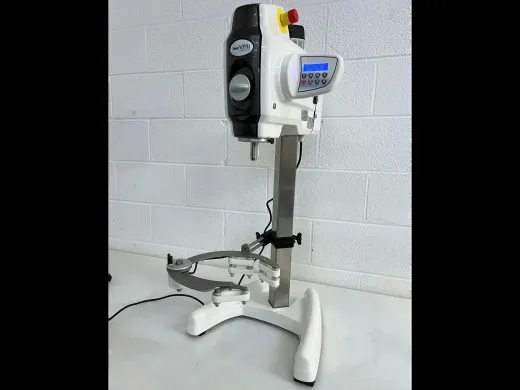
The parameter that settles the purchase is the energy the machine can apply, because the structure being broken dictates everything downstream. A high-pressure homogenizer is rated by the operating pressure at the valve, often quoted in bar, and a liposome or a nanoemulsion demands a figure an order of magnitude above what a plant-cell lysate needs. A rotor-stator unit is rated instead by tip speed and by the gap between rotor and stator, which together set the shear rate. Matching that rating to the material is the whole decision: an underpowered unit leaves aggregates intact, while an oversized one shears heat-sensitive product and wastes capacity. Throughput sits alongside pressure, since a homogenizer that hits the pressure but processes a litre an hour will not keep a pilot line fed.
Condition carries unusual weight here, because a homogenizer wears where it works. On a used high-pressure unit the valve seat, the plunger seals and the pump block take the load, and these are consumable parts that may already be near replacement. Ask for the running hours, the pressure the unit last held under load, and whether the wetted parts have been renewed. For a rotor-stator homogenizer the generator probe and bearings are the items to inspect, since a scored probe no longer holds its gap. A unit that cannot demonstrate its rated pressure on test is worth only what its frame and motor are worth.
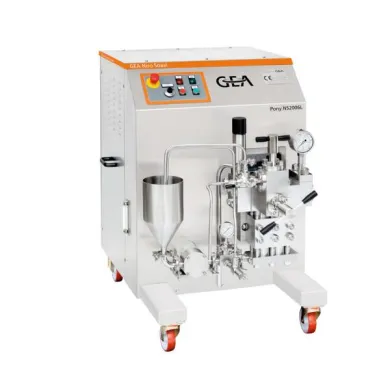
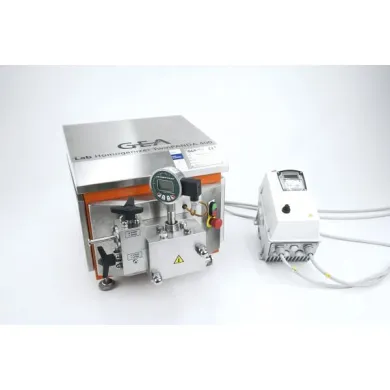
The price band on Questpair is broad, running from EUR 41 to EUR 107.611, and the two ends are different machines rather than the same machine priced differently. The low end covers benchtop laboratory homogenizers and handheld rotor-stator units; the high end covers industrial high-pressure platforms with multi-stage valves and sanitary pumps. GEA, Kinematica, Microfluidics, GEA Niro Soavi, IKA account for much of the listed stock, and their presence shapes what a buyer can do with a budget: a named platform makes model-to-model comparison straightforward and keeps spare parts findable, which matters more on process equipment than on a disposable. A unit from a recognised line costs more than a generic equivalent, but the resale floor and the parts availability usually justify the difference. Used and refurbished homogenizers are listed for sale well below new, so a buyer working to a fixed budget can reach a higher pressure rating secondhand than the same money buys new.
Types of Process homogenizers
Which process homogenizer types are listed here?
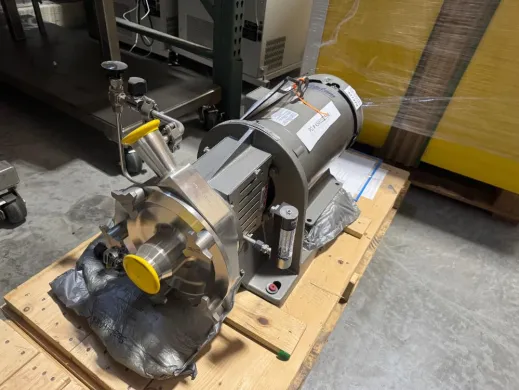
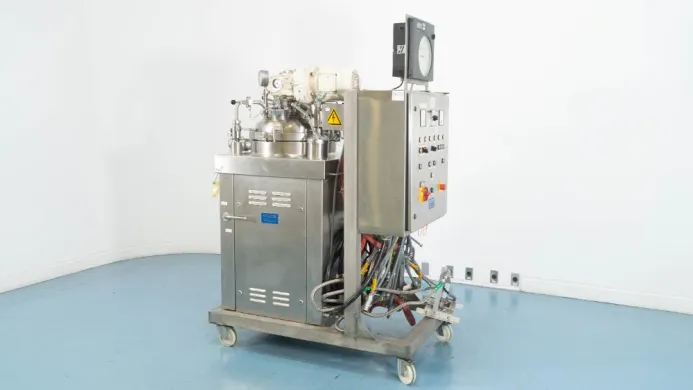
Among the listings that specify a type, the catalogue divides along the mechanism that does the work. The laboratory homogenizer is the general bench instrument, sized for millilitre to litre volumes and reached for in method development and small-batch work. The high-pressure homogenizer forces fluid through a narrow valve at thousands of bar, the approach that produces fine emulsions and nanoemulsions and that lyses tough cells; it is the type most used for cell culture harvest and for protein purification feedstock, where the goal is complete disruption without denaturing the product. The tissue homogenizer is built to reduce animal or plant tissue to a workable suspension, the first step in histology and in much of molecular biology, including the extraction that precedes genomics and proteomics work. The benchtop homogenizer overlaps with the laboratory type but names the format rather than the mechanism, a floor-saving unit for routine sample preparation. The bioprocessing homogenizer is the scaled version of the high-pressure design, specified for biomanufacturing and for cell culture processing at pilot and production volume, and it is the type that also handles vaccine antigen release and recombinant protein recovery. Sample preparation equipment, as a catalogue heading, gathers the smaller mills and disruptors that feed downstream electrophoresis, immunoassay and molecular diagnostics workflows.
The brands behind the process homogenizer listings
GEA, Kinematica, Microfluidics, GEA Niro Soavi, IKA make up the bulk of the listed stock. For a buyer that presence is practical rather than reputational: a platform that recurs in the catalogue is one you can compare across several listings, price against a known baseline, and keep running because wear parts for it circulate. The high-pressure names tend to sit at the upper price band and hold their value, so a used unit from one of them still commands a real figure; the rotor-stator and benchtop names populate the more affordable tiers. Where two listings carry the same series, the comparison comes down to running hours and valve condition rather than specification sheet.
What a used process homogenizer costs here
The condition mix is heavily weighted to the secondhand market, with 97 percent of the listings used. Prices span from EUR 41 to EUR 107.611. That spread is not a single machine marked up and down; it tracks the move from a benchtop laboratory homogenizer to an industrial bioprocessing platform, and the pressure rating and throughput climb with it. A buyer reads the band by first fixing the mechanism and scale the work needs, then reading price within that tier rather than across the whole range.
Frequently asked questions
What is a process homogenizer?
A process homogenizer is an instrument that reduces particle size and creates stable dispersions by forcing a sample through a narrow gap or an intense shear field. It is used to break cells, emulsify liquids and disperse solids into uniform suspensions.
What does process homogenizer mean?
The term covers both laboratory dispersers that prepare samples for analysis and production machines that run continuous volumes. In practice it refers to any device that homogenizes a sample through high shear or high pressure rather than simple mixing.
How do process homogenizers work?
Rotor-stator units shear a sample between a spinning rotor and a fixed stator. High-pressure units drive the fluid through a valve at pressures that can exceed a thousand bar, where cavitation and shear at the valve split cells or shrink an emulsion to the nanometre scale.
What types of process homogenizers are there?
The types listed here include laboratory homogenizer, high-pressure homogenizer, sample preparation equipment, bioprocessing homogenizer, tissue homogenizer and benchtop homogenizer. The laboratory and benchtop classes cover general sample prep, while high-pressure and bioprocessing units handle cell lysis and fine dispersion at larger scale.
What is a process homogenizer used for?
It is used for cell disruption, emulsification, and dispersing solids into uniform suspensions. This work underpins bioprocessing, pharmaceutical formulation, molecular biology extraction and food technology.
How do I choose a process homogenizer?
Match the machine to the task: a rotor-stator or benchtop unit for routine sample prep, a high-pressure unit for fine emulsions or nanometre dispersion, and a bioprocessing homogenizer for cell lysis at production scale. Then check sample volume, the pressure or shear the application needs, and whether valves and rotor-stator tools fit your material.
What is the difference between refurbished and used process homogenizers?
A used unit is sold as it comes, while a refurbished unit has been inspected and reconditioned before listing. Both are listed at lower prices than new, and the exact condition is described in each individual listing.
How much does a process homogenizer cost?
Across this category prices range from EUR 41 to EUR 107.611, with an average of EUR 10.094. That spread reflects the gap between a small benchtop disperser and a skid-mounted production homogeniser.
What are the best brands of process homogenizers?
The brands that recur in this category are GEA, Kinematica, Microfluidics, GEA Niro Soavi and IKA. GEA and GEA Niro Soavi sit at the production end, Microfluidics at the high-pressure fine-dispersion end, and Kinematica and IKA at the laboratory and benchtop end.
Is there a warranty on a refurbished process homogenizer?
A warranty is often possible and is arranged in consultation for the specific listing. Check the listing itself for its stated condition and terms.
Can I get parts for a process homogenizer?
Valves, seals and rotor-stator tools are the usual wear parts, and parts can be sourced via Questpair. A deeper brand pool across the catalogue makes matching spares to a given model easier.
How long does a process homogenizer last?
Lifespan depends on duty cycle, the abrasiveness of the samples run, and how wear parts are replaced. Production machines from the GEA end are built for a longer parts life, while wear items like valves and seals are replaced periodically regardless of brand.
Should I buy new or refurbished?
The clearest difference is price: used and refurbished units are listed below new. Weigh the condition described in the individual listing against the price, and note that warranty is arranged in consultation per listing rather than set centrally.
Where can I buy a process homogenizer?
They are listed on Questpair from 15 verified suppliers and distributors across 8 countries, with 124 listings in this category. New, used and refurbished units all appear.
What are the lead time and shipping like?
Lead time and shipping depend on the individual listing, the supplier and the unit's location across the 8 countries represented. The listing or the supplier gives the specific timeframe for that item.
What calibration and maintenance does a process homogenizer need?
Routine maintenance centres on inspecting and replacing wear parts such as valves, seals and rotor-stator assemblies, and keeping the flow path clean. High-pressure units need the valve and pressure path checked regularly because that is where the work and the wear concentrate.
Which types in this category are listed most, and who reaches for each?
Laboratory and benchtop homogenizers are the general class a histology, microbiology or genomics lab uses for sample prep, and tissue homogenizers are the specialists within that group for extracting nucleic acids and proteins. High-pressure and bioprocessing homogenizers serve pharma, vaccine and biomanufacturing work where cell lysis at scale or fine reproducible dispersion is the goal.
Which brands dominate this category, and what does that mean for a buyer?
GEA, Kinematica, Microfluidics, GEA Niro Soavi and IKA recur across the listings. For a buyer this signals two ends of the market in one catalogue: GEA and GEA Niro Soavi for production-scale, higher-pressure machines, and Kinematica and IKA for smaller benchtop units that are easier to compare model against model.
What separates the cheapest from the most expensive listings here?
The bottom of the range near EUR 41 is small benchtop dispersers and rotor-stator units for sample prep. The top near EUR 107.611 is skid-mounted production homogenisers that run continuous volumes at high pressure, and the jump reflects scale, pressure capability and construction rather than a difference in condition alone.