

Process ovens / furnaces
We personally find you the right used, refurbished and new process ovens / furnaces instruments & equipment from verified suppliers.
Process ovens and furnaces are heated enclosures used in laboratories to dry, cure, sterilise, age or thermally treat samples and materials at a controlled temperature. A drying oven holds a sample at a set point, typically between ambient and around 300 degrees Celsius, while a high-temperature furnace reaches far higher ranges for ashing, annealing or sintering. On Questpair, 542 laboratory oven and furnace listings are available from 16 verified suppliers and distributors across 9 countries, in new, used and refurbished condition. Of those listings, 72 percent are used. Prices run from EUR 19 to EUR 47.349, reflecting the gap between a small benchtop drying oven and a large high-temperature furnace.
Updated:
Process ovens / furnaces product list
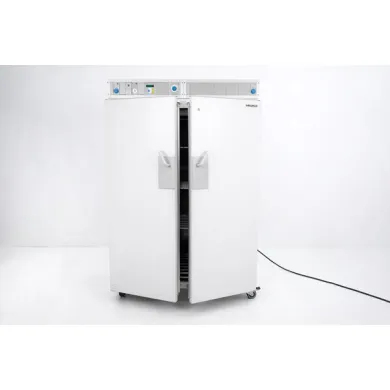


Not the exact instrument you need?
Tell our scientists what you are after. We track it down, including off-market supply.
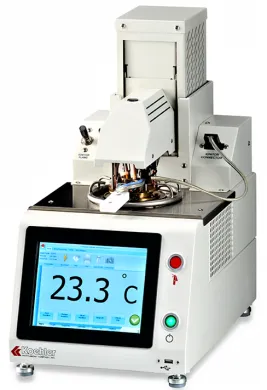
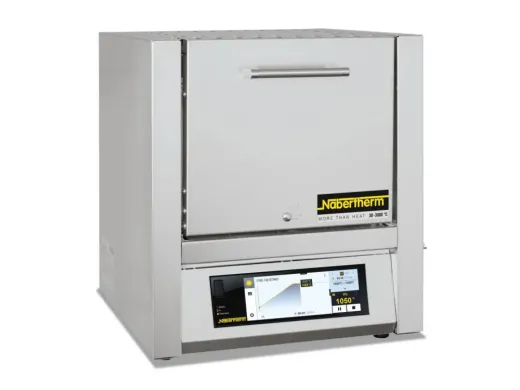
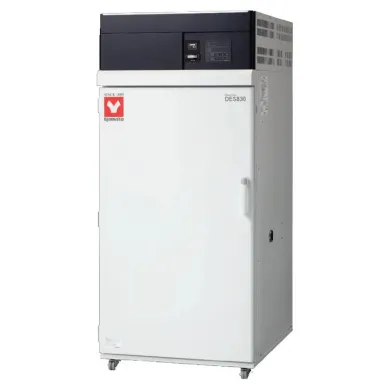
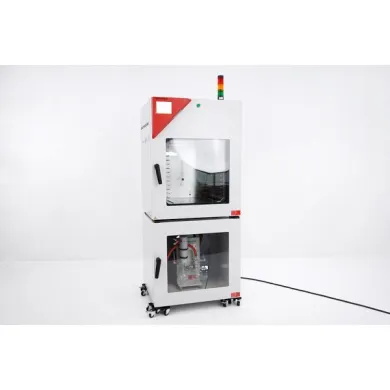
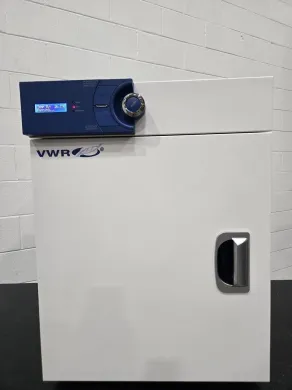
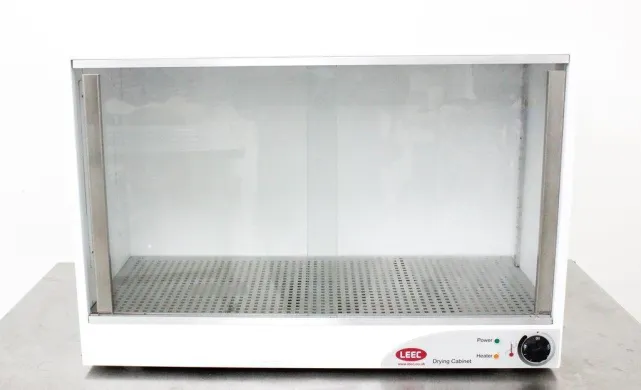
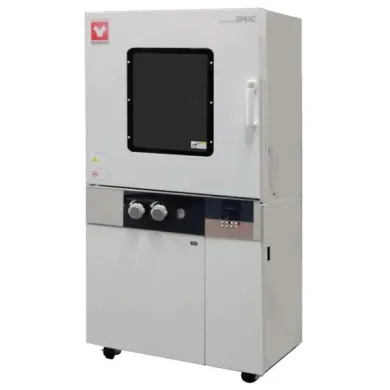
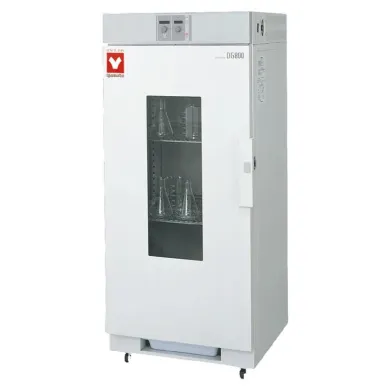
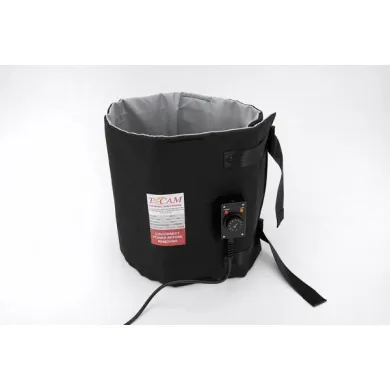
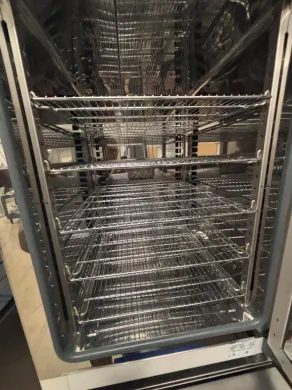
Not the exact instrument you need?
Tell our scientists what you are after. We track it down, including off-market supply.
Showing 1–40 of 349 listings
Show 40 more listingsBuying guide
The temperature range settles most of these purchases before anything else is weighed. A drying oven that tops out near 250 to 300 degrees Celsius covers moisture removal, sample conditioning and gentle curing; a muffle furnace reaching 1,100 degrees or more is a different instrument built for ashing, annealing and material testing. Working out the maximum temperature a protocol actually demands narrows the field immediately, because an oven rated for 300 degrees cannot be pushed into furnace work and a furnace is a poor choice for routine drying. Chamber volume and the uniformity of heat across that chamber follow from the range: a gravimetric method needs tighter uniformity than a simple dry-down, and a larger chamber is harder to hold even.
With the range fixed, the next question on a used unit is the state of the heating element, the insulation and the controller. Elements degrade, insulation absorbs moisture or cracks, and an older PID controller may drift from its set point. A buyer should ask for the last calibration record and, where the work is quantitative, confirm the unit holds its set point across the chamber rather than only at the probe. Door seals and the condition of any forced-convection fan matter on a drying oven; refractory brick and element continuity matter on a furnace. None of this rules out a used purchase, and at 72 percent used the catalogue is weighted toward it, but it decides which listing is worth the cost.
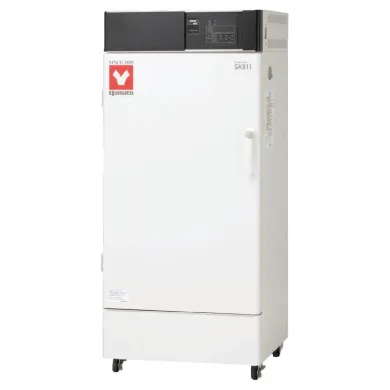
Price spans a wide band here. A small benchtop drying oven sits near the bottom of the range, while a large programmable furnace reaches the top, with the average listing around EUR 4.271. Prices run from EUR 19 to EUR 47.349. A buyer working to a fixed budget will find that used and refurbished units are more affordable than new equivalents, and the brands occupying the mid and upper bands are familiar names. Yamato, Snol, Lab Companion and Pol-Eko appear across the drying-oven and furnace listings, so comparing like for like, matching chamber size, temperature range and controller type, is usually possible within a single budget. What a unit costs tracks closely with its maximum temperature and chamber volume, which is why fixing those two specifications first keeps the search honest.
Types of Process ovens / furnaces
Which oven and furnace types are listed here?
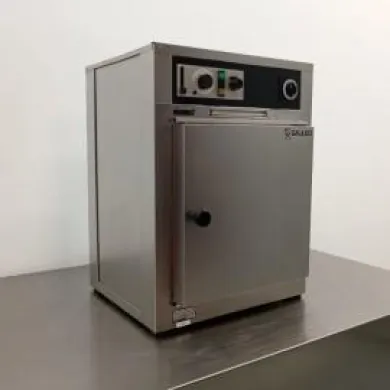
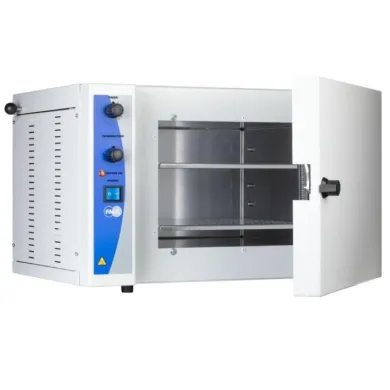
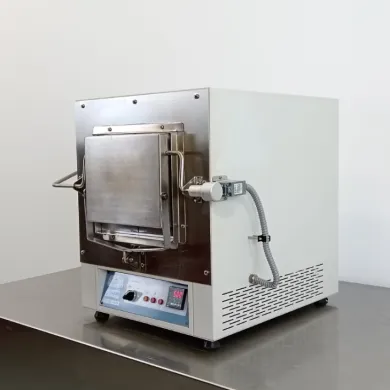
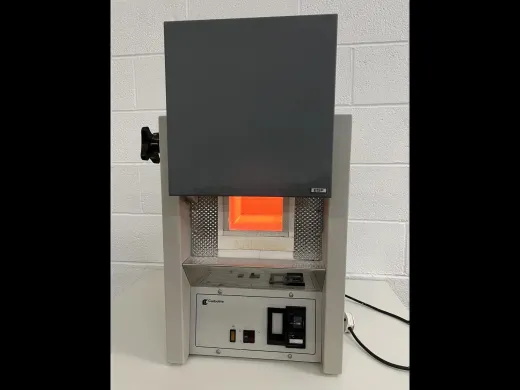
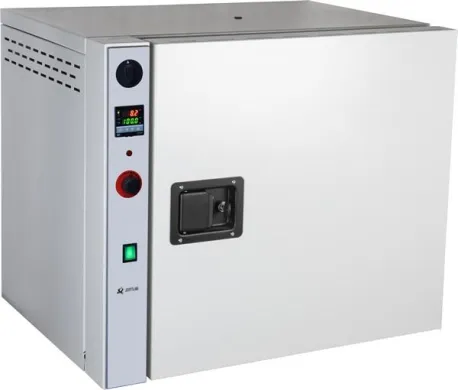
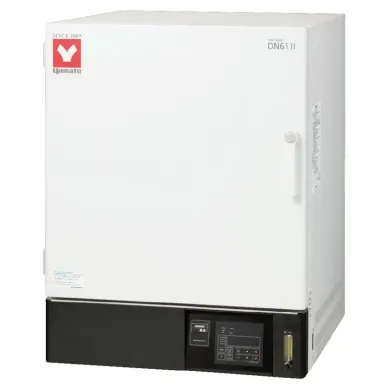
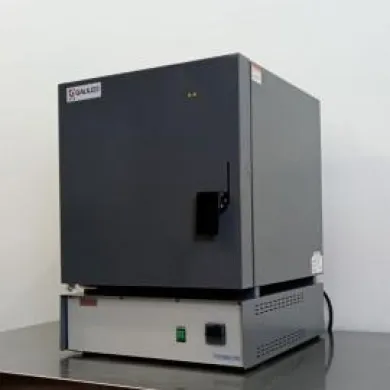
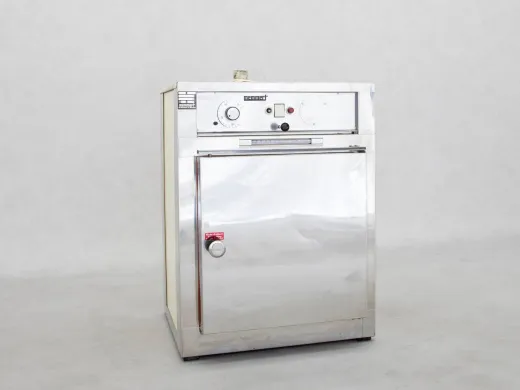
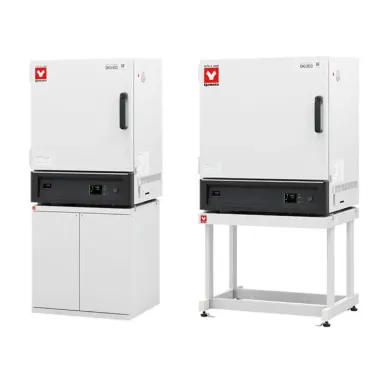
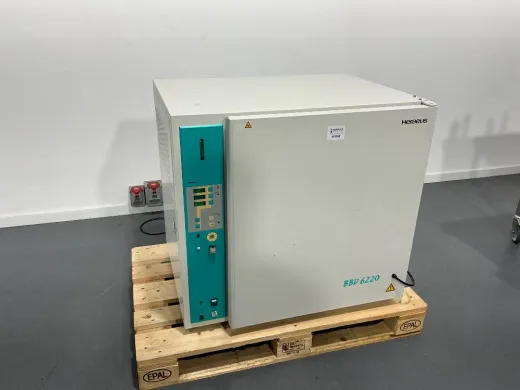
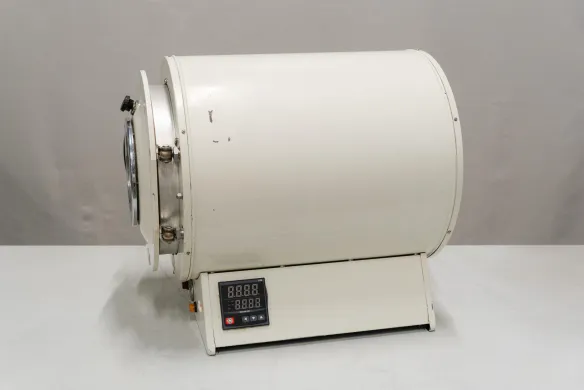
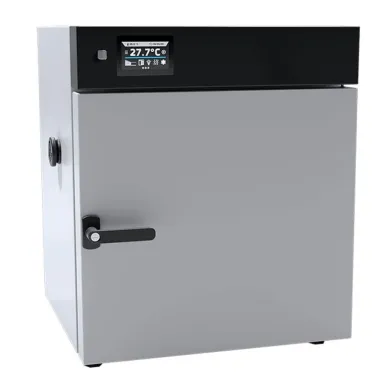
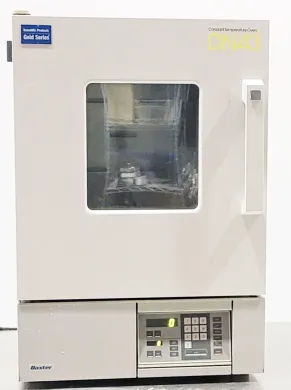
Among the listings that specify a type, laboratory drying oven, laboratory oven, temperature-controlled oven, benchtop oven, drying oven, high-temperature furnace are the forms that recur. A laboratory drying oven is the general workhorse: a convection-heated chamber, natural or forced, that holds samples at a set temperature up to roughly 300 degrees Celsius for drying, conditioning and curing. A benchtop oven is the same instrument in a smaller footprint sized to sit on a worktop. A temperature-controlled oven describes any unit where the set point is held by a feedback controller rather than a simple thermostat, which matters where the method needs a stable, documented temperature. A high-temperature furnace stands apart from all of these: a refractory-lined muffle chamber reaching well beyond the oven range, used for ashing, annealing, sintering and material testing. The distinction that separates them is maximum temperature and the insulation built to hold it, and that is the specification a buyer reaches for first.
In life sciences and biomanufacturing, drying ovens do gravimetric work, drying samples to constant weight for moisture determination, and they are also used for sterilisation and depyrogenation of glassware by dry heat. A laboratory drying oven for cell culture consumables and glassware sterilisation is a common search because dry-heat sterilization reaches surfaces that autoclaving leaves wet. Muffle furnaces support the ash-content analysis that underpins formulation and quality control in biomanufacturing. These are supporting instruments rather than analytical ones, so the field they serve sits alongside the device rather than defining it.
The brands behind the oven and furnace listings
Yamato, Snol, Lab Companion, Pol-Eko, POL-EKO are the makers that appear most often across these listings. For a buyer, a familiar brand means parts are easier to source and a given model is easier to compare against another of the same line, because chamber size, temperature range and controller type are documented. Spares for these units can be sourced via Questpair. The practical effect of seeing the same names repeatedly is that like-for-like comparison stays possible: matching a used Snol furnace against a used Pol-Eko one, or a Yamato drying oven against a Lab Companion, is a comparison of known specifications rather than a guess.
What a used oven or furnace costs here
Of the listings, 72 percent are used. Prices run from EUR 19 to EUR 47.349, with the average near EUR 4.271. That spread covers everything from a small benchtop drying oven to a large programmable high-temperature furnace, so the range reflects chamber size and maximum temperature more than condition alone. Used and refurbished units are listed below the price of new equivalents, where warranty is arranged in consultation for the specific listing.
Frequently asked questions
What is a process oven or furnace?
It is a heated enclosure used in laboratories to dry, cure, sterilise, age or thermally treat samples at a controlled temperature. A drying oven typically runs between ambient and around 300 degrees Celsius, while a furnace reaches far higher ranges for ashing, annealing or sintering.
What does the term process oven or furnace mean?
The category covers two related instrument classes grouped by function: ovens that hold moderate set points for drying and conditioning, and furnaces that reach high temperatures for material treatment. The dividing line is maximum temperature and the insulation built to hold it.
How do process ovens and furnaces work?
An oven heats a chamber by convection, either natural or forced by a fan, and a feedback controller holds the set point. A furnace uses a refractory-lined muffle chamber and heating elements to reach much higher temperatures, with insulation sized to retain that heat.
What types are listed in this category?
The forms that recur are the laboratory drying oven, the laboratory oven, the temperature-controlled oven, the benchtop oven, the drying oven and the high-temperature furnace. The first five sit in the drying range up to roughly 300 degrees Celsius, while the furnace reaches well beyond that for ashing and sintering.
What are process ovens and furnaces used for?
Drying ovens handle moisture removal, gravimetric drying to constant weight, sample conditioning, curing, and dry-heat sterilisation of glassware. Furnaces handle ashing for ash-content analysis, annealing, sintering and material testing at high temperatures.
How do I choose between an oven and a furnace?
Work out the maximum temperature your protocol actually demands first, because an oven rated for 300 degrees cannot be pushed into furnace work and a furnace is a poor choice for routine drying. Chamber volume and heat uniformity follow from that decision, with gravimetric methods needing tighter uniformity than a simple dry-down.
What is the difference between refurbished and used units?
A used unit is sold in its existing condition, while a refurbished unit has been checked and brought back to working order before listing. Both are priced below new equivalents, and the specifics of each listing determine what has been done to it.
How much does a process oven or furnace cost?
Prices across the listings run from EUR 19 to EUR 47.349, with the average near EUR 4.271. The spread tracks chamber volume and maximum temperature more than condition, since a small benchtop drying oven and a large programmable furnace sit at opposite ends.
What brands are available here?
The makers that appear most often are Yamato, Snol, Lab Companion, Pol-Eko and POL-EKO. A familiar name makes like-for-like comparison possible because chamber size, temperature range and controller type are documented for each model.
Can I get a warranty on a refurbished oven or furnace?
A warranty is often possible and is arranged in consultation for the specific listing. Terms depend on the individual unit rather than a blanket policy across the category.
Are spare parts available for these ovens and furnaces?
Parts can be sourced via Questpair. Heating elements, door seals, convection fans and controller components are the items that typically need replacement over a unit's life.
How long does a process oven or furnace last?
Lifespan depends on how hard the unit is driven and how its elements, insulation and controller hold up. Heating elements degrade, insulation absorbs moisture or cracks, and a drying oven run at moderate temperatures generally outlasts a furnace cycled repeatedly to its upper range.
Should I buy new or refurbished?
Used and refurbished units are listed at lower prices than new equivalents, which is the clearest difference between the two. Where you need to weigh them, check the specific listing and note that warranty is arranged in consultation rather than assumed.
Where can I buy a process oven or furnace?
On Questpair, 542 oven and furnace listings are available from 16 verified suppliers and distributors across 9 countries. Units are offered in new, used and refurbished condition.
What are the lead time and shipping like?
Lead time and shipping depend on the individual supplier and the unit's location across the 9 countries represented. The listing itself gives the starting point, and Questpair specialists respond within one hour to questions on a specific unit.
How are these ovens and furnaces calibrated and maintained?
For quantitative work, ask for the last calibration record and confirm the unit holds its set point across the chamber rather than only at the probe. Routine upkeep covers door seals and the convection fan on an oven, and refractory brick and element continuity on a furnace.
Which types are listed most and who reaches for each?
Drying ovens and benchtop ovens recur as the general workhorses for drying, conditioning and dry-heat sterilisation, which makes them common in life sciences and biomanufacturing. High-temperature furnaces are reached for by labs doing ash-content analysis, annealing and material testing, where the temperature range is the first specification considered.
Which brands dominate this category and what does that mean for a buyer?
Yamato, Snol, Lab Companion and Pol-Eko appear across the drying-oven and furnace listings. Seeing the same names repeatedly means a used Snol furnace can be matched against a used Pol-Eko one, or a Yamato oven against a Lab Companion, as a comparison of documented specifications rather than a guess.
What separates the bottom of the price band from the top?
At the bottom sits a small benchtop drying oven with a moderate temperature ceiling and a basic thermostat. At the top sits a large programmable high-temperature furnace, so maximum temperature and chamber volume, not condition, drive the move from EUR 19 toward EUR 47.349.