

Industrial motors
We personally find you the right used, refurbished and new industrial motors instruments & equipment from verified suppliers.
Industrial motors are electromechanical machines that convert electrical energy into rotational mechanical force to drive pumps, conveyors, compressors, fans and other process equipment. The Questpair catalogue lists 240 industrial motors from 11 verified suppliers and distributors across 8 countries. New, used and refurbished units appear side by side. Of the current listings, 95 percent are used. Prices span a wide field, from EUR 1 to EUR 55.958, which reflects the gap between small fractional-horsepower units and large three-phase machines rated for heavy continuous duty. The dominant types are AC and three-phase designs, with inverter duty models for variable-speed drives.
Updated:
Industrial motors product list
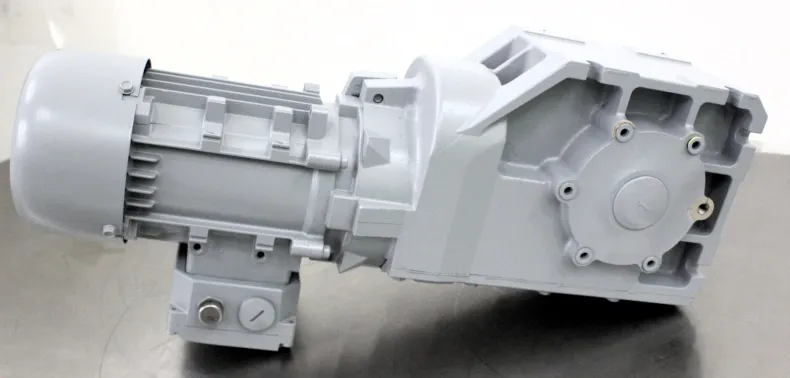
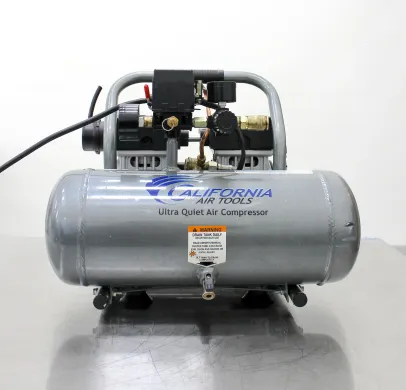
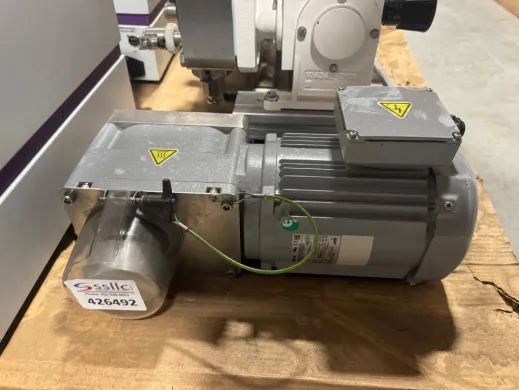
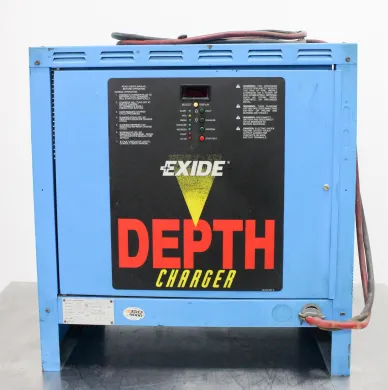


Not the exact instrument you need?
Tell our scientists what you are after. We track it down, including off-market supply.

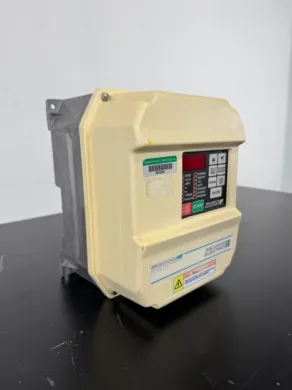
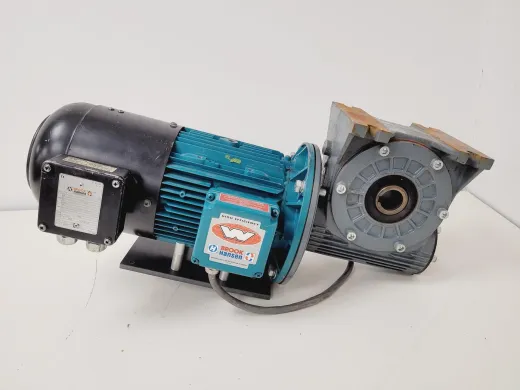
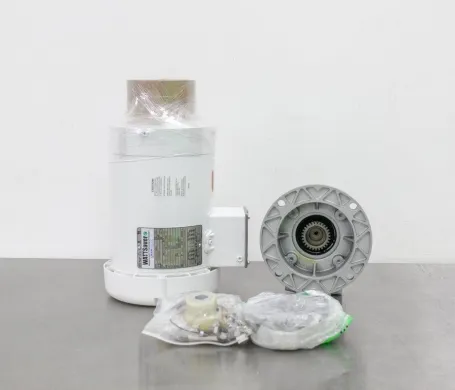
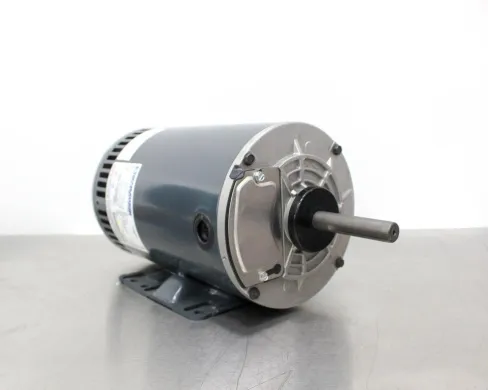
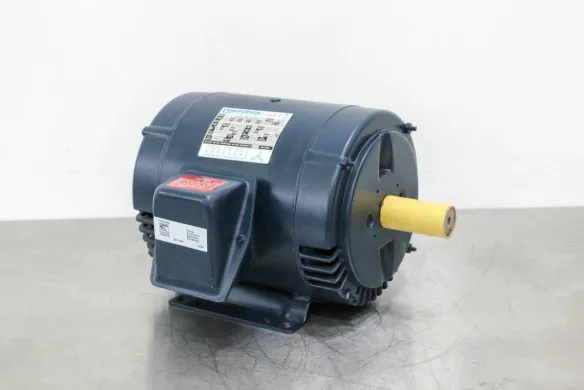
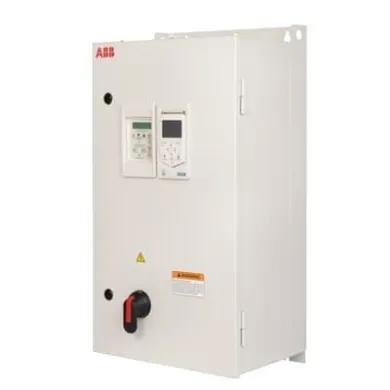
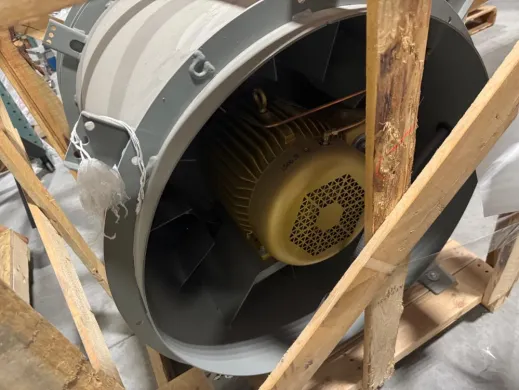
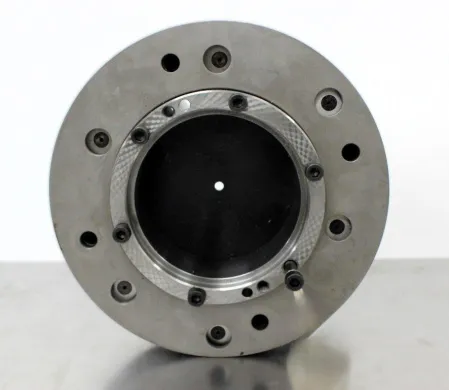
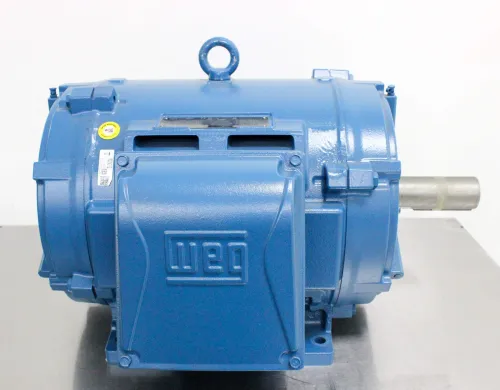
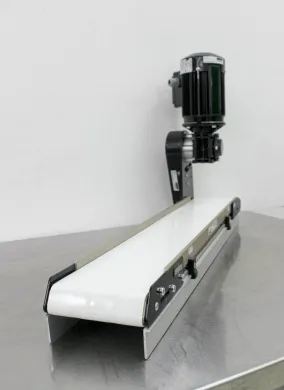
Not the exact instrument you need?
Tell our scientists what you are after. We track it down, including off-market supply.
Showing 1–40 of 117 listings
Show 40 more listingsBuying guide
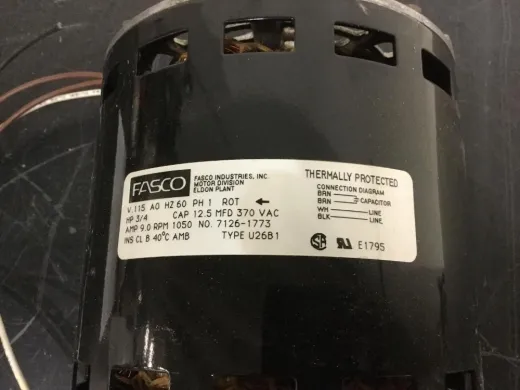
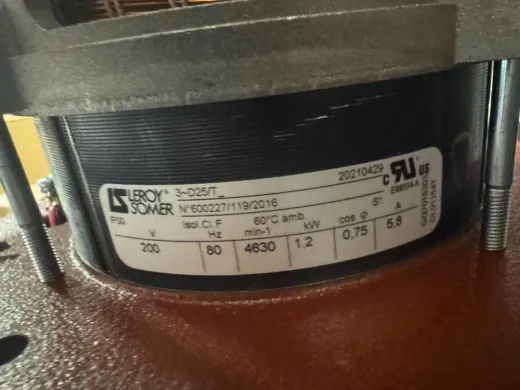
The rating plate settles most of the purchase before anything else. A motor is specified by power output, supply voltage, frequency, pole count and the resulting synchronous speed, and a mismatch on any of these makes the unit useless for the job regardless of its condition. A three-phase 400 V machine will not run on a single-phase supply, and a 50 Hz winding placed on a 60 Hz line turns faster and warms differently than its plate suggests. Fix the electrical envelope first, then the mounting dimensions, the frame size and the shaft diameter, because a motor that meets the load but does not fit the existing coupling or foundation still has to be sent back.
Once the specification fits, condition is the second question, and on a used machine it is the one that carries the real risk. Insulation resistance and bearing wear are what age an electric motor, and neither shows on the plate. A unit that has sat idle can suffer winding moisture; one that has run hard can show bearing play, uneven air-gap or a scored shaft. Ask what the seller has verified: a megohm reading on the windings, a free-running test, the hours or duty history where it exists. An inverter duty motor deserves a closer look still, since the insulation system on those is built to survive the voltage spikes a variable-frequency drive produces, and a standard motor pressed into that role fails early.
The price band here is broad because the category holds everything from tiny auxiliary motors to machines weighing hundreds of kilograms. Listed prices run from EUR 1 to EUR 55.958, with an average near EUR 1.641. Where budget is the constraint, the used stock is where a buyer finds an affordable unit, since used and refurbished motors for sale are listed below the cost of equivalent new equipment. What a replacement motor costs in practice depends far more on frame size and power rating than on condition alone, so compare like with like: a large inverter duty three-phase machine and a small single-phase auxiliary motor sit at opposite ends of that range and answer different needs. The brands in the stock, including TECO-Westinghouse, Baldor, Various, Jun-Air, ABB, shape availability of parts and the ease of finding a direct equivalent, which matters when a failed motor has to be matched rather than redesigned around.
Types of Industrial motors
Which industrial motor types are listed?
Among the listings that specify a type, the catalogue is built around industrial electric motor, ac motor, industrial motor, inverter duty motor, material handling equipment, three-phase motor. The AC motor is the baseline: it runs on alternating current and, in its induction form, needs no brushes or commutator, which is why it dominates general-purpose drive work. The three-phase motor is the heavy-duty case of that design, drawing balanced power across three windings to produce smooth, high torque for pumps, compressors and conveyor lines; a specialist reaches for it wherever the supply is three-phase and the load is continuous. Inverter duty motors are a distinct class built to tolerate the fast voltage transients a variable-frequency drive imposes, so an operator running a motor at variable speed chooses one of these rather than a standard winding that would overheat under the same drive. Material handling equipment appears here where the motor is sold as part of a drive assembly rather than on its own.
The brands behind the motor listings
The stock is led by TECO-Westinghouse, Baldor, Various, Jun-Air, ABB. For a buyer, brand presence is less about reputation than about matching and parts: a motor from a maker well represented in the catalogue is easier to replace like for like, since a direct equivalent in the same frame and rating is more likely to be in stock, and bearings, fans and terminal parts for a common line are easier to source. Where a line appears only once, a buyer should expect to compare on specification alone rather than on an exact model match. Parts for any of these can be sourced via Questpair.
What a used industrial motor costs here
Of the current listings, 95 percent are used, and listed prices run from EUR 1 to EUR 55.958 with an average around EUR 1.641. That spread is not a measure of condition but of size and power: the bottom of the range holds small fractional units, the top holds large three-phase machines. Used and refurbished motors are listed below the price of new equipment, which is where the catalogue serves a constrained budget. A warranty is possible on individual listings and is arranged in consultation for the specific motor.
Frequently asked questions
What is an industrial motor?
An industrial motor is an electromechanical machine that converts electrical energy into rotational mechanical force to drive equipment such as pumps, conveyors, compressors and fans. Most are AC designs rated for continuous or heavy-duty operation in process environments.
What does 'industrial motor' mean?
The term covers motors built for production and process machinery rather than domestic or light-commercial use. It groups AC, three-phase and inverter duty designs that share robust construction and ratings for sustained industrial loads.
How do industrial motors work?
An AC induction motor passes alternating current through stator windings to create a rotating magnetic field, which induces current in the rotor and turns the shaft. Three-phase versions use three balanced windings to produce smoother, higher torque without brushes or a commutator.
What types of industrial motors are there?
The catalogue is built around industrial electric motors, AC motors, three-phase motors and inverter duty motors, with some material handling equipment where the motor ships as part of a drive assembly. AC induction is the general-purpose baseline, three-phase handles continuous heavy loads, and inverter duty models are built to survive the voltage transients a variable-frequency drive imposes.
What are industrial motors used for?
They drive pumps, conveyors, compressors, fans and other rotating process equipment. The choice of type follows the supply and the duty: three-phase for continuous heavy loads on a three-phase line, inverter duty where the motor runs at variable speed.
How do I choose the right industrial motor?
Start with the rating plate: power output, supply voltage, frequency, pole count and the resulting synchronous speed must match the job, since a three-phase 400 V machine will not run on a single-phase supply. Then confirm the mounting dimensions, frame size and shaft diameter so the unit fits the existing coupling and foundation.
What is the difference between refurbished and used industrial motors?
A used motor is sold in its existing condition, while a refurbished one has had work done, often bearings, cleaning or rewinding, before resale. Both are listed below new prices; ask the seller what was verified or replaced so you know what the lower price reflects.
How much does an industrial motor cost?
Listed prices run from EUR 1 to EUR 55.958, with an average near EUR 1.641. That spread tracks size and power rather than condition: small fractional-horsepower units sit at the bottom, large three-phase machines at the top.
Which brands of industrial motor are available?
The stock includes TECO-Westinghouse, Baldor, Jun-Air and ABB, alongside listings grouped under Various. Where a brand is well represented, finding a like-for-like replacement and its bearings or terminal parts is easier than for a line that appears only once.
Is there a warranty on a refurbished industrial motor?
A warranty is often possible and is arranged in consultation for the specific listing. Terms vary by unit, so check the individual listing and confirm what is included before purchase.
Can I get parts for an industrial motor?
Parts such as bearings, fans and terminal components can be sourced via Questpair. Availability is easier for a line well represented in the catalogue, since common frames and ratings are more likely to have equivalents in stock.
How long does an industrial motor last?
Lifespan depends on duty, load and maintenance rather than age alone. Insulation resistance and bearing wear are what age an electric motor, so a well-maintained unit can run for many years while one run hard or stored damp fails sooner.
Should I buy new or refurbished?
The one difference Questpair can state is price: used and refurbished motors are listed below equivalent new units. For a used machine the added question is condition, so weigh the saving against a verified insulation reading and bearing check, and confirm warranty on the specific listing.
Where can I buy industrial motors?
The Questpair catalogue lists 240 industrial motors from 11 verified suppliers and distributors across 8 countries. New, used and refurbished units appear side by side so they can be compared on specification and price.
What are the lead time and shipping on an industrial motor?
Lead time and shipping depend on the individual listing, the supplier and the unit's size and weight, which ranges from small auxiliary motors to machines weighing hundreds of kilograms. Check the listing or contact Questpair for details on a specific motor; specialists respond within one hour.
What maintenance does an industrial motor need?
Routine attention covers bearing lubrication and replacement, insulation resistance testing and keeping the windings clean and dry. Before buying used, ask the seller for a megohm reading on the windings and a free-running test, since these reveal wear the rating plate does not show.
Which motor types are listed most and who reaches for each?
AC and three-phase designs make up the bulk of the listings. A general-purpose user reaches for an AC induction motor, a plant running pumps or conveyors on a three-phase supply picks a three-phase machine, and an operator driving a motor at variable speed from a VFD needs an inverter duty model to avoid early insulation failure.
Which brands dominate the listings and what does that mean for a buyer?
TECO-Westinghouse, Baldor, ABB and Jun-Air lead the stock, with many units grouped as Various. For a buyer this matters less for reputation than for matching: a well-represented line is easier to replace like for like and to find parts for, while a one-off listing has to be compared on specification alone.
What separates the cheapest industrial motors from the most expensive?
The price band reflects size and power, not condition. The bottom holds small fractional-horsepower and single-phase auxiliary motors, while the top holds large inverter duty and three-phase machines rated for heavy continuous duty, so compare like with like when reading the range.