

Pressure vessels
We personally find you the right used, refurbished and new pressure vessels instruments & equipment from verified suppliers.
Pressure vessels are sealed containers and the instruments that monitor them, built to hold or measure fluids and gases at pressures above or below ambient. In laboratory and process settings the term covers both the containment, such as stainless steel vessels rated for sustained internal pressure, and the sensing hardware that reads it. Of the current Questpair listings, 97 percent are used, drawn from 173 items across 10 verified suppliers in 6 countries. New, used and refurbished units all appear, with gauges and transducers forming the larger share and the vessels themselves fewer in number. Prices span a wide band because a bare gauge and a complete vessel sit far apart on it.
Updated:
Pressure vessels product list
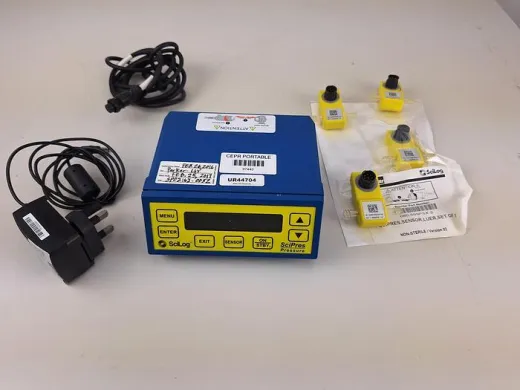
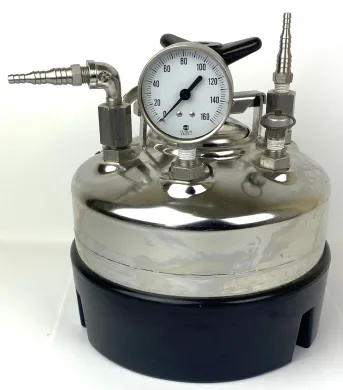
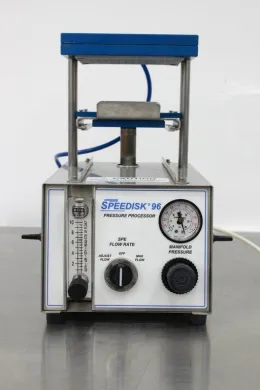
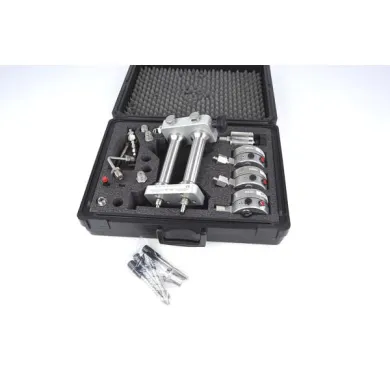


Not the exact instrument you need?
Tell our scientists what you are after. We track it down, including off-market supply.
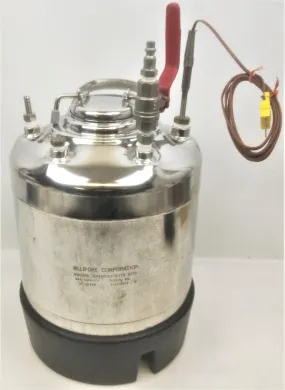
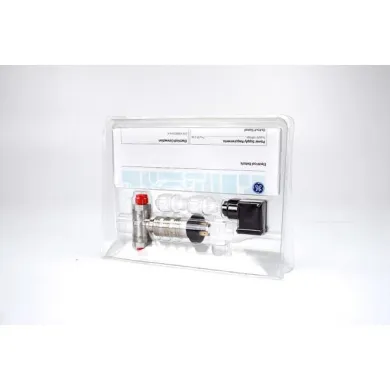
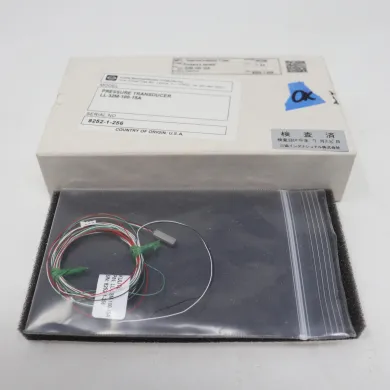
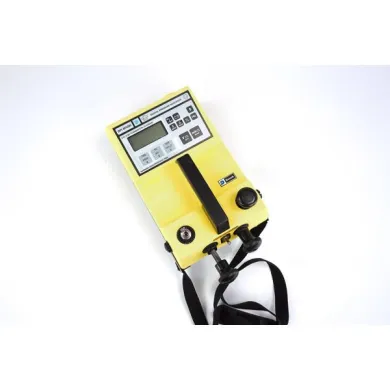
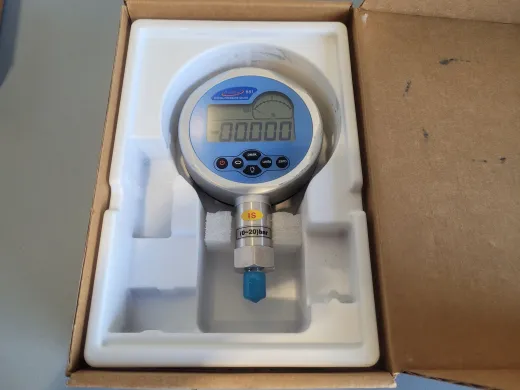
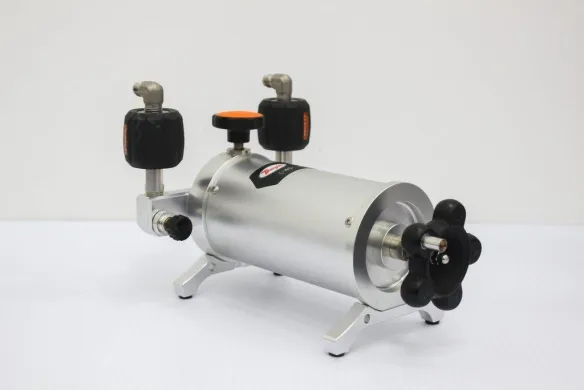
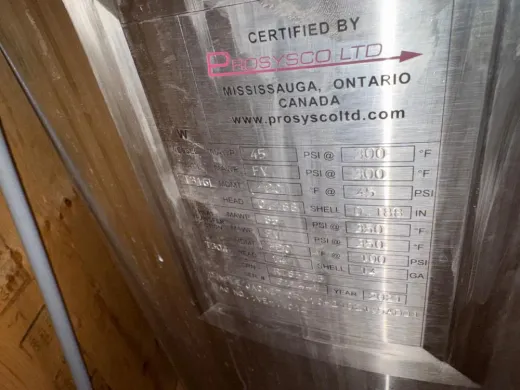
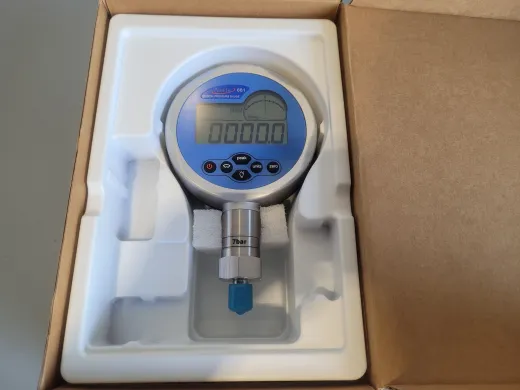
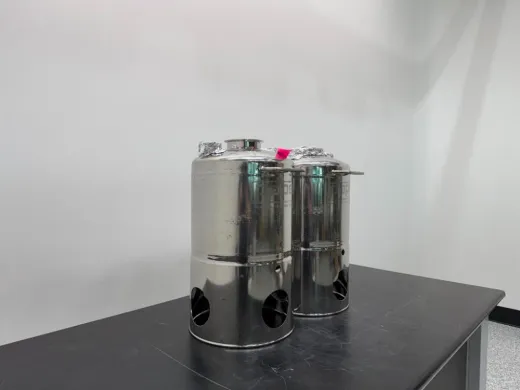
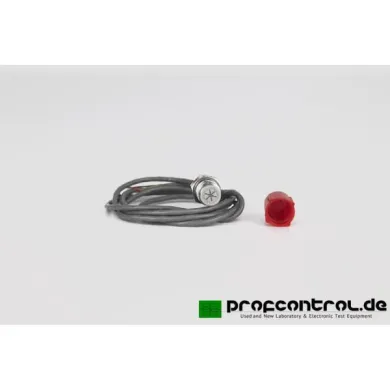
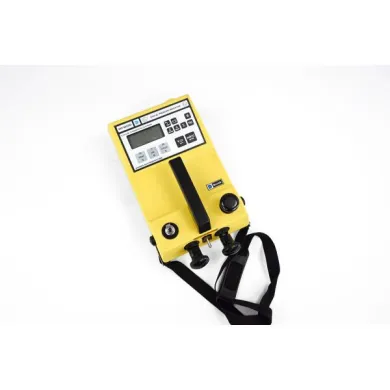
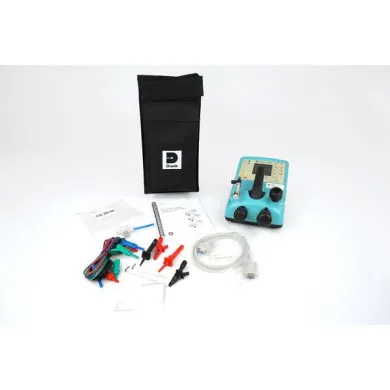
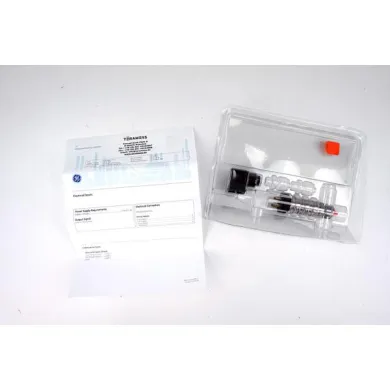
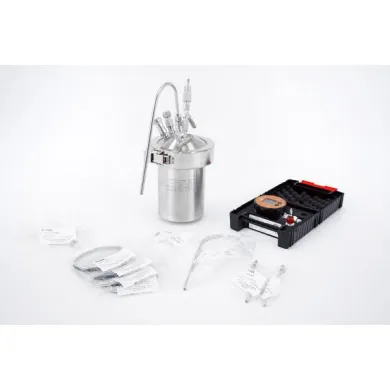
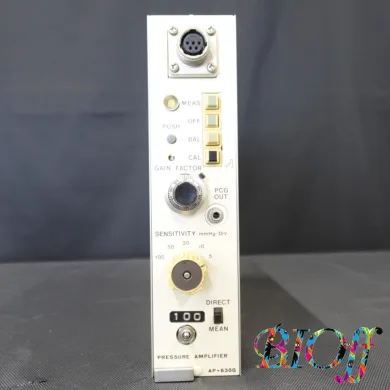
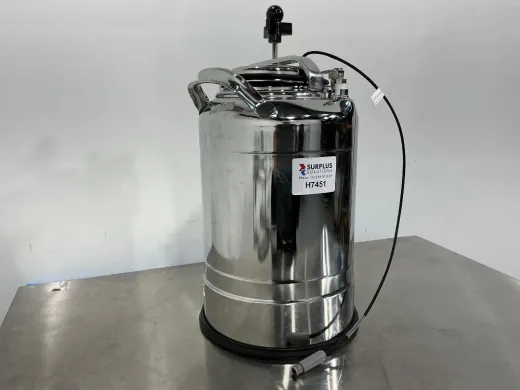
Not the exact instrument you need?
Tell our scientists what you are after. We track it down, including off-market supply.
Showing 1–40 of 92 listings
Show 40 more listingsBuying guide
What settles a pressure vessel or instrument purchase is the pressure range and the accuracy class the application demands, and these two decide almost everything downstream. A sensor specified for a few bar is useless on a high-pressure line, and one rated far above the working range wastes resolution across the band the reader actually uses. So the first figure to fix is the maximum working pressure, then the accuracy expressed as a percentage of full scale, because those two together narrow the field before brand or condition enters the question. For a transducer the output signal matters next, whether the reader needs a 4 to 20 milliamp loop, a voltage output, or a digital interface, since that has to match the data acquisition already in place.
On a used unit the questions change. A pressure gauge or transducer drifts, and the record of its last calibration is the single most useful thing a listing can carry. Ask when it was last calibrated, against what reference, and whether a certificate travels with it. For a stainless steel pressure vessel the wetted surfaces, the seals and the pressure rating stamped on the body are what to verify, because a vessel that has held an aggressive medium may show pitting a photograph does not reveal. Threads and fittings wear, and a gauge that reads at zero on the bench can still be out across its span, so a bench comparison against a known reference is worth the time before the unit goes into service.
Price tells its own story here. A simple analogue gauge costs little, while a complete instrumented vessel or a precision transducer from a specialist maker sits far higher, and the spread between EUR 22 and EUR 10.496 reflects that gap rather than any difference in condition. The average of EUR 837 sits well below the top of the range, which is where most of the catalogue clusters. Used and refurbished units listed for sale are more affordable than new, and for a buyer working to a budget a calibrated second-hand transducer often meets the specification at a fraction of what a new one costs. The brands occupying the upper band are the process-instrumentation specialists; the lower band is where generic gauges and sensors sit. Warranty on any given unit is arranged in consultation for that listing, so where two options are close on paper, the listing detail is what separates them.
Types of Pressure vessels
Which pressure vessel and instrument types are listed?
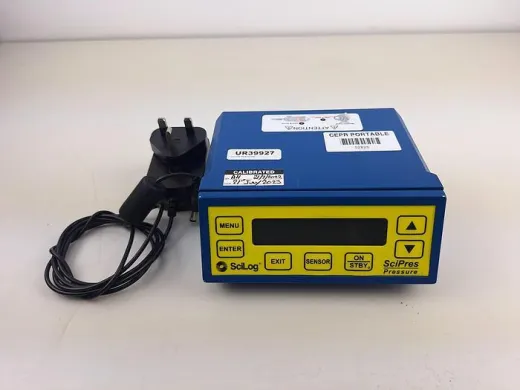
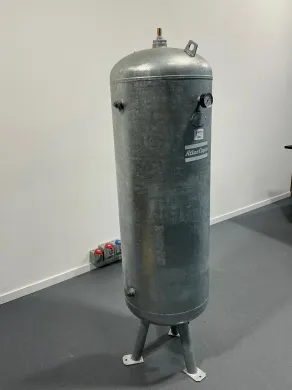
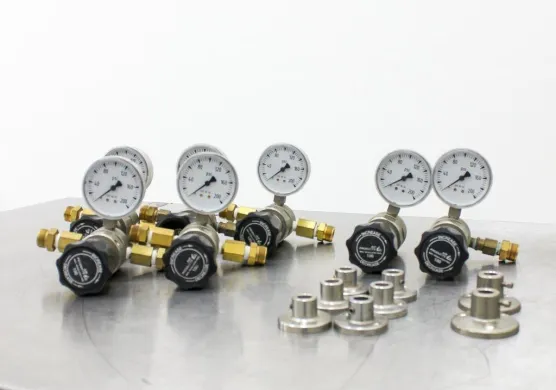
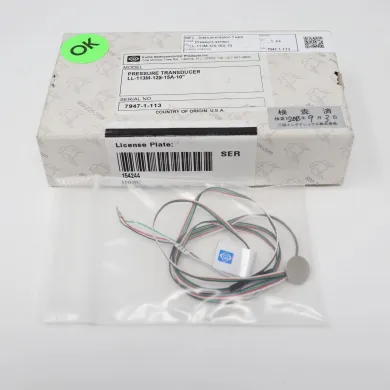
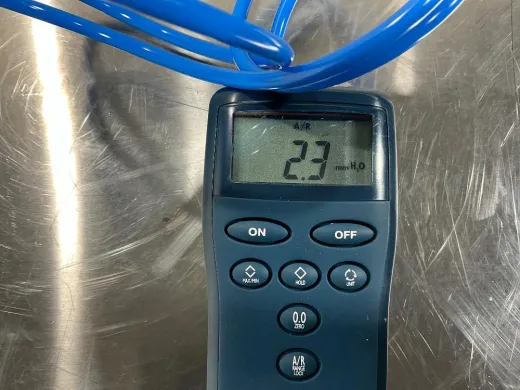
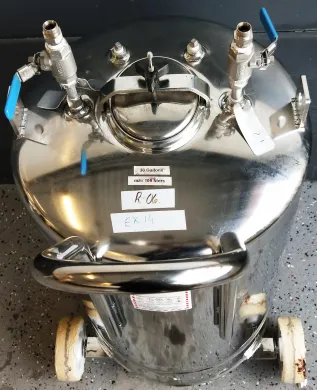
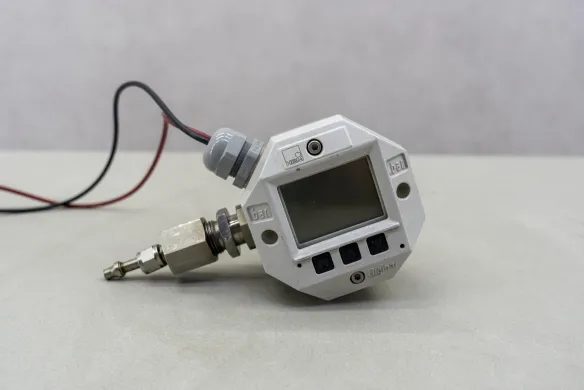
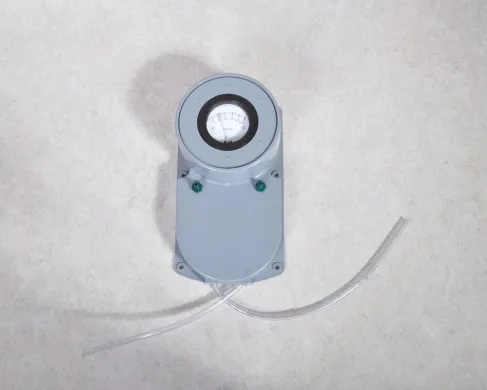
Among the listings that specify a type, the catalogue splits cleanly between containment and measurement. Industrial pressure sensors and pressure transducers convert a physical pressure into an electrical signal for logging or control, and they are what a process line or an automated rig reaches for. Pressure gauges, both analogue and digital, give a direct local reading at the point of interest, with the digital versions adding a display and often a logging output where an analogue dial cannot. Stainless steel pressure vessels are the containment itself, chosen where the medium is corrosive or the process runs at sustained pressure and a less resistant alloy would not last. Industrial pressure gauges are the heavier-duty dial instruments built for plant conditions rather than a quiet bench. The distinction that matters to a buyer is whether the job needs a reading a person watches or a signal a system records, and that sorts most of these types at a glance.
How these types serve biotechnology and life sciences
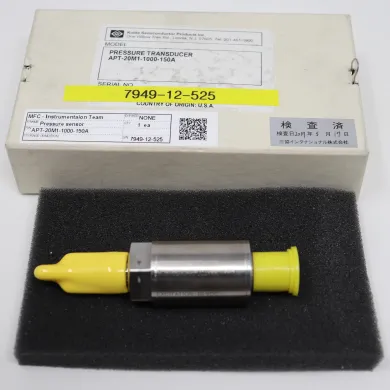
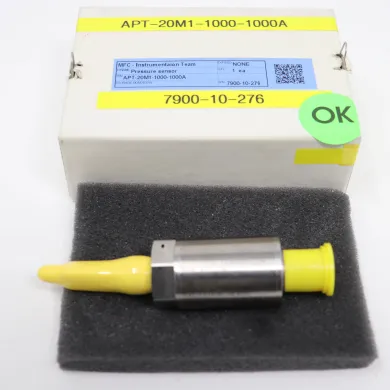
Several of these instruments do real work in life sciences. Pressure transducers and sensors from the specialist makers here are built into bioprocessing and biomanufacturing systems, where they monitor the line pressure across tangential flow filtration and chromatography skids during protein purification. A single-use pressure sensor reading the pressure drop across a filter is how a downstream team watches for membrane fouling without breaking sterility, which is why these parts appear so often in cell culture and bioprocessing workflows. Stainless steel pressure vessels serve as sanitary holding and buffer vessels in the same lines, sized to sit upstream or downstream of a bioreactor. The precision these applications need is why the single-use pressure sensor for bioprocessing has become a distinct product in its own right.
The brands behind the pressure listings
The makers here are Various, Pendotech, Kulite, SciLog, PendoTECH. For a buyer, the presence of process-instrumentation specialists alongside generic listings means two things. Named sensor and transducer makers carry known specifications and documented calibration, which makes one unit straightforward to compare against another and raises the chance that parts and replacement elements can be sourced via Questpair. The generic entries occupy the lower price band, where a basic gauge does the job and the brand matters less than the rating. Where a listing names a specialist maker, expect the higher accuracy class and the higher price to go together.
What a used pressure vessel costs here
Of the listings, 97 percent are used. Prices run from EUR 22 to EUR 10.496. That range is wide because it stretches from a single analogue gauge at the bottom to a complete instrumented vessel or a precision transducer at the top, with the average of EUR 837 sitting nearer the lower end where the gauges and sensors cluster. The spread is a function of what the item is, not of its condition, and a calibrated used transducer and a bare new gauge can sit at opposite ends of it. Warranty on any individual unit is arranged in consultation for that listing.
Frequently asked questions
What is a pressure vessel?
A pressure vessel is a sealed container built to hold fluids or gases at pressures above or below ambient. In laboratory and process settings the term also covers the sensing hardware that reads that pressure, so the category includes both the containment and the instruments that monitor it.
What does 'pressure vessel' mean in this category?
Here it refers to two related things: the containment itself, such as a stainless steel vessel rated for sustained internal pressure, and the gauges, transducers and sensors that measure the pressure. Both appear in the listings, with gauges and transducers forming the larger share.
How do pressure vessels and their instruments work?
A vessel holds a medium under pressure within walls rated for that load, while an attached instrument reads the pressure at a point of interest. A gauge gives a direct local reading on a dial or display, and a transducer or sensor converts the physical pressure into an electrical signal for logging or control.
What types are there?
The listings split between containment and measurement: stainless steel pressure vessels on the containment side, and industrial pressure sensors, pressure transducers, pressure gauges, digital pressure gauges and industrial pressure gauges on the measurement side.
What are pressure vessels and instruments used for?
Vessels hold or buffer fluids and gases under sustained pressure, while sensors and transducers monitor line pressure for logging or control. In bioprocessing they track pressure across tangential flow filtration and chromatography skids, and sanitary stainless vessels serve as holding and buffer tanks around a bioreactor.
How do I choose the right one?
Fix the maximum working pressure and the accuracy class as a percentage of full scale first, since those two narrow the field before brand or condition enters. For a transducer the output signal matters next, whether the reader needs a 4 to 20 milliamp loop, a voltage output, or a digital interface that matches existing data acquisition.
What is the difference between refurbished and used?
Both are pre-owned and listed below new prices. A refurbished unit has been reconditioned before resale, while a used one is sold in its current state, so check the listing detail for the condition and the calibration record on either.
How much does a pressure vessel cost?
Prices range from EUR 22 to EUR 10.496, with the average at EUR 837. The band is wide because it stretches from a single analogue gauge at the bottom to a complete instrumented vessel or a precision transducer at the top, so the item type drives the price more than condition does.
Which brands are available?
The makers listed include Pendotech, Kulite, SciLog and PendoTECH, alongside generic entries grouped as Various. The named process-instrumentation specialists carry documented specifications; the generic entries sit in the lower price band where the rating matters more than the maker.
Is there a warranty on refurbished units?
A warranty is often possible and is arranged in consultation for the specific listing. Check the listing detail, because terms are set per item rather than centrally.
Can I get parts for a pressure vessel or instrument?
Parts and replacement elements can be sourced via Questpair. A named sensor or transducer maker raises the chance that a matching element can be found, since the specifications are documented.
How long do these last?
Lifespan depends on the medium, the working pressure and the duty. A stainless steel vessel chosen for corrosive media or sustained pressure outlasts a less resistant alloy, while gauges and transducers drift over time and depend on periodic calibration to stay within their accuracy class.
Should I buy new or used?
Used and refurbished units are listed at lower prices than new. For a buyer working to a budget a calibrated second-hand transducer often meets the specification at a fraction of a new one, so where two options are close, compare the listing detail and the calibration record.
Where can I buy a pressure vessel?
The listings come from 10 verified suppliers and distributors across 6 countries, totalling 173 items. You can browse and compare them within the Questpair catalogue.
What about lead time and shipping?
Lead time and shipping depend on the individual supplier and the item's location. The listing carries the relevant detail, and Questpair specialists respond within one hour if you need to confirm availability before ordering.
How are these instruments calibrated and maintained?
A gauge or transducer drifts, so its last calibration record is the most useful thing a listing can carry; ask when it was last calibrated, against what reference, and whether a certificate travels with it. A bench comparison against a known reference before the unit goes into service confirms it reads correctly across its span. Questpair does not offer servicing itself.
Which types are listed most and who reaches for which?
Industrial pressure sensors and transducers are what a process line or automated rig reaches for, since they output a signal a system records. Pressure gauges, analogue and digital, suit a person watching a direct reading at the point of interest, while stainless steel vessels are chosen where the medium is corrosive or the process runs at sustained pressure.
Which brands dominate and what does that mean for a buyer?
The named specialists such as Pendotech, Kulite and SciLog appear alongside generic listings grouped as Various. A named maker means documented calibration and known specifications, which makes units straightforward to compare; the generic entries occupy the lower band where a basic gauge does the job and the rating matters more than the name.
What separates the bottom of the price band from the top?
The bottom is a bare analogue gauge; the top is a complete instrumented vessel or a precision transducer from a specialist maker. The spread reflects what the item is and its accuracy class, not its condition, so a calibrated used transducer and a new generic gauge can sit at opposite ends.