

Process blowers
We personally find you the right used, refurbished and new process blowers instruments & equipment from verified suppliers.
Process blowers are air-moving devices that generate a continuous stream of pressurised or ionised air for laboratory and industrial use, ranging from compact static eliminators to compressors feeding pneumatic lines. They cover two distinct jobs: shifting the charge off a surface so dust and film stop clinging to it, and supplying the clean, dry air that instruments and tools run on. The Questpair catalogue holds 139 such listings from 11 verified suppliers and distributors across 7 countries, offered new, used and refurbished. Of those, 88 percent of the listings are used. Prices run from EUR 1 to EUR 69.972, the span between a handheld ioniser and a full laboratory compressor set.
Updated:
Process blowers product list
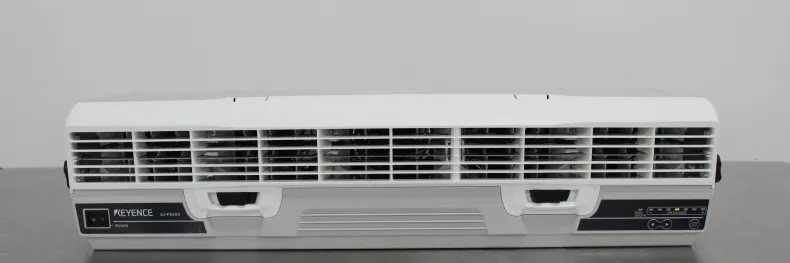


Not the exact instrument you need?
Tell our scientists what you are after. We track it down, including off-market supply.
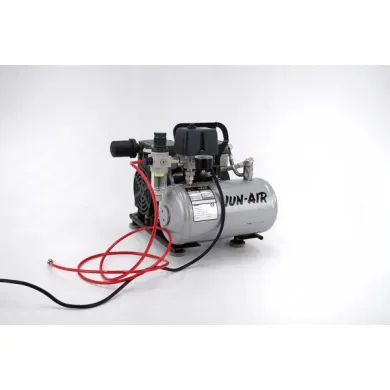
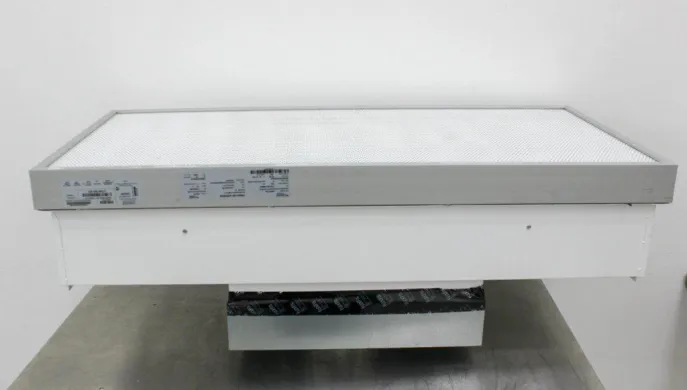
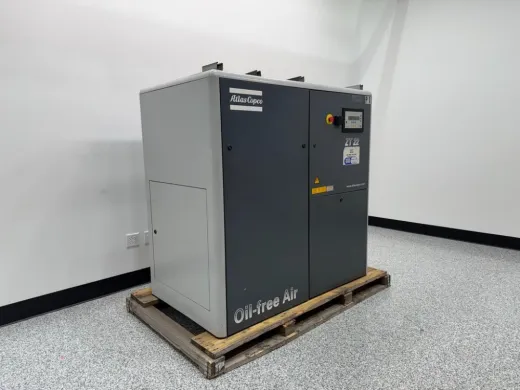
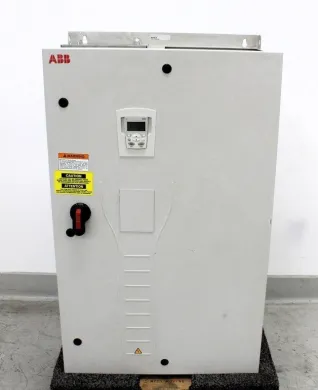
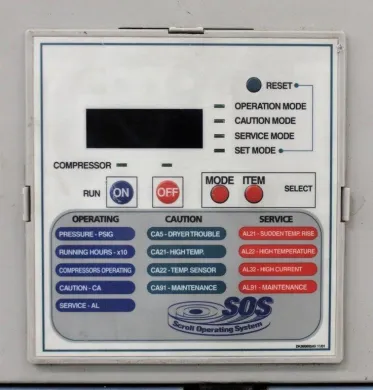
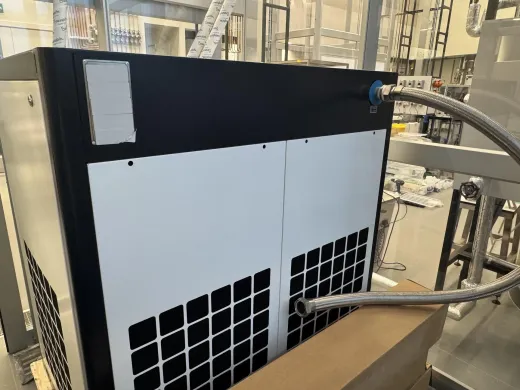
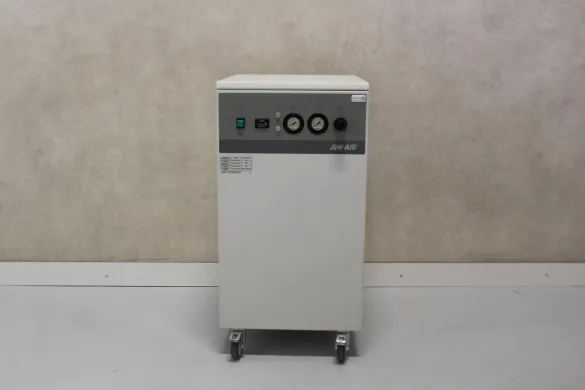
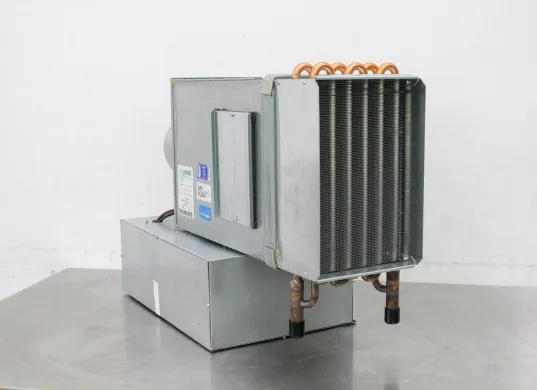
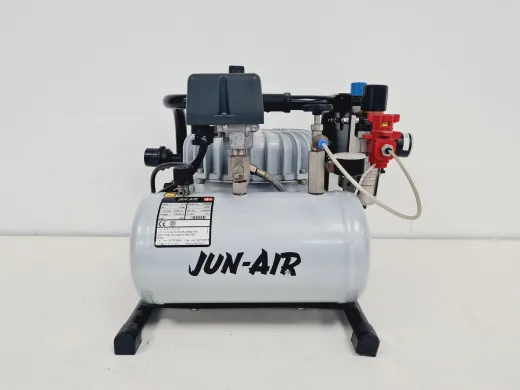
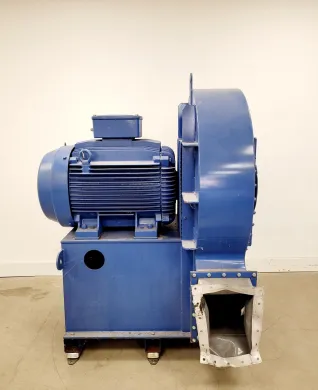
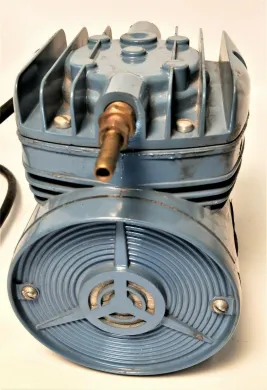
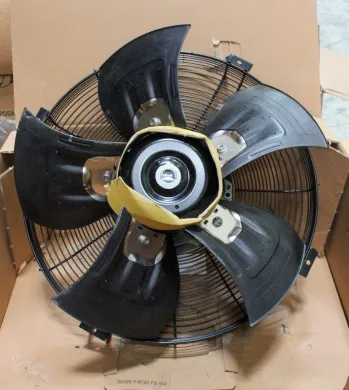
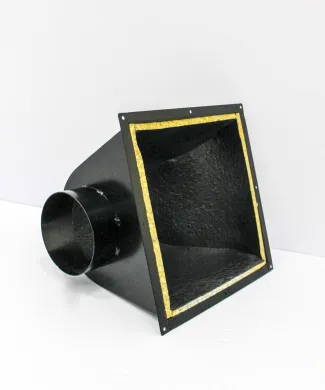
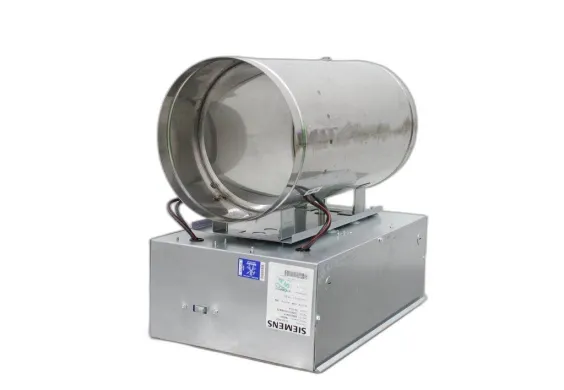
Not the exact instrument you need?
Tell our scientists what you are after. We track it down, including off-market supply.
Showing 1–40 of 75 listings
Show 35 more listingsBuying guide
The duty the unit is meant to perform settles the first decision, because the two halves of this catalogue barely overlap. A static eliminator or ionising blower is chosen for its output of balanced ions and the area it can cover at a working distance; a compressor is chosen for the pressure it holds, the volume it delivers per minute, and how much noise and heat it puts into the room it sits in. Buying an ioniser when the bench actually needs clean compressed air, or the reverse, is the most expensive mistake available here, so fix what the air is for before reading a single specification.
For an ionising blower the figures that decide the purchase are the balance of positive and negative ions and the decay time, how fast it neutralises a charged surface. A unit that drifts off balance deposits charge rather than removing it, which is worse than doing nothing on sensitive electronics. For a compressor the decisive numbers are the free air delivery against the pressure the application needs, and the noise rating, since a laboratory compressor shares a room with people. An oil-free design matters wherever the air contacts samples or reaches an analyser, because oil carryover contaminates both.
On a used unit the verification is physical and specific. A compressor's duty history shows in its pump: ask about run hours, when the seals and filters were last changed, and whether the tank has a current pressure-vessel check where local rules require one. An ionising blower's emitter points wear and foul, and its ion balance drifts, so a unit that has not been serviced may read far from its original specification. Where recalibration or a replacement part is needed, that can be sourced via Questpair.
Price spans the whole range this equipment occupies. A simple static eliminator costs little; a large industrial compressor from a maker such as Keyence, Jun-Air, Atlas Copco, Siemens, Greenheck sits at the top. The average listing lands at EUR 1.887. Used and refurbished units are listed below new, which for a buyer working to a budget is where most of these affordable options are. When a unit for sale is close to new, the warranty is arranged in consultation for that specific listing, so the comparison comes down to the individual offer rather than a rule that holds across the catalogue.
Types of Process blowers
Which process blower types are listed?
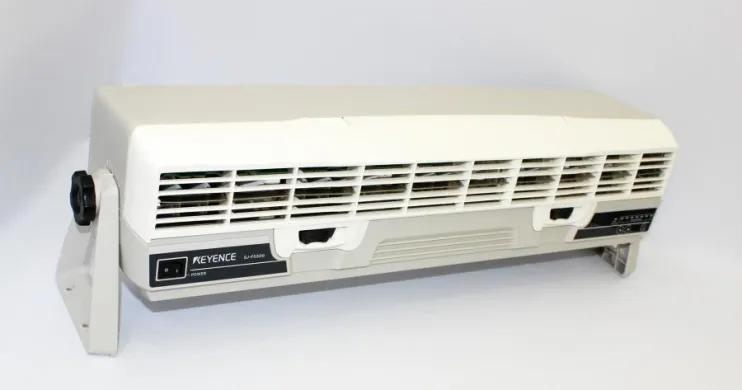
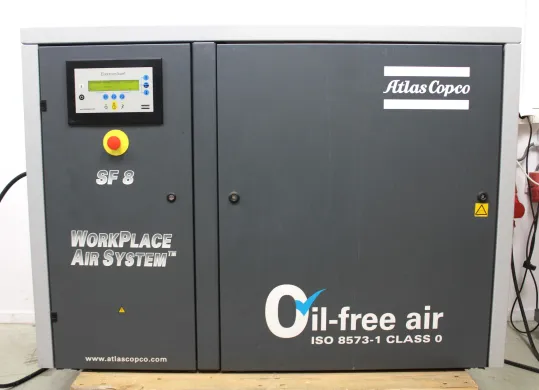
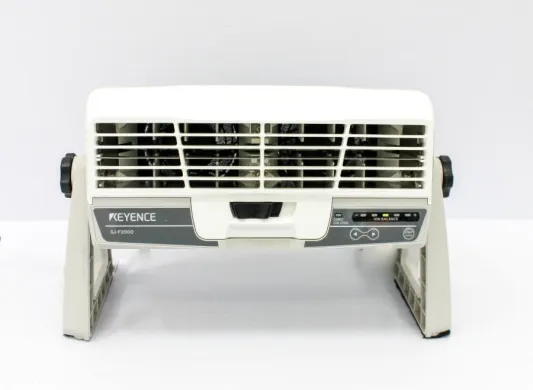
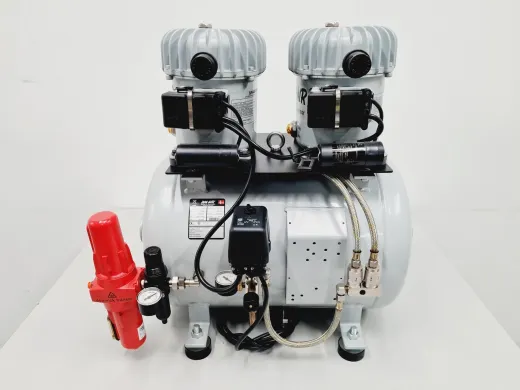
Among the listings that specify a type, the catalogue splits cleanly into charge control and air supply. Static eliminator blowers and ionizing air blowers form the first group: both flood a work area with ionised air to neutralise static, the difference lying in coverage and ion-balance control rather than principle. Cleanroom assembly, electronics handling and precision weighing all use them, the last because a charged sample sitting on a balance pan reads a false mass, a nuisance familiar to anyone doing gravimetric analysis. The second group runs from laboratory air compressors through industrial air compressors to general air compressors, graded by output and footprint. A laboratory air compressor is built quiet and often oil-free, which is what makes it usable beside a bench feeding an analyser or a pneumatic instrument. Laboratory ventilation equipment sits alongside these, moving bulk air rather than charging or compressing it.
The life-sciences work these units support is real and specific. Oil-free laboratory air compressors supply the clean driving air behind automated liquid handling in molecular biology, and the pressurised gas lines that cell culture incubators and bioprocessing skids depend on. A quiet compressor is a standard fixture in a genomics or proteomics facility wherever a mass analyser or an automated pipetting deck needs a steady supply. Ionising blowers are also used for protecting charge-sensitive reagents and consumables during sample preparation.
The makers behind the process blower listings
The brands that recur here, Keyence, Jun-Air, Atlas Copco, Siemens, Greenheck, tell a buyer what to expect on parts and comparison. Keyence is associated with the ionising and static-control end, while Jun-Air, Atlas Copco and Siemens sit on the compressor side, Jun-Air in particular with quiet laboratory models. A named, widely sold maker means spare emitters, seals and filters are easier to find and a given model is easier to compare against another listing, since its specification is a known quantity. For parts on any of these, the route is through Questpair.
What a used process blower costs here
Condition and price move together across this group. Used and refurbished units are listed at lower prices than new, which is where a buyer on a budget finds the most room. Of the catalogue, 88 percent of the listings are used. Prices range from EUR 1 to EUR 69.972, a span that reflects everything from a handheld static eliminator to an industrial compressor set, with the average listing at EUR 1.887.
Frequently asked questions
What is a process blower?
A process blower is an air-moving device that produces a continuous stream of pressurised or ionised air for laboratory and industrial use. The category spans compact static eliminators that neutralise charge and compressors that feed pneumatic lines and instruments.
What does the term process blower mean here?
On this page it groups two different jobs under one heading: shifting electrostatic charge off a surface, and supplying clean dry air to tools and instruments. A handheld ioniser and a laboratory compressor both fall under it despite working on different principles.
How do process blowers work?
Ionising and static eliminator blowers flood a work area with balanced positive and negative ions that neutralise charge on nearby surfaces. Compressors draw in ambient air, raise its pressure with a pump, and deliver it through a tank or line at a set pressure and flow rate.
What types are there?
The catalogue covers static eliminator blowers, ionizing air blowers, laboratory air compressors, industrial air compressors, general air compressors, and laboratory ventilation equipment. The first two control charge; the compressors supply pressurised air; ventilation equipment moves bulk air.
What is a process blower used for?
Ionising blowers neutralise static during cleanroom assembly, electronics handling and precision weighing, where a charged sample distorts a balance reading. Compressors supply clean driving air for automated liquid handling, pneumatic instruments, cell culture incubators and bioprocessing skids.
How do I choose a process blower?
Fix what the air is for first, since an ioniser and a compressor do not substitute for each other. For an ioniser, judge the ion balance, decay time and coverage area; for a compressor, judge free air delivery against the pressure needed, the noise rating, and whether an oil-free design is required.
What is the difference between a refurbished and a used process blower?
A used unit is sold in its current condition, while a refurbished unit has been checked and worked on before resale. On a compressor this means verifying run hours and seal and filter changes; on an ioniser it means checking emitter wear and ion balance against the original specification.
How much does a process blower cost?
Prices in the catalogue range from EUR 1 to EUR 69.972, with the average listing at EUR 1.887. The low end is a handheld static eliminator and the high end an industrial compressor set, so the figure depends heavily on which half of the category you need.
Which brands are worth looking at?
The names that recur are Keyence, Jun-Air, Atlas Copco, Siemens and Greenheck. Keyence sits at the ionising and static-control end, while Jun-Air, Atlas Copco and Siemens are on the compressor side, Jun-Air in particular with quiet laboratory models.
Is a warranty available on a refurbished unit?
A warranty is often possible and is arranged in consultation for the specific listing. Because terms are set per offer rather than across the catalogue, the comparison between units comes down to the individual listing.
Can I get spare parts for a process blower?
Parts such as emitters, seals and filters can be sourced via Questpair. A named, widely sold maker helps here, since common consumables for those models are easier to find and match.
How long does a process blower last?
Lifespan depends on type and duty. A compressor's working life is tied to its pump condition, run hours and how regularly seals and filters are changed; an ioniser's emitter points wear and foul over time, which shifts the ion balance and calls for cleaning or replacement.
Should I buy new or refurbished?
Used and refurbished units are listed at lower prices than new, which is where a tighter budget finds room. The practical check is to compare the condition and specification of the individual listing, and to settle warranty in consultation for that specific unit.
Where can I buy a process blower?
The Questpair catalogue holds 139 listings from 11 verified suppliers and distributors across 7 countries. Units are offered new, used and refurbished within the same category.
What are the lead time and shipping like?
Lead time and shipping depend on the individual supplier and the unit's location, since listings come from 11 suppliers across 7 countries. The specifics are confirmed against the listing you are considering.
What calibration and maintenance does a process blower need?
An ionising blower needs its ion balance checked and its emitters cleaned, since drift causes it to deposit charge instead of removing it. A compressor needs seal and filter changes tracked and, where local rules require it, a current pressure-vessel check on the tank; parts for either can be sourced via Questpair.
Which types are listed most, and who reaches for each?
The listings split between charge control and air supply. Cleanroom, electronics and precision-weighing users reach for static eliminator and ionizing air blowers, while genomics, proteomics and bioprocessing facilities reach for oil-free laboratory air compressors feeding analysers and pipetting decks.
Which brands dominate this category and what does that mean for a buyer?
Keyence appears on the ionising side, while Jun-Air, Atlas Copco and Siemens recur on the compressor side. For a buyer this means spare emitters, seals and filters are easier to find for these models, and a given specification is easier to compare against another listing.
What separates the cheapest listings from the most expensive?
The bottom of the price band is a simple static eliminator with no tank and minimal control over ion balance. The top is a large industrial compressor rated for high free air delivery and continuous duty, which carries the pump, tank and footprint that explain the gap up to EUR 69.972.